Software, IT, OT & cybersecurity
Winning the race against the clock in life sciences
Text Valérie CouplezImage Siemens
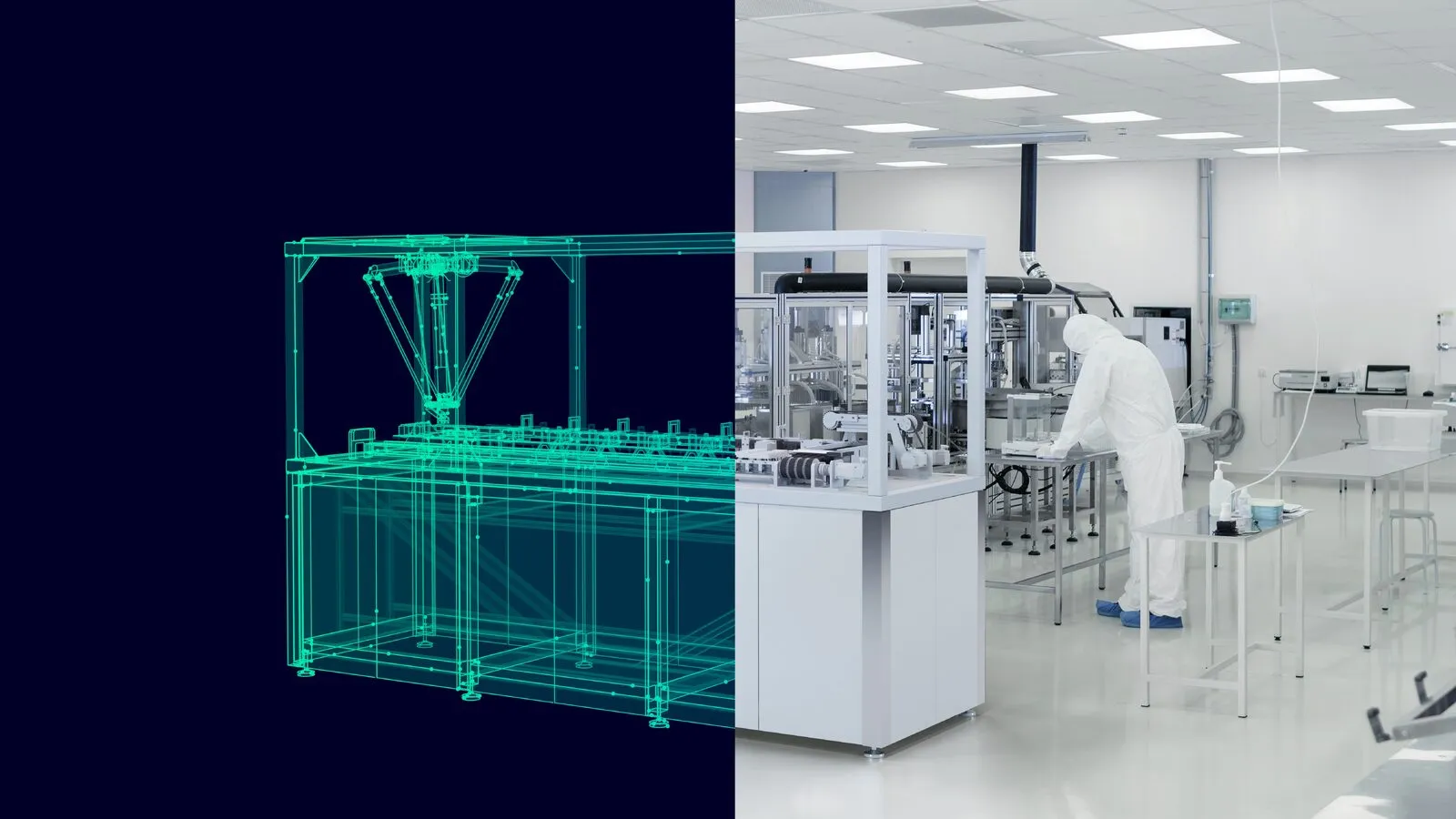
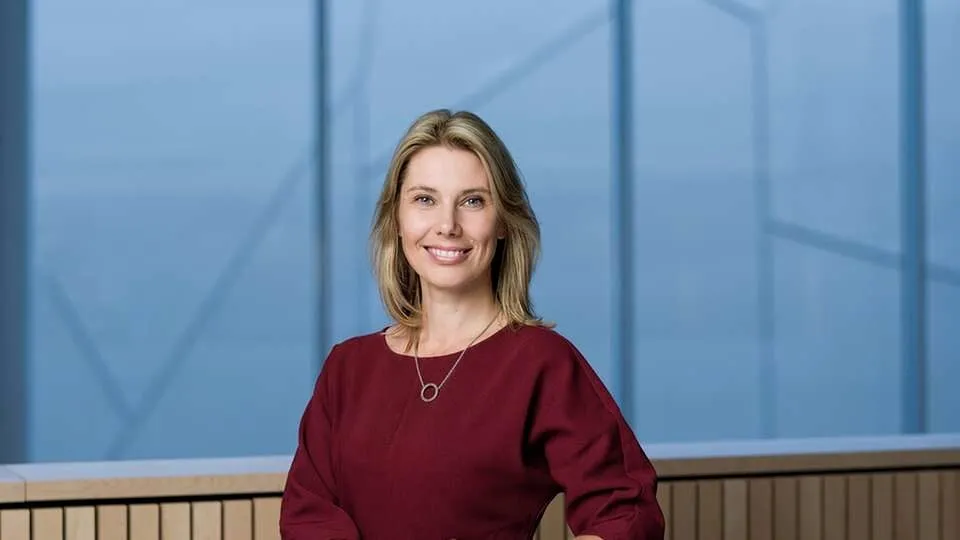
Companies in every sector are facing unprecedented challenges: global disruptions, complex supply chains, ever stricter sustainability requirements and the need to get innovations to the patient faster. What delivers a breakthrough? A smart combination of automation, digitalisation and a holistic approach to the entire value chain. By seamlessly integrating the physical and digital worlds, companies can not only stay competitive, but also shorten time to market, become more resilient and flexible, and achieve their sustainability targets sooner. Maria Grahm, Head of Life Sciences at Siemens, applies this to her own sector for us.
Maria Grahm's career path is not the most typical. "After graduating I did start at Siemens, setting up automation projects in life sciences in Sweden. But I actually spent years on the other side, the customer side, where I focused on system integration. I only returned in 2018." It is experience that has served her well. "You need deep industry know-how to turn today's complexity into a competitive advantage. After all, that is ultimately what we want to achieve with technology."
Drivers
In life sciences, even more than in other markets, technology is explicitly seen as a game changer. "Not automating for the sake of automating, but to become more competitive and achieve measurable results, for your patients and for your company. Today it takes an average of ten to fifteen years to bring a new drug to market. An eternity. Pharmaceutical producers are looking for technology that brings them speed, flexibility, transparency and reliability, without sacrificing quality. There is a reason why the approval procedures are what they are and require so much documentation, but that does not mean you cannot take efficiency steps by investing smartly." Add to that the ambition to produce with fewer raw materials, less water and less energy, and you have the main drivers in this market today.
Inspiration
At the same time, Grahm notes that regulation is becoming ever more complex, in Europe but also elsewhere in the world. But in her view, everything is also in place to turn those challenges into opportunities. "Companies want to speed up their innovations, despite the difficult economic climate and rising costs. In Belgium too, where life sciences traditionally have a strong footprint, companies keep investing with one question on their lips: how can we accelerate? A day's delay can cost up to 1.5 million euros. Work out what an improvement of a few percentage points can mean. It pays to get your product to market faster."
Grahm advises life sciences companies to look further afield for inspiration and to benchmark against sectors with similar industrial disciplines. "Both life sciences and consumer packaging are regulated sectors, but the average OEE in consumer packaging is around 65 per cent, whereas for complex packaging lines in the pharmaceutical sector it is often below 40 per cent. That shows there is still considerable untapped potential in applying the right digital and automation concepts."
A solid foundation
But back to life sciences: how can these companies now pull innovations out of the hat faster? Do we unleash the power of AI on it? "Not quite." Grahm believes in a holistic approach with data as the foundation. "What data do you need? How can you capture it? How can you contextualise it? Because ultimately you must be able to trust it blindly. There is still a lot of work to be done there. Only once you have the answers to those questions should you think about which technology is needed. Maturity in life sciences is high, precisely because, as in the food & beverage industry, there are naturally many track & trace processes, but you have to get the data out of all those silos and standardise it, so that you can connect people, assets, products and processes across the entire life cycle. Those are the conversations we are having with our customers today. And once you have that basis completely right, you can build the digital layer on top and apply industrial AI. Because it is not only about gaining efficiency, it is also about patient safety, quality, sustainable production and human lives. You cannot achieve that if you build on quicksand.
Digital first
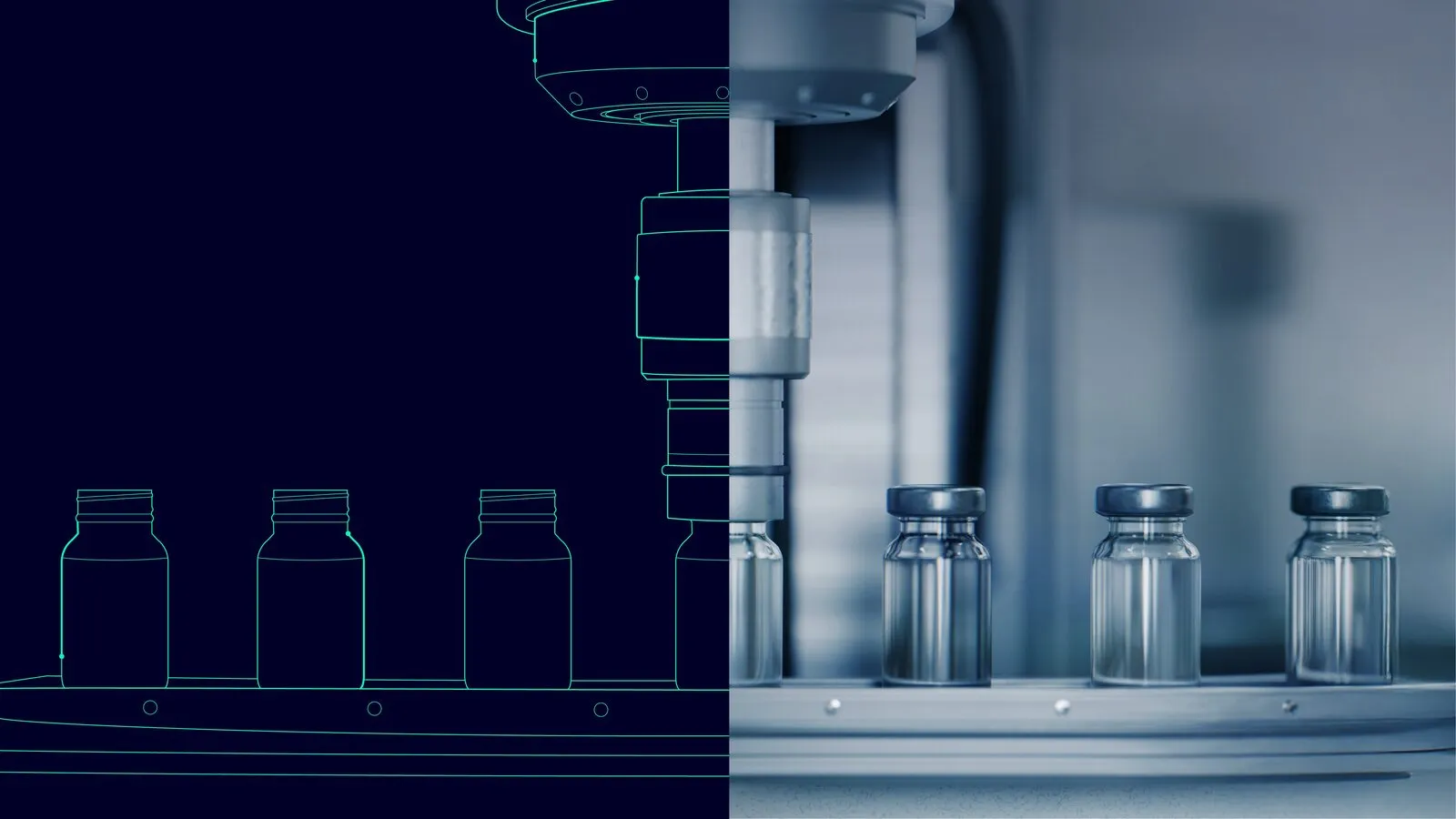
To illustrate what that delivers, she cites a typical example from Sweden: the IKEA kitchen planner. "Everything happens digitally first. You only assemble your cabinets once everything is right in the virtual world. It goes so much faster than having to knock them together yourself every time, only to find that it doesn't work. Not to mention the materials and energy you save that way. In life sciences, the same 'digital-first' approach can help companies use virtual models, simulations and AI-driven insights to focus on the most promising molecules at an earlier stage, identify better development pathways and, where necessary, support scale-up, which is often the hardest step."
The same journey
The expertise Siemens adds to this story covers the entire life cycle: from drug development to smart laboratory processes, intelligent production and energy-efficient buildings. "An end-to-end digitalisation approach is also needed to let data flow through the entire value chain. That is where the gain lies: faster innovation, greater operational transparency, improved flexibility, more resilient production and the ability to combine sustainability with productivity. Predictive intelligence and AI can contribute to company-wide insight, reduce unplanned downtime and improve operational performance in production environments. Without digitalisation, you lose competitiveness. But everything starts with knowledge and people. Our customers benefit from the experience we gain in our own production facilities to become faster, more flexible and more sustainable. We have made the same journey, we know what works. That experience is crucial to setting life sciences on the path to the future."
A business enquiry for Siemens NV/SA? Get in touch
Companies in this story
Keep following this
Get an email when a new story is published. No account needed.
- SubjectSoftware, IT, OT & cybersecurity
- CompanySiemens NV/SA