How much can lubrication-free operation really save?
Text Katrien De VochtImage igus
A machine without lubrication points? For an increasing number of applications, that is no longer a distant prospect. With self-lubricating polymer bearings, igus aims to eliminate the need for external lubrication. The benefits go beyond using less lubricant: they also include less maintenance, less downtime and lower costs. A study by RWTH Aachen University has now put a figure on this potential. In the German agricultural sector alone, savings over ten years could reach €30 million.
Lubrication may seem like a minor maintenance task. Multiply it across dozens of lubrication points per machine, hundreds of machines and years of operation, and the picture changes quickly. Lubricants cost money, but applying them also takes labour. In addition, machines sometimes have to be taken out of service for the work, which also comes at a cost.
Millions in savings hidden in lubrication points
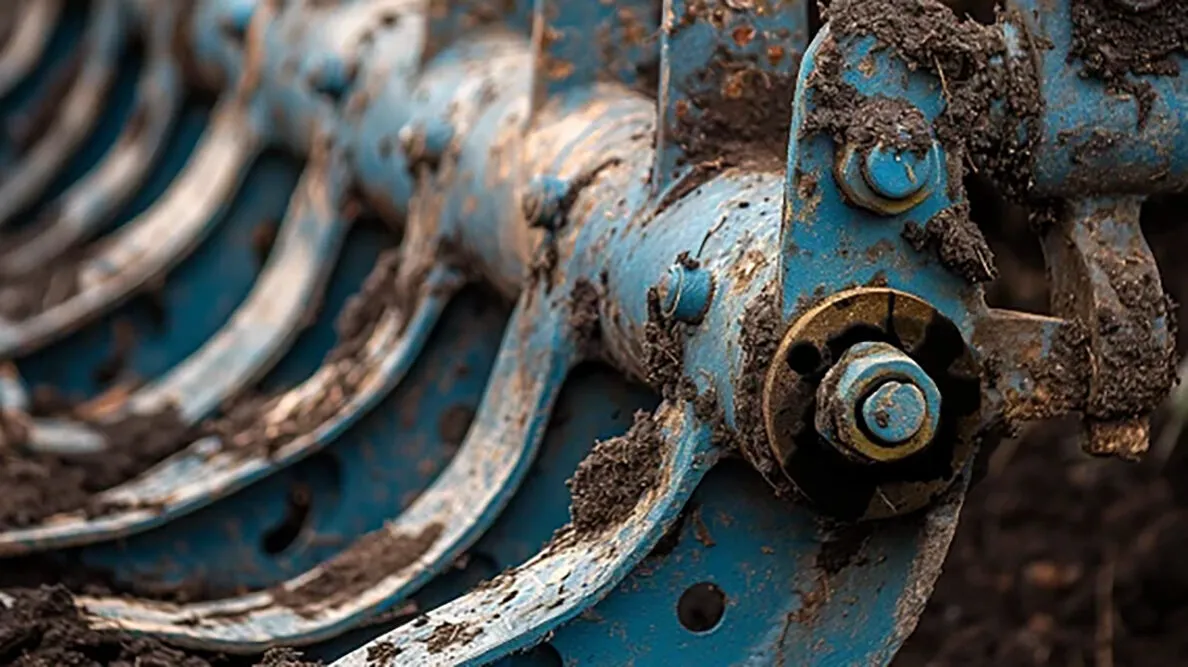
To quantify this impact, RWTH Aachen University and igus examined the savings potential of self-lubricating polymer plain bearings. One of their calculations focuses on the German agricultural sector. If 500 cultivators are fitted with dry-running plain bearings each year, extrapolations suggest that around €30 million in lubricant and labour costs could be avoided by 2034.
“Zero Lubrication is about much more than saving a tub of grease,” says igus. “It is also about maintenance time, availability and costs over the entire service life of a machine.”
The lubricant is already in the material
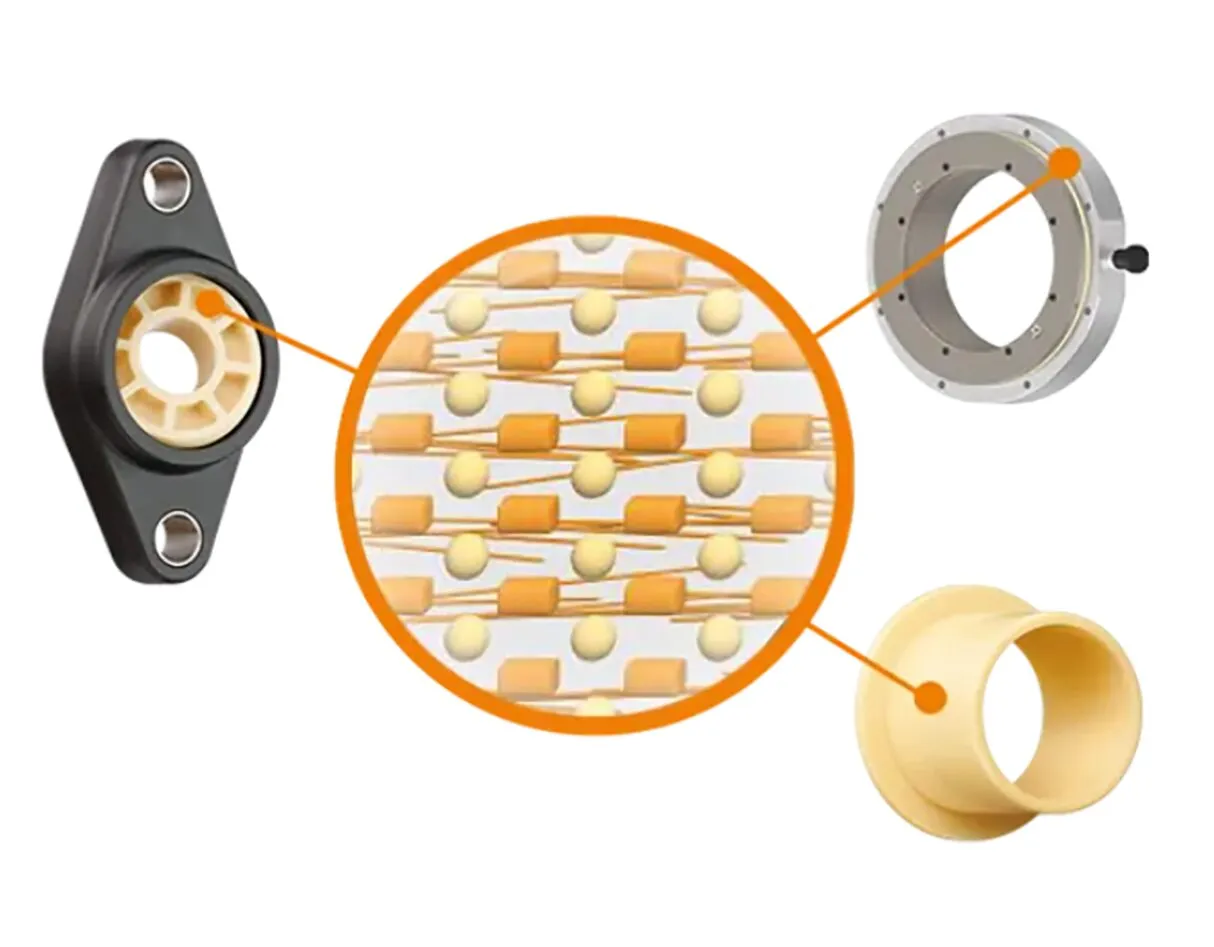
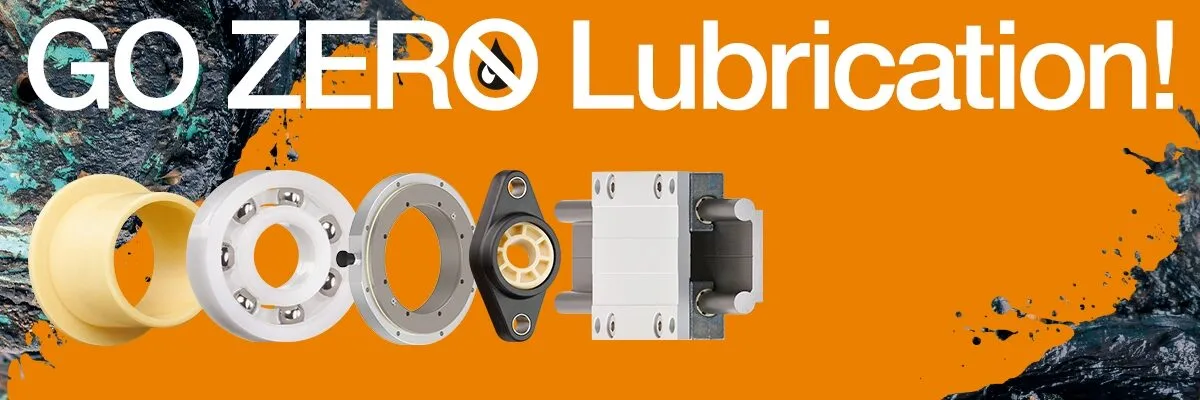
How can moving parts operate without external lubrication? For igus motion plastics, the answer lies in the material itself. Solid lubricants are integrated into the high-performance polymers and released microscopically during movement. This eliminates the need for an external supply of oil or grease.
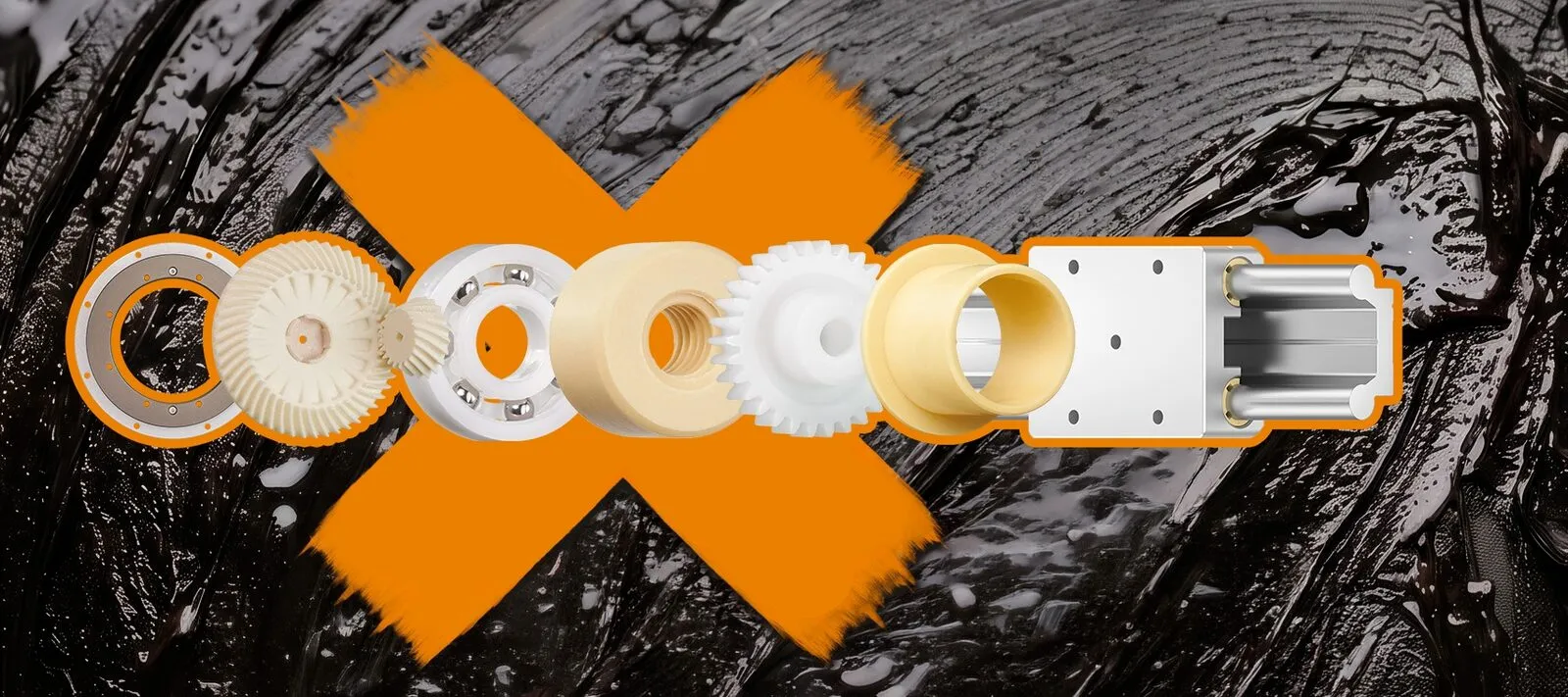
This principle is used in products including iglidur plain bearings, xiros ball bearings, igubal spherical bearings and iglidur PRT slewing ring bearings. As well as being self-lubricating, these polymer solutions are maintenance-free, vibration-damping and up to 80% lighter than bearings made entirely of metal.
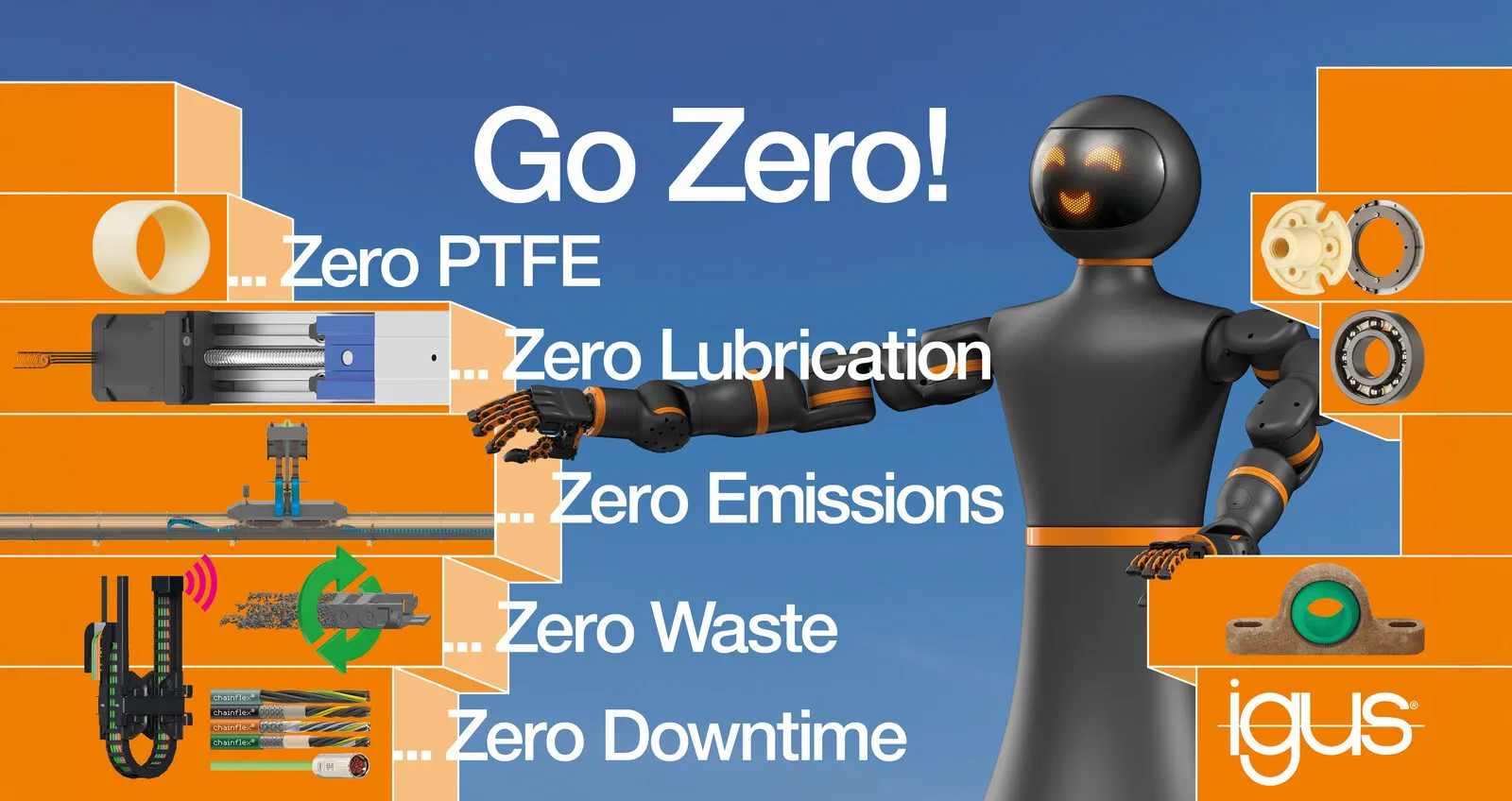
Less lubrication also means lower lubricant consumption and fewer maintenance interventions. Zero Lubrication therefore has implications not only for cost savings, but also for material use and environmental impact. Machine builders stand to gain another benefit: eliminating lubrication points can also simplify a machine’s maintenance strategy.
From theory to 22 fewer lubrication points
The potential becomes clear in real-world applications. Agricultural machinery manufacturer Lemken replaced bearing solutions in a cultivator, eliminating 22 lubrication points per machine. According to the calculations, this saves 14.7 hours and €88 per cultivator each year, while reducing CO2-equivalent emissions by 6.3 kilos.
There are examples outside agriculture, too. Heineken Brasil uses self-lubricating igus bearing technology in conveyor belts. For 600 bearing points, annual savings are estimated at more than €2,800 and 1,560 maintenance hours. Rockinger, meanwhile, uses a self-lubricating wear element in its KS80 coupling, eliminating the need for periodic lubrication.
And that may be the essence of Zero Lubrication. Replacing a single bearing seems like a small change. But multiply it across an entire machine, production line or machinery fleet, and small lubrication points can suddenly become a major cost, or a major opportunity to save.
A business enquiry for Igus? Get in touch
Companies in this story
Keep following this
Get an email when a new story is published. No account needed.
- ThemeLess downtime through maintenance
- SubjectMotion, gears & drives
- CompanyIgus