From eggs to healthy chicks
Text Astin de Zeeuw / Kris VandekerckhoveImage SigmaControl/pngtree
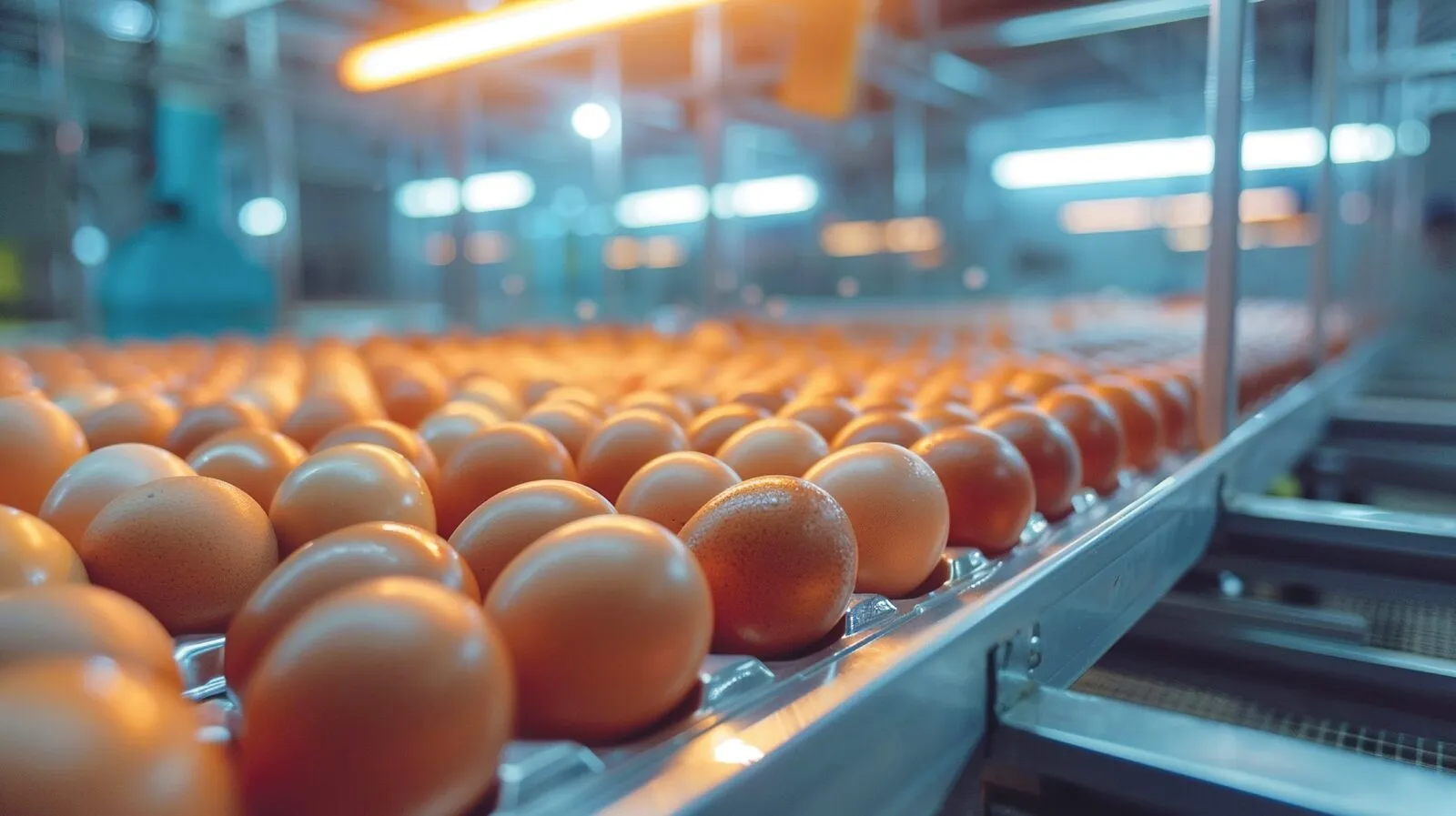
EMKA Hatchery Equipment installs incubation machines and builds hatcheries around the world. The company combines ease of use with advanced technology, because the life created in the incubators must ultimately be born healthy and strong. From fertilisation to hatching, temperature and humidity are not the only factors that matter: during incubation, eggs must also be turned and candled regularly.
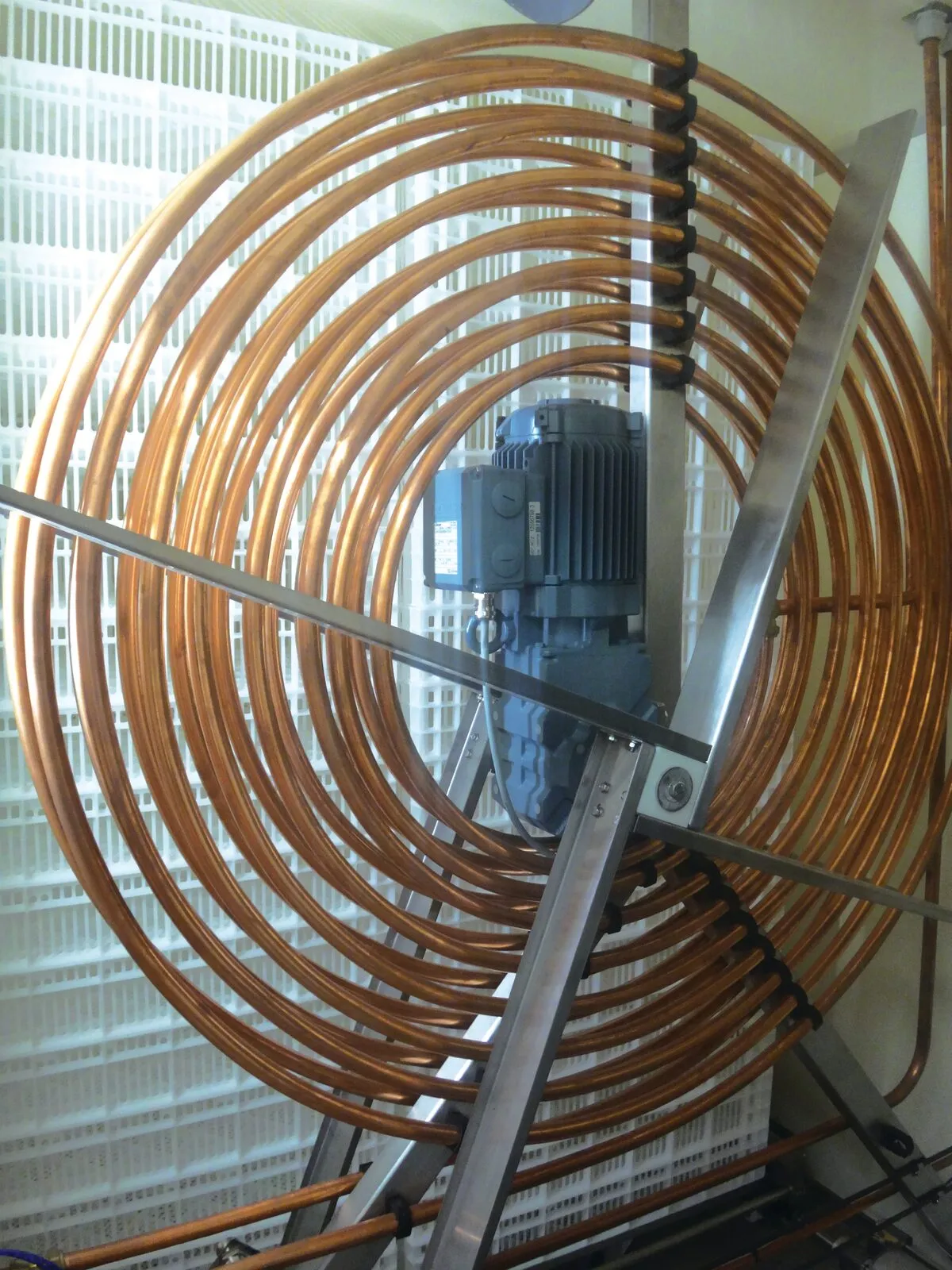
One important development is the ability to increase the survival rate of fertilised eggs using SPIDES (Short Periods of Incubation During Egg Storage). This involves the use of cooling tubes and independently controlled heating elements, among other things. For this technology, EMKA uses advanced solutions from SIGMATEK, with support from the engineers at SigmaControl in Barendrecht.
A new focus and international growth
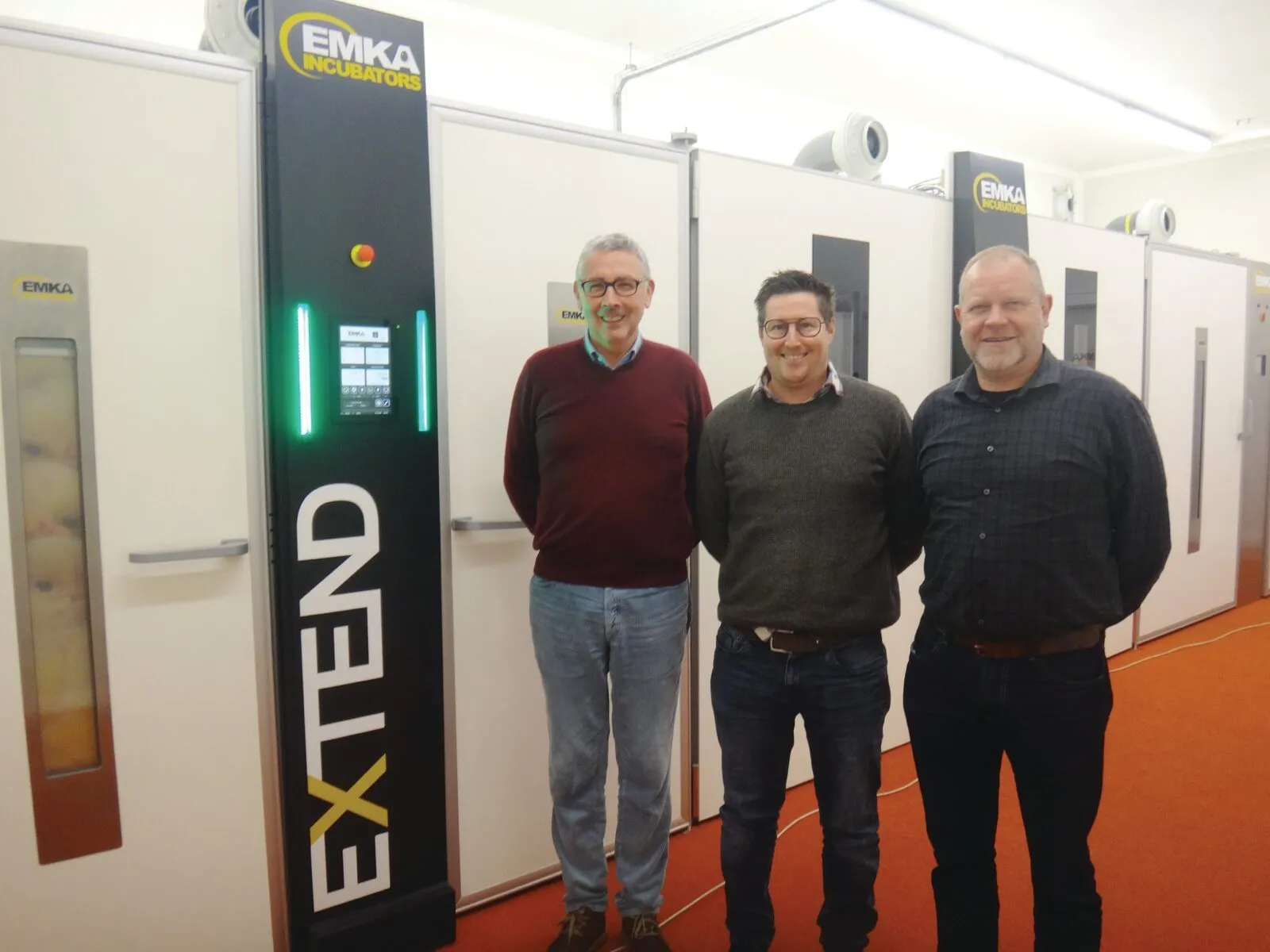
What began as a machine builder for presses and vats has grown into a specialist in incubation technology. According to Tom Brysbaert, operations manager, the company did not originally focus on incubation machines. It first worked in other areas of machine building, before gradually shifting its focus to incubation technology from 2019 onwards: “When we relaunched, we believed in the product and its potential. The incubation machines were high quality. We built on that foundation and continued to improve.”
The relaunch meant more than simply continuing existing activities. The company also opted for a different organisational structure and a clear growth strategy. Whereas EMKA previously focused mainly on markets such as Belgium, the Netherlands, France and Germany, today it is much more focused on international projects. It sees significant growth opportunities, particularly outside Europe, including in Africa and Asia.
Flexibility is key
EMKA deliberately takes a flexible approach to its work. Rather than maintaining a large fixed production capacity, the company largely opts for a project-based approach, backed by specialist partners and external expertise. Much of the metalworking and fabrication takes place in Poland. Electronics, programming, engineering and technical support are among the activities based in Belgium.
This structure enables the company to respond quickly to specific customer requirements. Brysbaert: “We typically work on projects with a lead time of two to four years. We deliver complete projects, including all the automation needed to handle eggs and chicks. This includes climate control for air and water, as well as vaccination.”
EMKA customers do not just buy a system, they also benefit from a considerable amount of expertise. “Ultimately, it is the result that matters; it does not all depend on the machine,” says Brysbaert. “Choosing the parent birds is crucial. The eggs going into the machine must also meet the right requirements.”
From closed systems to modular automation
An important step in developing the machines was the move to a new control platform. The original systems used older solutions, making extensions and modifications increasingly difficult. Adding extra functions made the software more complex and harder to manage.
“We were gradually reaching the limits of the system.”
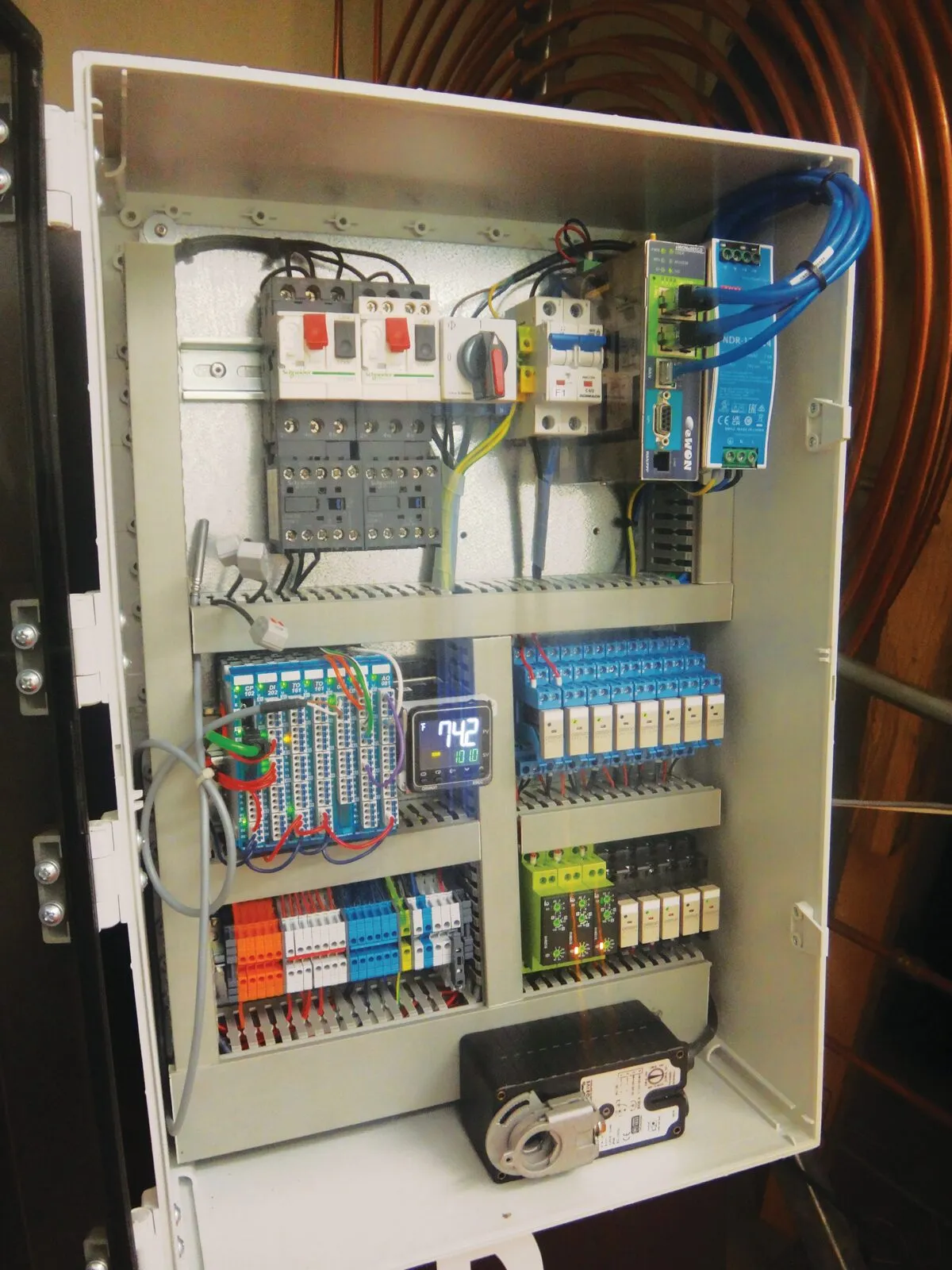
Flexibility therefore played a major role in choosing a new platform. The modular hardware design proved to be a particularly important advantage. Using individual I/O modules and expansion cards makes it easier to adapt systems to specific customer needs.
The new approach also made it possible to build up more in-house expertise and further develop software and visualisations internally.
“We were used to working with custom-made control systems. SIGMATEK takes a very different approach. We can now control much more in-house.” The existing software, which was mainly programmed in ladder logic, also had its limitations.
“Take CO2 control, for example. Previously, control was based on temperature alone, whereas now we can make much greater use of sensors. Cooling was also done exclusively with water in the past. Today, we can use inlet dampers to control ventilation very precisely.”
Thoughtful control for greater control over the incubation process
Reprogramming the systems is no easy task, however. “Market requirements are becoming increasingly demanding. Customers want to be able to set recipes, for example, and use them to adjust the incubation process.”
SIGMATEK’s LASAL All-in-One engineering software enables EMKA to develop a comprehensive user interface for this purpose. “One customer’s system, for example, could not turn the eggs every half hour. We were able to implement this in software and prevent a huge amount of losses as a result.”
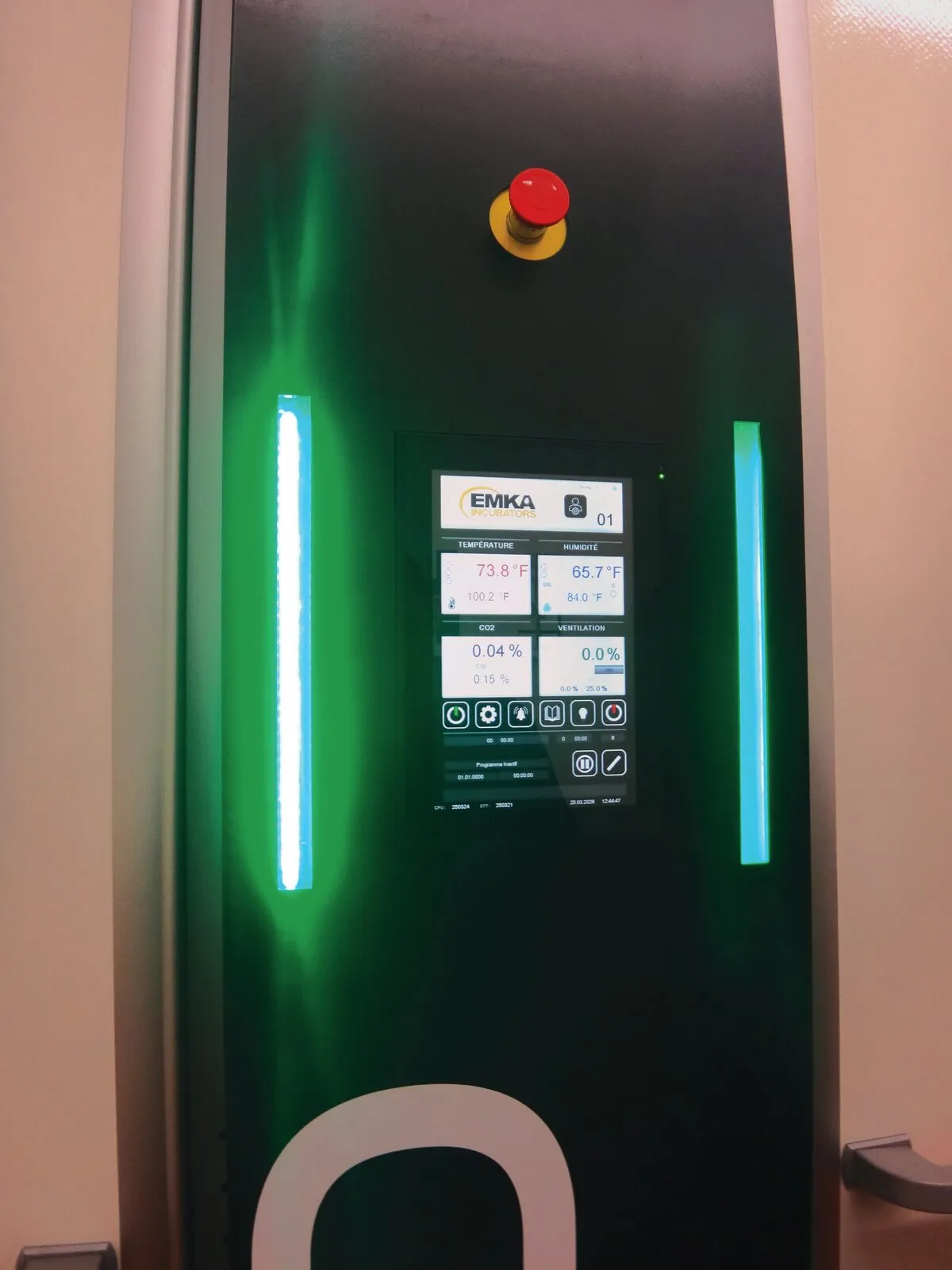
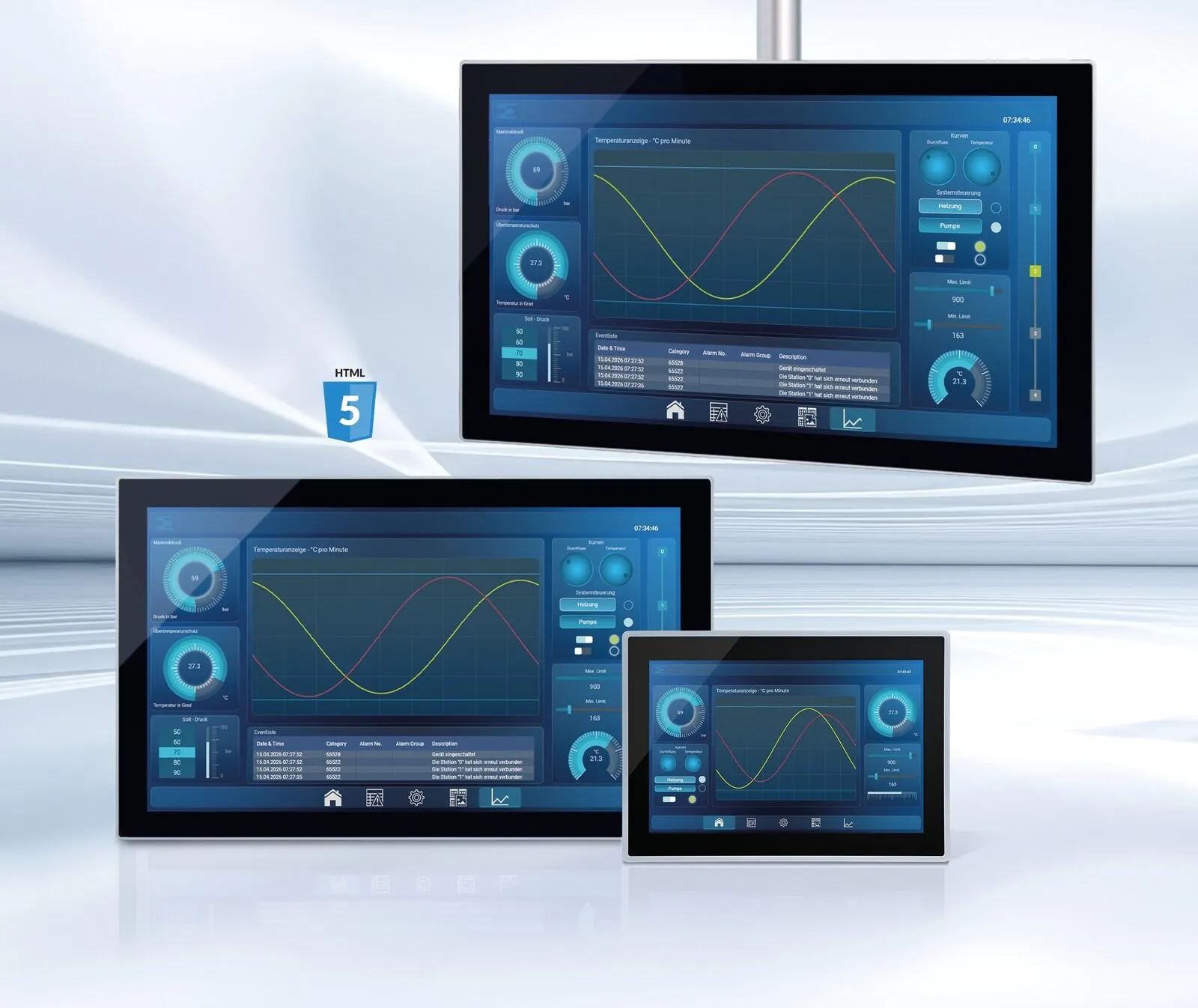
For operation, EMKA uses SIGMATEK’s 10-inch Multi-Touch ET screens, for which the company can develop its own HTML visualisations. “That is a considerable step forward when you consider that the system used to look almost like MS-DOS,” says Brysbaert with a laugh.
Safety is also playing an increasingly important role. Companies are increasingly being held responsible for it themselves. CE marking is already a requirement in Europe, but it is also an important consideration to incorporate into the design and use as a selling point.
Remote access is also becoming increasingly important. “Staff used to live practically next door to a hatchery so they could respond quickly to problems. Today, that way of working is changing.”
Remote solutions allow customers and technicians to monitor machines using a laptop, tablet or smartphone. Faults can be analysed more quickly and support can be provided remotely. This benefits both customers and service organisations.
Data as the basis for further optimisation
Development does not stop at automation. EMKA is also looking at future applications in data analysis and predictive maintenance. Its ambition is to make the machines increasingly intelligent. Potential applications include:
maintenance alerts based on usage;
records of replaced components;
analysis of sensor data;
storage and analysis of process history;
support using artificial intelligence.
For example, if sensors start showing abnormal readings, the system could proactively indicate that maintenance is required in the future.
Growing global demand
The coming years will bring their share of challenges for EMKA. At the same time, demand for efficient food production is growing worldwide, and many countries want to become less reliant on imports. The company sees strong potential, particularly in Africa and parts of Asia.
“More and more countries want to produce locally and are therefore investing in their own capacity. That creates opportunities. Food production is undergoing a shift. Tighter regulations on imports of frozen meat and a willingness to invest locally in poultry production make this an interesting growth market.”
After years of development, investment and restructuring, EMKA is now looking ahead to its next phase of growth. The foundations are in place: a specialist product, further automation and clear international ambitions.
“One interesting development is a vaccination hatchery in Egypt, for example. An incubation system is used there to develop vaccines. There are also opportunities in handling different bird species and in air circulation solutions for a range of climate zones.”
A business enquiry for SigmaControl? Get in touch
Companies in this story
Keep following this
Get an email when a new story is published. No account needed.
- SubjectControl & network
- CompanySigmaControl