Is your bioreactor ready for the latest sensor technology?
Text Evi HussonImage Elscolab
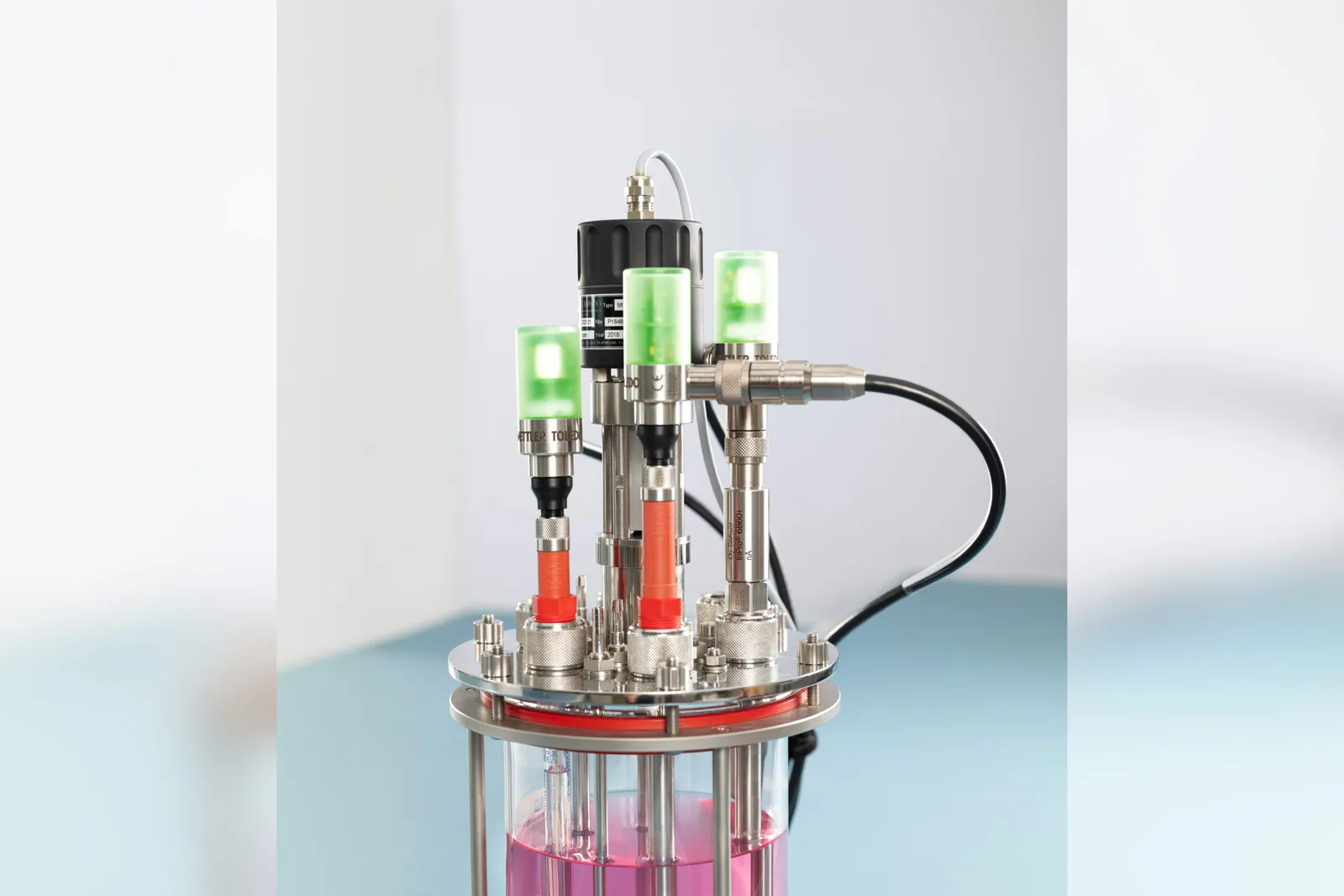
The bioreactor is at the heart of the production process in the biopharmaceutical industry. In industrial fermentation processes, both micro-organisms (such as yeast and bacteria) and animal cell lines are cultivated in a bioreactor. Optimal culture conditions are needed to produce the desired target molecules for developing products such as medicines. Reliable sensors are therefore essential. Kevin Boels and Wouter Postuma, who work at Elscolab, take a closer look at the benefits of digital, intelligent sensor technology.
Biological processes take place in bioreactors. “To create a robust, reliable process with optimum yield, several factors are important: hygiene, creating a sterile environment, reliable monitoring, calibration and validation. Reliable measuring equipment is essential,” begins Kevin Boels, sales support manager process at Elscolab. “In the R&D phase, companies start with a small volume of one to twenty litres, integrating sensors into a number of designated ports in glass bioreactors. These are connected to a biocontroller that monitors everything, including parameters such as conductivity, pH, oxygen content, turbidity, CO2 content, osmolality and so on. This is followed by the scale-up/process development stage, with volumes of between ten and five hundred litres, often followed by full-scale production at more than five hundred litres. Elscolab supports companies at every stage and offers reliable sensors that can scale with each phase, so companies do not need to change their sensors as they scale up.”
Digital and intelligent
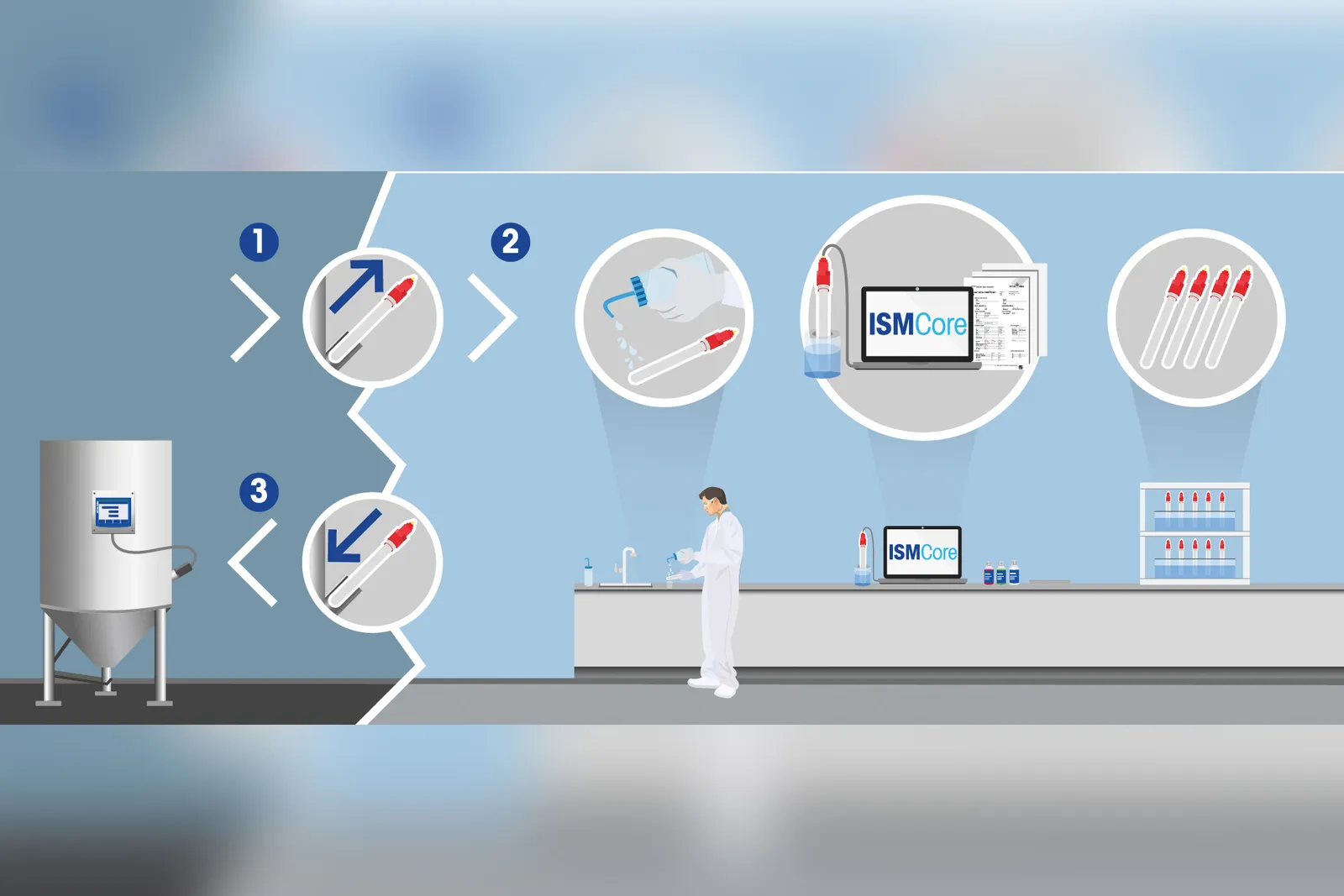
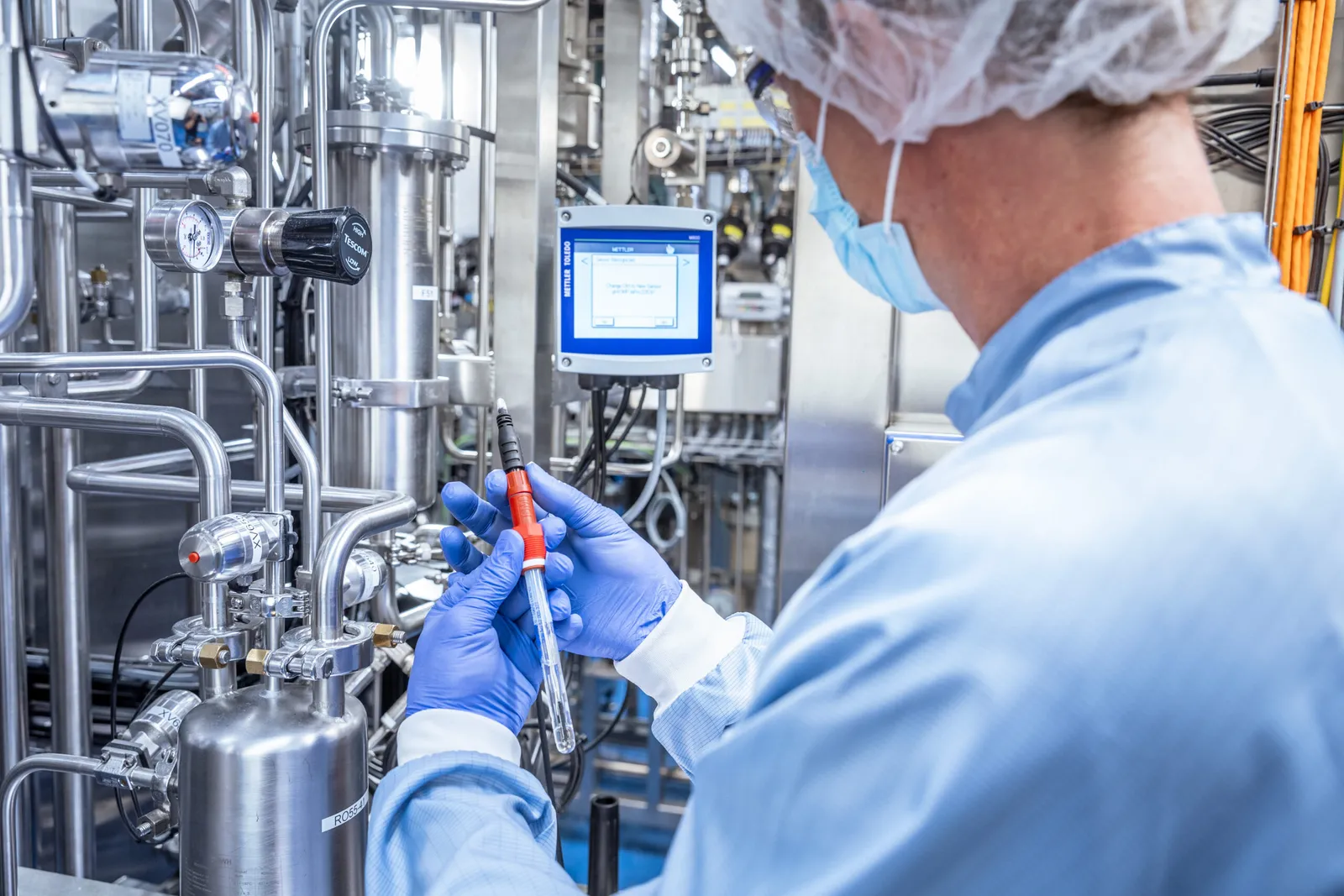
Wouter Postuma, sales engineer at Elscolab, adds: “Analogue measurement can result in poor signal transmission or interference. Today, measurement can be both digital and intelligent. Not only are measured values transmitted, but also information about calibration and sensor status. Users know exactly how many days remain before a sensor needs servicing or replacing. This ensures that measurements remain accurate throughout the process.” Many companies still use analogue measurement. “At some point, someone will have to decide to switch to an inline digital and intelligent method, which offers many more benefits. Choosing the right time can be difficult. But we have a solution for that too. Many of our digital sensors can also be integrated into an analogue system. This means that end users do not need to change the way they work, while already benefiting from the advantages of a digital, intelligent system.”
Single-use
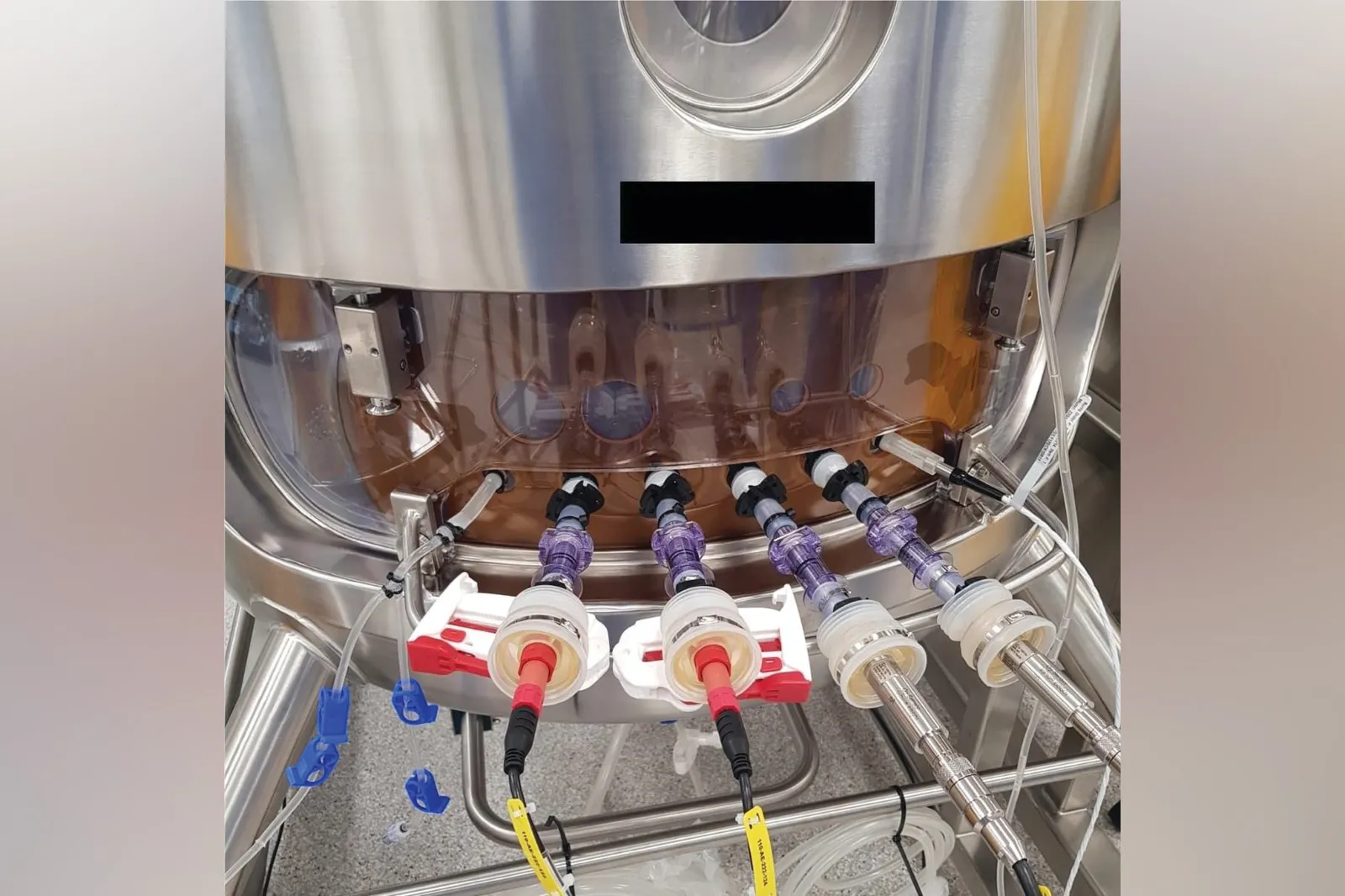
The biopharmaceutical industry continues to evolve. Boels: “Glass and stainless-steel reactors have been used for a long time. Large sterile single-use bags, which enable the production of hundreds of litres of a product, are relatively new. The same robust sensors can still be used with this new option, but smaller sensors integrated into the single-use bag are another possibility.” Postuma adds: “The newer single-use option offers a greater chance of successful fermentation because it reduces the risk of contamination. Once the process is complete, everything is removed as a whole. Specialist applications, or working with a dangerous virus or an infectious bacterium to produce a vaccine or medicine, may be interesting uses.”
Parameters
Today, parameters such as conductivity, pH, oxygen content, turbidity, CO2 content and osmolality can be measured with great accuracy. Boels: “We can already measure and validate an enormous amount, but there is still a whole world of new parameters to explore. In future, we may even be able to measure lactate or glucose inline and digitally. Developments are moving fast. The more variables biopharmaceutical companies can measure and analyse, the better they can manage, monitor and optimise their micro-organisms.”
A business enquiry for ELSCOLAB? Get in touch
Companies in this story

Keep following this
Get an email when a new story is published. No account needed.
- ThemeProcess measurement and control
- SubjectProcess & instrumentation
- CompanyELSCOLAB