Switching to radar saves energy
Text and images VEGA
Accurate measurement of what goes into and comes out of a silo depends on good sensors. Trinseo had laser detectors on its silos in Terneuzen, but they did not meet requirements. The new radar sensors have delivered more accurate measurements and easier operation, as well as energy savings.
Trinseo is a global supplier and producer of plastics and latex binders. Its site in Hoek, near Terneuzen, is one of the company’s two largest production facilities. In 2019, a new compounding plant was completed, producing specialist plastics for customers in the automotive, electrical and medical industries. Jan Piet Harms is the improvement manager there. He manages improvement projects in safety, the environment, production and automation. “We have one of the most highly automated compounding plants in Europe. Our products range from polypropylene, polycarbonate and ABS to speciality grades.”
Challenging level measurement
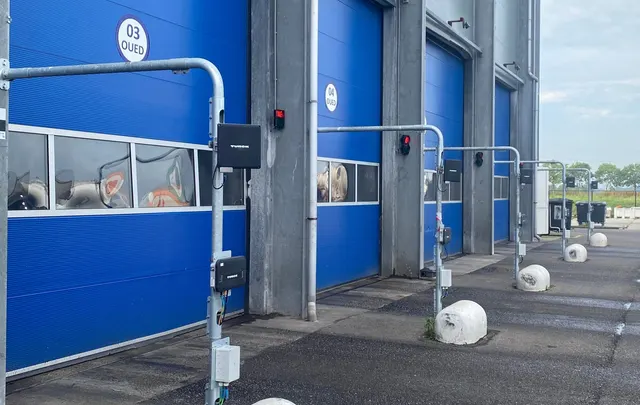
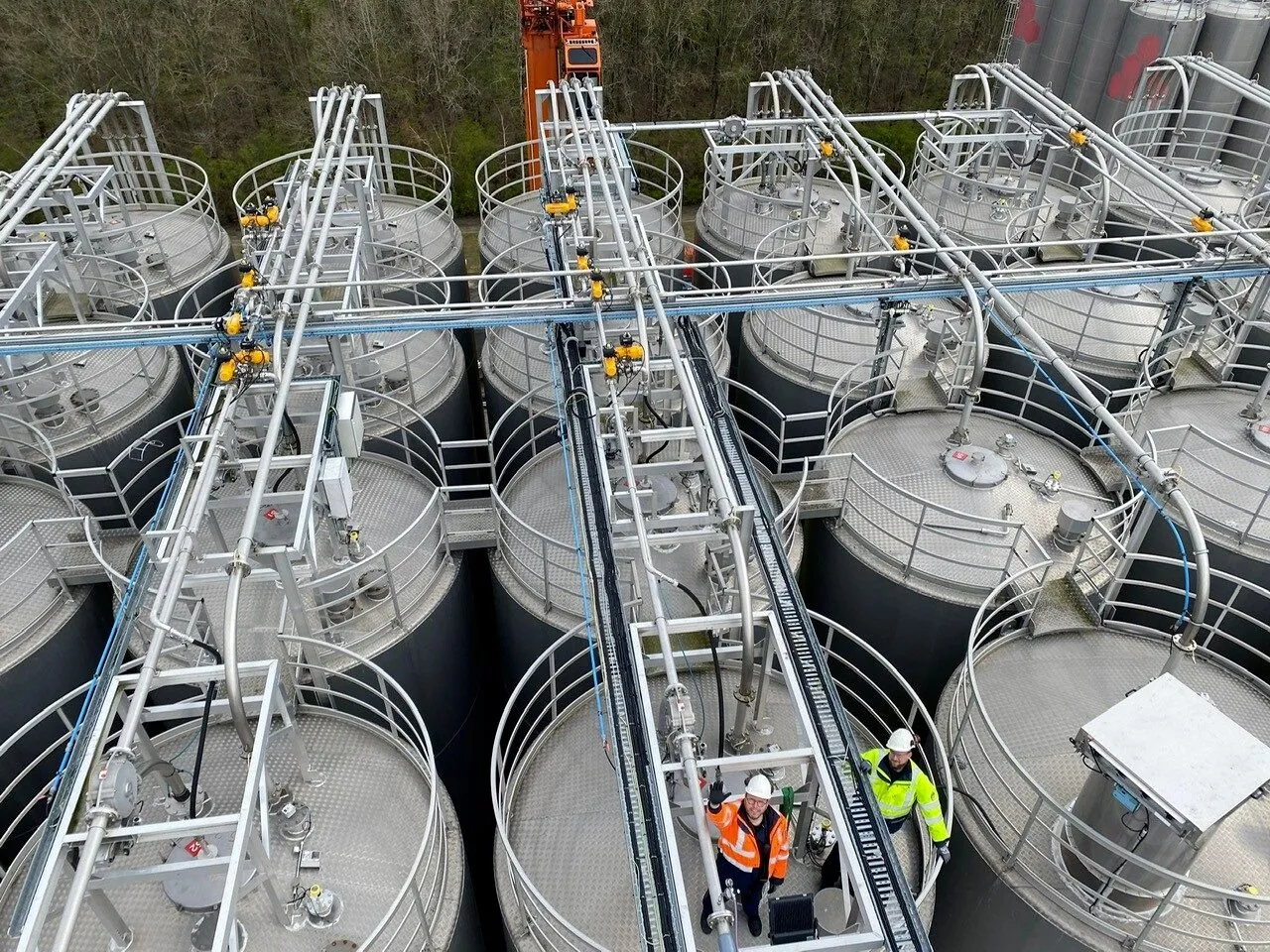
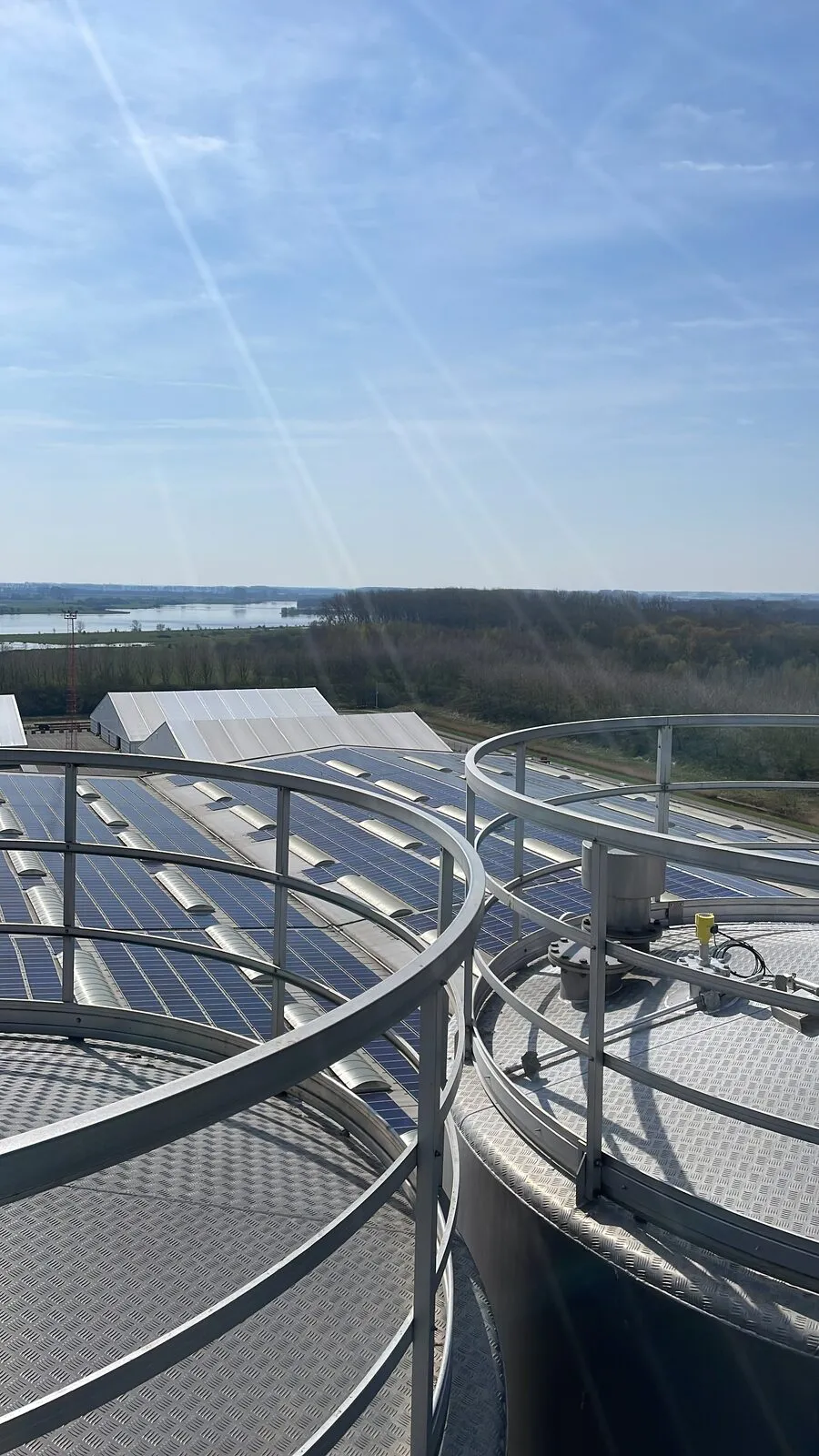
“We have forty 180-tonne silos here, holding both incoming raw materials and outgoing finished products. The silos have level sensors so we know exactly how much they contain. These were laser detectors, but they struggled with our granules. We produce granules ranging from black to natural, and the measurements had too many deviations. In addition, laser measurement requires extreme precision. The laser on the silo hatch, which is forty metres high, has to be aimed precisely at the silo’s deepest point. That is almost impossible to do. The lasers were also affected by dust, so a constant airflow was needed to keep the lens clean. That air has to be produced by our compressors.”
Radar level measurement
“We started looking into radar level measurement,” says Harms. He found VEGA. “Their VEGAPULS 6X is not only the most advanced product of its kind, ease of operation is also important to us. The radar sensor is very easy to configure via Bluetooth. What’s more, we no longer need an airflow, which brings additional energy savings.” The sensor has the widest dynamic range available on the market, making it extremely accurate. It is easy to align, and dust and product colour have little effect on the measurement results. Commissioning takes just a few clicks. In many cases, customer-specific settings can be entered into the instrument at the factory. “After that, you just install it, connect it and you’re done. The 6X essentially combines the best features of all its predecessors.”
Overview for SOX compliance
The team’s E&I technician is responsible for the silos. “I have a tablet that displays all forty VEGA radar sensors on a single screen. I can immediately see whether there is a problem, where it is and what is going on. For example, a fault can occur because of a voltage dip. When the plant was first started up, there was occasionally a loose wire. You can see straight away, at a glance, what is going on.” Harms says accurate stocktaking is important for Trinseo’s SOX compliance. “We want to know exactly what is in the silo and what goes out. The figures have to match our SAP system. That is now possible, partly thanks to the VEGAPULS 6X radar sensors.”
Moving towards more recycling
Trinseo is taking significant steps towards more sustainable plastic production. Production is shifting from virgin raw materials to recycled ones. Harms says: “We are also looking at chemical recycling, which breaks the material down into basic components that are used to make new plastic. This is being done, among other places, at a pilot plant here in Terneuzen.”
A year ago, Trinseo acquired Dutch company Heathland, which specialises in the mechanical and chemical recycling of plastic. Harms says: “They separate plastic waste and granulate it. We are now testing how to use this granulate in our finished products. Our customers are asking for it.” Trinseo is working towards ISCC (International Sustainability and Carbon Certification) certification. “You have to be able to demonstrate that your product contains a certain percentage of recycled raw materials. That is a major step for us,” says Harms. In the coming years, the compounding plant will increasingly move towards recycling.
Energy savings
To reduce energy consumption, heat from wastewater and from the four extruders is used to heat the plant instead of electricity. This saved 300 MWh last year. A similar project is under way this year. “Those are welcome gains,” says Harms. “There is not much we can do about the extruder itself, it simply has to run. But you can preheat the granules, which saves a few per cent of energy.” Finally, a constant focus on better leak management has reduced the volume of wastewater.
Een zakelijke vraag aan VEGA N.V.? Get in touch
Companies in this story

Keep following this
Get an email when a new story is published. No account needed.
- ThemeProcess measurement and control
- SubjectSensors & vision
- CompanyVEGA N.V.