From sensor to insight: the new building blocks of IIoT
Text Valérie CouplezImage Wireless Logic
In the world of IIoT, reliable connectivity is not a luxury but an essential requirement. The challenge is not to connect a single device successfully, which is easy with today’s technology, but to manage connected environments and the devices you create throughout their entire lifecycle. After all, the applications you build must not grind to a halt when technology, regulations or your provider’s networks change. Managing director Benelux Rob Snijders explains how Wireless Logic really makes a difference. But come and see for yourself at ABISS.
IIoT has now come of age. There is no longer any need to convince machine builders and manufacturers of the added value that a digital layer can bring to what is already there. Snijders naturally welcomes this evolution. “But you can also see that the focus has shifted. The biggest challenge is no longer setting up your connectivity, but managing it throughout its entire lifecycle and ensuring operational continuity. What you are really looking for is a partner that can give you stability in a landscape that is subject to constant change. And that’s us,” he says with a wink.
Applications that work anytime, anywhere
Wireless Logic does this with Conexa, its carrier-independent core network with global coverage. “It doesn’t matter which module goes into your machine or which technology you use to communicate, satellite, 4G, LPWAN and so on. Our platform is designed to work with all signals, anywhere in the world. Often, we also work with local providers. We recently added the KPN profile, for example, which offers benefits in terms of stability and latency. That gives users peace of mind. Conexa provides the flexibility, reliability and scalability needed for next-generation IIoT deployments.” He points, among other things, to the rapid pace of change in communications technology. “The first IIoT applications were built on 2G. We are now seeing 2G, and already 3G, being phased out in various countries. You don’t want your application to simply stop working when that happens. But if your hardware only supports those technologies, you have to make a change. We can offer some really good solutions to make that migration as efficient as possible.”
Switching providers more easily
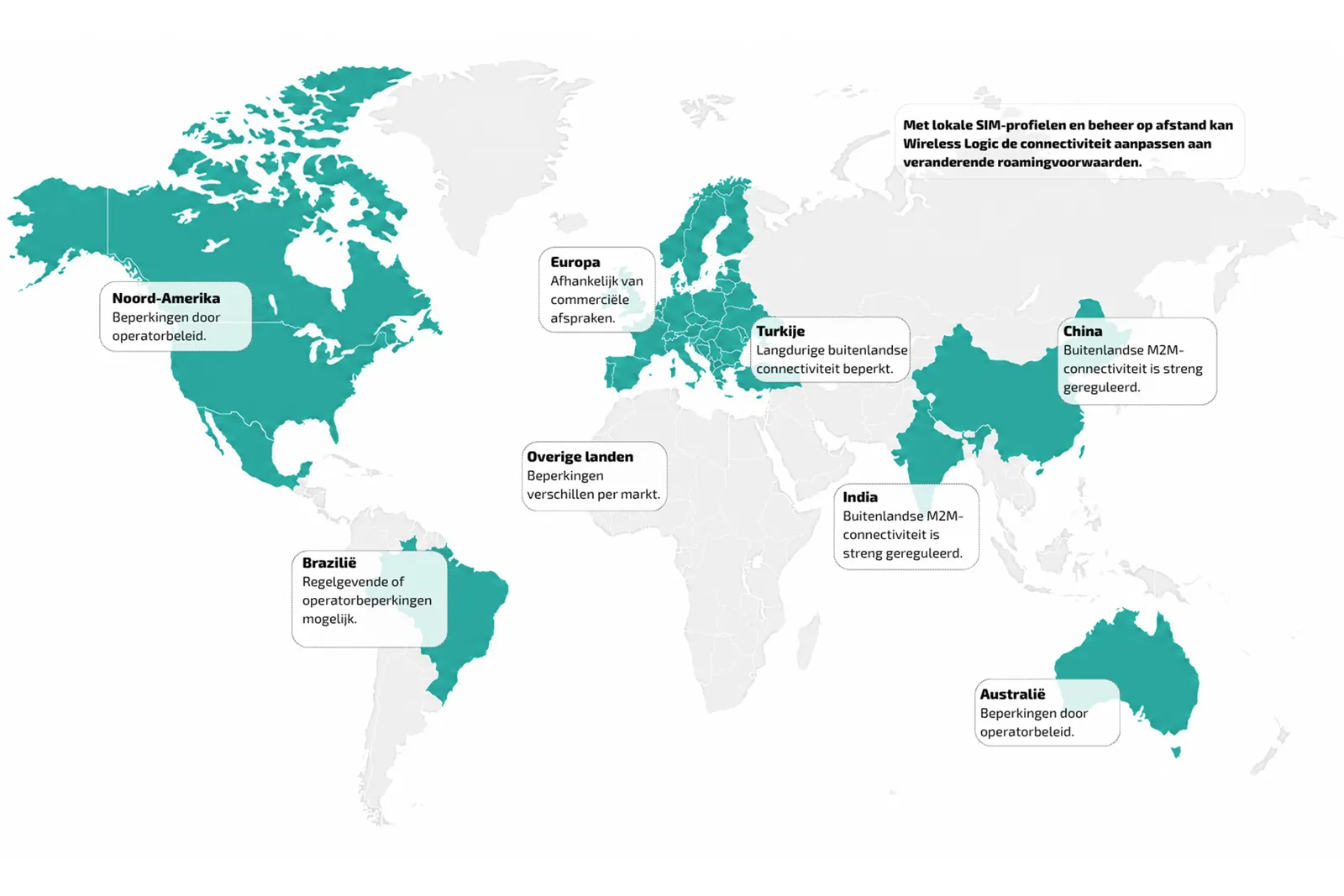
A second development he welcomes is the arrival of the GSMA SGP.32 standard. “In time, it will mean that switching IIoT providers will be as easy as switching mobile operators is today,” he explains by way of comparison. “It will open up the market and make vendor lock-in more difficult. Ultimately, users don’t care who provides roaming in the countries where their applications are deployed. They just need them to work, and above all, to keep working. If the mobile operator you work with no longer has coverage because new roaming restrictions apply, as is the case in countries such as Brazil, you want to be able to switch to another solution that is unaffected. Under the new standard, everything can theoretically be transferred ‘over the air’. That gives users more flexibility when networks, regulations or operating conditions change. Today, that is a real challenge.”
End-to-end solutions
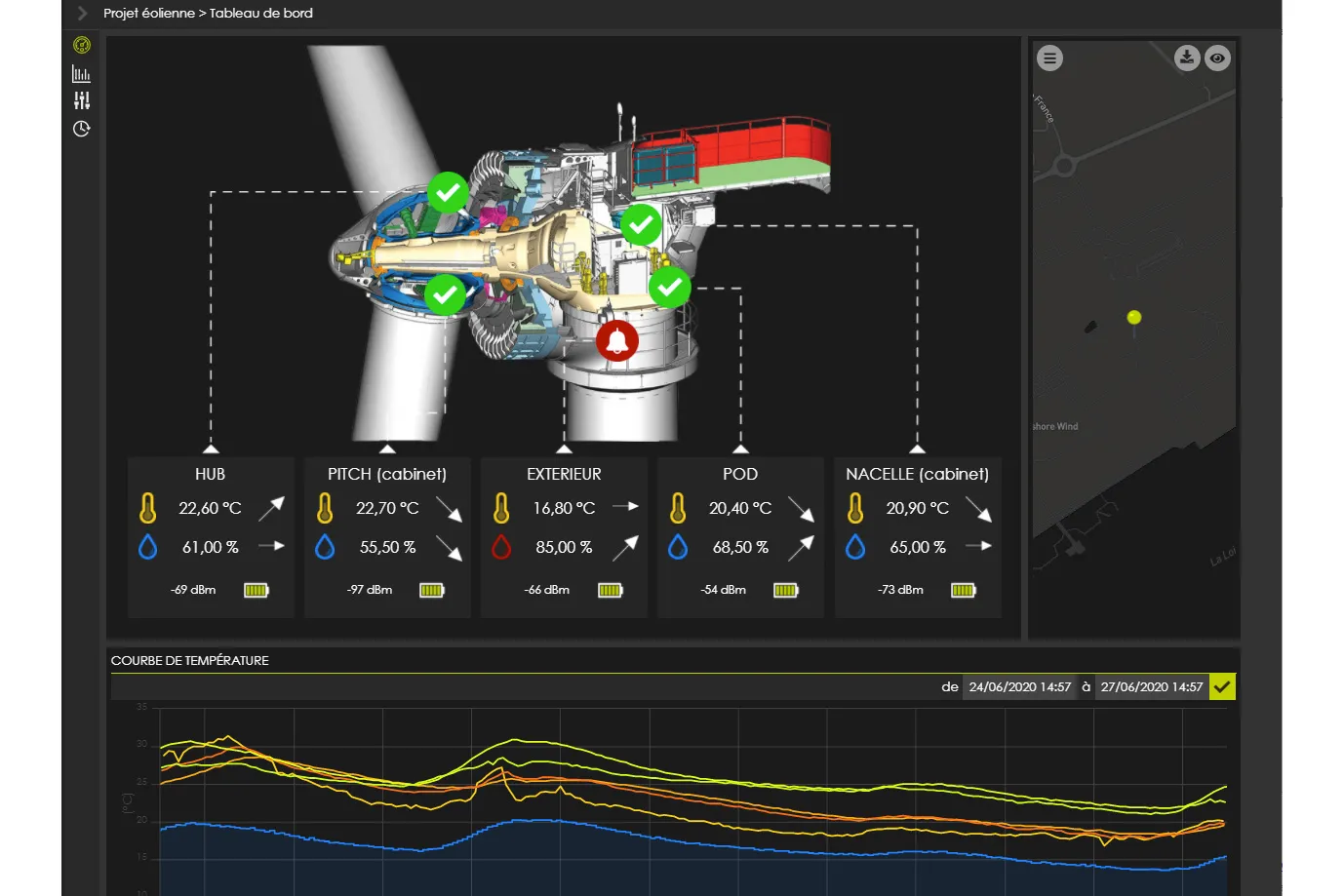
In practice, however, there is still a lot of work to do before all components can operate according to and with the new standard. Snijders sees this as a third development: end-to-end solutions. “Companies are increasingly looking for a single point of contact that can bring together the entire IIoT chain, from connected hardware and connectivity to integration, data processing, monitoring and security. We keep our focus firmly on connectivity and the associated hardware, so that we can stay on top of every development in these areas. But by working with partners such as Arcsom and Vynze, with whom Wireless Logic is sharing a stand at ABISS, we can meet this need. They contribute expertise in data, visualisation, digital twins, OT and system integration. What makes IIoT so complex is that it brings together so many different elements, including cybersecurity. Specialist knowledge is essential, and we find it among our partners. Together, we make sure it works and keeps working. That’s how you build the robust IIoT applications of tomorrow that really help customers move forward. We’ll be demonstrating this at ABISS too.”

Een zakelijke vraag aan Wireless Logic? Get in touch
Companies in this story


Keep following this
Get an email when a new story is published. No account needed.
- ThemeProcess measurement and control
- SubjectControl & network
- CompanyWireless Logic
- CompanyABISS
- CompanyARCSOM
- CompanyVYNZE BV