Machine safety, cobots and AI: ATEM on the future of industrial automation
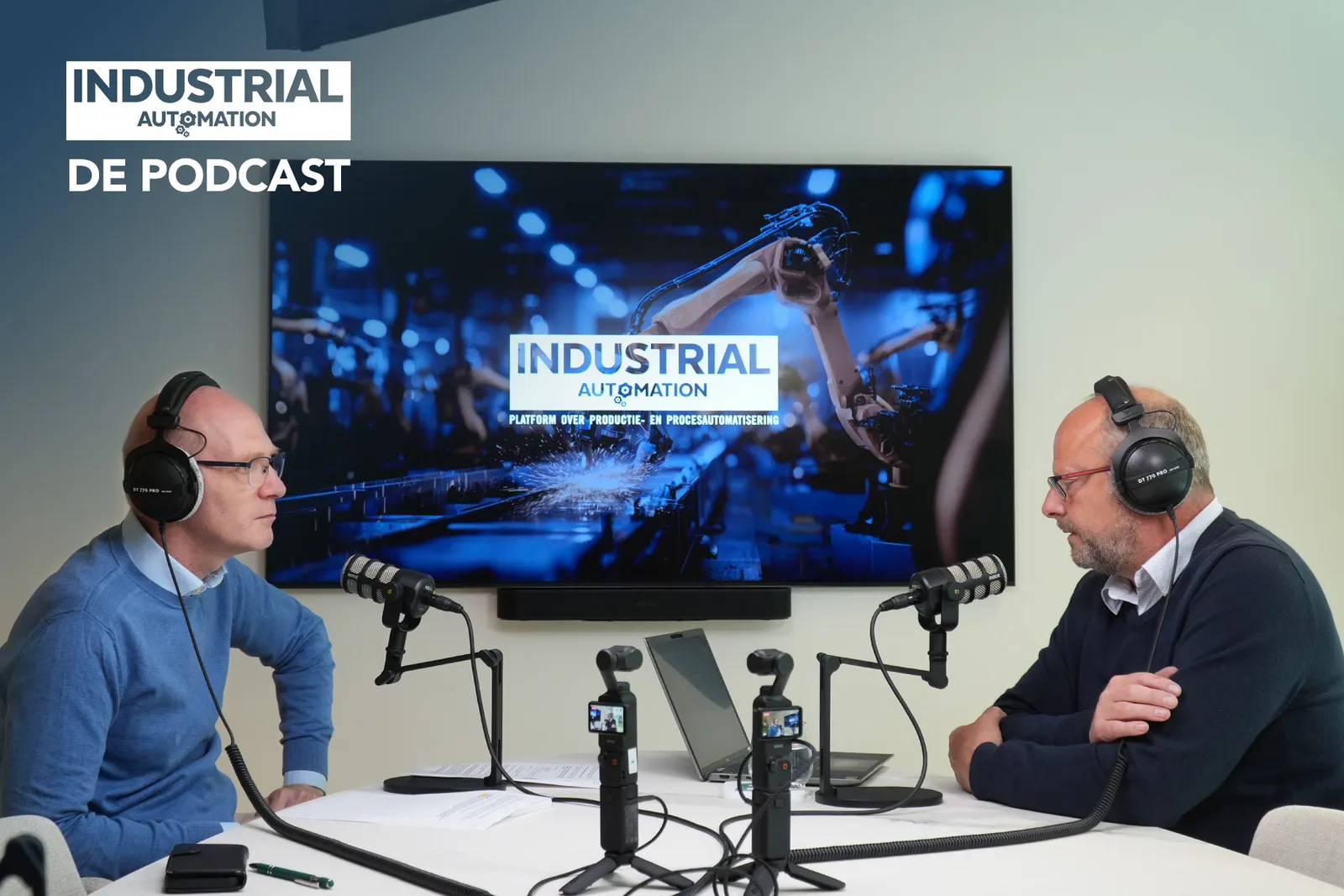
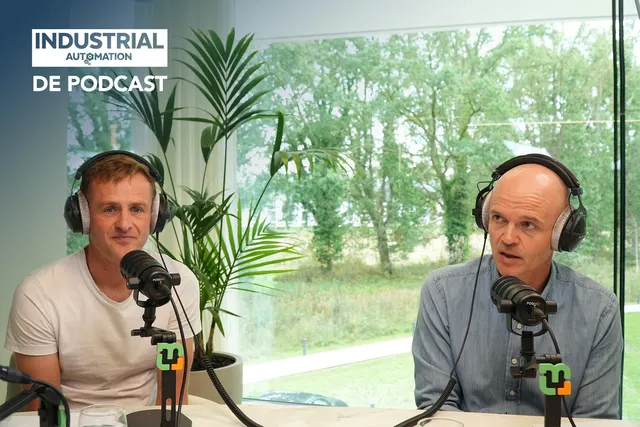
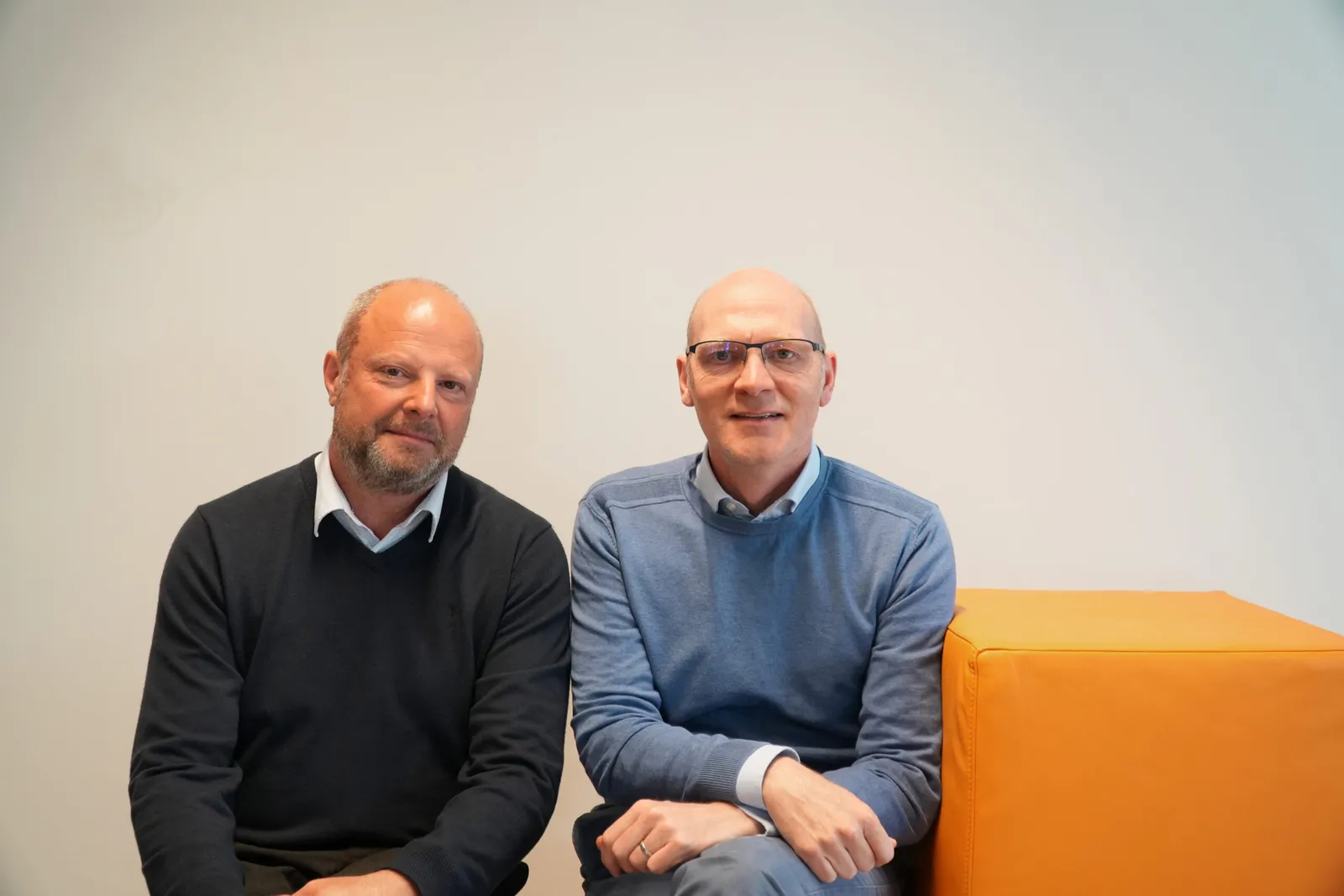
Machine builders are investing heavily in automation, robotics and intelligent safety systems. In this episode of the Industrial Automation Podcast, Björn Crul talks to Andy Verhofsté, Business Development Manager Industrie at ATEM NV / Wieland Electric, about the impact of safety PLCs, cobots, new European standards and AI in industrial environments. Applications for robot cabling, offshore wind energy and innovative solutions from Murrplastik are also discussed.
Een zakelijke vraag aan Atem NV? Get in touch
Full transcript
All chapters (21)
- Introduction
- Key trends
- Safety in machine building
- More complex machines
- Safety PLCs and safety relays
- Safety PLCs
- Safe communication
- Redundancy and fault detection
- Robots and cobots
- Cabling for robots
- Murrplastik solutions
- Quality and innovation
- New European rules for terminals
- New IEC and EN standards
- Flat cable
- Applications for the 5G16 flat cable
- Offshore wind sector
- Solutions for extreme conditions
- The future of industrial automation
- More applications and AI
- Closing
Introduction
Björn Crul Hello listeners, welcome back to the Industrial Automation Podcast. Which trends are shaping the world of machine building and automation? What do they mean for suppliers in the sector? ATEM, a distributor of high-quality electrical engineering solutions and part of Wieland Electric, is ideally placed to comment. My name is Björn Crul, and today I’m pleased to welcome Andy Verhofsté from ATEM to our podcast studio. Hello Andy, welcome.
Andy Verhofsté Good afternoon.
Björn Crul Your customers include installers, wholesalers, panel builders and OEM customers of machine builders. What trends are shaping the world of industrial automation?
Key trends
Andy Verhofsté The trends that are relevant to us are machine safety, robotics and sustainability.
Safety in machine building
Björn Crul Yes, that’s what we’re going to discuss today. Let’s go through them one by one. The first trend is safety, which is of course paramount for machine builders. More and more safety components are being integrated. What does that mean for you?
More complex machines
Andy Verhofsté Machines are much more complex than they used to be. In the past, we had fixed production lines, limited automation, little or no software and very little interaction with people. These days, however, we’re dealing with cobots, AGVs, AMRs, vision systems, AI controls, remote access, dynamic production lines and so on. This creates new risks: unexpected movements, software errors, cyberattacks, human interaction with robots, incorrect data or sensors, and things of that kind.
Safety PLCs and safety relays
Björn Crul Yes, hearing that, I can understand why safety is becoming increasingly important. And we’re seeing strong growth in safety PLCs and safety relays in your sector. So what’s the difference between those and the standard PLC we’re familiar with?
Read the full transcriptCollapse transcript16 more chapters
Safety PLCs
Andy Verhofsté A standard PLC controls processes. A safety PLC protects people and machines in a demonstrable and reliable way.
Safe communication
Björn Crul Yes, I hear you saying “demonstrable” and “reliable”. How is the safety of safety PLCs guaranteed?
Redundancy and fault detection
Andy Verhofsté Through redundant processors, self-tests and cross-checking, and possibly fault detection. In other words, safe communication.
Robots and cobots
Björn Crul And that brings us to the second trend. We’re seeing many factories investing in automation, with more cobots and robots appearing on the shop floor. You provide cabling solutions for these. What are the challenges in projects like these?
Cabling for robots
Andy Verhofsté Robots and cobots involve a lot of rotational movement, which puts extra strain on cables across multiple joints. This naturally leads to faster wear. We address this with our cobot or robot packs, which enclose the cables and guide them better as they move, reducing wear. They also eliminate snagging.
Murrplastik solutions
Björn Crul One of the product ranges you offer in this sector is Murrplastik’s solutions. What solutions are we talking about, and why are they the best in the sector?
Quality and innovation
Andy Verhofsté Murrplastik stands for quality and innovation. Its extensive portfolio and creative approach to finding solutions enable us to go a long way in developing the right solutions.
New European rules for terminals
Björn Crul The third trend is the new European rules for terminals, which will come into force from 2027. What exactly is changing?
New IEC and EN standards
Andy Verhofsté The changes are mainly driven by new IEC and EN standards. We have stricter testing requirements and a greater focus on push-in technology. Requirements for temperature, vibration and reliability are also higher, along with the indirect impact of the new European Machinery Regulation. The key recent change is the International Electrotechnical Commission standard for terminal blocks for copper conductors. Our new terminal block range, the new CELOS, meets these requirements.
Flat cable
Björn Crul In fact, you already have a product that fully meets these new requirements. Now, flat cable has many advantages in the Wieland range. Why would a customer choose this product today instead of conventional cabling?
Applications for the 5G16 flat cable
Andy Verhofsté We have a flat cable, the 5G16, for applications with many tap-off points. For example, to power motors on a conveyor belt. Its high flexibility, ease of use and reliability make it a solution that saves a great deal of installation time.
Offshore wind sector
Björn Crul I see you also focus on the offshore wind sector. Turbines have to withstand the elements. Which products in your range are designed for this niche?
Solutions for extreme conditions
Andy Verhofsté For this application, we offer cables together with specially adapted lighting, suitable for extreme conditions, both inside and outside the wind turbine. Magnets and connectors make this a reliable solution that can be installed and removed very quickly, which is particularly important during maintenance and repair work. We also supply bespoke UPS systems that act as backup batteries in the event of a power failure.
The future of industrial automation
Björn Crul Looking further ahead, how do you see the industrial automation market evolving over the next few years, and what exactly can customers expect from ATEM and Wieland Electric?
More applications and AI
Andy Verhofsté These markets will only become more important, with more and more applications. How a machine stops in an emergency is also becoming increasingly important, so that it can be restarted more smoothly. We also expect AI to grow in importance. This will allow us to complement existing passive safety systems with proactive intelligent solutions. Naturally, we’re keeping a close eye on these developments and are excited to see what the future holds.
Closing
Björn Crul Andy Verhofsté from ATEM, thank you for explaining all that. We’re now fully up to speed with the latest developments.
Andy Verhofsté Thank you.
Björn Crul And you, dear listener, if you’d like more news about industrial automation, be sure to visit industrialautomation.be. Thanks for listening, and until next time.
Companies in this story
Keep following this
Get an email when a new story is published. No account needed.
- ThemeRobots on the shop floor
- SubjectServices & solutions
- CompanyAtem NV