












“As an industry, we need to help spark interest in technical careers”
Text Björn CrulImage Louwers Mediagroep
Flanders’ industry continues to invest heavily in automation, digitalisation and sustainability. But machines and software alone are not enough. Making the transition to ‘Factories of the Future’ a reality also requires technical talent: people who can develop, implement and maintain new technologies. The shortage of such professionals threatens to put the brakes on growth at industrial companies. Siemens Belgium is therefore taking action to encourage young people to pursue STEM: Science, Technology, Engineering & Mathematics.
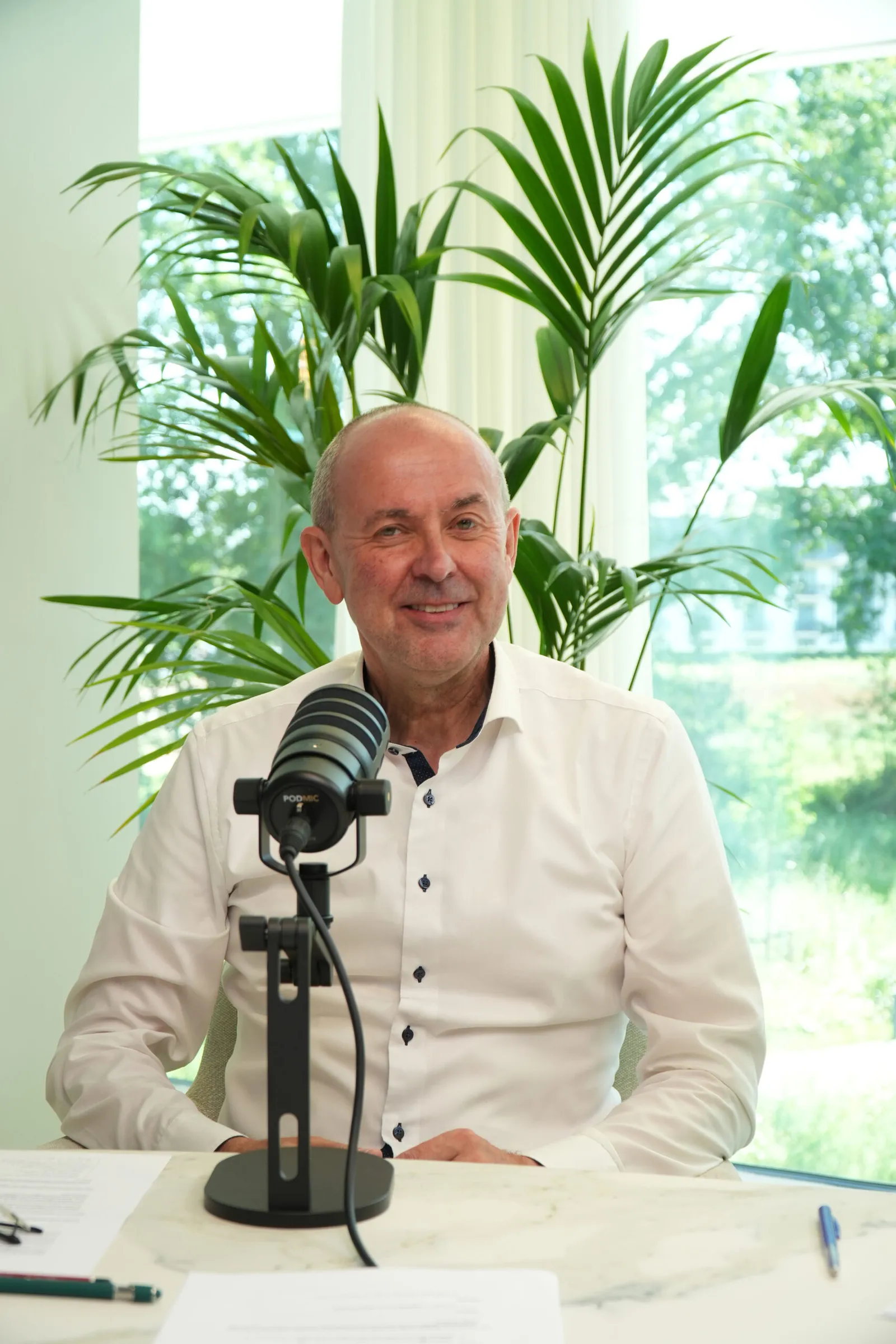
Many technical roles are listed as shortage occupations. Competition for the talent available is therefore fierce: companies are increasingly fishing in the same limited pool for engineers, technicians, electromechanics specialists, HVAC experts and people able to bridge operational technology and IT. “The shortage of technical professionals has really become a bottleneck to growth,” says Geert De Coninck, Business Unit Manager Industry Automation at Siemens Belgium. “It is slowing digitalisation and the energy transition across our industry, as these essential transitions for the future are now well under way.”
A double image problem
There is no single solution to the shortage of STEM professionals. According to De Coninck, there is even a double image problem: technical education is still too often seen as a second choice, while industry is associated with hard or dirty work. “That image is becoming increasingly detached from reality. Modern technicians work with robots, automation software and AI. They often use digital technology to develop practical solutions to societal challenges such as climate change and healthcare. That makes these jobs relevant and interesting.”
The traditional profile of a technician or engineer is changing too. A solid technical foundation remains essential when hiring, but other skills are becoming just as important. Katrien Valkiers, Communications Manager at Siemens Belgium, says: “Data, cybersecurity and the growing integration of IT and machinery are changing the working environment. Alongside technical and digital skills, we look for people who can think through problems, work well with others and, above all, remain eager to learn. Technology is evolving at an incredible pace.”
Siemens is doing its bit
Companies looking to attract technical talent therefore have a responsibility to encourage young people to choose a STEM pathway. “Education lays the foundations, but companies need to play their part through internships, work-based learning and long-term partnerships,” says Valkiers. “As an industry, we can show what jobs are available, how fascinating the technology in our factories is and the kind of impact employees can have on society.”
Siemens is working to foster this engagement from an early age. Through Little Innovators, the company introduces primary school children to technology with hands-on experiments, from building small wind turbines to simulating alarm systems. “Teachers are an important audience too. Every year, around 130 teachers take part in workshops on new technologies at Siemens. We also work closely with Regional Technological Centres, secondary schools, universities of applied sciences and universities,” De Coninck stresses. “By sharing our knowledge, we can bring real-world practice into the classroom and help courses keep pace with technology.”

Practical experience is a win-win
The technology company also offers students in higher education practical experience. One route is dual learning, which combines study and work experience. Another is the Siemens Industry Academy, set up six years ago. “Students, universities of applied sciences and universities work with our teams and industrial partners on innovative industrial projects,” says De Coninck. “Siemens provides the educational institution with the latest technologies, giving students the chance to explore the newest innovations. A partner company presents a real business challenge, and the educational institution then looks for a suitable student to take it on as a ‘problem-solver’. This gives the student exposure to authentic workplace situations and teaches them to apply technology to real problems. It is a win for Siemens, the partner company, the student and education.”
One of these programmes, run with Antwerp-based drone company Helicus, led to the design of a platform where drones can land at hospitals. “A landing site of this kind has since been built in Ieper. Drones are now transporting blood samples between hospitals more efficiently, significantly reducing transport times. These are the kinds of win-win projects we are looking for,” concludes De Coninck.
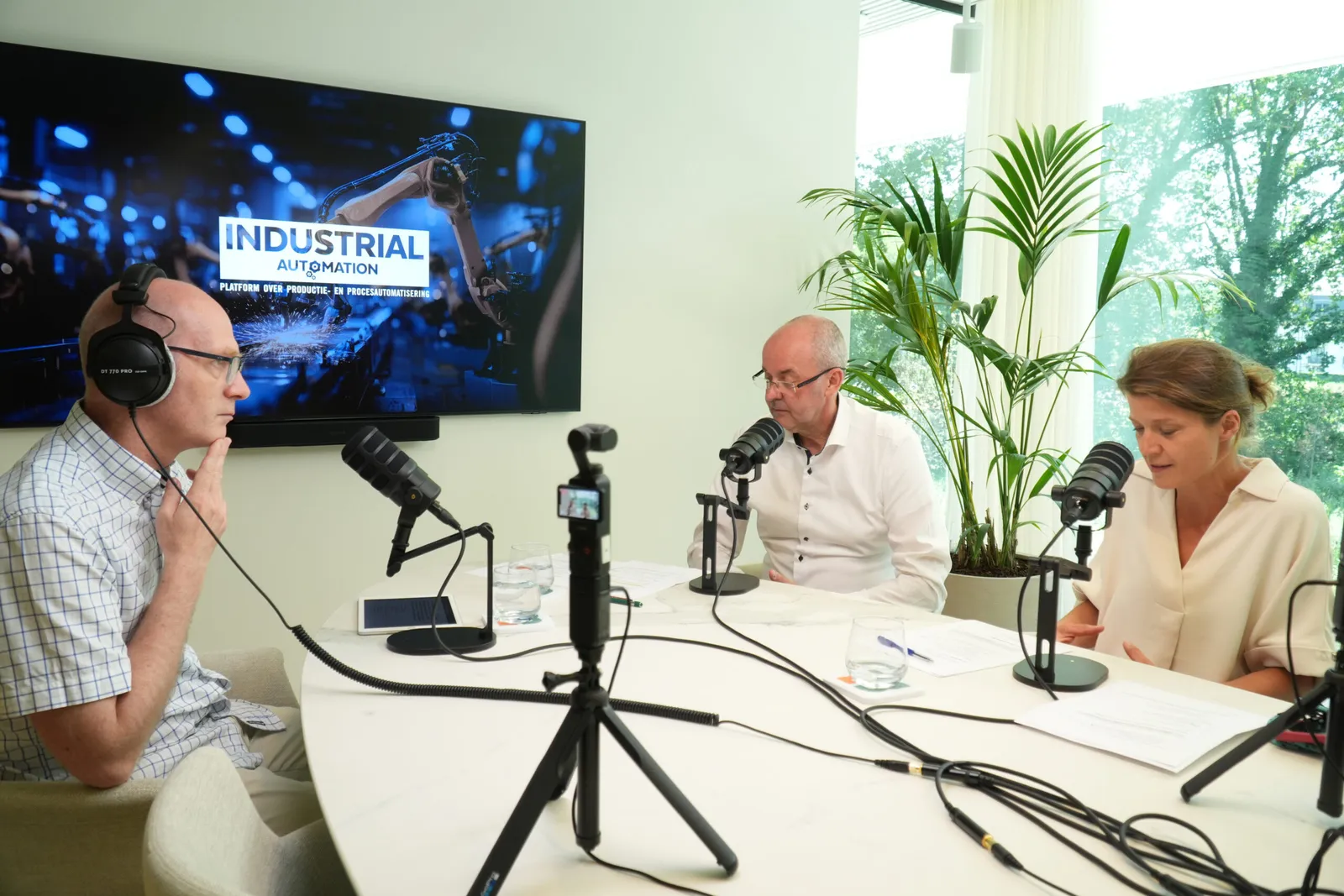
We spoke at length with Geert De Coninck and Katrien Valkiers of Siemens Belgium about the role companies can play in promoting STEM. Listen to the podcast using the accompanying QR code.
A business enquiry for Siemens NV/SA? Get in touch
Companies in this story
Keep following this
Get an email when a new story is published. No account needed.
- ThemePeople make automation possible
- SubjectNews
- CompanySiemens NV/SA







