What does the future hold for optical sensors?
Text Valérie CouplezImage Leuze electronic
Small, smaller, smallest
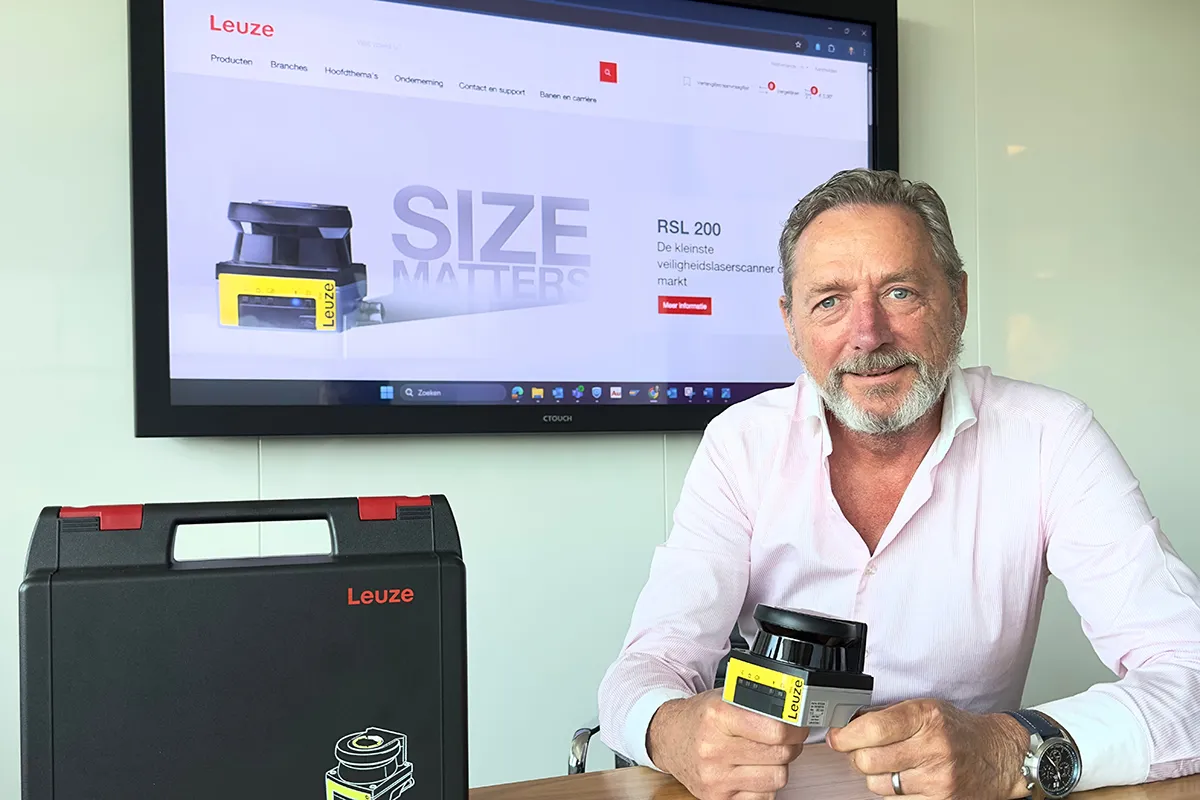
As a family business, Leuze electronic has always liked to go against the grain. When everyone was struggling to get hold of electronic components after the pandemic, Leuze kept delivering, because it places orders three years in advance. This long-term vision is building ever greater trust in the market and driving growth. In recent years, the company has been firmly set on a course towards more solution-oriented thinking. “What problems do customers encounter? What do they really need to solve them? That is the starting point for new developments.” A conversation with Rob Vrijburg, Regional Director for Western & Northern Europe, about developments in optical sensors and what the future holds.
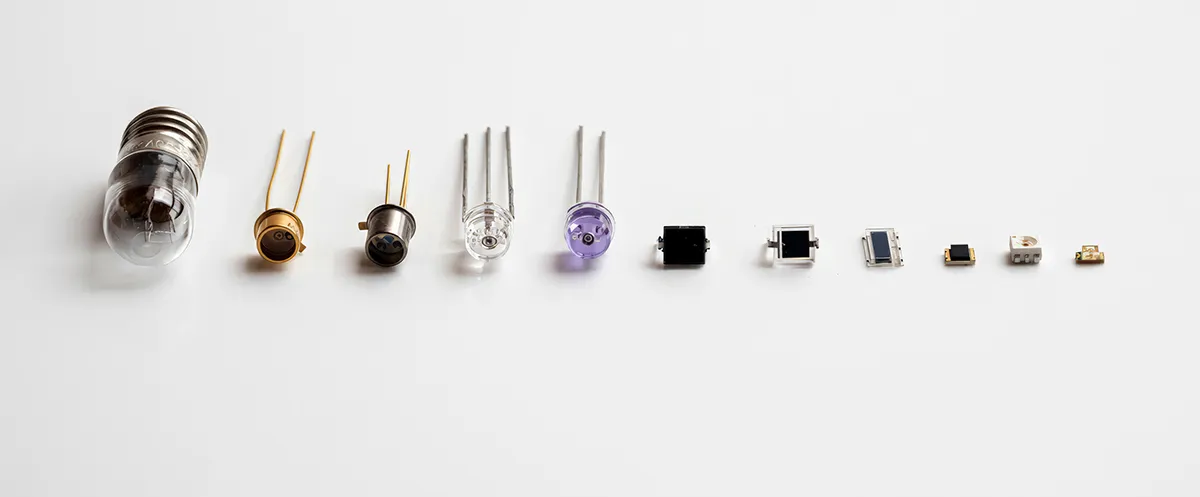
What is his main observation? “Looking at developments in optical sensors, you can see that they are getting smaller and smaller. When I started out, more than ten years ago, you needed a trolley on wheels to take five units to a customer. They were too big and heavy to carry. Today, we are at the other end of the spectrum: you have to make sure the sensors are still big enough to mount securely. I’m exaggerating, of course, but ultimately you will reach your limits. Though even that can be addressed cleverly by creating integrated solutions that already contain everything needed to offer customers a compact, complete solution. We can already do that, for example, with our light curtains.”
Small and safe
For now, at least, the pinnacle of this ‘small, smaller, smallest’ trend is Leuze’s RSL 200, the most compact safety laser scanner on the market. But it is also very much ‘on trend’ for another reason. Vrijburg explains: “In recent years, we have seen manufacturing companies looking for ways to gain more control over their processes. The various fieldbus systems traditionally used to communicate with higher-level systems have therefore been replaced or supplemented by OPC-UA technology. This allows data to be sent to the cloud, helping companies around the world to improve inventory management, optimise maintenance through predictive analytics, detect failures in advance, and even use AI to process everything. These are very exciting developments, but we have now woken up to a new world in which machine safety also means cybersecurity. That is why we call our RSL doubly safe: it ensures that people and machines can work together safely, and it cannot be hacked because it does not communicate with the outside world. If users still want to benefit from what modern data communications have to offer, they can do so via our app, outside their own company network.”
Getting better all the time
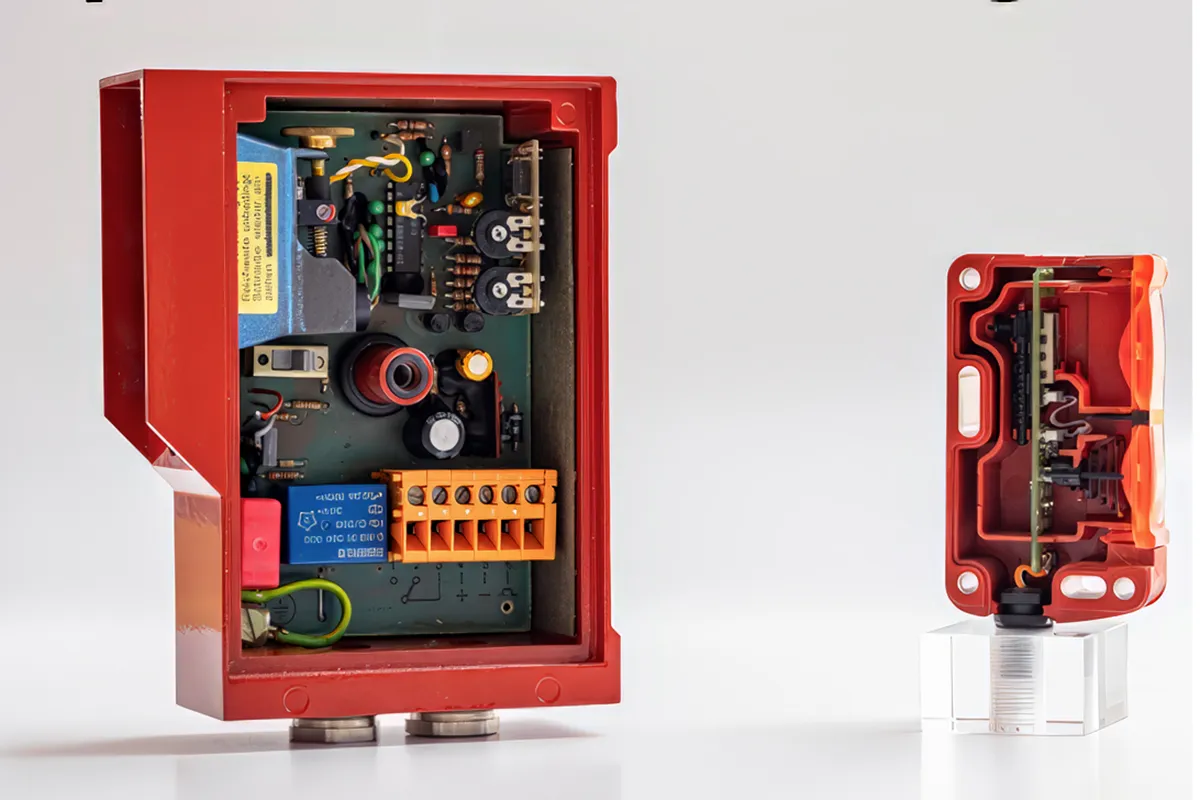
There have also, of course, been major changes to the light sources used by optical sensors. “We went from normal light to diodes, and then to red light, which offered better visibility. The introduction of lasers in optical sensors was another step forward, because it made the beam narrower. The latest innovation is Power PinPoint LED technology, which maintains the light beam’s size, shape and homogeneity across the entire operating range. With every step, we have given optical sensors greater capabilities, more accuracy and more reliability.”
The fact that most companies are switching to LED lighting in production areas and warehouses as part of their sustainability efforts, often operating at the same frequency, does not affect Leuze’s sensors. “We have great software and a smart chip for that. We are also seeing a lot of change in this area. New versions used to come out every five years; now it is every year, each time with the latest memory blocks.”
Solutions that work
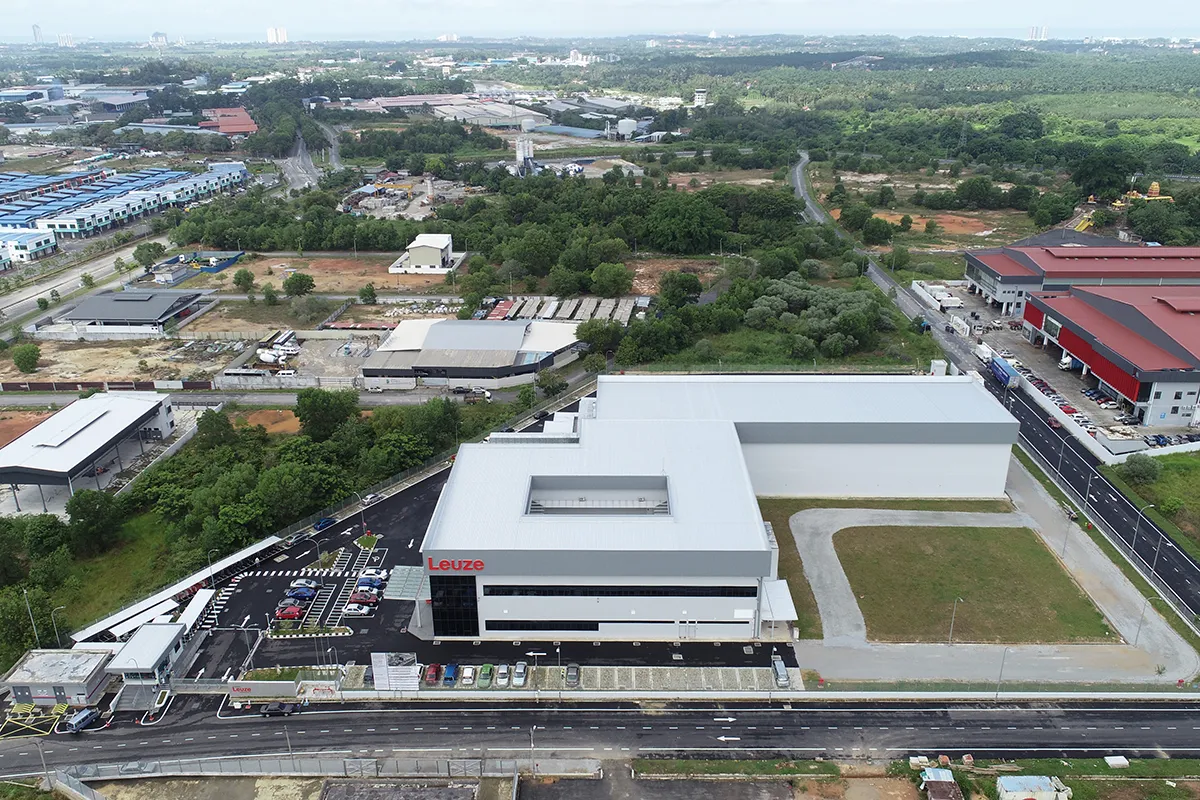
Optical sensors are clearly still alive and kicking. Will we ever run out of things to say about them? Vrijburg is convinced we will not. “Even in today’s and tomorrow’s digital world, you still need sensors. And optical sensors remain the best choice for many applications because they detect accurately, without contact and with exceptional reliability. But what we are seeing is that know-how may become even more important than the sensor itself. Industrial environments and applications are becoming increasingly complex. You need expertise and experience to make sure solutions are robust. We may not always have the very best sensor for the application in question, but we always have a solution that works well for our customer. After all, you don’t need an F1 car to go to the supermarket,” Vrijburg concludes with a wink.
Een zakelijke vraag aan Leuze electronic nv/sa? Get in touch
Companies in this story

Keep following this
Get an email when a new story is published. No account needed.
- ThemeProcess measurement and control
- SubjectSensors & vision
- CompanyLeuze electronic nv/sa