












Software, IT, OT & cybersecurity
Robot development complexity is shifting towards software
Text Alexander PilImage Vectioneer
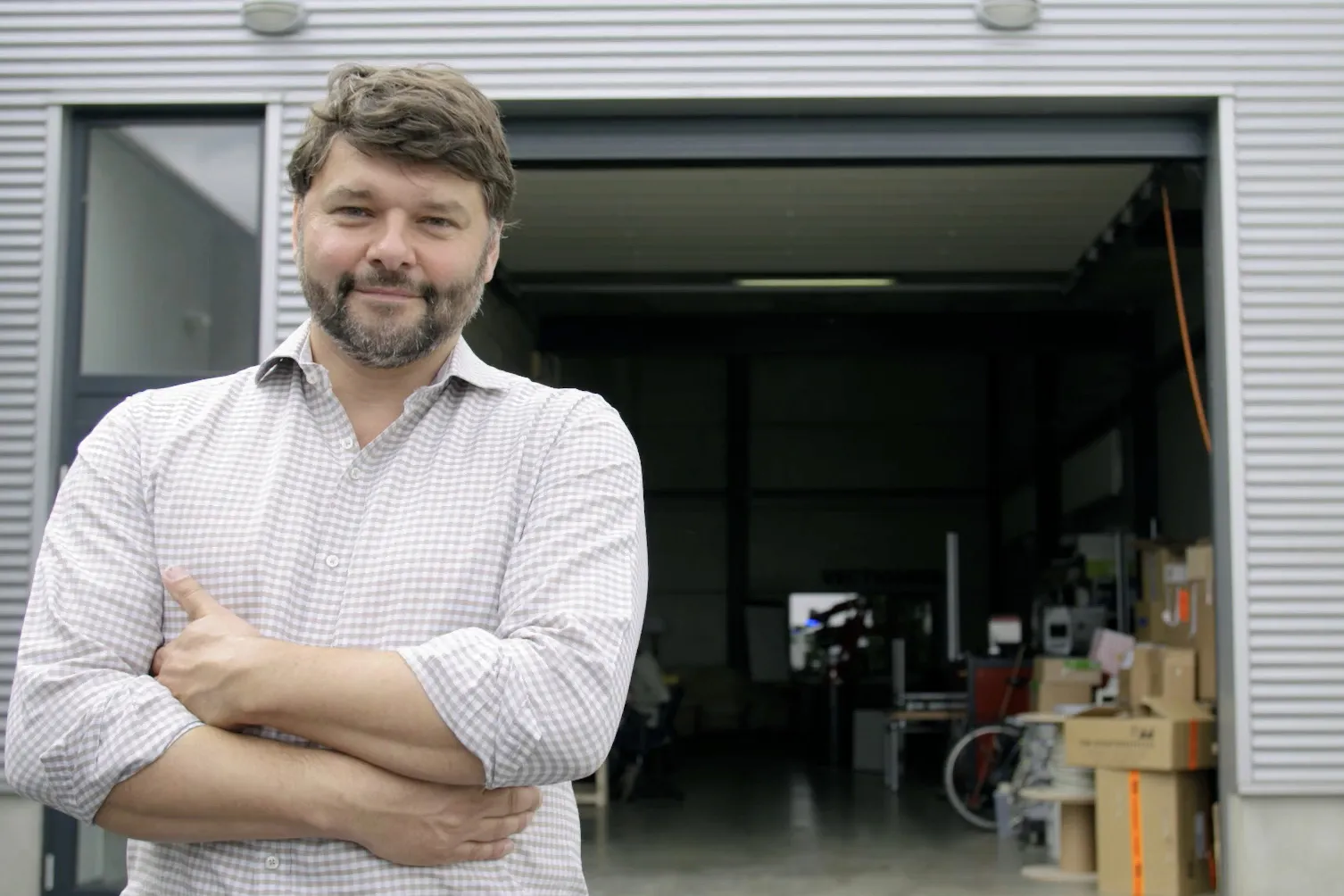
Robots are getting faster, smarter and more numerous, but complexity beneath the surface is growing exponentially. Philippe Piatkiewitz of Vectioneer sees engineers struggling with this and is opting for greater modularisation and openness.
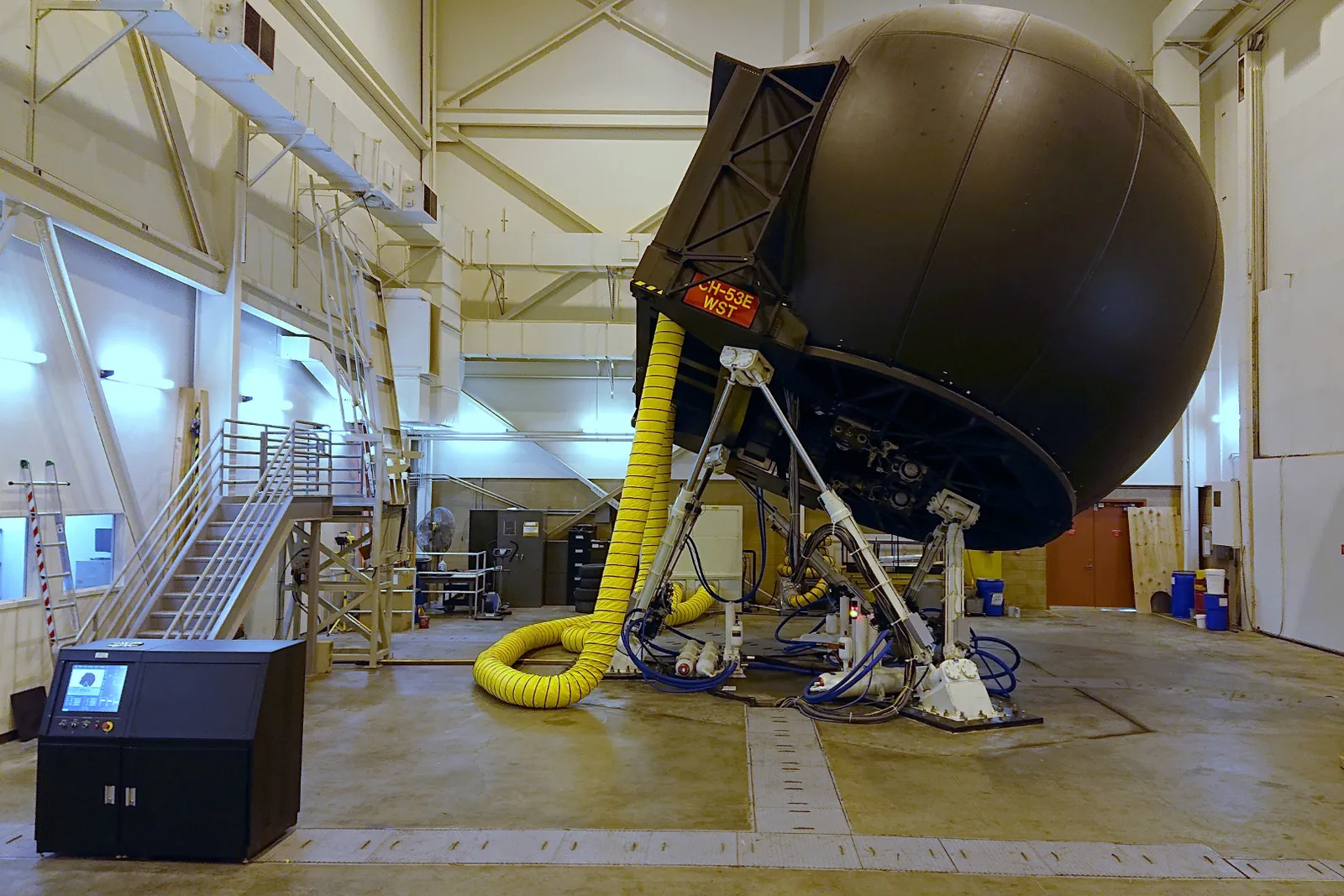
An Opel Kadett from the 1980s had hardly any electronics. ‘Maybe a few electrical components, but everything was mechanical,’ recalls Philippe Piatkiewitz of Maastricht-based Vectioneer. ‘But that has changed completely. Complexity has grown exponentially.’ He sees the same development in robotics. ‘Even the simplest little robot has a huge number of components: cables, connectors, actuators, sensors. On the software side, you have safety, security, over-the-air updates, AI models and motion control,’ he says. ‘It gets extreme with humanoids in particular. They are heavy and potentially dangerous. What happens if one of these robots falls over?’
Building with Lego
According to Piatkiewitz, the way engineers work has failed to keep pace. ‘Building a robot today feels like standing in a room full of Lego and having to assemble something brick by brick. You get manuals for all the individual components, but no one tells you how to connect them all. The same applies to software. You get libraries, frameworks and building blocks, but you have to work out for yourself how to put it all together.’ Piatkiewitz is therefore a strong advocate of modularisation in robotics: ‘Imagine having a robot joint with the motor, gearbox, sensors and electronics all integrated into one housing with connectors.’
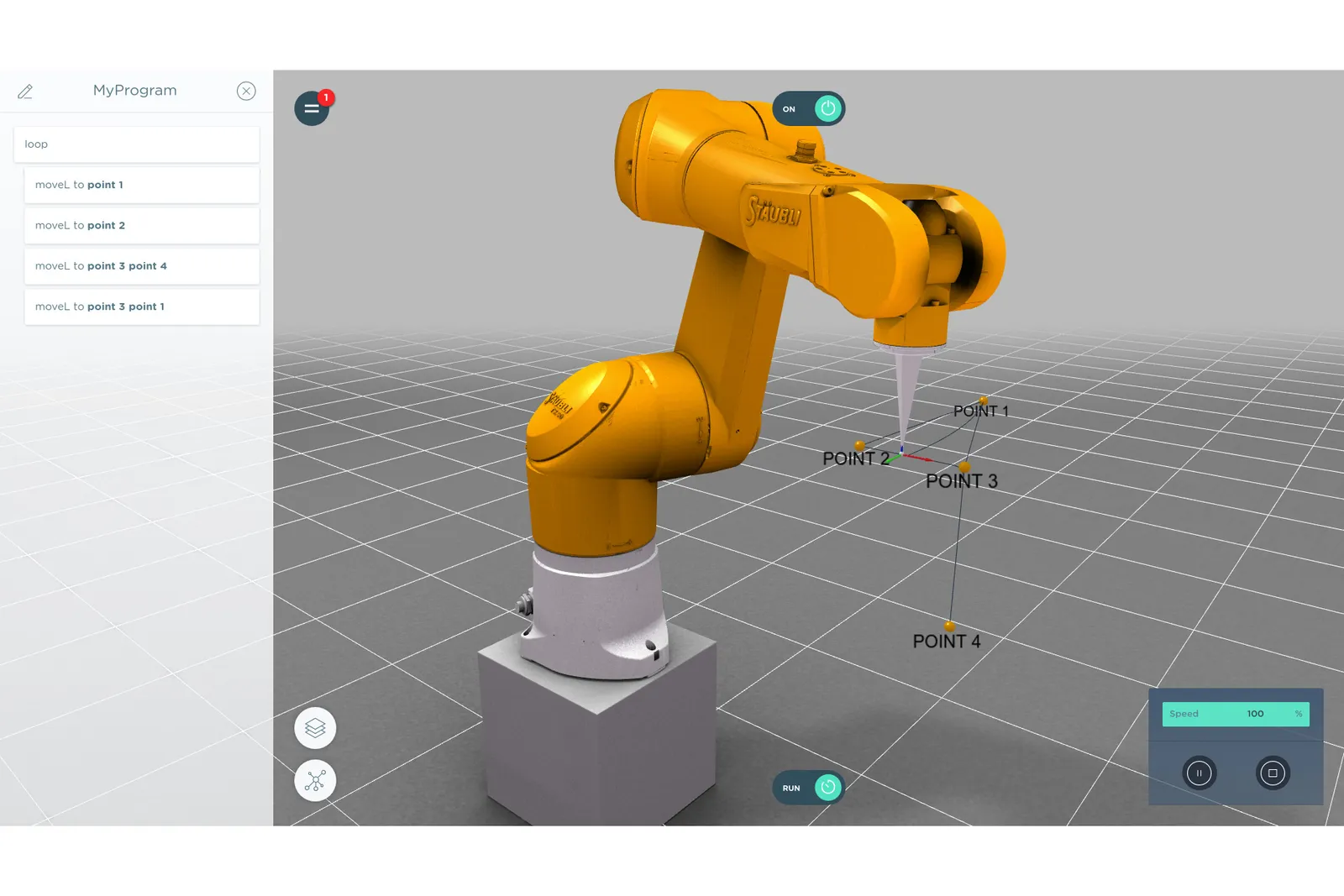
That shifts the complexity to the software, which calls for a different approach to software development. Piatkiewitz says: ‘We used to build a new application for every use case. At Vectioneer, we bring everything together in a single, generic application that is modular. Users of our Motorcortex package can start with something that is already largely functional. Within a few days, they can show a customer something that is already 80 per cent of the final solution. Then you configure what you need and add the rest.’
Openness
Vectioneer is developing a cloud-based platform for low-level machine control, right at the boundary between hardware and software. ‘Many companies use ROS for high-level control, including vision and AI, but when it needs to communicate with the hardware, you need an intermediary layer,’ says Piatkiewitz. ‘That’s where we come in. We take that complexity off engineers’ hands.’ This positioning makes the system hardware-independent. ‘Big players are pushing lock-in through their hardware, whereas we want hardware to remain interchangeable. By moving the intelligence into software, you can decouple components and design more flexibly.’ In practice, the company adapts to the market. ‘Customers often ask for a complete solution. That’s why we work according to “no code, low code, any code”, so we can provide both complete applications and configurable software.’
He says the answer is not another new standard. ‘You often hear that we need a single industry standard to solve everything, but I don’t believe that,’ says Piatkiewitz. ‘Everyone can have their own system, but you must be able to connect them. That means open interfaces and open APIs. You don’t necessarily have to make your software open source, but you do have to ensure that others can communicate with it. That’s perfectly normal in IT; Google talks to Microsoft. OT is lagging a long way behind in this respect, and that needs to change quickly.’
Question about this story? Ask your question
Keep following this
Get an email when a new story is published. No account needed.
- ThemeRobots on the shop floor
- SubjectSoftware, IT, OT & cybersecurity







