












Safety, robotics and AI are shaping the future of industrial automation
Text Kris VandekerckhoveImage Leonie Snauwaert
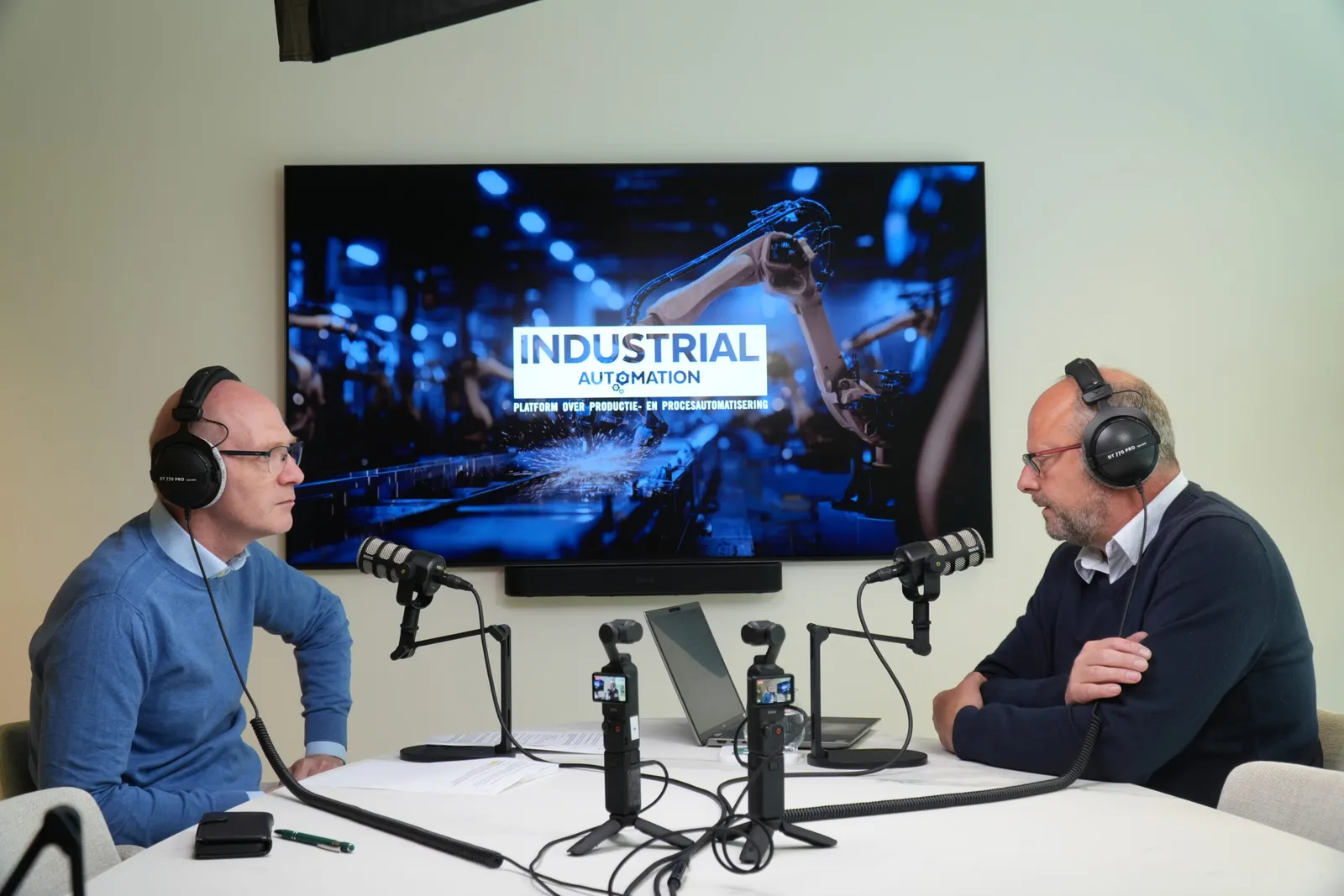
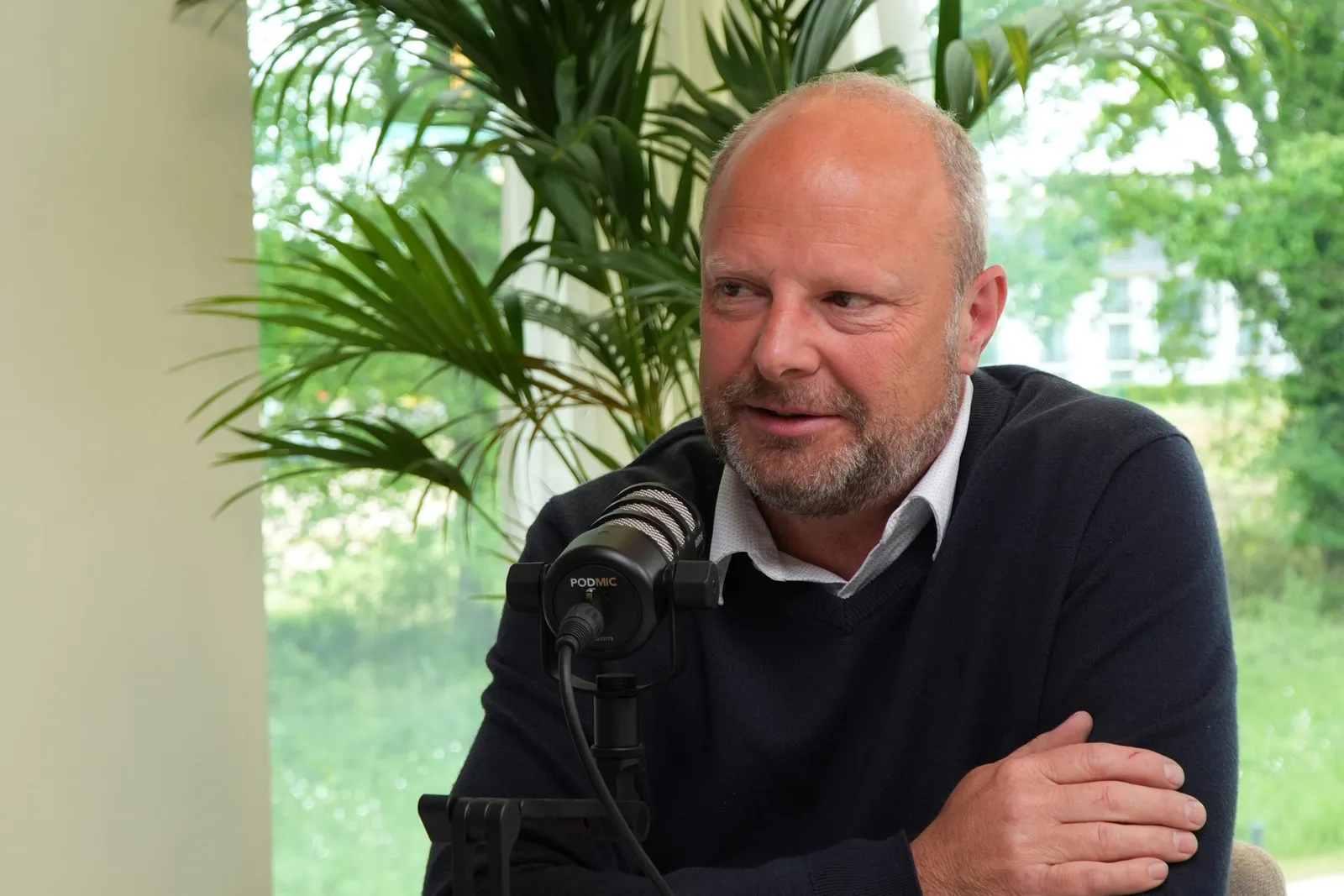
Machines are becoming more complex, robots and cobots are gaining ground, and standards and safety requirements are evolving too. For ATEM nv / Wieland Electric, machine safety, robotics and sustainability are therefore three key trends in industrial automation. Andy Verhofsté, Business Development Manager Industry, explains what these developments mean for machine builders and their suppliers.
Today’s industrial production environment looks significantly different from the way it used to. Machine builders now have to deal with cobots, AGVs, AMRs, vision systems, AI controls, remote access and dynamic production lines, all at a breakneck pace. According to Andy Verhofsté, this growing complexity also brings new risks, including unexpected movements, software errors, cyberattacks, human interaction with robots, and faulty data or sensors. As a result, machine safety is becoming an increasingly important priority.
Safety PLC protects people and machines
One solution that is gaining importance is the safety PLC. Verhofsté draws a clear distinction between this and a conventional PLC: “A standard PLC controls processes. A safety PLC protects people and machines in a demonstrably reliable way. This safety is ensured through measures including redundant processors, self-tests, cross-checking and fault detection. Safe communication also plays an important role.”
At the same time, the industry is looking beyond how a machine comes to a halt in an emergency. According to Verhofsté, it is also becoming increasingly important to control exactly how it stops, so that the system can be restarted more easily afterwards.
Cabling adapts to robotics
Alongside safety, robotics is another major development. More and more factories are investing in automation, robots and cobots. This also places specific demands on cabling. “Robots and cobots make many rotational movements, putting extra strain on cables across their various joints,” Verhofsté explains. These movements can lead to faster wear. ATEM addresses this with cobot and robot packs that guide the cables as they move. This reduces cable wear and the risk of cable snagging.
In this area, ATEM works with solutions from Murrplastik, among others. Verhofsté highlights both the broad portfolio and the scope for developing creative solutions for specific applications.
New requirements for components
The market continues to evolve in terms of standards too. Verhofsté points to new IEC and EN standards, more stringent testing requirements and a growing focus on push-in technology. Higher demands are also being placed on temperature resistance, vibration resistance and reliability. He says the new European Machinery Regulation will also have an indirect impact.
With its new CELOS terminal block range, Wieland Electric is responding to these changing requirements. Another product in the range is the 5G16 flat cable, designed for applications with many tap-off points, such as supplying power to motors on a conveyor belt. Its combination of flexibility, ease of use and reliability is intended primarily to save time during installation.
Solutions for offshore applications too
ATEM also targets the offshore wind sector. For wind turbines, the company offers cables and specially adapted lighting designed for extreme conditions, both inside and outside the turbine. The use of magnets and connectors allows the solutions to be installed and removed quickly, which Verhofsté says is important for maintenance and repairs. The offering also includes custom-made UPS systems that act as backup batteries in the event of a power failure.
Verhofsté expects the various automation markets to become even more important in the years ahead: “I also see artificial intelligence playing a greater role. AI can complement existing passive safety systems with proactive, intelligent solutions. We are, of course, keeping a close eye on developments and looking to the future with interest.”
Een zakelijke vraag aan Atem NV? Get in touch
Companies in this story
Keep following this
Get an email when a new story is published. No account needed.
- ThemeFrom design to flexible machine
- SubjectServices & solutions
- CompanyAtem NV







