












Software, IT, OT & cybersecurity
Everything you need to know about the Machinery Regulation
Text Valérie CouplezImage Louwers Mediagroep
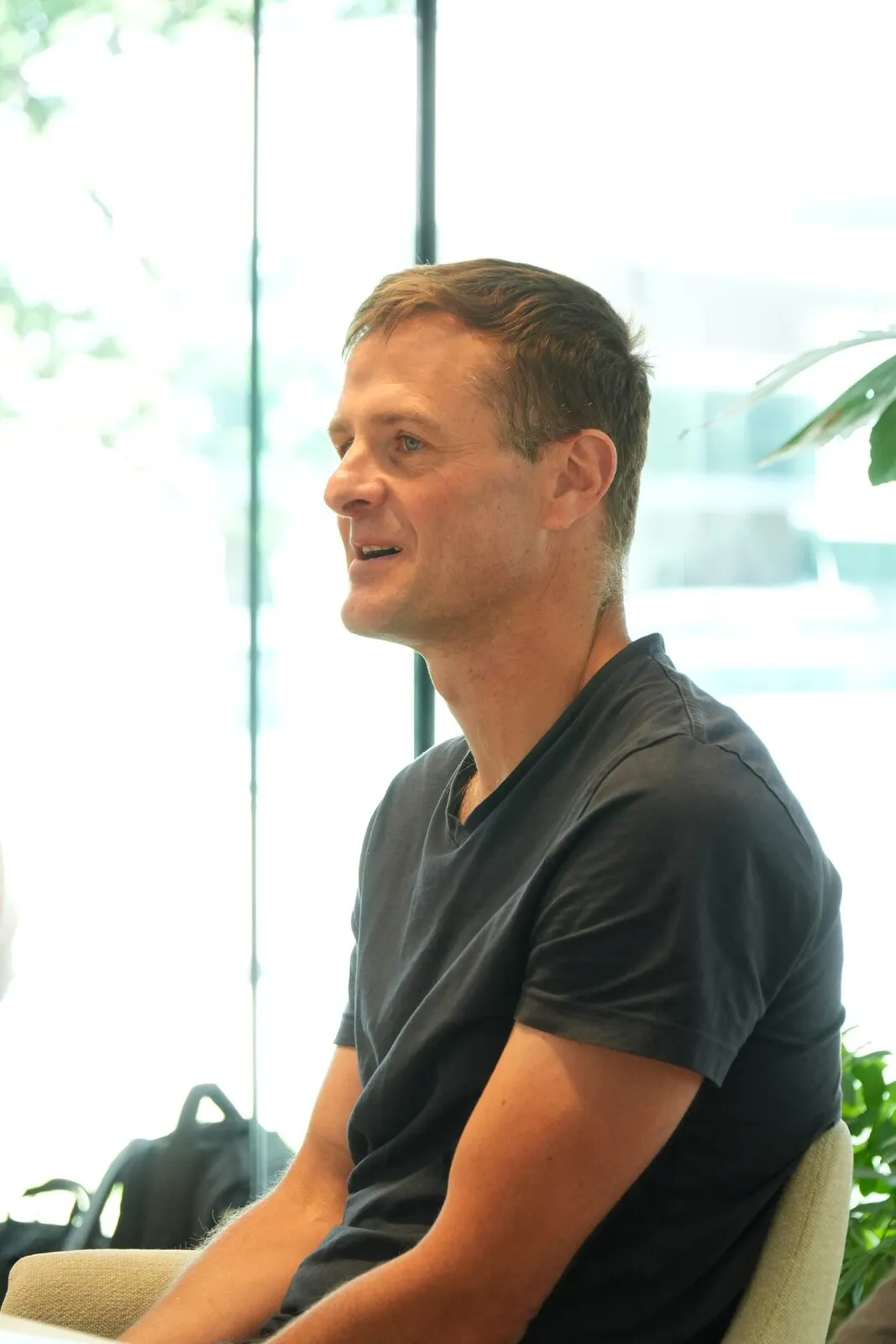
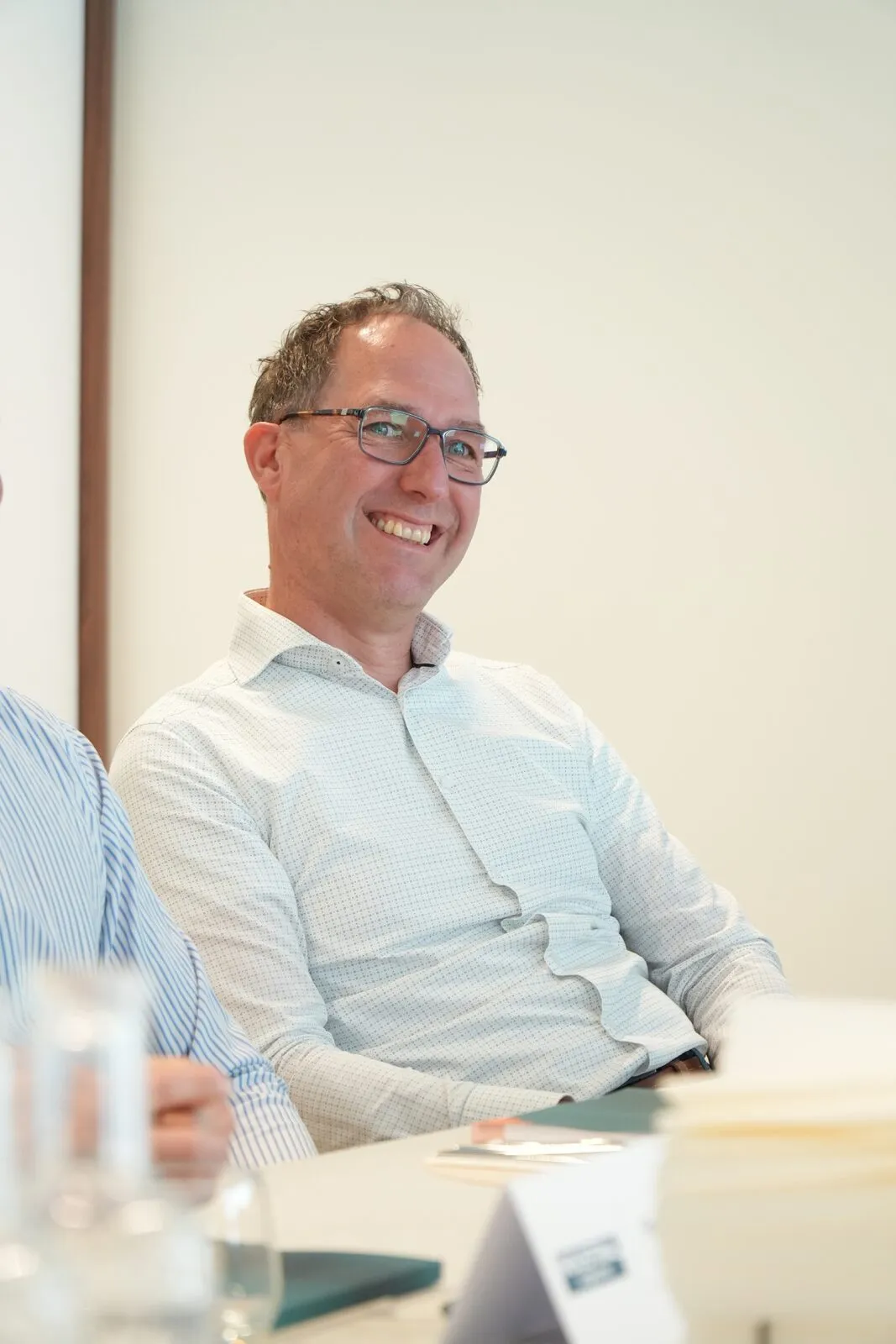
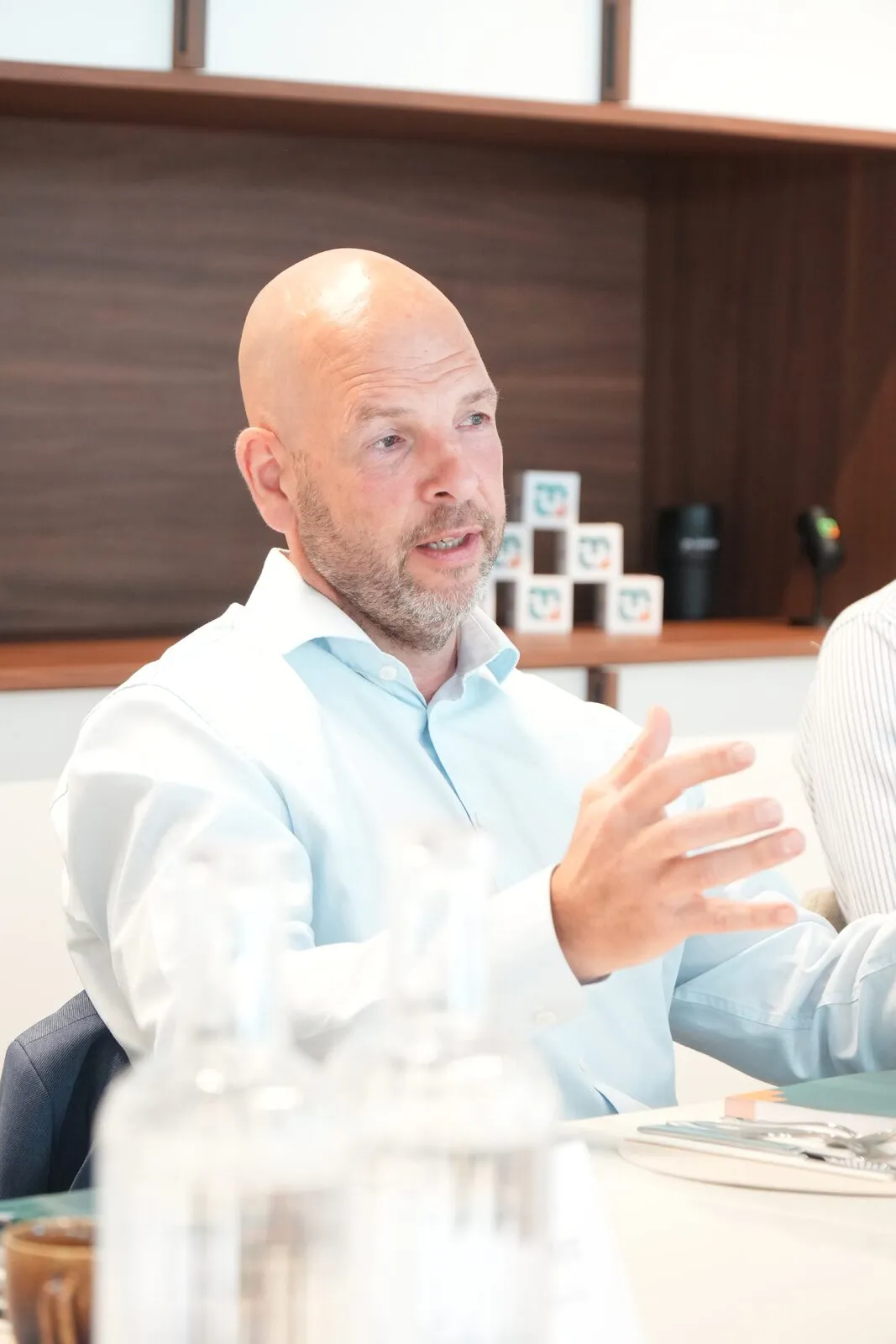
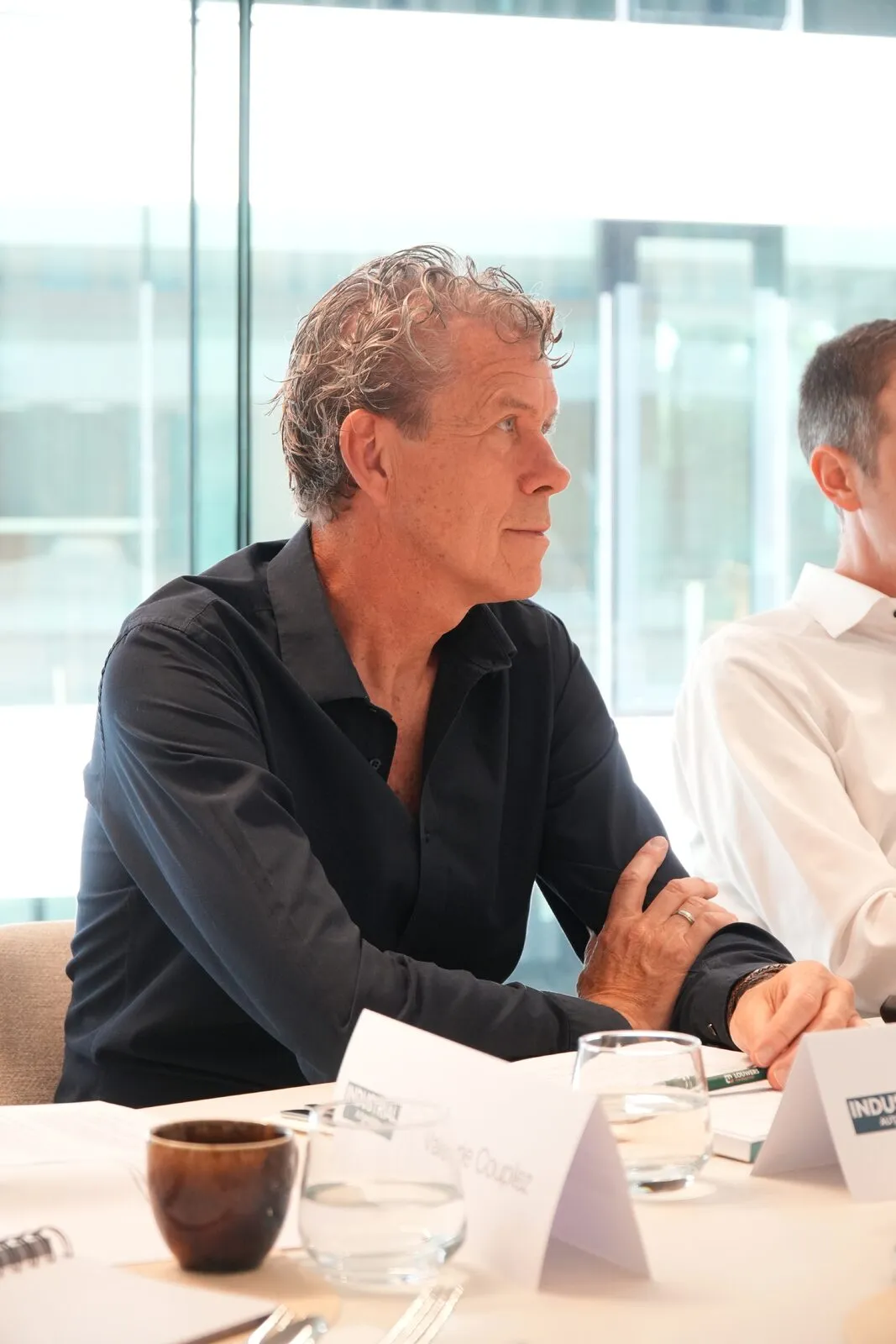
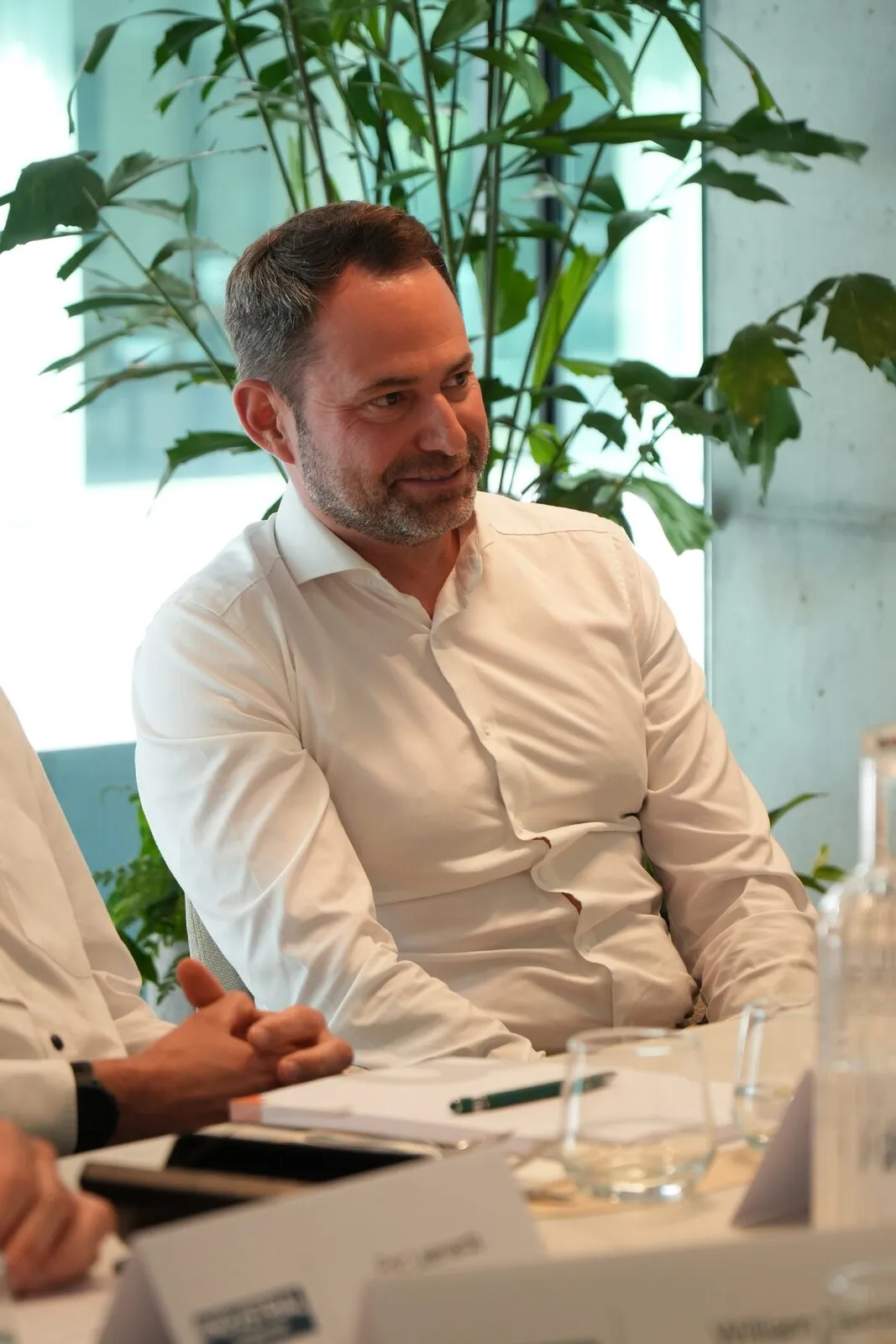
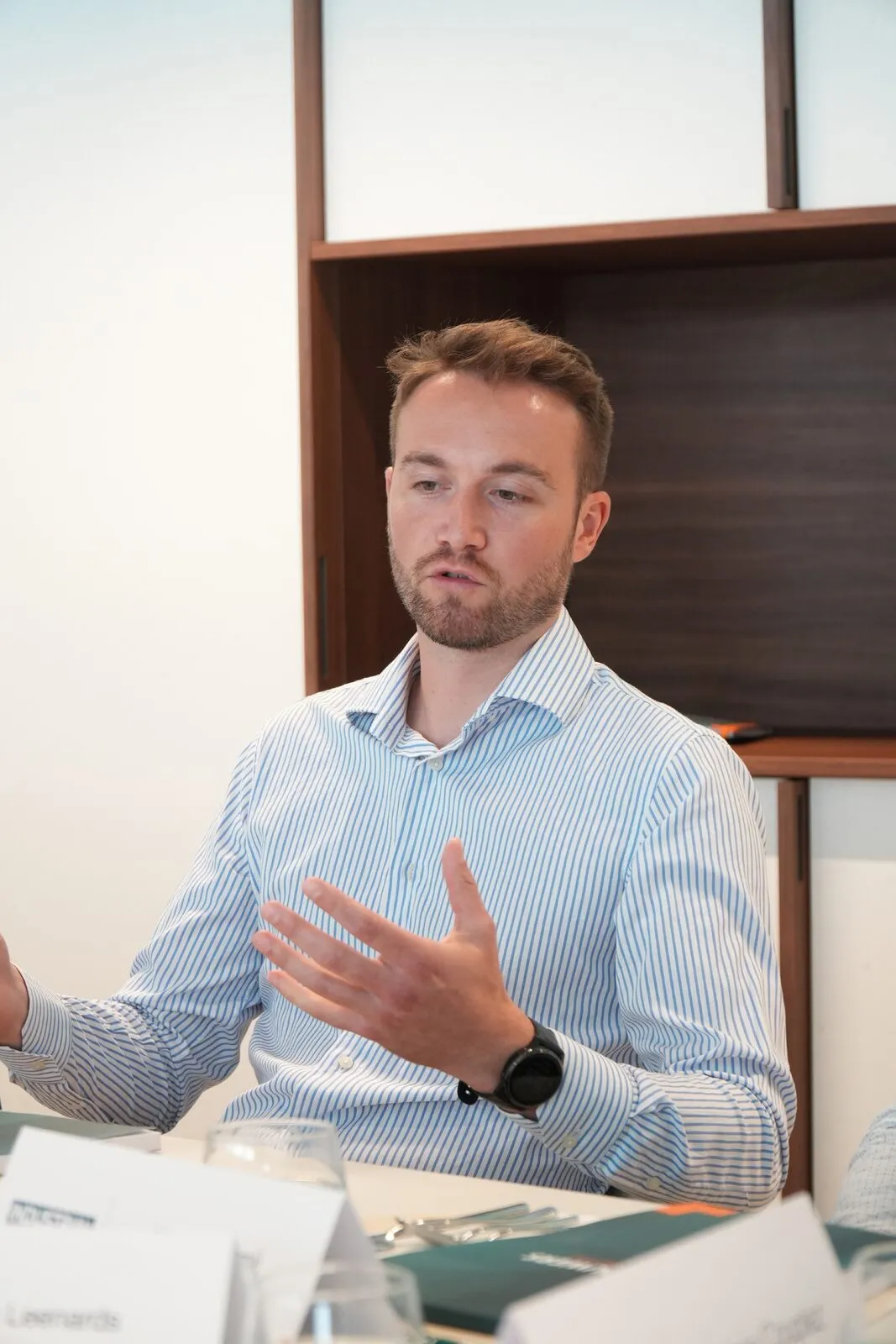
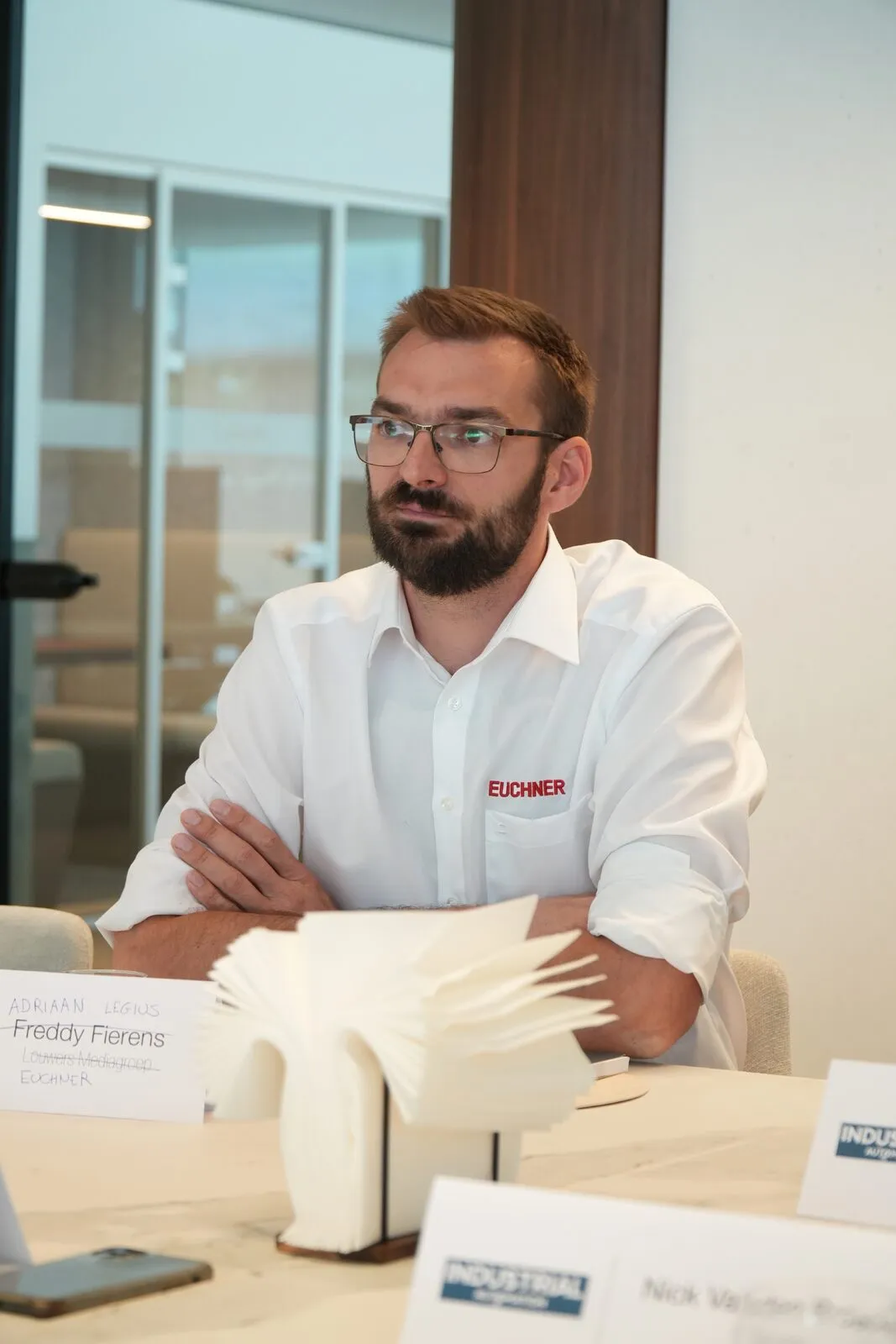
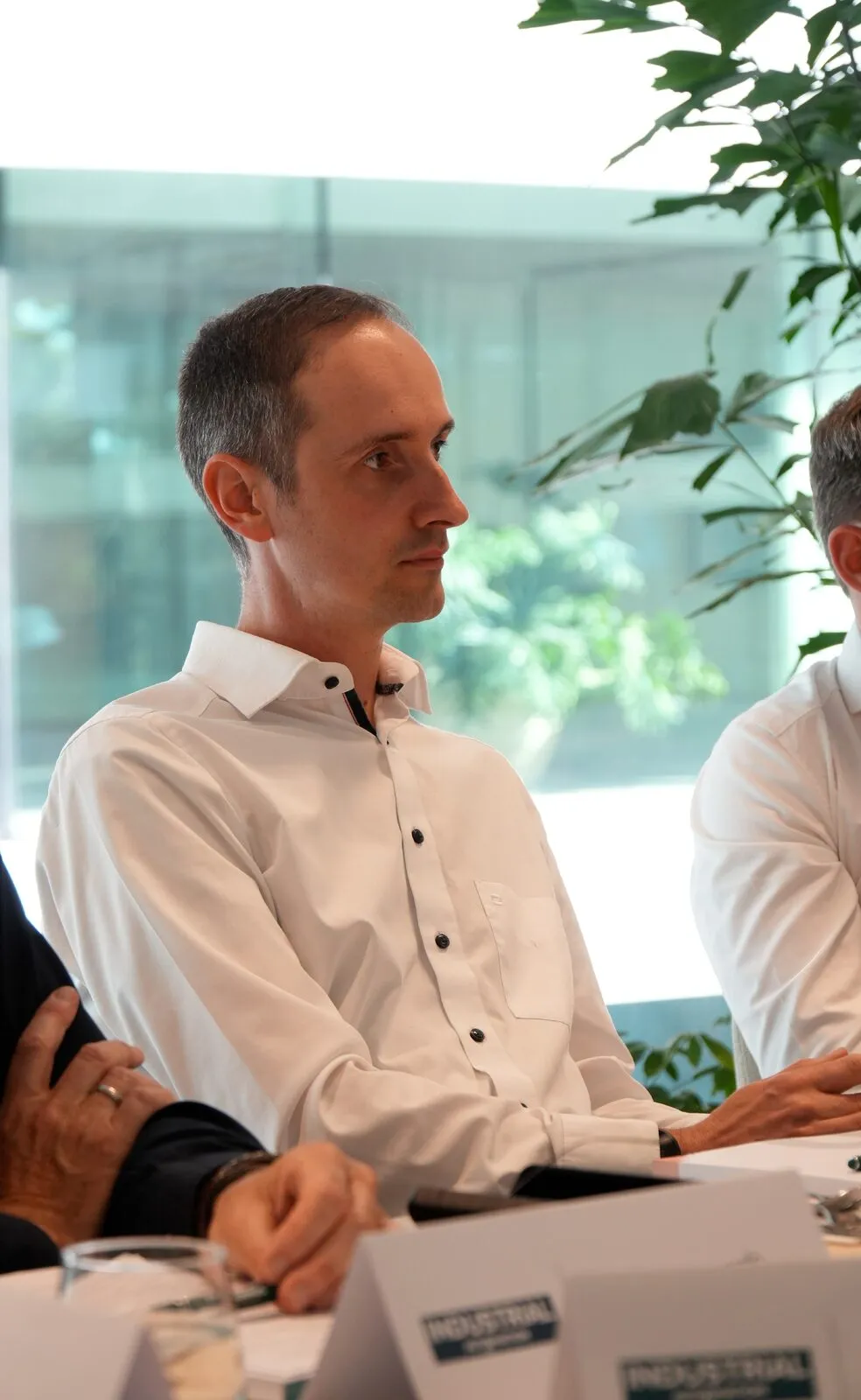
The new Machinery Regulation comes into force in 2027. Check your diary: that’s already tomorrow. To help you prepare for what lies ahead, Industrial Automation brought the entire value chain together in June. The discussion did not focus on the technical details of this substantial document, but rather on the impact it will have and what machine builders need to do to comply. Pieter-Jan Bernaerts (fortop), Timen Floré (Vintiv), Christophe Huyghe (SPARQ), Eric Leenards (Leuze electronic), Adriaan Legius (Euchner), Remy Van Bokhoven (Schmersal), Nick Vanden Broecke (Siemens) and William Vermij (fortop) made for a lively discussion.
The impact of the previous Machinery Directive can hardly be overstated. “It gave safety awareness a tremendous boost,” says Timen Floré, director at Vintiv. “The introduction of performance levels and the associated risk graph for determining safety circuits received a great deal of attention. This accelerated the acceptance of machine safety. Everyone knew it was important, but since then it has been taken more seriously in one way or another. I expect the same now.” Perhaps the biggest difference between the old Machinery Directive and the new Machinery Regulation lies precisely in their names. Remy Van Bokhoven, managing director of Schmersal, says: “Because it is a regulation, it applies directly in all European Union countries. It no longer needs to be transposed into local legislation, with all the potential differences in interpretation that entails.”
Greater need for safety rules
Adriaan Legius, safety services engineer at Euchner, has noticed that there is genuine interest in the market in exactly what is changing in practice. “We planned to hold three roadshows on the subject. In the end, we held fourteen, each attended by forty people. People really are looking for information.” According to Christophe Huyghe, safety expert at SPARQ, this trend is also partly driven by changes in the workforce. “People used to stay with the same company for longer. The operator running the machine, or the technician maintaining it, knew exactly what to do to work on it safely. That’s different today. Staff turnover is higher, operators speak different languages, and there is less time to train them … I recently visited a site where an operator had lost the tips of two fingers. The emptying valve was blocked. He thought he could fix it by undoing the screw underneath while the machine was still running, with all the consequences that entailed. He simply hadn’t been given the right instructions. That’s why there is now a greater need for guarding and safety measures, and for rules governing them. With the Machinery Regulation, companies want to raise their standards another notch, so that safety becomes increasingly robust.”
Bringing safety up to date
Safety often starts with usability. “I recently came across a machine where all the adjustment points were inside the guard. What are you supposed to do? Start the machine, go and have a look, stop it, go inside, turn the levers, go back out … Of course those safety systems get removed,” says Legius, recalling an example. “We carried out the analysis, modified the guards and moved everything outside them. The job isn’t done just by putting everything inside the guard. If you do that, you haven’t thought safety through properly as a manufacturer, because you haven’t removed the ‘motivation to defeat’ the safety measures. That is also covered by the new rules.”
Eric Leenards, solution sales at Leuze electronic, is clear on the point: “Just as it is important to embrace new technology to keep pace with market developments, you also have to follow the new rules of the game. Ultimately, this will be one way for us to stand out globally in terms of quality, although it may take a while for that to be recognised. But the new Machinery Regulation has been brought up to date by also addressing automation, artificial intelligence, cybersecurity …”
The competitive race
Nick Vanden Broecke, Siemens head of sales OEM, is not convinced that it will give companies a competitive advantage. “The previous Machinery Directive came about at a time when far fewer safety components were used. There was also a commercial business model behind it in Europe. Technology manufacturers could promote safety PLCs. What does that mean for us today? Machine building is largely an export business. We may be seen as the benchmark, but what good is that if our machines become too expensive? We have to build up a great deal of knowledge to implement the new rules, and that comes at a cost.”
Leenards also warns against this. “A company I visited had bought a packaging machine in China for a third of the price. But it didn’t have the right CE marking. They thought it would be enough to add a safety cell to make the whole thing safe. Of course, that’s not how it works, but if the penny doesn’t drop …” It costs money not only to make the machine itself safe, but also to provide all the documentation needed to demonstrate compliance. “The success of SpaceX has everything to do with this. NASA used to spend only 10% of its time building rockets, with the rest devoted to documentation. At SpaceX, it was the other way round. You still need to keep your business moving quickly,” says Floré.
Software: the biggest changes
This is especially true of software, where the most significant changes to the rules have been made. Van Bokhoven says this calls for a completely different way of working. “You have to think more about the entire lifecycle. How will I roll out my updates? How will I keep my machine cyber-secure? What is well protected today may no longer be so tomorrow. Machine safety will become a much more dynamic issue,” he predicts. “Cybersecurity brings an entirely new field into the picture. Most of us have a purely electromechanical background. If we want to offer complete solutions, we will have to work with cybersecurity specialists.”
For Legius, the focus is on cybersecurity, and the underlying principle is effectively reversed. “It’s no longer about protecting the operator from the machine, but protecting the machine from people.” Floré raises a concern. “And what if you can’t keep up with the pace of these developments? Do we really need to be connected and be able to do all these things? Shouldn’t we think more carefully about the connectivity of our machines? Especially when they are used in environments where the risks are high, such as nuclear power plants.” Van Bokhoven is thinking along the same lines. “I have a feeling that a trend will emerge towards decoupling that part of safety, to make it more manageable.”
Opportunities for innovation
Pieter-Jan Bernaerts, account manager at fortop, says: “I think the administrative burden on machine builders will increase in any case. But we will make progress on the IT front, because they will be required to make their machines more robust against cybercriminals. That may prove to be the most important achievement of the new Machinery Regulation. Companies will know that buying a certified machine does not bring additional risks into their premises. That peace of mind is particularly valuable for those who have been attacked before.”
Vanden Broecke agrees and sees opportunities in the challenge. “The new Machinery Regulation provides a framework for connecting assets safely. I am firmly convinced that it will prove to be an innovative step forward. If machine builders can access information about how their machines are actually used in the field, they can tailor their designs and services much more effectively. To be honest, we still see a lot of overengineering in machine building today. That is precisely because we lack that insight. The new regulations will have a genuinely positive impact in that respect.”
Accessing the European market becomes harder
“The end user remains responsible for protecting their products. European machine manufacturers may even have an edge in Europe itself, because it will be even harder for machine builders from outside Europe to get to grips with the new Machinery Directive,” Bernaerts adds. “The responsibilities of importers and distributors are also described more clearly now. It’s a positive development to emphasise that further,” says Huyghe.
A necessity
William Vermij, senior account manager automation at fortop, thinks it will not be easy to reconcile all these new developments with safety technology. “Technology offers opportunities, but how do you certify algorithms for self-learning machines? How do you ensure that the model behind them is sound? Because that’s the world we’re heading towards. There are fewer and fewer operators and fewer doors around the robot, but more components are needed to make it safe.” Floré therefore does not expect a radical shift: “Because many harmonised standards are not ready yet. But ultimately, safety should be reconciled with the major digital developments coming our way, such as physical AI and humanoids. And that is a necessity.”
With thanks to Pieter-Jan Bernaerts (fortop), Timen Floré (Vintiv), Christophe Huyghe (SPARQ), Eric Leenards (Leuze), Adriaan Legius (Euchner), Remy Van Bokhoven (Schmersal), Nick Vanden Broecke (Siemens) and William Vermij (fortop) for their valuable input.
Question about this story? Ask your question
Companies in this story

Keep following this
Get an email when a new story is published. No account needed.
- ThemeSafe and resilient installations
- SubjectSoftware, IT, OT & cybersecurity
- CompanyVINTIV
- CompanyEUCHNER
- CompanySchmersal







