












Software, IT, OT & cybersecurity
Transition to AI-supported agents
Text Valérie CouplezImage iStock and Valérie Couplez
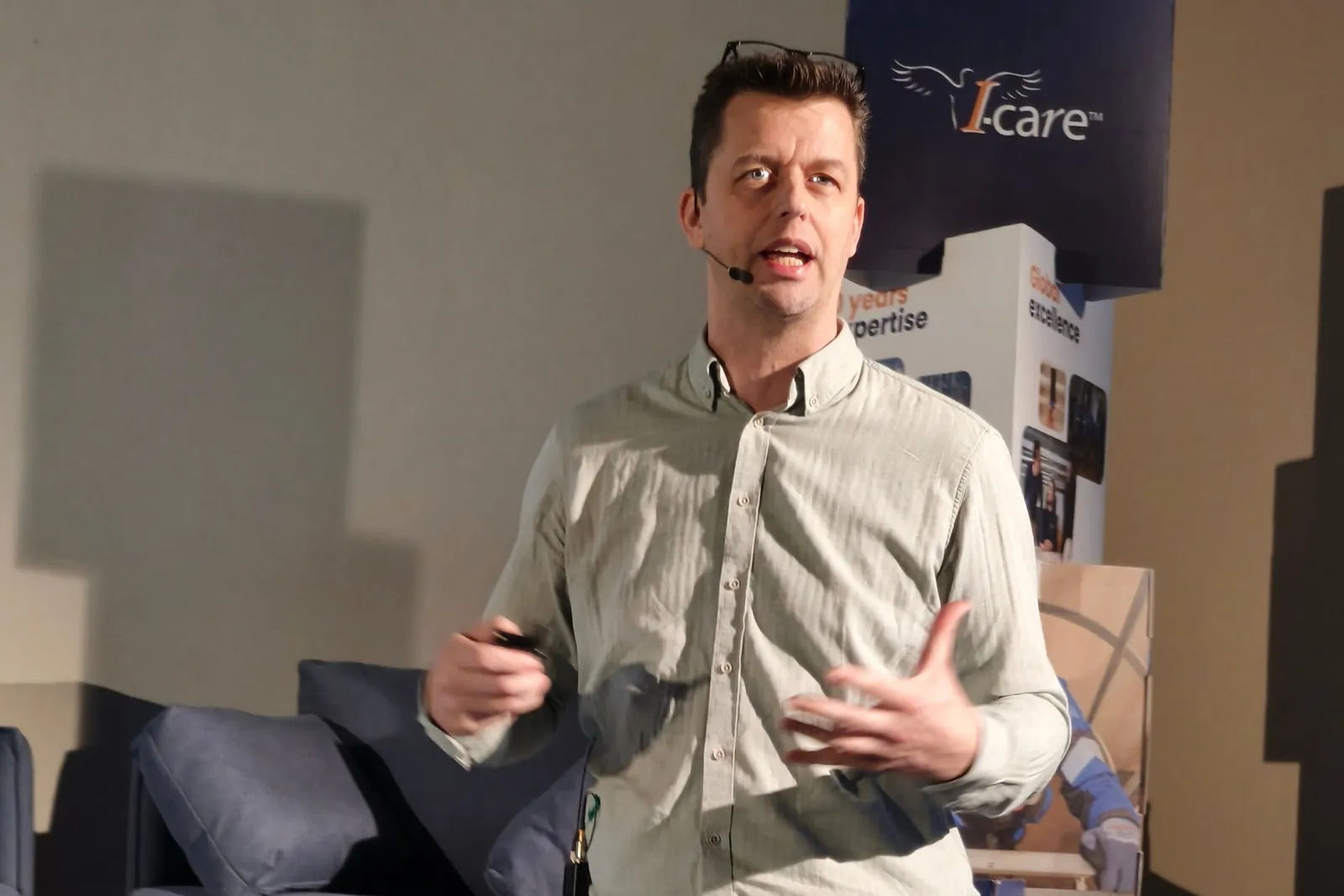
At the recent Maintenance trade fair, BEMAS once again took over the Wednesday evening programme with its awards show, highlighting best practices from the world of maintenance. Before the winners were announced, attendees heard Peter Van Hees share his insights into AI agents in maintenance. Industrial Automation was in the second row and has packaged them for you in this article.
Maintenance is at a turning point. Sensors measure everything. CMMS and EAM systems are full of data. Predictive maintenance is growing rapidly. We have embraced Software 2.0, algorithms that recognise patterns in vibration data and calculate RUL. And yet the pressure continues to mount: greater complexity, higher availability requirements, labour shortages and an increasing administrative burden. What if the next leap forward lies not in even better predictions, but in systems that understand objectives, plan actions and execute workflows themselves? AI agents are taking us from dashboards to digital colleagues. From signals to decisions. From prediction to proactive action. But how did we get here, and what are the next steps?
From mobile-first to agent-first
Let’s start with a misconception. AI is nothing new. At seventy years old, it has already reached retirement age. But to make the applications we are seeing emerge in maintenance today possible, it had to go through a learning curve. We are now at the end of the mobile-first wave. Apps, dashboards and standalone tools have become excellent instruments, but people are still at the centre. We are the middleware that brings everything together. However, we cannot take this much further. How does Van Hees know? The new iPhone offers few new features, just a higher price tag. Digital 4.0 introduces something fundamentally different: instead of mobile-first, we are entering the age of agent-first. Systems that anticipate, rather than wait for someone to click.
A leap towards proactive AI agents
Today’s most advanced systems can predict failures. We have brought this together under the banner of predictive maintenance. AI agents go further: they understand objectives such as uptime, cost efficiency or safety, and take action themselves. They plan interventions, coordinate with SAP or EAM, communicate with suppliers, generate reports and learn from feedback. This is where we make the leap from pattern recognition to cognitive autonomy. At the heart of agentic AI are large language models (LLMs). Their strength? It took Chrome two to three years to build its browser, whereas coding agents can now do it in a week. AI agents are currently right at the top of Gartner’s hype cycle. As a result, there is plenty of ‘agent washing’ going on. But to earn that label, an agent must be autonomous and proactive, and have its own memory. The latter is essential for continuous learning and improvement. Where will they be by next summer? Van Hees is convinced they will already have passed the ‘Trough of Disillusionment’. Things are moving fast.
From experiment to industrial reality
Does the human disappear from this story? No, they take on a new role: one of supervision, validation and strategic decision-making. AI agents may have superpowers that enable them to process vast amounts of data, understand context and continuously improve themselves, but orchestration remains in human hands. We are moving from predictive maintenance to agile maintenance, from insight to action, within the guardrails set by your organisation. What does this mean in practice for maintenance teams? Less time wasted on administration, better allocation of scarce expertise and a shift from execution to orchestration. Should we be worried? Experts predict that 92 million jobs will be lost by 2030. Van Hees predicts that if you do nothing and fail to embrace new technology, you will be among those 92 million. But he counters that AI will also create 170 million new jobs: machine learning managers, prompt interaction designers, synthetic data specialists … We will still need people for critical thinking, systems thinking, ethical reasoning and human judgement.
Conclusion
Maintenance need not be left behind in AI. Quite the opposite. With its combination of data, critical assets and clear KPIs, this is a sector that can make the shift to agent-first faster than many think.
Question about this story? Ask your question
Keep following this
Get an email when a new story is published. No account needed.
- ThemeLess downtime through maintenance
- SubjectSoftware, IT, OT & cybersecurity







