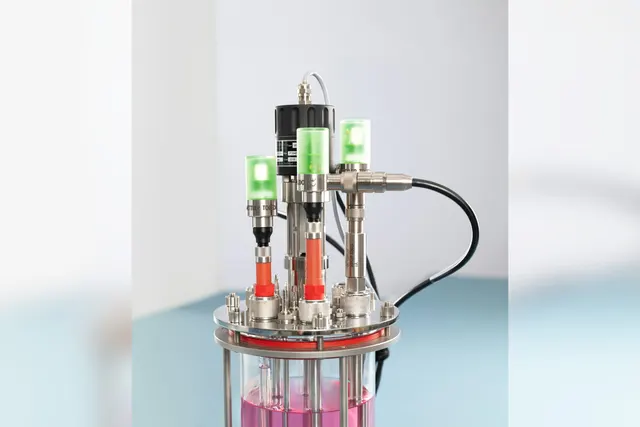
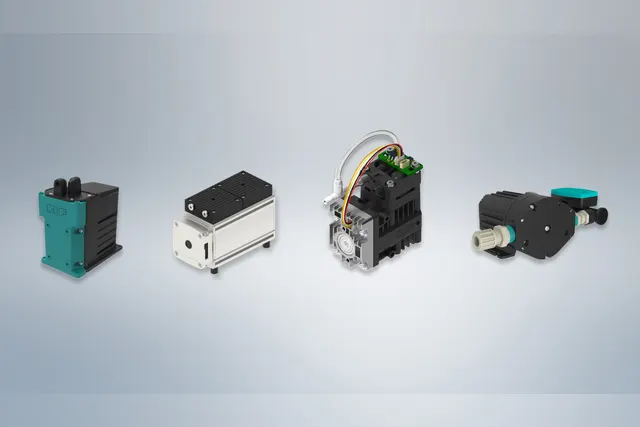
Level detection: a prerequisite for safety, efficiency and environmental protection
Text and images VEGA
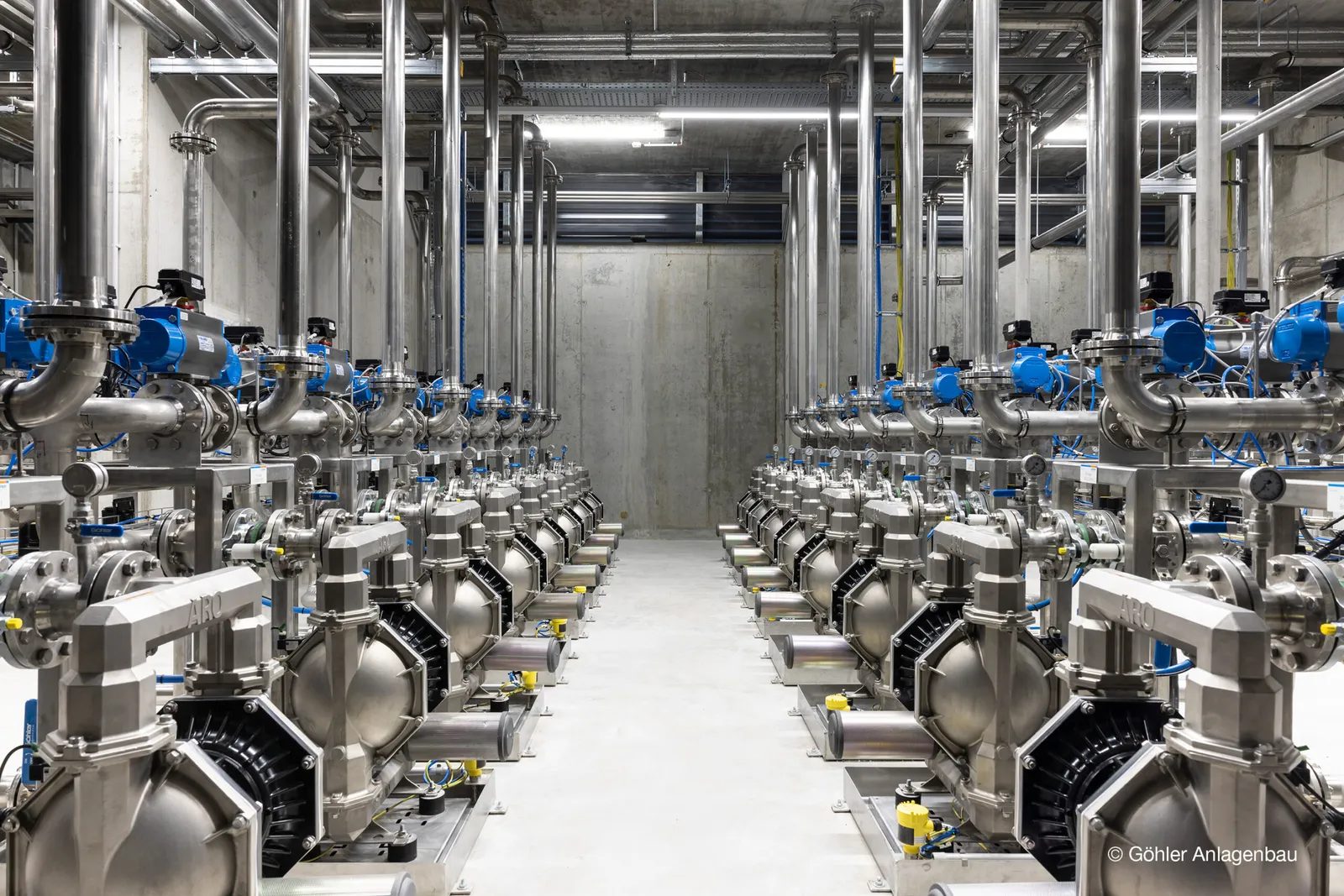
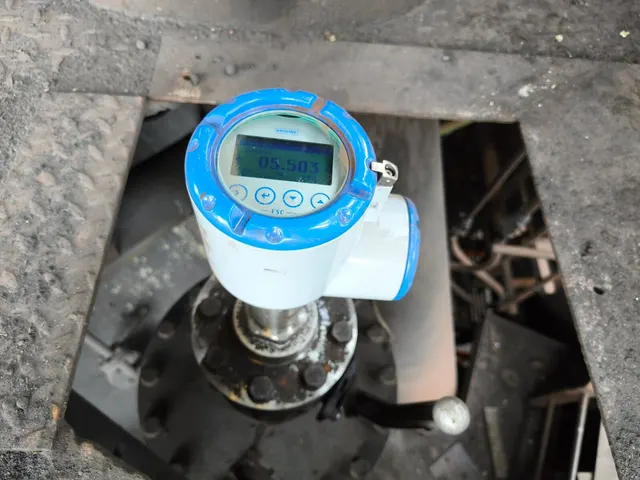
In chemical plants, power stations, food production … reliable level switches are needed everywhere to detect when a defined switching point has been reached. They protect against overfilling in storage tanks, prevent pumps from running dry, detect switching points in reactors and ensure stable process conditions. At the same time, modern level switches offer much more than a simple switching signal: they measure additional process data, enable diagnostic functions and support digital communication between plant systems. This makes them an essential part of modern level detection technology and a key component in safe, efficient plant control.
Level detection uses a range of physical principles, from capacitive and conductive methods to microwave, radiometric and mechanical methods. Not every measuring principle is suitable for every application. The main differences lie in their dependence on the medium, maintenance requirements and reliability under challenging process conditions such as foam, viscosity or temperature. Capacitive, conductive and mechanical methods are often medium-dependent or require intensive maintenance. The vibrating level switch stands out for its universal applicability, straightforward integration and absolute reliability.
Vibrating level switches have proved to be the optimal solution, particularly for liquids. Combining the key qualities of medium independence, no need for calibration, maintenance-free operation and high robustness, they are both cost-effective and safe. This makes them ideal for almost any industrial level detection application.
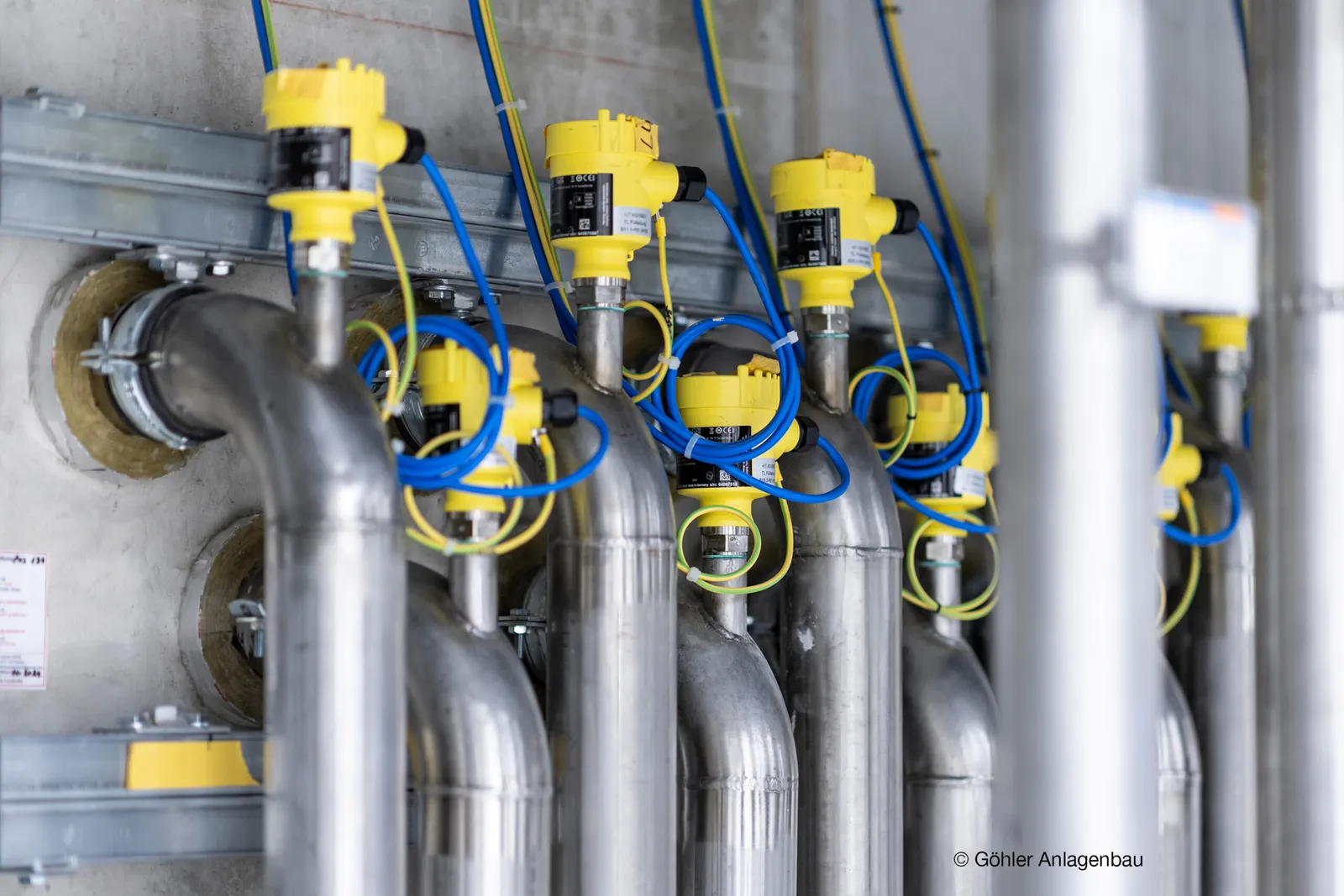
A universal solution for liquids
Piezoelectric vibrating level switches are notable for their versatility and operate on the tuning fork principle: a vibrating fork oscillates freely in air and changes frequency and amplitude when it comes into contact with liquid. The instrument detects the switching point and triggers a precise switching signal. This principle works regardless of density, viscosity or foaming. This is a decisive advantage over capacitive or conductive methods. The main benefits:
- independent of the medium. No configuration required, even when products change;
- maintenance-free operation with no moving parts or wear;
- very high operational reliability, with SIL2/3 certification, VLAREM II and Ex approval;
- resistant to temperatures up to 450 °C and pressures up to 160 bar;
- hygienic, approved materials compliant with EC 1935/2004, EHEDG, FDA and 3-A, and resistant to CIP/SIP.
Typical applications: from tanks to pipelines
In practice, modern vibrating level switches prove their versatility. They perform critical functions in countless processes, reliably, safely and without maintenance.
1. Overfill protection and leak detection
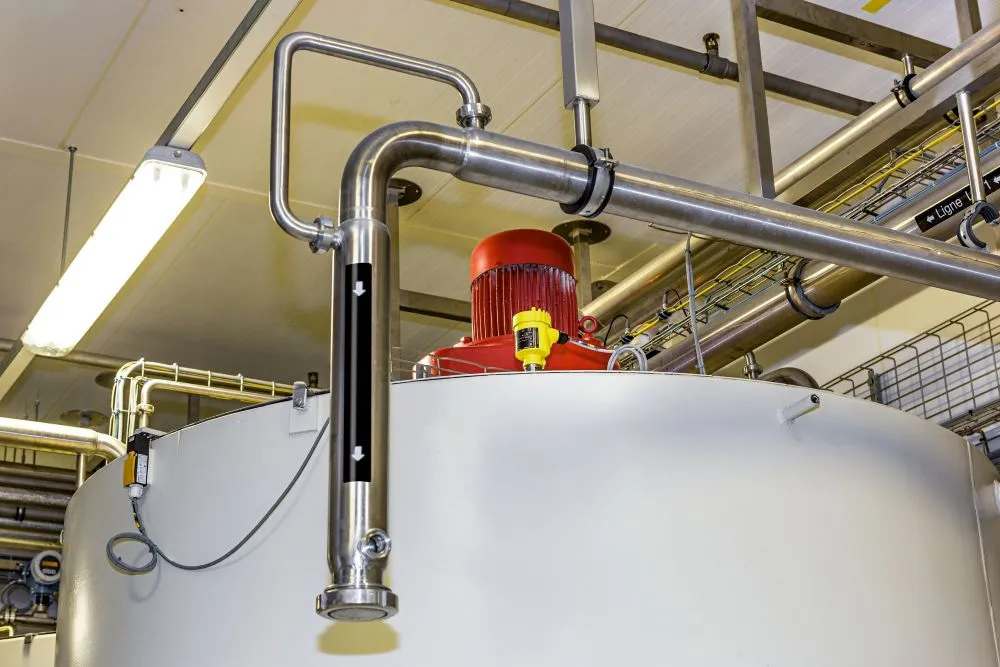
Vibrating level switches are often used as overfill protection in storage tanks, reactors and silos. Thanks to their VLAREM II certification, they are particularly suitable for liquids that are harmful to water. They accurately detect the maximum level, preventing leaks and environmental hazards. Hygienic-design versions are standard in the food and pharmaceutical industries. Polished surfaces, connections without dead zones, CIP/SIP resistance and EHEDG compliance ensure hygiene and cleanability, even with viscous media or heavily foaming liquids.
2. Dry-run protection
Used for dry-run protection, vibrating level switches protect transfer and metering pumps and compressors from damage. As soon as the liquid level falls, the level switch detects the empty condition and shuts down the plant. This prevents downtime, cavitation and energy losses, making a measurable contribution to energy efficiency.
3. Process monitoring under pressure and temperature
In tanks, pipelines and process systems, vibrating level switches provide accurate level detection when products change or in two-phase flows. One particular advantage is their immunity to foaming and gas bubbles. Even at high flow rates, with pulsating or aggressive media, temperatures up to 450 °C and pressures up to 160 bar, the signal remains stable and reliable, with no maintenance required. In all applications, users benefit from lower maintenance costs, high plant availability and straightforward verification of functional safety, including digital test protocols.
The future of level detection: smart, safe and sustainable
Level detection technology is changing. Level switches have long been more than just binary switches: they are digital sources of information. With features such as self-diagnostics, Bluetooth communication, automatic test protocols and real-time data transmission, they are becoming an integral part of highly automated industrial plants. Those who choose certified digital level switches when planning and operating their plant benefit twice over: from maximum process reliability and persistently low operating costs thanks to maintenance-free operation, today, tomorrow and beyond. Modern vibrating level switches also actively contribute to greater sustainability:
- conserving resources through precise process control;
- reducing chemical use through accurate level detection;
- lowering energy consumption through optimised pump control.
Een zakelijke vraag aan VEGA N.V.? Get in touch
Companies in this story

Keep following this
Get an email when a new story is published. No account needed.
- ThemeProcess measurement and control
- SubjectProcess & instrumentation
- CompanyVEGA N.V.