












Software, IT, OT & cybersecurity
Why cybersecurity must be top of mind for machine builders
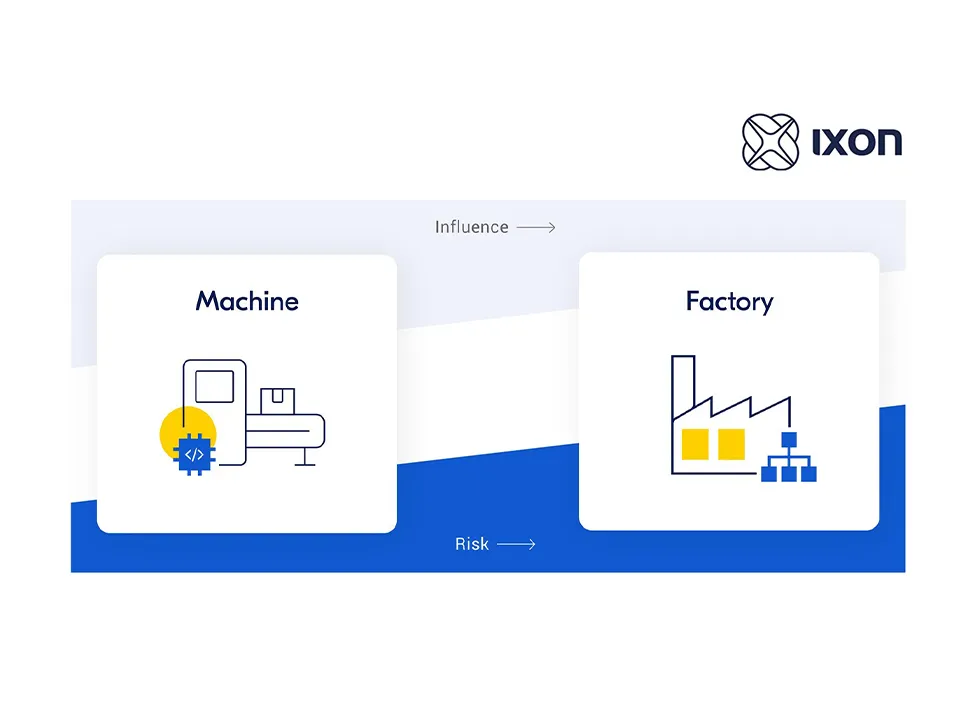
The risk of cyberattacks is growing worldwide as more and more equipment is connected to the internet and machine software becomes increasingly complex. Machine builders must protect their customers and themselves to prevent serious consequences.
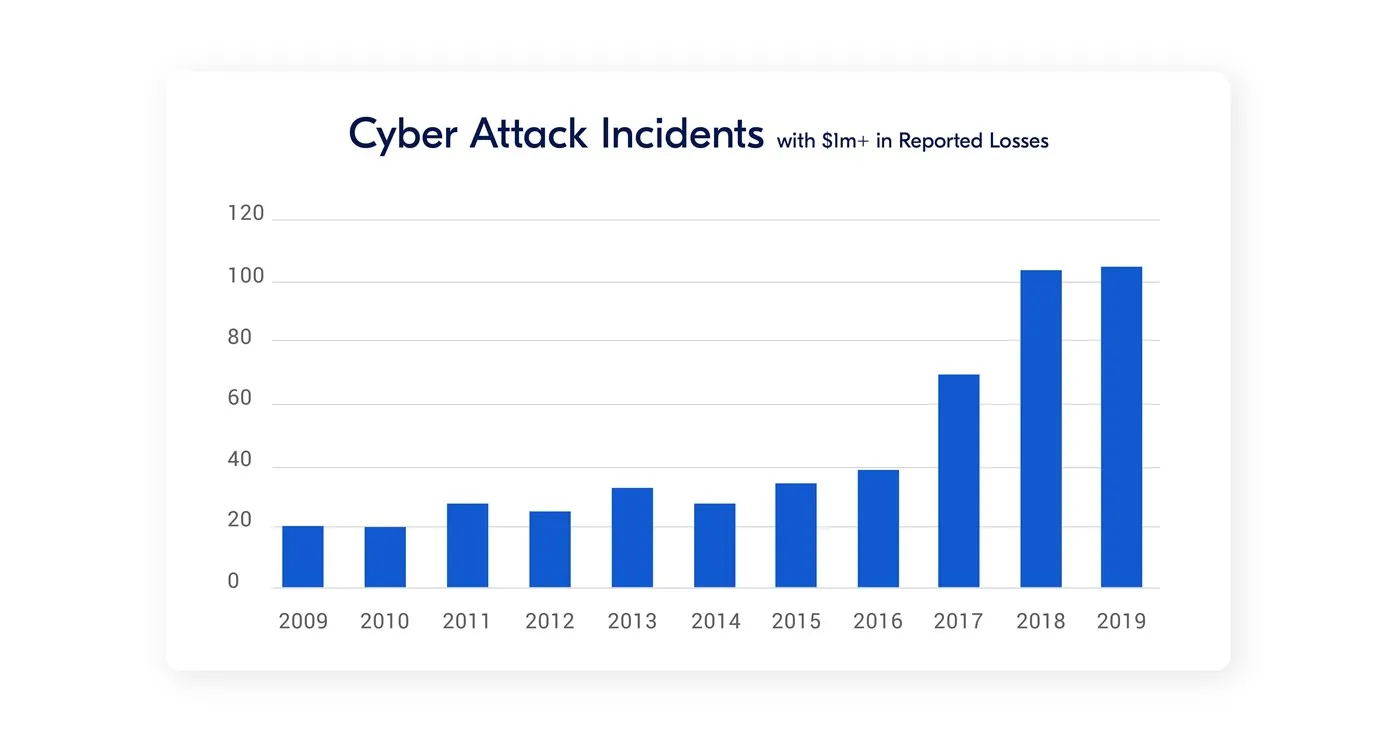
As we venture further into the connected world of Industry 4.0, the likelihood of security breaches and cyberattacks, and the damage they cause, is increasing exponentially. If you are unaware of the security risks, the likelihood of a cyberattack is even greater.
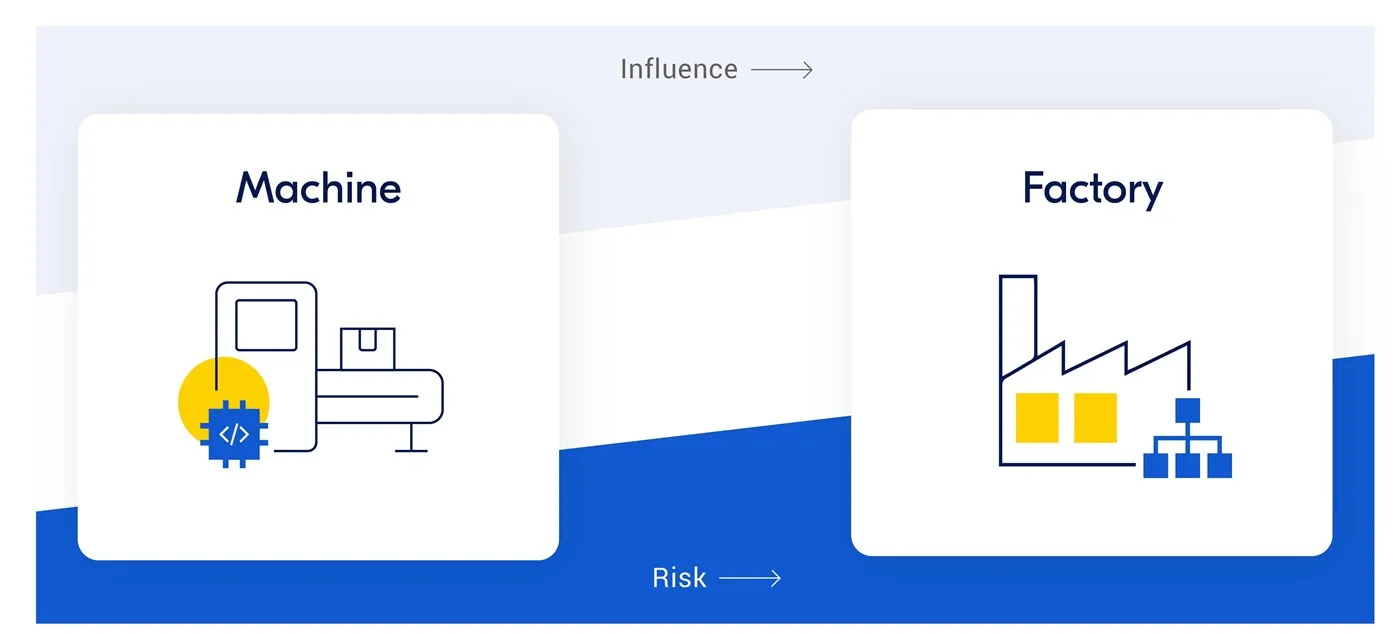
Cyberattacks originating in OT equipment can be disastrous for the factory and cause serious reputational damage for you as a machine builder. The number of cyberattacks causing operational disruption in the industrial sector is rising dramatically. Machines, or even entire factories, are shut down, data is stolen and, in the worst cases, people are injured. And all it takes is, for example, a simple click on a link in a spam email.
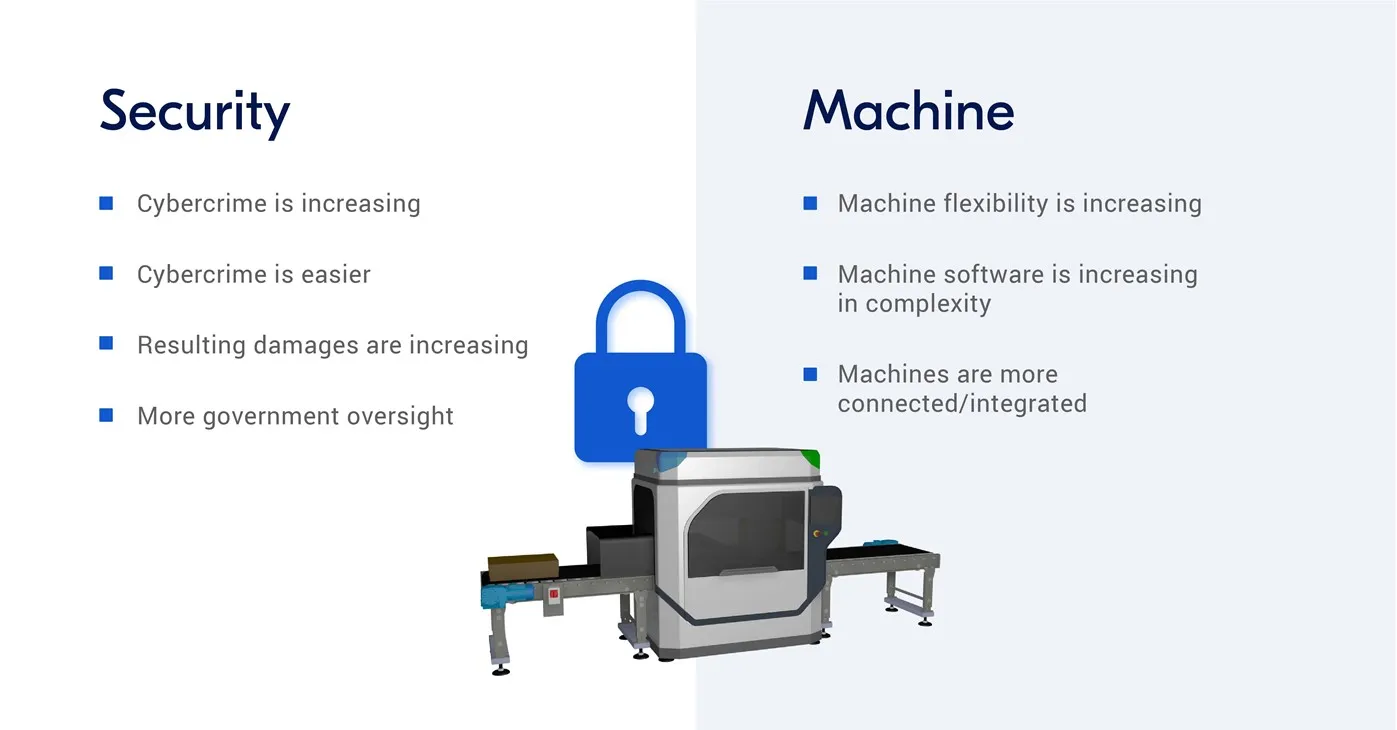
Trends in cybersecurity versus trends in machinery
You do not want to be the weak link, so it is time to get to grips with your cybersecurity and put it in order. What do you need to know about cybersecurity? How can you take responsibility, and what can you expect or ask of your partners?
Growing customer demand for cybersecurity
End customers, particularly factory owners, are becoming increasingly aware of the risks they face when they connect their equipment to the internet. As a result, they expect more from you when it comes to cybersecurity. You need to know how your connectivity solution works and understand the risks associated with connected machines. You also need to know how to protect your customer and support them, and be able to answer any questions they may have.
However, machine builders offer relatively few service level agreements (SLAs), and there is usually little focus on machine maintenance and monitoring after the warranty expires. The main priority is to keep machines running optimally and ensure they are physically safe. That is no longer enough, because a lack of expertise in security measures increases the risks.
That is a lot of extra responsibility in a completely new field for many machine builders.
Share information about your security management
It is clear that machine builders have a major responsibility to their customers when it comes to the cybersecurity of their connected systems. You will probably be asked about the added value of your connectivity solution and how it could affect the factory network. You can build greater trust by communicating and being transparent about how security, user access and, for example, open network ports are managed.
To answer these questions, it is important to know who is responsible for what in the cybersecurity landscape.
Shared responsibility for cybersecurity
Cybersecurity is a broad subject, and responsibility for keeping a connected machine secure is shared among several stakeholders. Unanswered questions about who is responsible for what can lead to breaches or attacks. You need to know who should be involved in keeping equipment secure, and what can be expected of each party. Responsibility for cybersecurity is shared by:
- Machine builder
- End customer (machine user)
- Connectivity solution provider
Responsibilities of the machine builder
The machine builder decides to connect their machine using a particular connectivity solution. They must ensure that the chosen connectivity solution is secure and cannot cause damage to connected systems or the OT network. To minimise the risks, you should also:
- Share knowledge gained from monitoring your machine’s security;
- Share information about your security and privacy policies;
- Protect machine components from exposure to external threats with a robust firewall and the latest firmware;
- Manage user access and permissions within the connectivity solution.
Responsibilities of the end customer
The end customer must secure their own network and devices, for example by:
- Protecting their own IT infrastructure and data;
- Securing devices such as PCs, tablets and mobile phones with strong passwords;
- Monitoring the identity of the connectivity solution’s infrastructure;
- Managing user access and permissions within the connectivity solution.
Responsibilities of the connectivity solution provider
The connectivity solution you choose must be robust and include features that keep connected systems secure, such as:
- An advanced user management system to manage user access and permissions;
- Two-factor authentication;
- Strong encryption;
- Backups;
- Robust firewalls.
The next section looks in more detail at what you can do in practice as a machine builder.
The key security measures every machine builder should take
To maximise the security of your connected machines, you need to consider different security aspects at different levels. When getting started with cybersecurity, you should address these 3 areas:
- Internal organisation
- Internal factory network
- Incoming connections
Securing the internal organisation
By internal organisation, we mean all employees on both the machine builder’s and the end customer’s side. Since most cyberattacks are caused by human error, every employee should use hacker-resistant passwords. Employees need to understand the consequences and the measures they can take, for example through cybersecurity training. Risk assessments, incident management and user management can also help reduce risks.
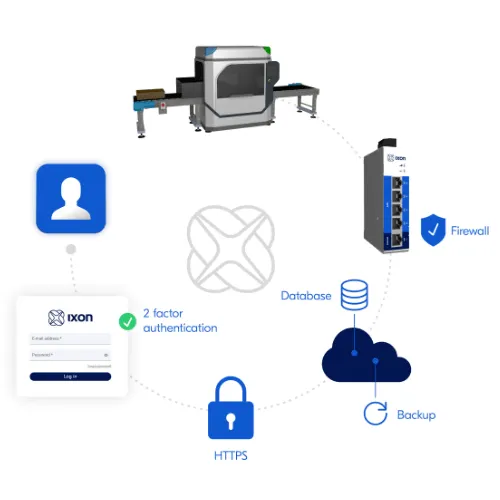
Securing the internal factory network
Your machine will be installed on the end customer’s internal factory network. First, it is important to ensure secure installation in the factory through network segmentation. Make sure your machines are protected against unwanted incoming connections by a strict firewall, so they remain shielded even without regular firmware updates.
Protecting the machine against incoming connections
When connecting your machine to the internet, you must ensure that all connections between the machine and the outside world are secure. You should use strong encryption (HTTPS) and arrange regular penetration tests or continuously check that your incoming connections are secure. Robust user authentication, such as 2FA, when logging in remotely can reduce the risk of unauthorised access.
Secure both IT and OT
Information technology (IT) covers everything related to computer technology, while operational technology (OT) refers to the hardware and software used to monitor and control physical devices and processes. OT equipment controls the physical world, while IT systems manage data.
OT environments are increasingly dependent on IT. This makes an integrated approach to cybersecurity important, as attackers can now also reach OT via the internet. End customers already focus on IT, but there is still much to be done on the OT side. Both the machine builder and the end customer need to know how OT security is handled in a connectivity solution, as many incidents occur there.
Consider Shodan, known as a popular search engine for hackers, which is used to discover exposed, vulnerable IoT devices such as routers, SCADA systems and smart home installations. By harnessing masses of these unprotected devices, attackers can launch large-scale attacks such as spamming, phishing and DDoS, which can have a huge impact on you and your customer.
Isolating both IT and OT is essential. On the OT side, you should isolate machines from one another, so that one machine does not affect another in the event of an infection and to prevent process disruptions caused by unusual network activity. The machine builder can help by blocking access to the factory’s OT network from the outside world with a firewall.
Weighing up the benefits and risks of connectivity
All this may make you wonder: “Is it really worth having a connectivity solution installed?” This is a good question to ask yourself every time you connect a machine to the internet. Do the benefits outweigh the risks, and have you taken all the necessary precautions to minimise the risk as much as possible?
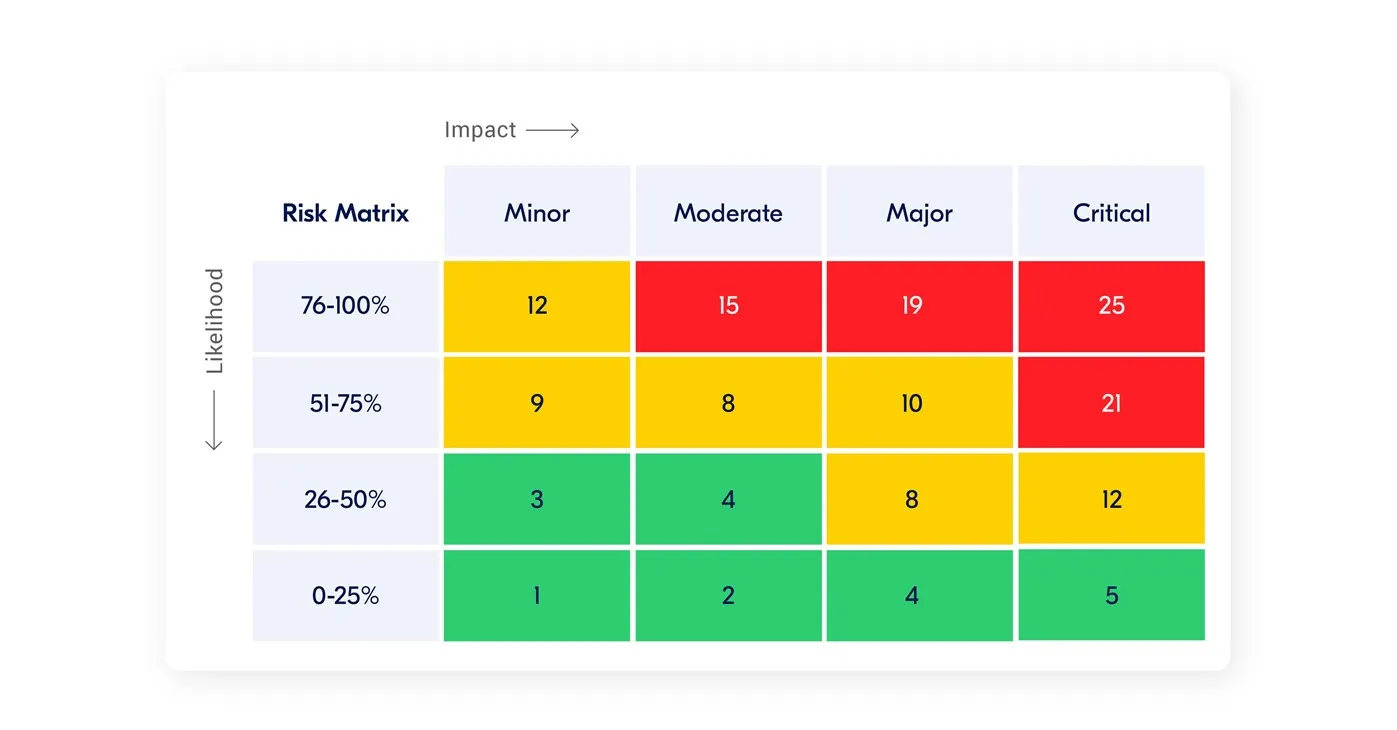
Every additional connected system increases the risk of a security breach. To determine whether this is the case, you can assess the risks by weighing up the likelihood and impact. By explaining why the benefits outweigh the risks, you can convince the customer of the added value connectivity offers them.
If the COVID pandemic taught us anything, it is the immense value of remote access to and control of your equipment. You are the one with the knowledge of the machine and the ability to solve problems. Connecting your machines to the internet adds value by giving you remote access to your machines and their data, enabling you to meet your customer’s service needs.
You just need to know the weak points in your solution so that you can minimise the risks as much as possible. Mitigate the risks with the greatest likelihood or impact and keep improving, because new risks regularly emerge.
Reducing risks by complying with security standards
Security standards are powerful tools for ensuring that your security, and that of the tools you use, is properly managed. IEC 62443 and ISO 27001 are comprehensive industry standards designed to help companies develop secure solutions. The IEC 62443 standard sets out requirements for developing secure machine components and explains how machine builders should ensure secure connections. If you use a cloud service, ISO 27001 is a highly recommended certification to pursue, as it guarantees a strong focus on data confidentiality.
You can choose to work towards complying with these standards yourself, but at the very least, you should work with equipment and companies that already comply with them.
Assure your customers that your solution is secure
It is clear that strong collaboration between the machine builder and end customer is essential when it comes to cybersecurity. Protect both your customers and yourself by investing in cybersecurity expertise, while also focusing on finding the right connectivity partners to help you along the way.
A well-organised IIoT platform can address many security concerns. At IXON, we have built security into our foundations and developed a framework to help machine builders. Cybersecurity is top of mind throughout the organisation. Everything is in place:
- Advanced user management system;
- Two-factor authentication;
- Strong encryption, backups and robust firewalls;
- Dedicated security officer;
- Comprehensive information security management system;
- ISO 27001 and IEC 62443 certified;
- Internal security training.
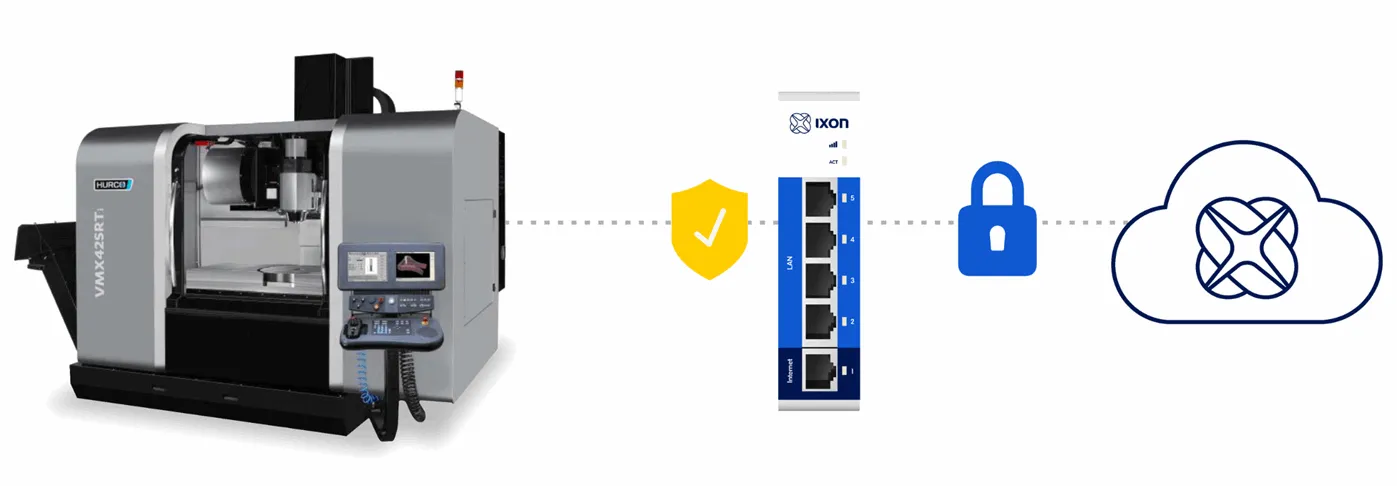
Benefit from everything a connectivity solution has to offer, such as optimised machines, higher uptime, better service and valuable insights, without having to worry about security. Since it is your responsibility to ensure a secure connectivity solution and prevent connected systems and the OT network from being harmed, this takes one more worry off your shoulders. All you still need to do is equip your machine with secure components, manage user access and permissions, and share knowledge and information about your machine’s security with customers.
Our security white paper explains the security measures IXON has taken to support machine builders and their customers. Need help implementing your security measures? Contact our security officer to discuss how to ensure your machines are secure.
Question about this story? Ask your question
Companies in this story

Keep following this
Get an email when a new story is published. No account needed.
- ThemeFrom design to flexible machine
- SubjectSoftware, IT, OT & cybersecurity
- CompanyIXON B.V.







