












Software, IT, OT & cybersecurity
Towards a more flexible and sustainable industry
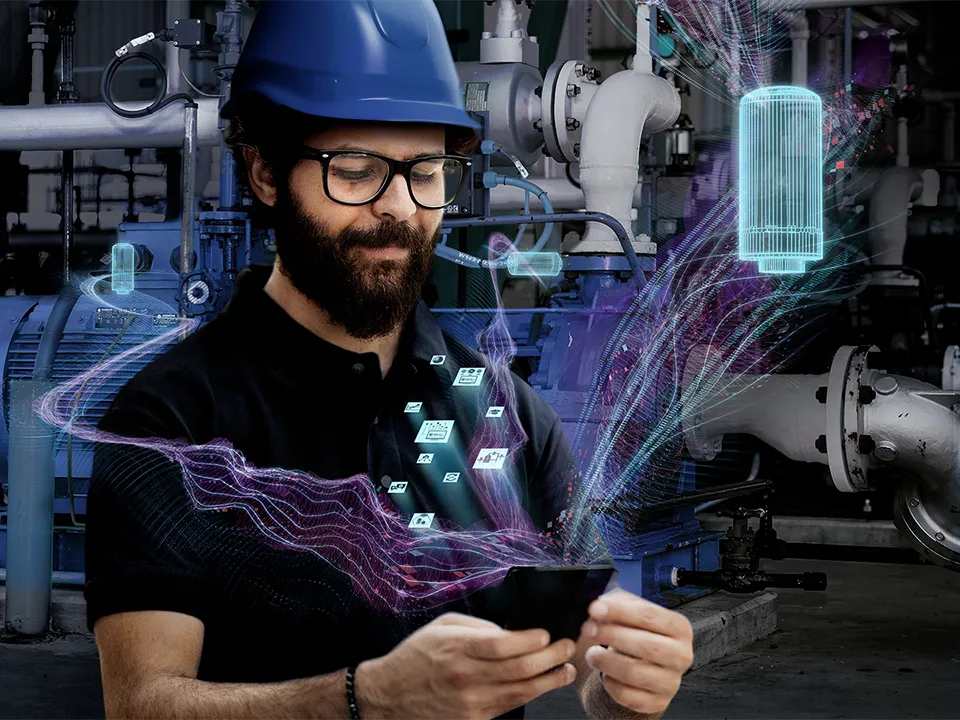
‘Infinite possibilities thanks to infinite amounts of data’. This was the motto under which Siemens showed at Hannover Messe 2021 how the convergence of the real and virtual worlds gives industrial companies the means to operate flexibly and sustainably.
To address the aftermath of the coronavirus pandemic, growing demand for personalised products and the need for greater sustainability, we will have to look to digitalisation and automation for solutions. Siemens brings all the data together in a continuous cycle linking the virtual and real worlds. Breaking down silos leads to a better understanding and use of data.
“In recent years, ever more data has become available at an unprecedented pace. This makes it clear that digitalisation has no finish line. It is more the beginning of an infinite loop. Companies capture data, learn from it and take the next step,” explains Cedrik Neike, member of the Board of Management of Siemens and CEO of Siemens Digital Industries. “In production, this makes an infinite source of knowledge available, one that we have yet to exploit fully. Everyone involved in manufacturing can benefit from this potential, from production sites with a long history to entirely new ones where the first pixel has yet to be planned.” With its Digital Enterprise portfolio, Siemens supports customers in this area. Thanks to digital twins and the use of future technologies such as artificial intelligence, customers can respond quickly and flexibly to global challenges.
Fast and reliable connections
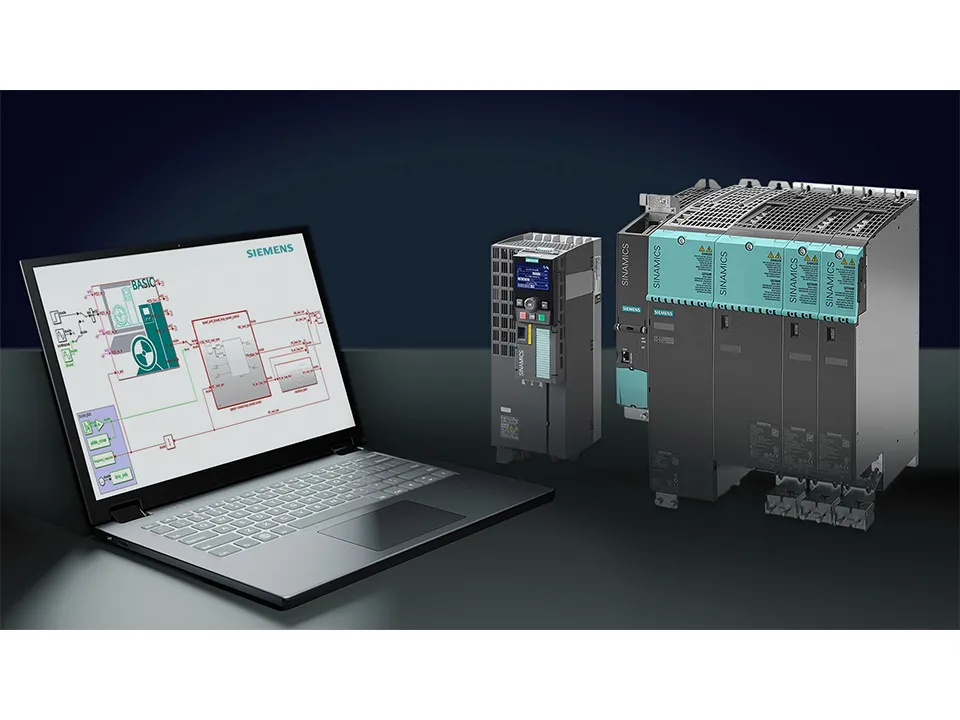
The basic principle is simple. Siemens links all the data from the entire lifecycle of products, production systems and information technology with data analytics and conventional control technology, and connects the production level to the office. This creates a continuous optimisation cycle. In this Industrial Internet of Things, industrial processes are modular and flexible, allowing all parameters to be optimally adjusted throughout the entire lifecycle. This even extends to factory buildings and the workflows of suppliers and logistics partners. The prerequisite, however, is that data reaches the right place quickly and reliably, so that an appropriate response can be made. Siemens therefore continues to push the boundaries of state-of-the-art technology such as industrial 5G communications networks. With such private networks, companies will be able to tailor them specifically to their requirements for performance, reliability and security. Siemens showed a prototype industrial 5G campus network in one of the exhibition halls. In future, it will be used at trade fairs for experiments and field tests.
Moving to the edge and the cloud
Industrial Edge is also worth mentioning here. This concept allows Siemens customers to make flexible use of the benefits of data processing at the edge or in the cloud, depending on the application.
Siemens is also expanding its edge computing offering with real-time data analysis in production and ways to apply it intelligently. In addition to connecting Simatic and Sinumerik
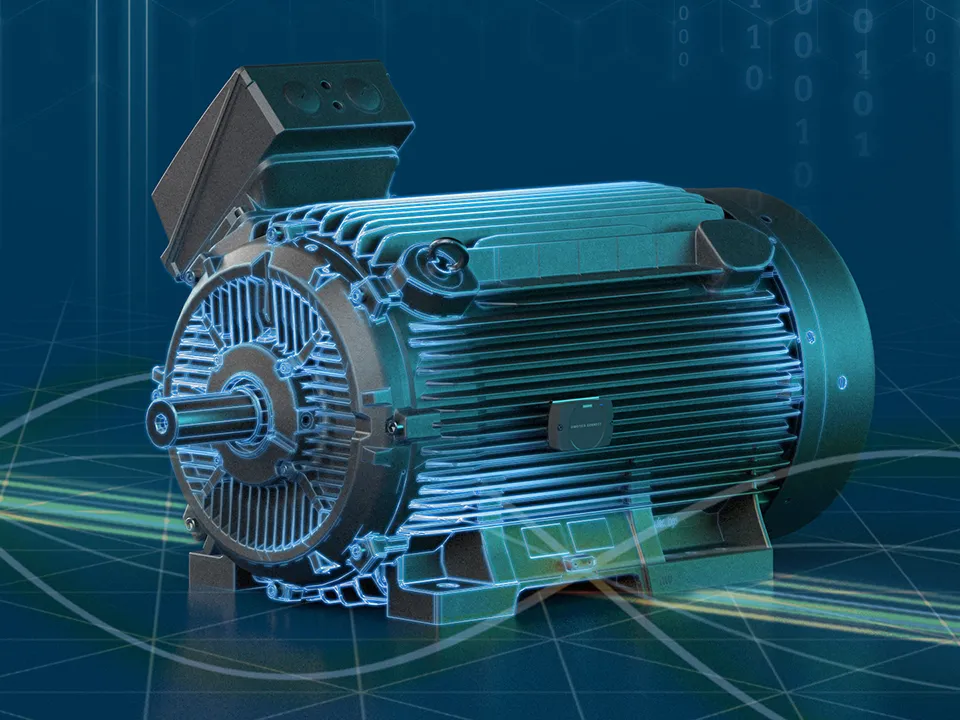
controllers to the Siemens Industrial Edge platform, the offering for connecting drive technology has also been expanded. Drive technology provides a good indication of machine availability. As well as data on variables such as speed and torque, the drive also supplies information that can typically be used for edge computing. This gives users a tool to operate their machines reliably and optimally within their parameters, such as energy consumption. Intelligent analytics technology can inform operators at an early stage whether maintenance is needed and whether energy can be saved.
Question about this story? Ask your question
Keep following this
Get an email when a new story is published. No account needed.
- SubjectSoftware, IT, OT & cybersecurity







