












Software, IT, OT & cybersecurity
The revamped user interface is much more than an upgrade
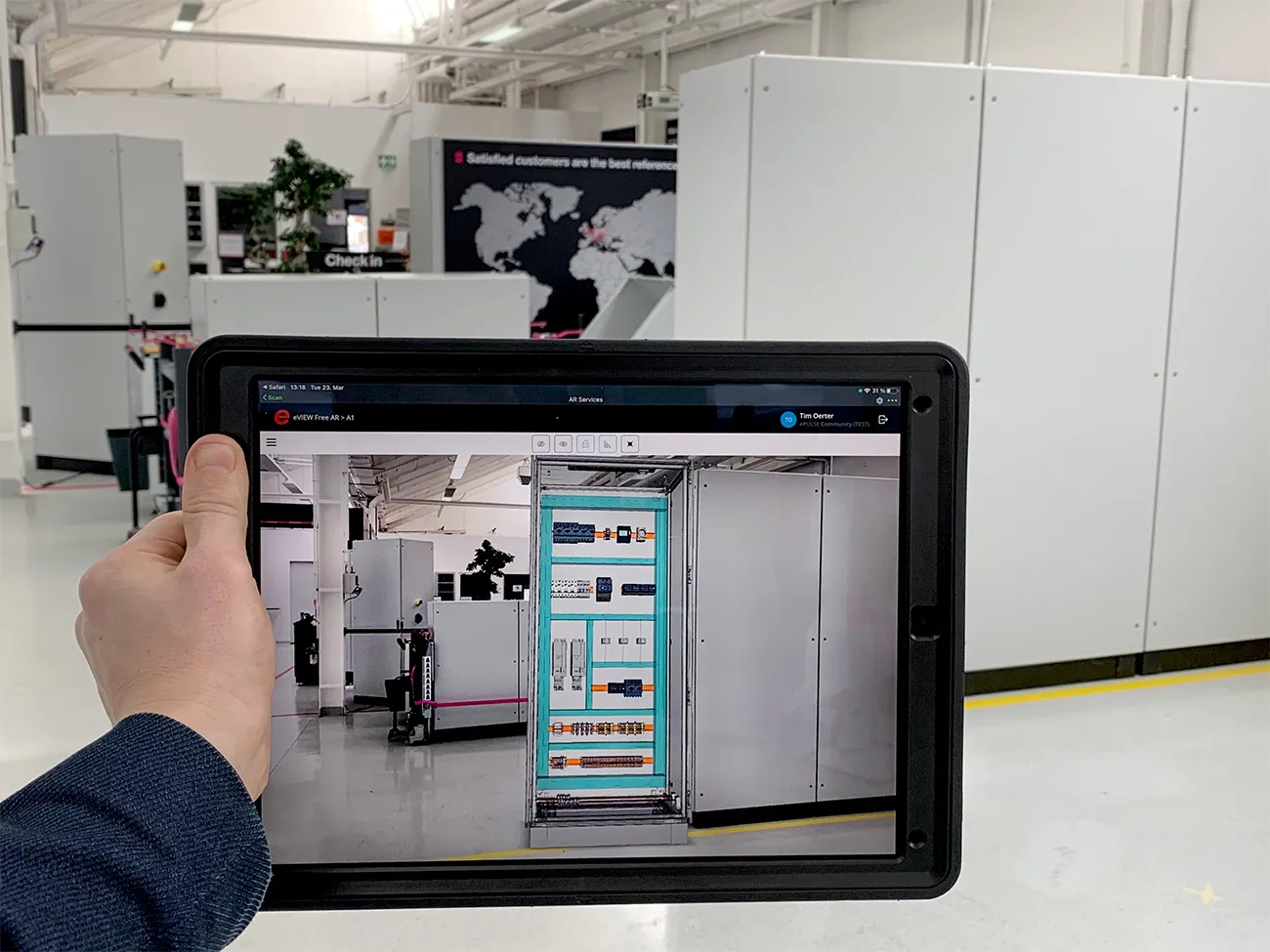
EPLAN’s engineering software gains a host of new user benefits with its brand-new Platform 2022. Or rather, ‘gained’, since the new version has been available since September. The new user interface opens up entirely new design horizons for both established and new users.
EPLAN has been around for 30 years, providing an engineering package for the detailed design of electrical schematics. With its latest release, the company has done away with the traditional version numbers, such as 2.8 or 2.9, and opted instead to use the year, in this case 2022, as the basis for naming. Here are five notable applications that characterise EPLAN Platform 2022:
1. A clear ribbon structure
The familiar MS Office standard makes the software simpler and more transparent. Key functions used regularly are easier to access, with the software guiding users intuitively. The ribbons are also dynamic and adapt to whichever graphical editor is active at the time.
2. The InsertCenter
Always accessible through the graphical user interface, the InsertCenter brings together the devices, symbols, macros and other design tools available in EPLAN, rather than leaving them scattered across different menus. Components are quick to find using familiar terminology and can be tagged and grouped according to task. The ‘Favourites’ tool lets you save frequently used components for reuse later.
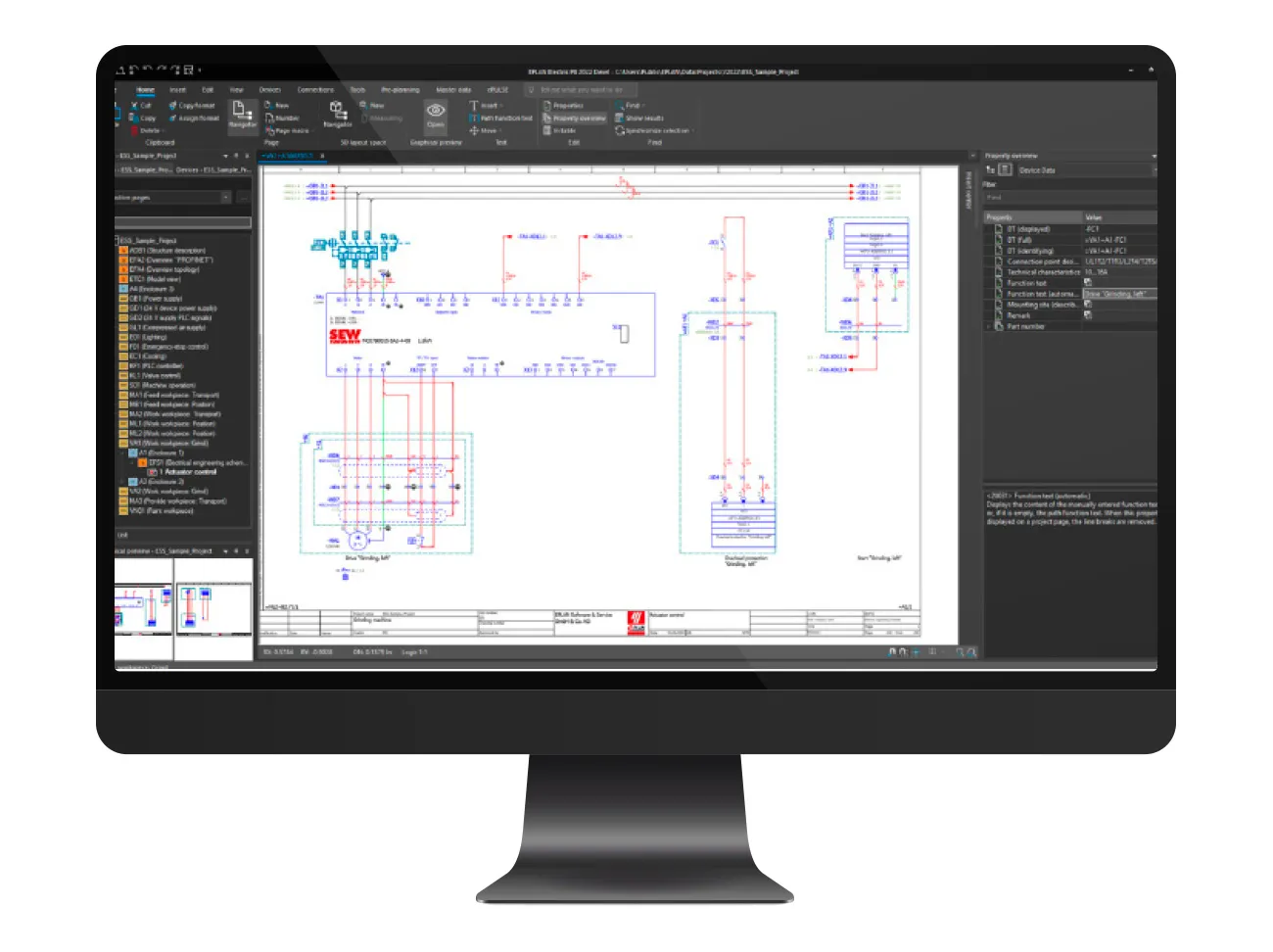
3. Centralised article management
The new technology behind article management gives users greater flexibility and a clearer overview. This is particularly important when considering international markets. For example, a vertical schematic produced in Europe looks completely different from the horizontal version used in the US. Centralised article management now makes it possible to create both variants. Users can also quickly make bulk changes to articles using an external list, for example in Excel. Data can also be assigned to articles in much greater detail: components can now contain multiple macros per variant, because all component properties are linked to the variant.
4. Integrated cloud applications
EPLAN has been investing for some time in cloud applications that run on a server and are accessible through a standard browser. With the new platform, these applications are now seamlessly integrated. In practice, this means users will not notice when a cloud application is accessed in parallel with their project. Cloud functionality is important for communicating project changes and feedback to customers or colleagues. This can be done in particular through EPLAN’s eMANAGE, a storage space for projects that can also be shared with external partners.
5. The subscription model
As it offers an increasing range of cloud-based applications, EPLAN has had to rethink its licensing policy. On 1 August 2021, it therefore deliberately opted for a subscription model. This change of direction also benefits customers: it avoids the upfront investment, leaving only an operational cost. Another benefit is the flexibility to adjust the number of licences to suit demand. Customers can also try out additional features on an annual basis without having to make a major investment.
Question about this story? Ask your question
Companies in this story
Keep following this
Get an email when a new story is published. No account needed.
- ThemeFrom design to flexible machine
- SubjectSoftware, IT, OT & cybersecurity
- CompanyEPLAN nv







