












Software, IT, OT & cybersecurity
The pursuit of quality is driving digitalisation
Text Valérie CouplezImage iStock

The pandemic may be some time behind us, but we are still feeling its impact. Ongoing, unpredictable supply chain disruptions caused by geopolitical conflicts, changing weather, the energy crisis and rising raw material prices mean that the trends we saw then are, in fact, still much the same. Manufacturers are being urged to innovate and are looking to automation and digitalisation to do so. But given the complexity and wide availability of technology, expert guidance is essential to help them choose the right path.
What is the common thread in the digital transformation of manufacturing companies? Quality. Improving it calls for a digital gear change. The fewer human errors that can occur, the better, particularly when it comes to inspection. Quality is, of course, a broad concept. It also encompasses improving sustainability, because products that fail to meet quality standards ultimately become waste, having consumed unnecessary energy and raw materials. The same applies to the supply chain. To guarantee the sustainability of products, every link in the chain must be digital and transparent. Traceability throughout the entire supply chain, upstream and downstream, in every respect. This trend will be reinforced in the coming years by regulation. Think of ESG reporting, which will be required under the CSRD legislation from 2025.
Paralysed by technology choices
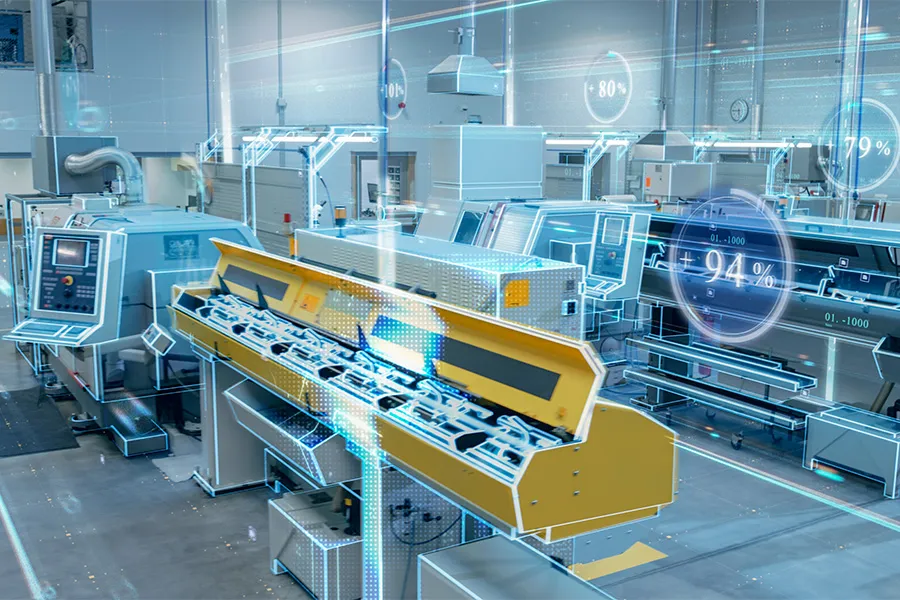
Digitalisation is changing everything at a rapid pace: production processes, IT systems and more. A veritable explosion in smart production technology is under way. Technology suppliers, too, saw very clearly during the pandemic the challenges facing food manufacturers. They set about developing more targeted solutions. Technology has also continued to advance, not only in terms of functionality but also price. Many things that used to be reserved for complex projects with hefty price tags are now affordable, even for SMEs.
But this progress and the widespread availability of technology can also have a paralysing effect. One third of companies are held back in their digital transformation by having too many options to know which is the best investment. They are therefore increasingly turning to a strategic partner who can recommend the right solutions for their specific challenges. But they would also do well to first identify internally where the greatest opportunities for improvement lie. This can provide a checklist: what capabilities do we have, which do we need, and what smart production investments should we make to achieve them? This naturally leads to a digital transformation roadmap.
Data as the basis for decisions
But what does that actually mean? Smart production technology will enable manufacturers to base decisions on hard data. In other words, hardware with a layer of software on top, which also extracts data from all those automated processes to inform further optimisation. This is not yet common practice among SMEs, as data capture and analysis are often manual processes, particularly when it comes to quality. How many pairs of eyes are stationed along the line, scanning production lines for defective products? How tiring is that? And how much better could quality be assured with automated systems that work just as well on Monday morning as they do on Friday evening?
At best, the information does not get beyond the production floor. As a result, gut instinct, informed by years of experience and expertise, usually still has the final say on investments.
Yet even without the need for additional sensors, there is already plenty of information in your machines and processes. The next steps are to automate the further use and analysis of that data. Data must be turned into insights to improve quality and efficiency. In a competitive market such as manufacturing, that is often what makes the difference today.
Better to start today than tomorrow
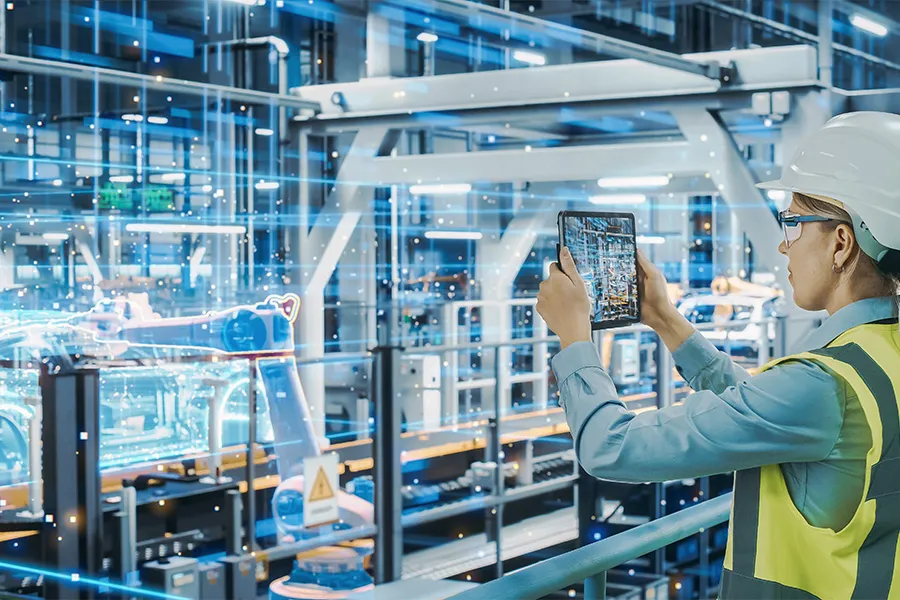
Machine builders are thankfully recognising the need to invest in smart production technology to enhance their machines, and are setting themselves ambitious digital transformation targets. Manufacturers, too, want to be part of this story. The task now is to put plans into practice and overcome the paralysis on both sides. More technologies than ever are available, along with more information on how to apply and prioritise them.
That is why it is essential to identify the best way forward as soon as possible and get started. Companies that fail to develop and implement digital transformation strategies quickly, with data-driven decisions at their core, risk losing out to competitors with extensive IT landscapes and digitised processes. There is no shortage of experts ready to help. ■
Question about this story? Ask your question
Keep following this
Get an email when a new story is published. No account needed.
- ThemeData from shop floor to decision
- SubjectSoftware, IT, OT & cybersecurity







