












Software, IT, OT & cybersecurity
The basics of machine learning
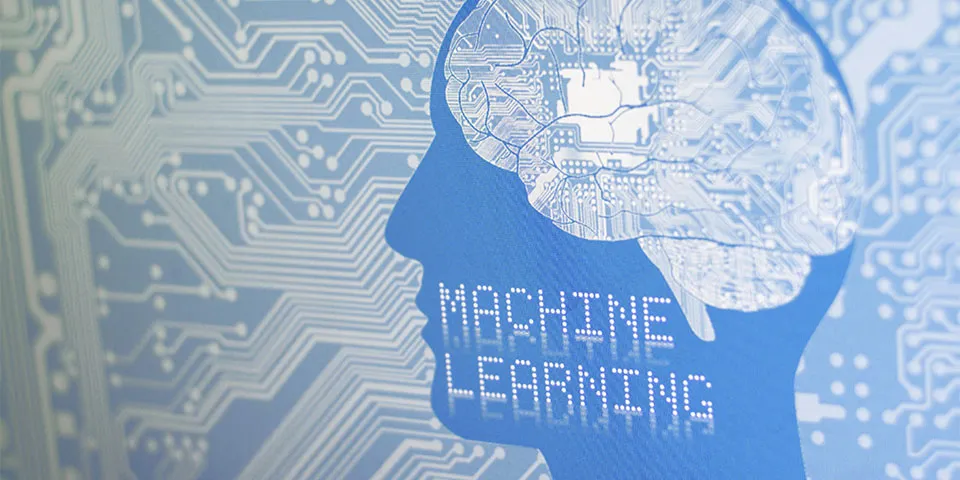
Machine learning is essentially about algorithms that deliver ever better performance as they gain access to more data from more experiences. In the coming years, it will pave the way for artificial intelligence on our factory floors. But how exactly does it work, and what could it mean for you and your machines?
Artificial intelligence is about developing functional intelligence independently of the human brain: software that can reason autonomously to solve problems. But until we reach that point, we can already find artificial intelligence in systems that behave intelligently within a specific domain. One of the tools for achieving artificial intelligence is machine learning. This field focuses on developing software that can improve its own performance. To do so, it draws mainly on statistical science to make sense of vast amounts of data. There is also deep learning, a similar technology that is less dependent on pre-processing and problem-specific functionality. In other words, deep learning has relatively much in common with the human brain. The software receives input, interprets it and draws conclusions by using a layered, structured neural network.
Where can machine learning be useful?
But back to machine learning. If you ask one of your fellow machine builders whether they are already using it, the answer is most likely no. Yet we encounter it in our everyday lives. Apple’s Siri? Amazon’s Alexa? Google’s improved search results? Less spam in your inbox? These are all examples of machine learning, a technology that works unobtrusively in the background but can deliver impressive results. So how can industry use machine learning? Business owners themselves point to four areas: automating simple, repetitive tasks, recognising patterns in data, making predictions and taking complex decisions.
How can machine learning be implemented?
So how can we implement machine learning? Machine learning algorithms work much like pupils in a maths lesson. They are given material to practise with, along with instructions and feedback, so they can identify patterns. First, it is important to realise that every machine learning algorithm has its own way of finding patterns in data. A particular algorithm will be best suited to certain types of data. It is therefore important to combine your data with the right techniques to achieve the best possible performance. There are three options: supervised learning, unsupervised learning and reinforcement learning.
What types of algorithms are there?
Supervised learning algorithms are trained on data that has already been categorised by people. This technique is best suited to applications where the desired output is known. The algorithms in your machine learn a series of inputs alongside their corresponding outputs, as well as comparisons with undesired outputs. The model adjusts itself based on the discrepancy between the two. Unsupervised learning, on the other hand, uses data that has not yet been labelled. The software then tries to discover new patterns in the data by itself. This technique is the ideal choice for clustering, where data is organised according to shared characteristics. Finally, reinforcement learning essentially involves learning by trial and error. By simulating the outcome many times, the computer learns what works best.
Don’t forget the human element
So far, we have been talking about technology. But technology is never perfect. If you want to improve the capabilities of a machine learning model or speed up its development, it is a good idea to add a human touch. When the machine learning model encounters data it cannot understand, human interpretation can be a great help. The synergy between human and computer can create a cycle of continuous improvement. And what about the future? Experts predict that within thirty years, these systems will be as smart as, if not smarter than, the human brain. An artificial brain that works faster and never gets tired.
Question about this story? Ask your question
Keep following this
Get an email when a new story is published. No account needed.
- ThemeData from shop floor to decision
- SubjectSoftware, IT, OT & cybersecurity







