












Software, IT, OT & cybersecurity
Software-defined automation: a game changer for the process industry
Text Valérie CouplezImage Siemens
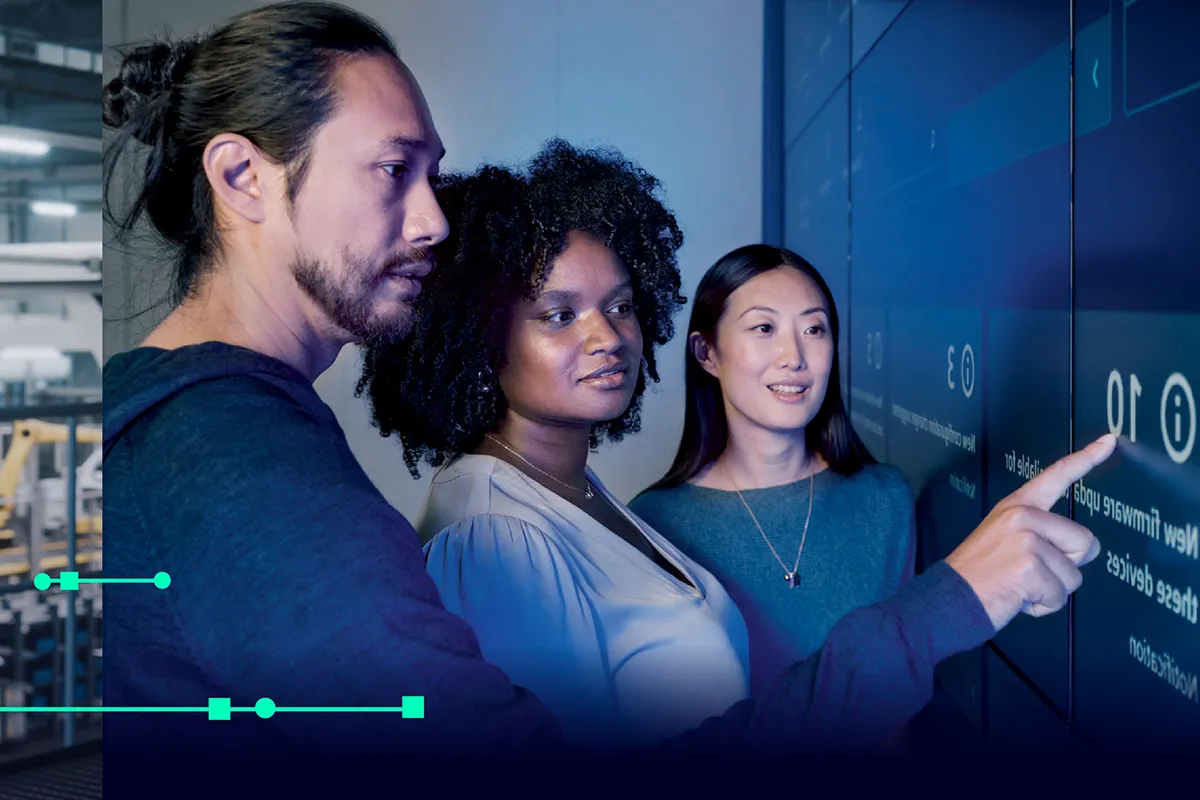
Can the process industry survive in Western Europe? Rising energy prices and the ever-shrinking availability of technical staff are certainly not making it easy. For Siemens, the answer lies in software-defined automation (SDA), an approach in which automation systems are controlled by software rather than tied to specific hardware. The traditional automation pyramid, with its hierarchical levels, is giving way to an architecture built around users. According to Rebecca Vangenechten, Head of Automation & Engineering at Siemens Process Automation, this delivers the flexibility the process industry needs to overcome these challenges.
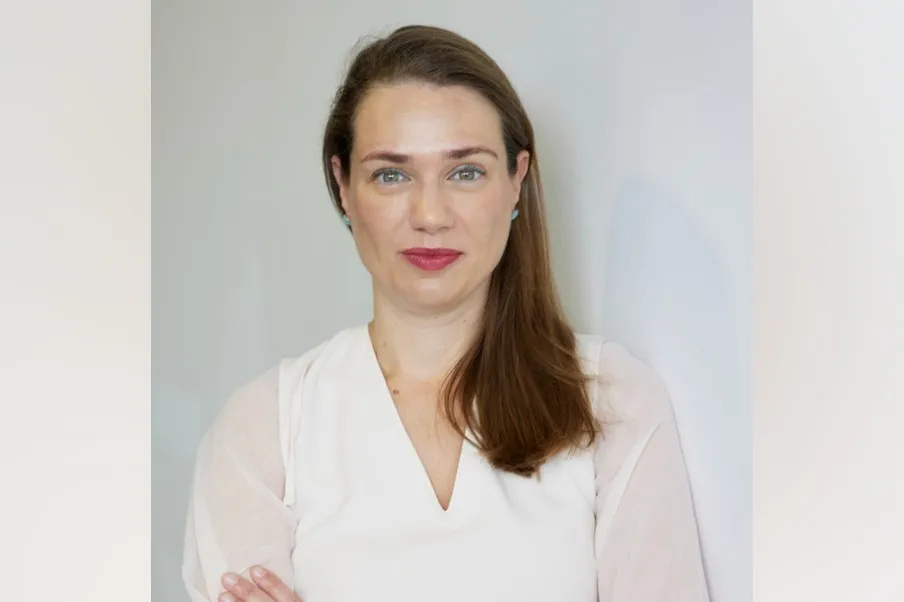
Vangenechten has now spent fifteen years at Siemens. “I’ve held various roles, but have always focused on the process industry. Despite its lack of sex appeal to the outside world, it’s a fascinating sector where great things are happening and where our technology can really make a difference,” she says, summing up her career. For her, the next steps in process industry automation are synonymous with digitalisation. “By combining the digital and physical worlds, we can ultimately make better decisions.”
Industrial metaverse
Vangenechten believes the industrial metaverse could bring about a revolution, extending beyond the digital twins already widely used in industry. “Those digital twins, virtual representations of physical assets or processes, provide the foundation and building blocks for this new immersive world. But they need to be connected, which calls for a robust IoT infrastructure capable of capturing data from sensors and devices to feed the metaverse for analysis and visualisation. Add a touch of artificial intelligence and you can lay the foundations for autonomous decision-making processes.”
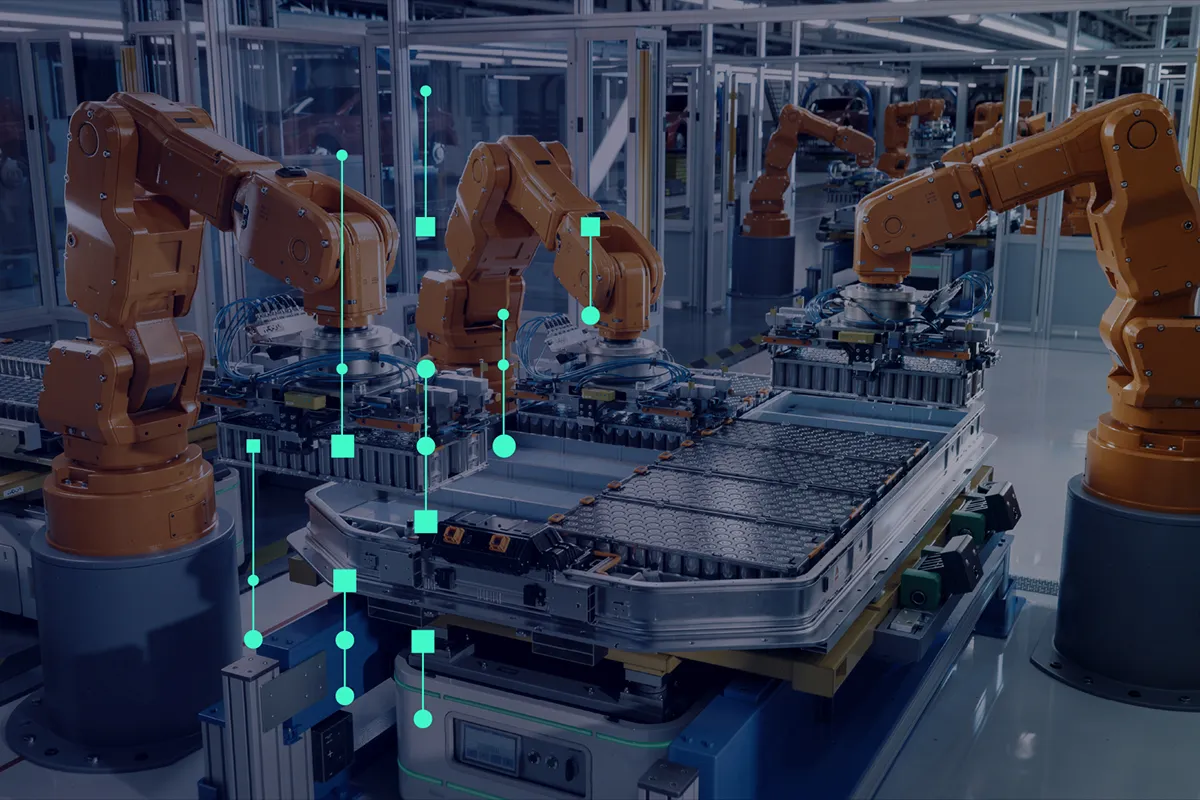
Software-defined automation
Vangenechten has kept one more building block up her sleeve, and it’s a significant one. “The final building block, in our view, is software-defined automation. Hardware is still needed to interact with the physical world, but software will provide the flexibility we need. Ultimately, we see software moving towards an ‘as a service’ model, where customers can choose the functionality they need and where to deploy it: in the cloud, at the edge or on their own production floor. This kind of offering is already commonplace in the IT world, but it’s a new trend for OT. We see that companies which have already made significant progress in digitising their processes are the most receptive to it. But smaller companies can benefit too, when technology is an operational expense rather than a capital expenditure.”
Benefits
A distant prospect? Not at all. Siemens is already working with several customers to build the industrial metaverse, enabling users to interact with processes using AR and VR technology. The benefits are clear. Vangenechten lists a few: “Eliminating data silos so data can flow between integrated systems, giving a holistic overview. Access to real-time data to respond appropriately to operational problems. Greater efficiency and lower costs through streamlined processes. The flexibility to adapt quickly to market changes without changing the hardware. And the ability to collaborate more effectively as a team across departments.”
Cybersecurity a priority
And not just within a company’s own factory walls. The industrial metaverse also offers scope for collaboration with partners in an ecosystem. “It also makes engineering more attractive to future generations. Tomorrow’s techies breathe software. We need to show them that IT and OT go hand in hand.” That doesn’t mean there are no more obstacles to overcome. The need for sufficient standardisation is one. Vangenechten also flags cybersecurity as a priority. “The existing infrastructure in factories will obviously need to be upgraded. I’m thinking of edge computing to process data efficiently on site, as well as reliable connectivity. We’ll also need to integrate new technology with legacy systems, because you can’t overhaul a process completely in one go. But the more connections we establish, and the more IT and OT come under the same architecture, the more attention we need to pay to doing so securely.”
An inevitable evolution
But is the process industry really keen to embrace this? It is often seen as a conservative sector. “The fewer changes needed to business strategies, the better. That’s been the mantra for years. But the shift towards more software is inevitable given the challenges we face. As a technology partner, it’s our job to make that transformation as smooth as possible for our customers. That means not only developing the right hardware, software and services, but also working with customers to understand their processes and priorities. What do they want to do themselves? What do they want to take as a service? It’s not a black-and-white issue.”
Making data flow
There are already some great success stories that show what is possible. “A vaccine factory in Africa that operates without operators, but is controlled from Germany,” says Vangenechten, citing an example involving Siemens. “Sharing data remains a major challenge, both with technology partners to develop the right business case or enable ‘as a service’ models, and with everyone within the company. Data needs to flow seamlessly across all roles and departments from a single source of truth. Everyone needs to receive the data they need to work more efficiently. The technology is there to protect IP securely, and that always remains the customer’s property, but many companies still struggle with this. It’s up to us to show them the efficiency gains and cost savings that data sharing can deliver.”

Artificial intelligence as a catalyst
But even that won’t be the end of the story. Today’s software-defined automation will be further enhanced by solutions based on artificial intelligence. Siemens Industrial Copilot made its debut at Hannover Messe. At the recent SPS, an AI-based Assistant for operators was unveiled. “We see artificial intelligence as a catalyst for automating and optimising processes. The Assistant helps operators interact with machines, for example to troubleshoot faults, carry out maintenance tasks or improve performance. GenAI SFC Generation is geared more towards engineering. This module creates sequential function charts from prompts. The result is a visual representation of the logic behind a process, making complex workflows easier to manage.”
Scaling up quickly
Vangenechten already sees an initial area where this could add value. “By automating the engineering phase, you can save a great deal of time and money on project engineering. This offers significant benefits in the production of hydrogen, for example, or in other processes where production capacity needs to be scaled up quickly.”
A business enquiry for Siemens NV/SA? Get in touch
Companies in this story
Keep following this
Get an email when a new story is published. No account needed.
- SubjectSoftware, IT, OT & cybersecurity
- CompanySiemens NV/SA
- CompanyHANNOVER MESSE







