












Software, IT, OT & cybersecurity
Ride the wave of change: How machine builders can stay ahead in a changing market
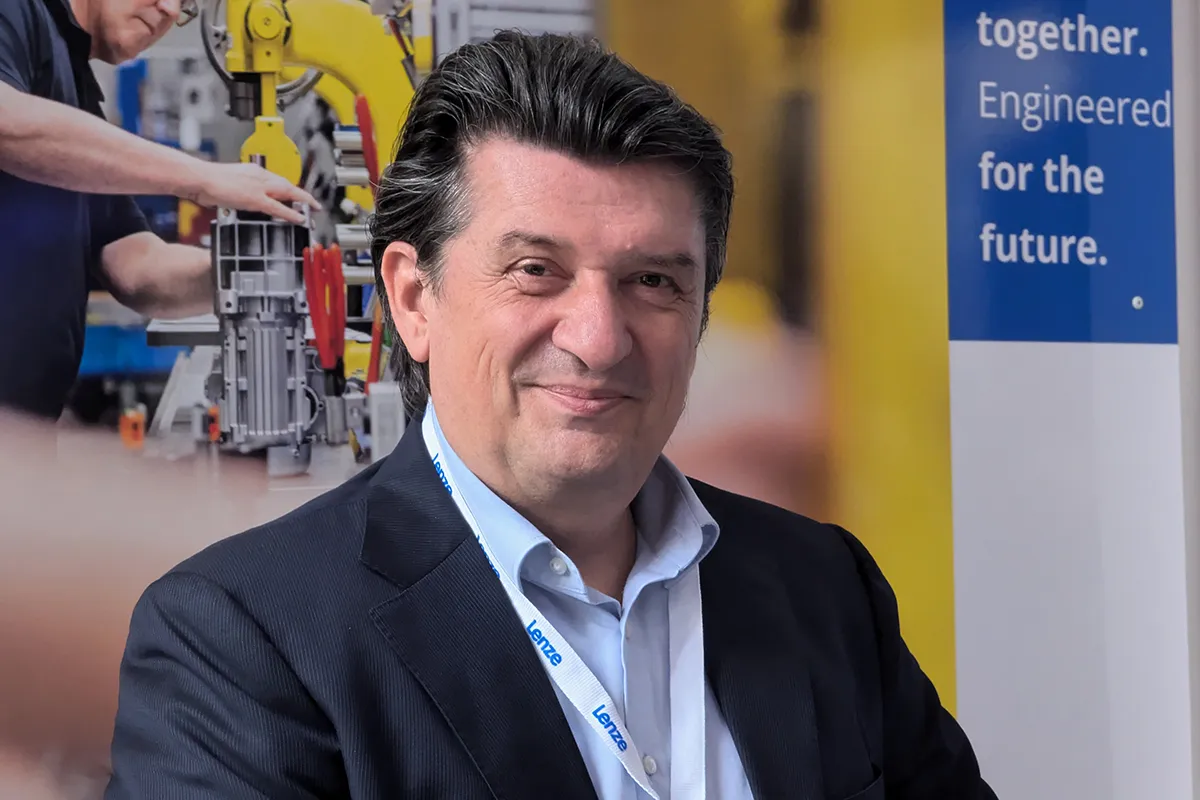
Marc Vissers of Lenze explains why adaptability, collaboration and smart technology are key to success in today’s volatile manufacturing environment.
A market in motion
The machine-building and manufacturing industries face a perfect storm of challenges. Global economic uncertainty, supply chain disruptions and a shrinking engineering workforce in Europe are forcing companies to rethink how they work. For many, the question is no longer whether they need to change, but how quickly they can adapt.
To explore these issues, we spoke to Marc Vissers, Marketing & Communication Manager at Lenze EMEA West, a company with almost 80 years of experience in automation and motion control. Marc works closely with customers across Europe, giving him unique insight into the sector’s transformation.
What is driving change?
“Industries need to do more with less and pick up the pace,” Marc begins. A simple statement, but one that perfectly sums up today’s reality. The drive towards automation and digitalisation is not slowing down. On the contrary, it is accelerating. Why? Because the convergence of operational technology (OT) and information technology (IT) is opening up new possibilities.
By combining real-time machine data with advanced analytics, manufacturers can optimise production efficiency, improve quality control and even manage energy consumption more effectively. This integration also paves the way for AI-driven insights and predictive maintenance, reducing downtime and boosting productivity.
But Marc warns: “The closer OT and IT move towards each other, the greater the challenge of securing data and machines.” Companies need to balance innovation with robust cybersecurity measures to protect sensitive production data.
According to Marc, the foundation for success lies in modular, standardised automation platforms. These systems shorten time to market, reduce costs and help companies retain critical knowledge in a rapidly changing labour market. In short, they provide the building blocks for sustainable productivity and profitability, helping companies stay competitive in a global market.
Large players vs SMEs: Different speeds, the same goal
Large OEMs have already embraced advanced production strategies such as Engineer-to-Order (ETO) and Configure-to-Order (CTO). These models offer flexibility and customisation, but require significant investment and organisational change.
What do these terms mean?
- Engineer-to-Order (ETO): Products are designed and developed entirely to meet unique customer requirements. This offers maximum flexibility, but involves longer lead times and intensive engineering. Ideal for complex, specialised machines.
- Configure-to-Order (CTO): Products are assembled from predefined components or modules based on customer choices. This combines customisation with efficiency, enabling faster delivery without a full engineering process.
For engineers, understanding these models is crucial, as they affect design, production planning and customer strategies. Choosing the right one can have a significant impact on a company’s ability to respond to market demand.
While large OEMs have the resources to implement these strategies quickly, SMEs face greater difficulties. “They are crucial to local economies and innovation,” Marc emphasises. “But they need to scale up, and fast.”
SMEs account for around 70% of the machine-building sector and contribute up to 35% of revenue in some European markets. They are also important drivers of innovation, often leading the way in product development and technological breakthroughs.
The problem? Many SMEs lack the financial and organisational capacity to make major strategic moves quickly. That is why supply chain collaboration is essential. “No one can do this alone,” says Marc.
The future: Four trends to watch
Marc sees four major trends shaping the sector:
1. Automation and AI integration
Automation is no longer optional, it is a necessity. AI solutions enable real-time data analysis, predictive maintenance and optimised production processes. Lenze’s FAST automation software and Digital Twin technology are examples of this. They enable engineers to simulate and test systems virtually, shortening development time and helping to address the engineering skills shortage.
2. Sustainability as a business priority
Sustainability is no longer a buzzword; it is a competitive advantage. Manufacturers are under pressure to reduce their carbon footprint, minimise waste and optimise energy consumption. Lenze is investing in energy-efficient drive and motor technologies, helping machine builders save costs and meet environmental targets.
3. Industry 4.0 and Digital Twins
The rise of Industry 4.0 is changing the way factories operate. Digital twins, virtual copies of physical systems, enable simulation, optimisation and troubleshooting before implementation. This speeds up decision-making and reduces costly errors.
4. Human-machine collaboration
Advanced robotics and intuitive automation systems are enabling closer collaboration between people and machines. Workers can focus on strategic, creative tasks, while machines take over repetitive or hazardous ones. The result? Higher productivity and greater job satisfaction.
Where should you start?
With so much change on the horizon, where should companies start? Marc’s advice is clear: “Start by collaborating.” Focus on functionality, not brands. Analyse your current OT/IT setup, listen to your customers and work closely with your supply chain partners. “If you don’t do it, someone else will,” he warns.
The first step is to evaluate your existing systems and determine where integration can have the greatest impact. Then build partnerships that will help you scale up, because speed matters in today’s market.
Adaptability is survival
The message is clear: adaptability, collaboration and innovation are not options, they are survival skills. For those ready to take the plunge, Lenze offers more than products; it offers partnership. With almost 80 years of experience and a future-oriented portfolio, Lenze helps machine builders turn today’s challenges into tomorrow’s opportunities.
Een zakelijke vraag aan Lenze BV? Get in touch
Companies in this story
Keep following this
Get an email when a new story is published. No account needed.
- ThemeFrom design to flexible machine
- SubjectSoftware, IT, OT & cybersecurity
- CompanyLenze BV







