












Software, IT, OT & cybersecurity
Learn from your machines: what if certain machine components never fail?
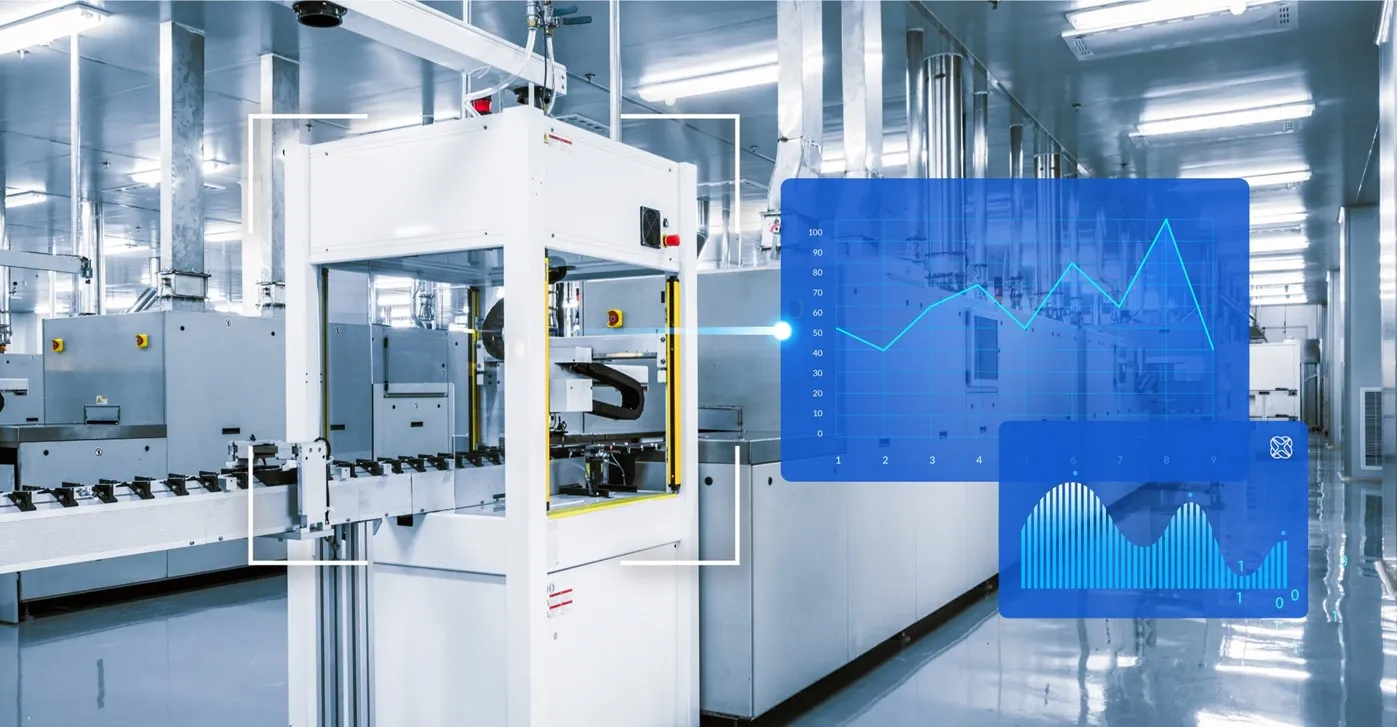
Have you ever considered that your machine components might be too good? There’s a good chance they are. Take advantage of this new business model and learn from your machines in the field to achieve significant savings.
You’ve probably heard that data-driven decision-making, including AI-based machine learning, neural networks and self-learning machines, is inevitable for companies that want to keep up with the competition. But, we hear you thinking: machine learning is difficult, and my automation platform doesn’t support it without significant investment. What’s more, some machines and equipment aren’t really capable of benefiting from these methods anyway.
How about learning from your machines to create new revenue streams?

Learning from your machines vs machine learning
As mentioned earlier, AI-based self-optimising algorithms and neural networks simply aren’t suitable for every machine builder yet. They’re not a reality for smaller machine builders, and for many they’re a long-term prospect at best. Most machine builders (and customers) are focused on creating a machine that runs smoothly and quickly, with high OEE. What’s more, most consider changing the PLC software on optimised equipment and machines a no-go, in keeping with the motto: ‘never touch a running system‘.
However, learning from your machines is a realistic step for every machine builder. New machines are like new cars: they have teething problems and need to be optimised. By learning from your machines in the field, you can eventually prevent components from failing or uncover other useful insights. Most machine builders have highly effective quality assurance systems, and root cause analysis helps identify and address faults and weaknesses in equipment.
What you can gain by learning from existing machines
Machine builders have systems for improving the quality of their machines throughout their service life, based on faults and corrective actions. They also pass this information on to their R&D department so that similar faults can be avoided in future equipment. But what if you collect and analyse data from your machines, benchmark multiple machines against one another and find that some components never fail or perform well below the expected design criteria?
It’s common for your design criteria and safety margins to be too high, because you’re trying to prevent failures in the field. But you’ll never get this feedback unless you look at your machine data, in keeping with the motto: ‘If it works well, don’t fix it.’
With this insight, you can downgrade machine components that are ‘too’ good and reduce the design criteria or safety margins in your redesign. This can lead to significant savings without any loss of quality. What would happen if you didn’t adapt and your competitor did? It’s certainly a business model worth considering for every machine builder.
Use case: redesigning your conveyor
When designing a conveyor, you calculated that you needed a drive package capable of delivering 4 Nm @ 200 RPM for correct operation, based on the load, friction and other factors. You set your safety margins at 20% and designed components to be sized for up to 4.8 Nm @ 200 RPM. Now that they’re running, you can start collecting data on specific components and processes over a longer period.
Look at all your machines around the world, monitor the PLCs and run advanced analyses on the data collected in the cloud. Suppose it turns out that the load is actually 3.8 Nm RMS across all machines and never exceeds 4 Nm. You can then lower the requirements for the drive package, cut costs and use what you’ve learned to reconsider your conveyor design’s safety margins.
Are you ready to find out whether you can save on certain components?
How to develop your own “machine learning” strategy
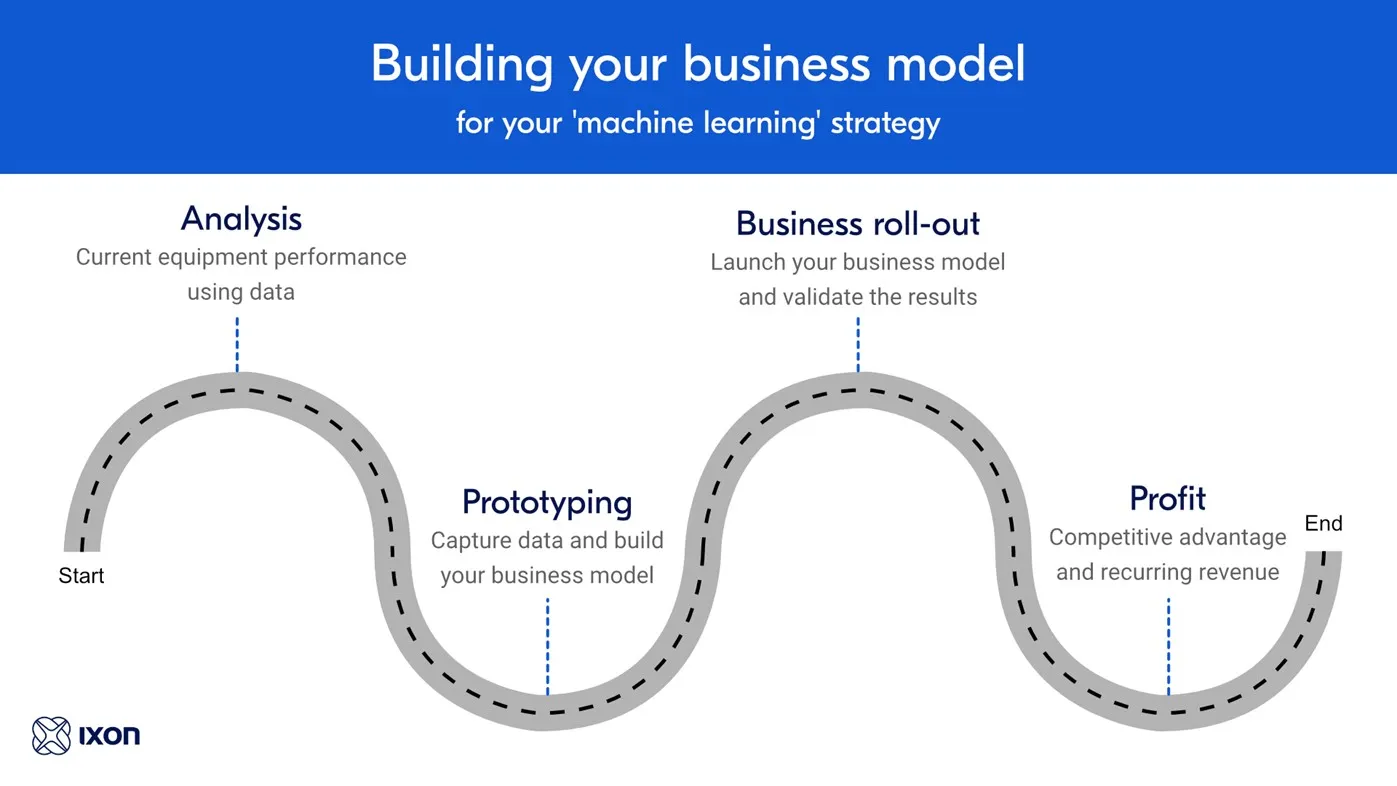
Learn from historical data from machines in the field in a practical and effective way, with minimal investment and a fast ROI, and build your own strategy around this new business opportunity. The list below may provide some inspiration:
1) Starting point: current equipment performance and required data
The first stage is to analyse the current methods for replacing components across your machine fleet. Identify which components are replaced regularly and which are not. Establish whether data are being recorded that have a clear statistical relationship between the data value and the condition of the component in question.
Some data will show a clear correlation between standard PLC variables and components, while other cases may require additional variables to be defined and collected, or even extra sensors to be used. An edge gateway can send PLC data in bulk from machines in the field to the cloud.
2) Prototyping and testing
The next step is to determine the minimum and maximum values for your safety margins. Analyse the performance of your machine components and determine which need improvement and which can be scaled back.
Conduct internal tests on the components in question to strengthen or disprove the hypothesis. Use these insights when designing your next machine.
3) Rolling out the business model
Determine how you can reduce your safety margins and implement this in your next redesign to achieve significant savings.
Cut costs on machine components that are “too” good
Want to cut costs in your machine design? By learning from your machines in the field and redesigning components with excessively high safety margins, you can increase profits and gain a competitive advantage.
If you need advice on how to get started with learning from your machines, feel free to contact one of our industry experts.
Question about this story? Ask your question
Keep following this
Get an email when a new story is published. No account needed.
- ThemeData from shop floor to decision
- SubjectSoftware, IT, OT & cybersecurity







