












Software, IT, OT & cybersecurity
How Agristo optimises production processes with a centralised data approach
Text Jeroen Coussement Beeld Factry

Imagine if access to process data were as commonplace as electricity or tap water. Belgian potato processor Agristo proves that this is no longer a vision of the future. By bringing IT and OT together on a single central platform, it makes process data accessible to everyone in the organisation. The result? Better decision-making and a more efficient production process to which every employee can contribute.
In the past, process data often remained confined to a factory’s automation systems, accessible only to a small group of technicians. As a result, valuable insights were limited to a select few. Today, that is no longer enough: more and more departments, from management to logistics and quality control, need access to production data to better understand and optimise processes.
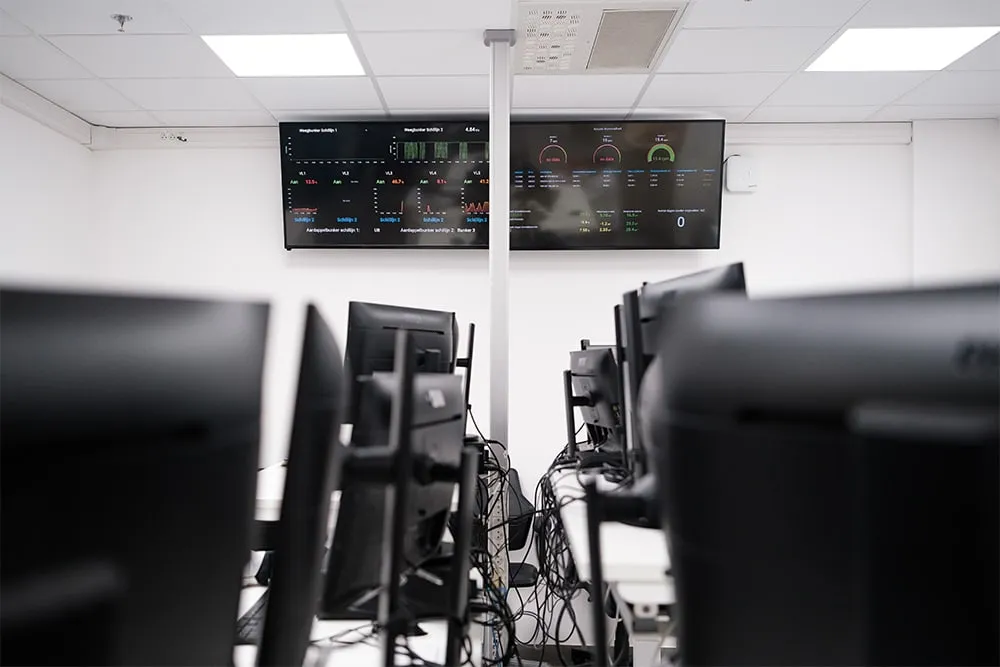
From fragmentation to a central platform
OT systems are primarily designed for reliability and continuity, but are often not suited to providing scalable access to data. IT systems, by contrast, are built to process large volumes of data and make it widely accessible. A central IT infrastructure is essential for making process data from OT systems accessible to everyone in the organisation.
Many Flemish manufacturers are still lagging behind when it comes to centralised data management. Despite growing awareness, and fortunately, increasingly more action, data projects are often still carried out in isolation, with a separate infrastructure for each project. This makes them costly and complex, as well as making it difficult to respond quickly to new requirements.
Companies that want to make their process data widely accessible and get the most out of it need to move away from project-based solutions, isolated tools and data silos. With a modest investment in a central IT-level data infrastructure, they can launch new data projects more easily and cost-effectively. It also becomes easier to implement initiatives within a Unified Namespace.
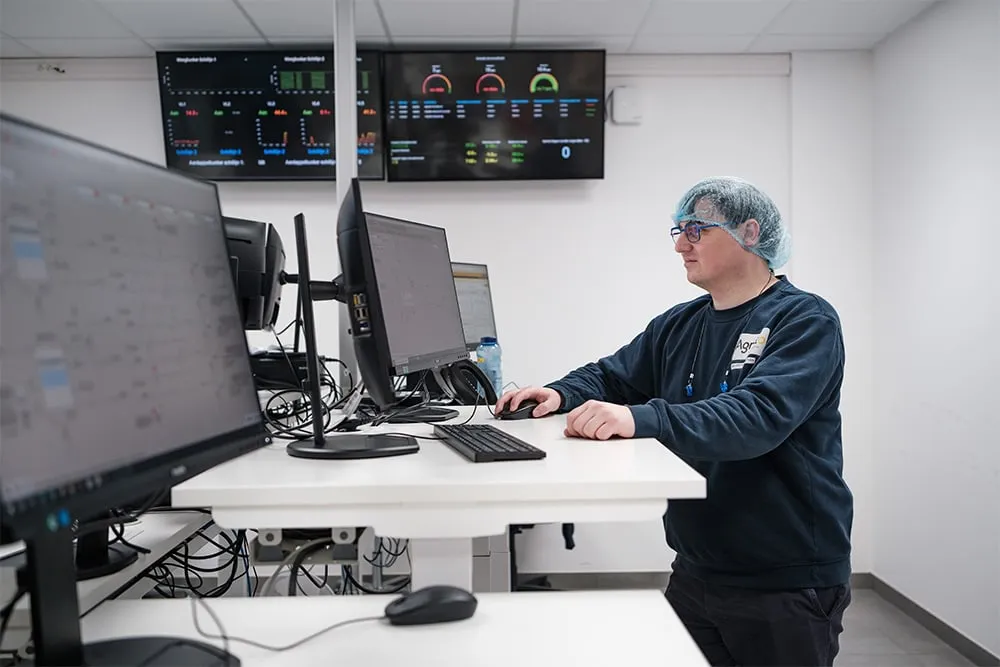
OT-IT integration in practice
Belgian frozen potato products producer Agristo shows how a centralised data approach works in practice. It uses the Factry Historian data platform to improve production analysis and make process data accessible to a wide range of employees. This enables operators and managers to make decisions based on concrete data rather than intuition.
The platform also acts as a secure ‘sandbox’, separate from the company’s OT systems. This allows employees from different departments to collect, analyse and experiment with real-time process data without operational risks. This open data culture has led to smarter decision-making, greater efficiency and better quality control. Visual insights into critical KPIs enable them to respond quickly to deviations, resulting in less downtime and higher output. Access to historical data also makes it easier to identify quality issues and resolve them in good time.
Without a central data infrastructure, an organisation risks becoming bogged down in costly, isolated data projects and a confusing collection of tools. A central platform makes it possible to launch projects more efficiently, scale up faster and be better prepared for challenges such as AI. Agristo’s example proves that this approach delivers tangible benefits: less unplanned downtime, improved quality control and a more profitable production process.
Een zakelijke vraag aan Factry BV? Get in touch
Companies in this story
Keep following this
Get an email when a new story is published. No account needed.
- SubjectSoftware, IT, OT & cybersecurity
- CompanyFactry BV







