












Software, IT, OT & cybersecurity
Fully up to date on digitalisation, sustainability and Industry 4.0
Text and images Valérie Couplez
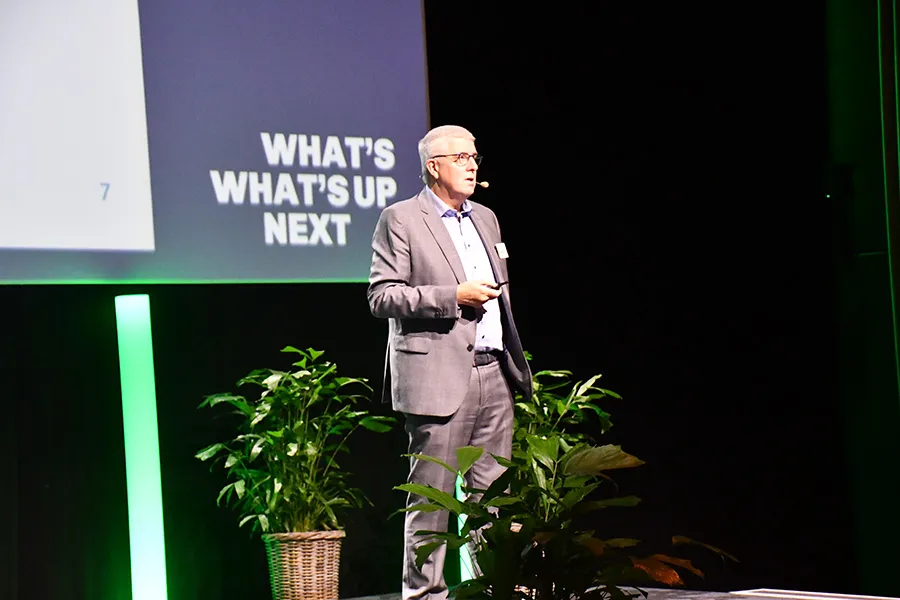
The challenges facing industry are formidable, need we say more? Innovation will be crucial to strengthening the competitiveness of European companies. #industriepartnerschap aims to help companies take steps in this direction. The organisation brings together the knowledge and experience of sixteen Flemish innovation partners. At the What’s up, What’s next event, they brought the audience up to date on the latest developments in digitalisation, sustainability and Industry 4.0. The mission? To inspire, raise awareness and connect. Attendees also had plenty of opportunities to network and put their projects to experts.
One striking feature of this edition was the breadth of its programme. Before exploring the three themes (digitalisation, sustainability and Industry 4.0) in deep-dive sessions, the event took a closer look at the importance of innovation. Pieter Timmermans, CEO of VBO, presented the figures and also sought to explain the impact of the US Inflation Reduction Act compared with the European Green Deal. “The Flemish government has made innovation a spearhead through a clear strategy. Thanks to additional support, but also to the efforts of our entrepreneurs, on whom we ultimately depend, we have moved from the middle of the pack to the top in Europe. There is still a way to go, of course, but these efforts are also paying off. The number of patent applications has risen significantly too. Perhaps we are still a little too modest about drawing attention to these impressive achievements.”
Innovating for sustainability
Both the US and European governments are also providing considerable encouragement for innovation. The US Inflation Reduction Act is worth 200 billion in tax incentives. “The United States aims to cut emissions by 40% by 2030 through this act. It is all about cleantech. Should we be worried about losing our competitive edge in this field? No, not yet. By way of comparison, in Massachusetts they were proud of four wind turbines they were going to install off the coast with this support. We already have hundreds here. Should we be worried that our tech companies will move there to benefit from these attractive incentives? Perhaps, which is why it was important for Europe to have its own industrial plan too.”
That plan was launched in February this year. It is intended to simplify regulation, accelerate access to finance, improve ‘new’ skills and promote open trade for resilient supply chains. Timmermans calls it “an opportunity”. “R&D is crucial, especially for us. We have no raw materials in the ground, only what is in our heads, so let’s turn that into an export product. The US Inflation Reduction Act woke us up. May this mark the beginning of a revival in industrial policy in Europe.”
Climate as a driver of economic growth, and vice versa
The areas best suited to this innovation, as you might expect, were then explored in the three deep-dive session tracks. Before that, we were treated to a second keynote.
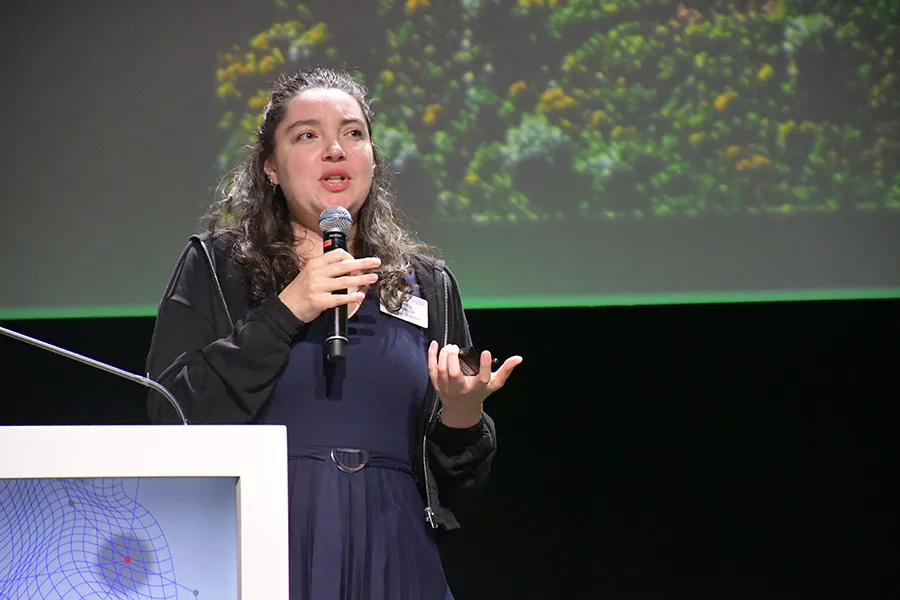
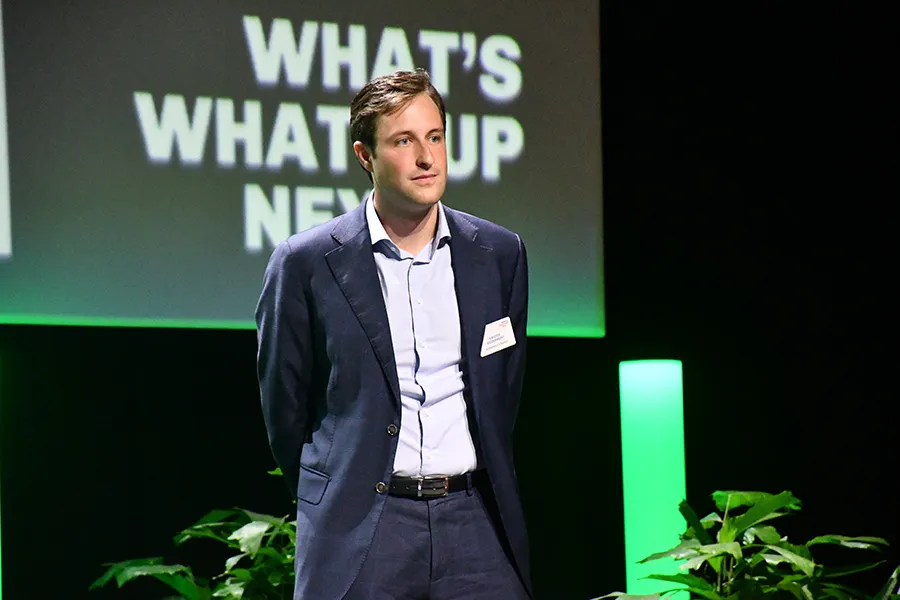
In their book ‘De Klimaatschok’, Yanaika Denoyelle and Kristof Eggermont calculated the impact of twenty concrete actions that governments, businesses and citizens can take to meet climate targets. They cited several striking examples. “Economic growth can act as a driver in tackling the climate challenge. Since 2007, several countries have managed to stimulate their economies without increasing CO2 emissions. This decoupling is therefore no obstacle to greater prosperity. Industry has also already made considerable efforts to reduce CO2 emissions. They have fallen by a third since 1990. To meet the climate target, we need to reach -58% by 2030. So let’s look at the opportunities this offers to keep industry here and improve quality of life.”
Intensifying collaboration
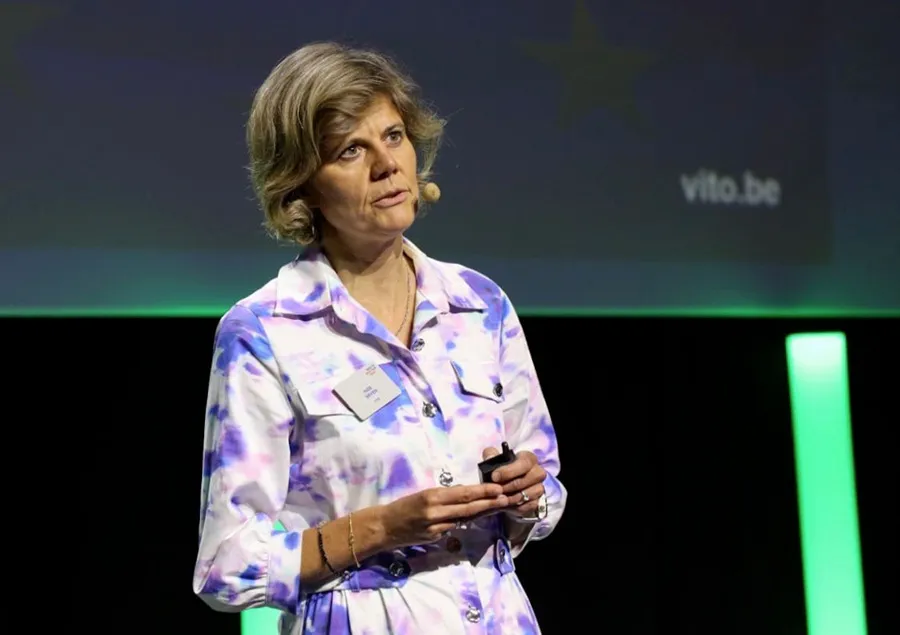
Inge Neven, the newly appointed CEO of VITO, brought the day to a close with a final keynote, making the case for intensive and sustainable collaboration. “There are two major prerequisites for finding a new equilibrium,” she said. “We have to do it together, and we have to do it now.” Neven strongly believes in the digitalisation of data and artificial intelligence. “We are on the brink of a revolution driven by AI and digital data. We must not let ourselves be paralysed by the complexity and scale of the challenges we face. We have to dare to take the leap, choose models, put them into practice and measure again. We can use that data to feed the model again and adjust it where necessary.”
Question about this story? Ask your question
Keep following this
Get an email when a new story is published. No account needed.
- ThemeData from shop floor to decision
- SubjectSoftware, IT, OT & cybersecurity







