












Software, IT, OT & cybersecurity
Factory of the Future: ready for AI agents on the production floor
Text Katrien De VochtImage Devoteam
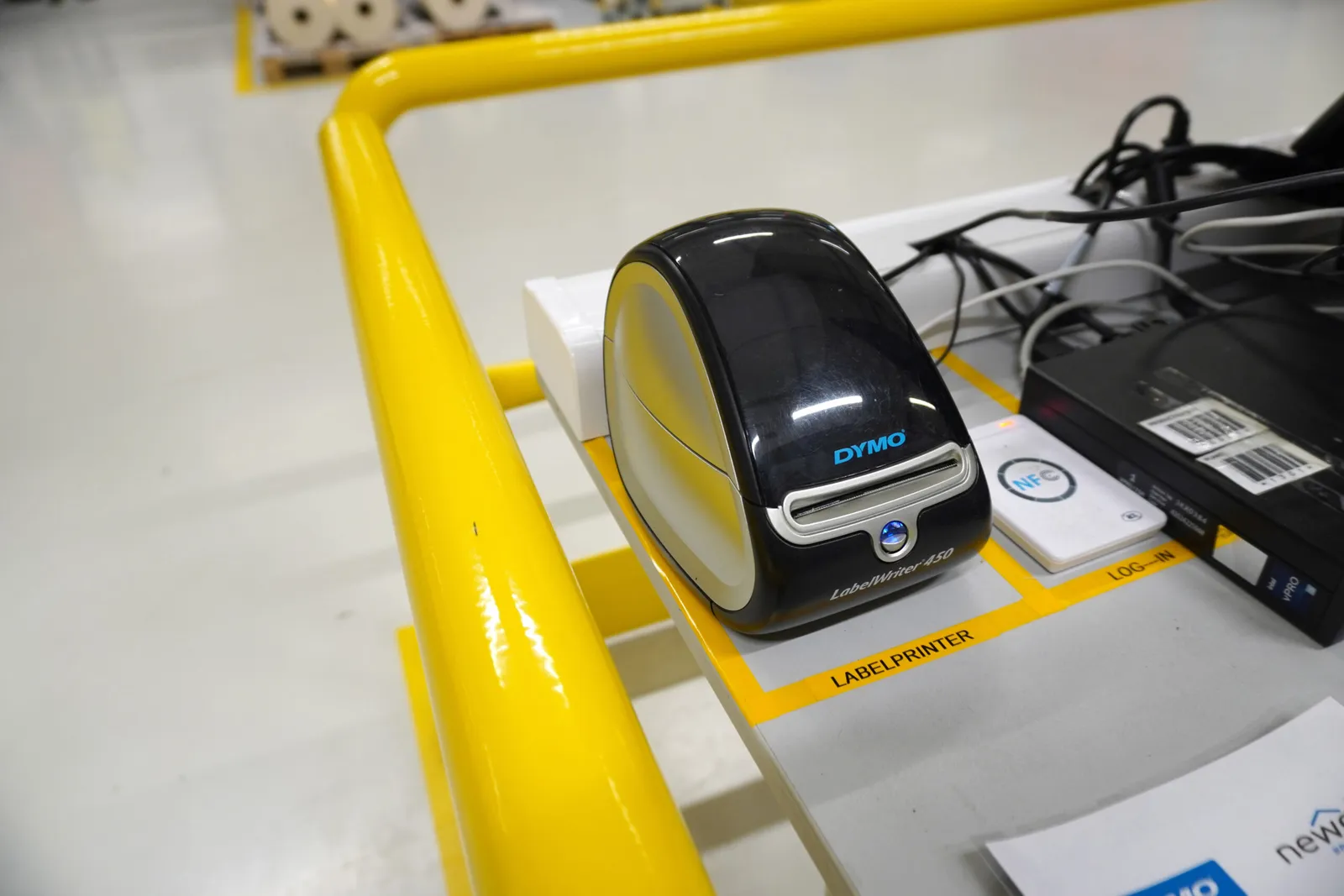
Recent figures from the European Commission show that the Nordic countries are leading the way in AI adoption. Belgium is making significant headway, including in manufacturing. In this context, Dymo is a striking example, or rather, a digital pioneer. Its data is already driving the factory of tomorrow.
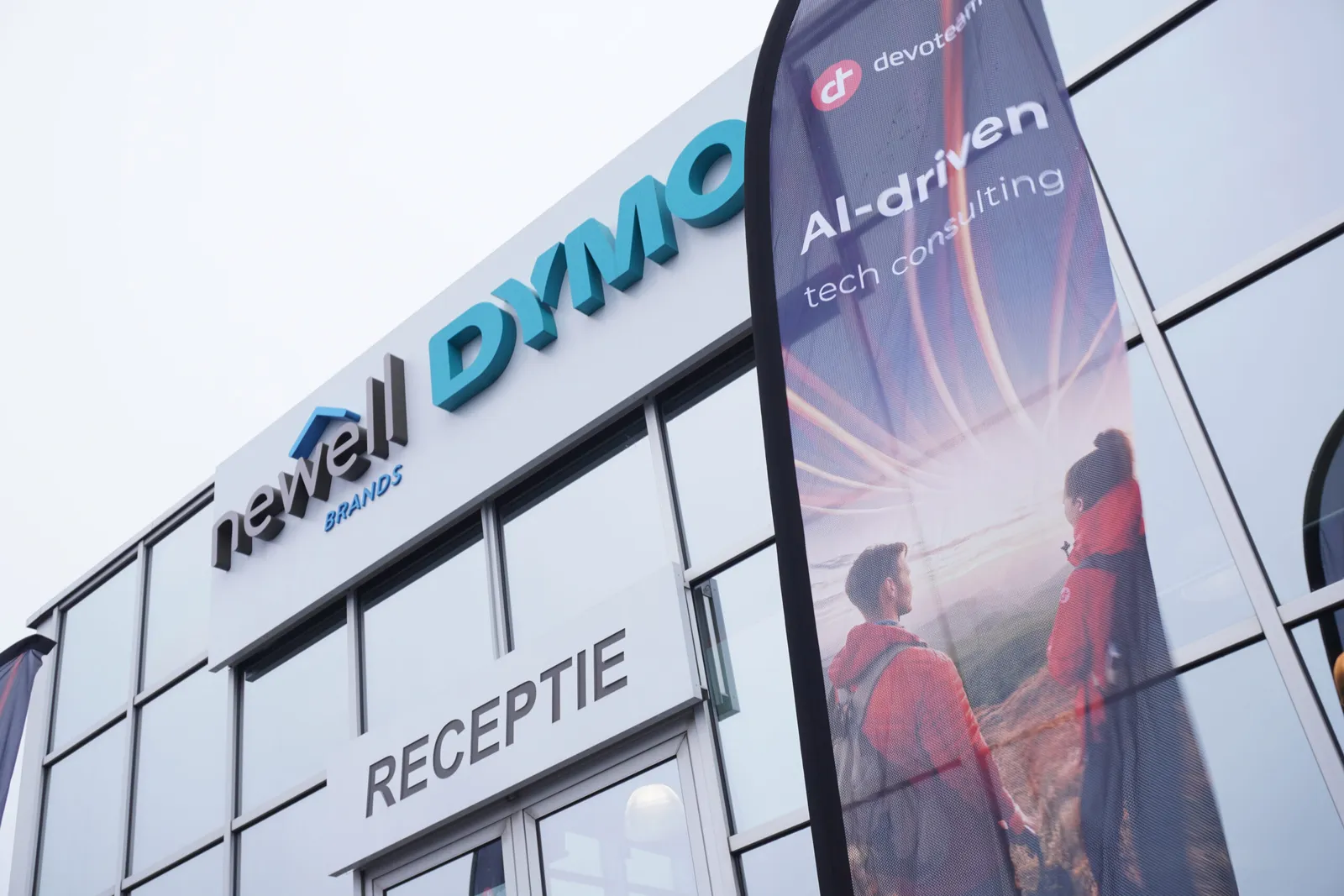
In February 2025, Dymo, part of Newell Brands since 2005, was awarded the coveted Factory of the Future label. On 20 November, Belgian manufacturers were invited to Sint-Niklaas to see for themselves what lies behind the title. Together with partners Devoteam, Microsoft and Ometa, Dymo showed how a six-year transformation programme has evolved into a data-driven industrial site, ready for AI agents on the production floor, with people still very much at the centre. Industrial Automation was there.
Towards a data-driven ecosystem
Despite a highly automated production process, Dymo faced a number of challenges: fragmented data, time-consuming administration and no easy, real-time access to crucial production information. The data was there, but difficult to access and therefore underused.
To bridge that gap, Dymo called on Devoteam’s tech architects. Their mission was to build an integrated digital environment where data would no longer be lost, but instead become the engine of growth, efficiency and innovation. After thoroughly analysing all the information carriers on the shop floor, Devoteam structured the data, eliminated unnecessary steps and deployed a scalable digital platform. Today, Dymo can collect, structure and analyse production, demand and inventory data in real time, giving every employee a clear view of what is actually happening at any time.
“The days of sharing information on the shop floor via paper, Excel and email are behind us. Our digitised data is now structured and immediately accessible. This enables AI agents to interpret reports. It’s a huge step forward,” says Arnold De Ploey, expert director at Devoteam.
From push to pull
Dymo’s digital transformation led to an automated pull system for production planning. Whereas orders used to be entered manually and based on projections, the system now automatically generates production orders in response to actual global demand. This is a game changer: thanks to the data platform, the focus has shifted from simply digitising processes to managing them more intelligently.
The digitised chain enables production to adjust itself based on real-time data. The three global distribution centres, for example, help determine how much is produced in Sint-Niklaas.
Internet of people
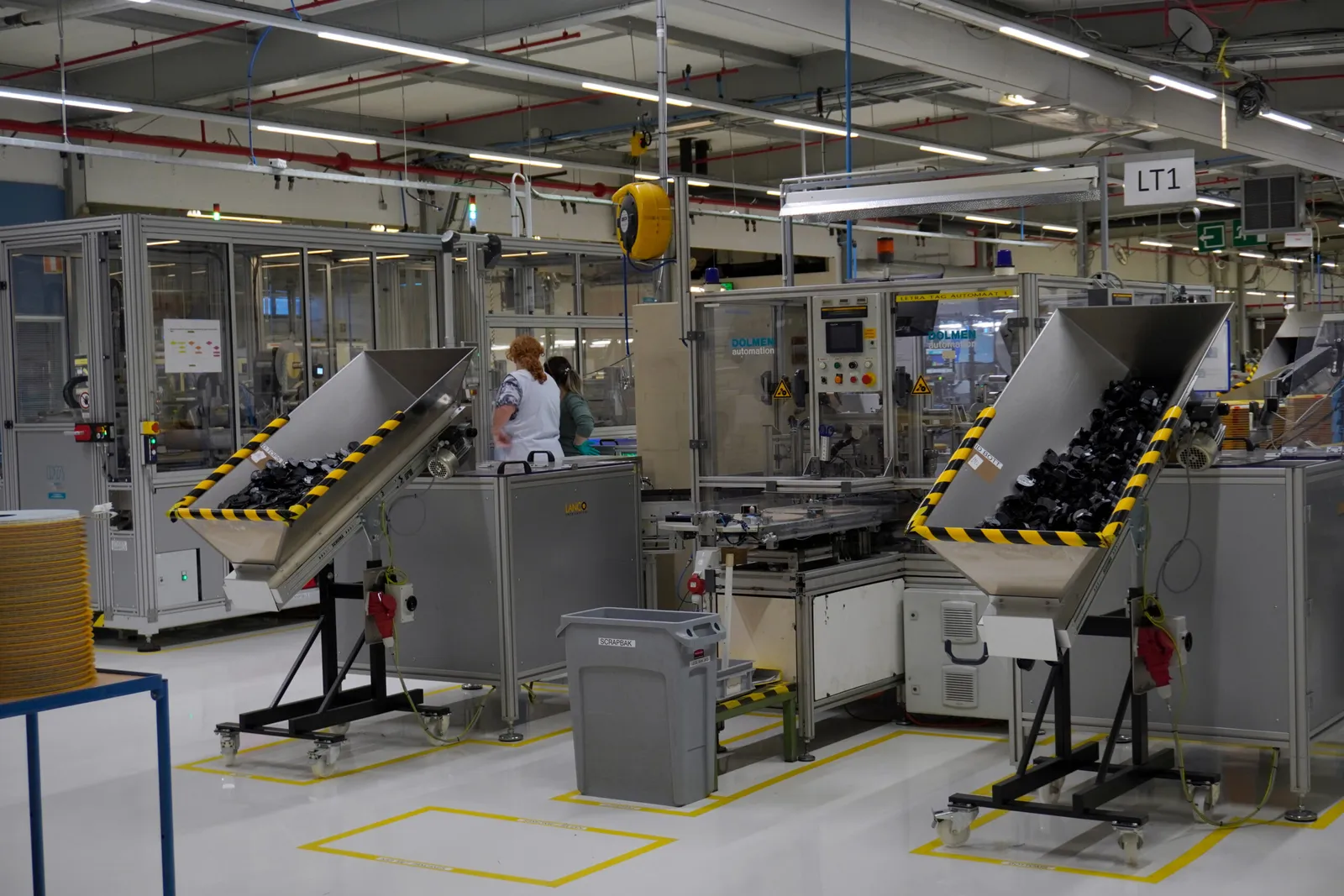
It is a distinctive digital story, but one that places the emphasis on collaboration between people and machines. This kind of intelligent ecosystem is characteristic of Industry 5.0.
Niels Brack, digital innovation manager at Dymo: “AI models need more than just machine and process data. They also need the context provided by the people on the shop floor. Which tools do they use? What exceptions do they encounter? Which signals can they recognise faster than a sensor? By combining structured and unstructured information, from sensor data to operator comments, proof of concepts are now being developed for predictive maintenance and AI-driven interventions, among other things. It’s also important to remember that everything here started on a small scale. Think of AI suggesting a response, which a person then adjusts before it is rolled out to broader, more urgent use cases. This keeps the operator in the driving seat and makes technology an enabler rather than a replacement.”
Dymo’s Factory of the Future shows that a fully digitised production chain is not a destination, but a starting point: a solid foundation on which AI agents, predictive maintenance and human-centred automation become a natural next step. Anyone walking through the production halls on 20 November would have seen one thing above all: the factory of tomorrow is built through many small, considered steps. And through data finally doing what it should: enabling better decisions every day.
Question about this story? Ask your question
Keep following this
Get an email when a new story is published. No account needed.
- SubjectSoftware, IT, OT & cybersecurity







