












Software, IT, OT & cybersecurity
Digital twins boost machine development
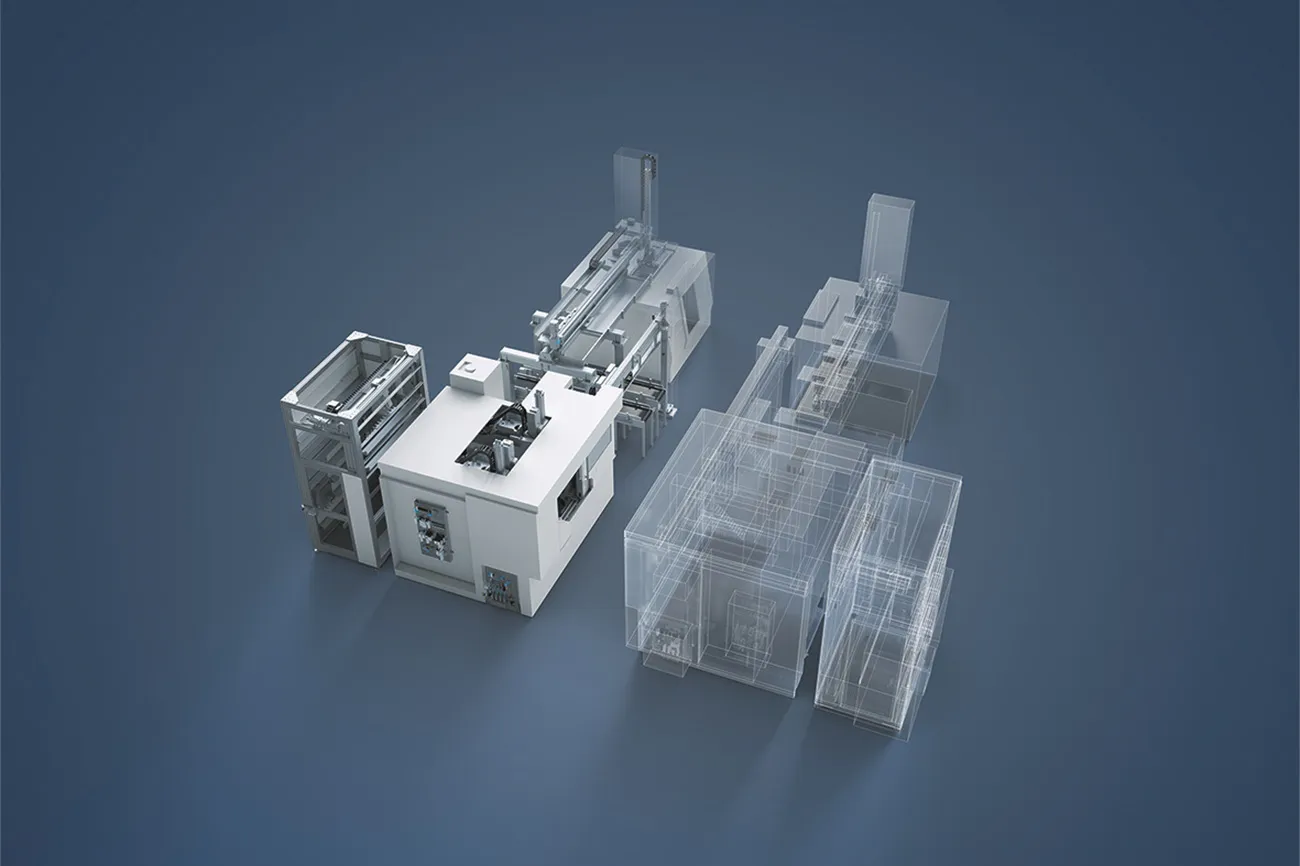
Festo’s first automation components are getting their digital representations.
Shorter time to market, more efficient engineering, greater functionality and higher quality: these are the benefits of a digital twin for machine builders and integrators. Festo is working hard to equip its automation components with a digital twin: a digital representation based on the Asset Administration Shell (AAS) standard. The company has joined forces with other international automation partners and the Industrial Digital Twin Association, as machine builders and integrators are calling for standardisation. The benefits of digital twins were demonstrated at Hannover Messe using a jointly built machine for a labelling application.
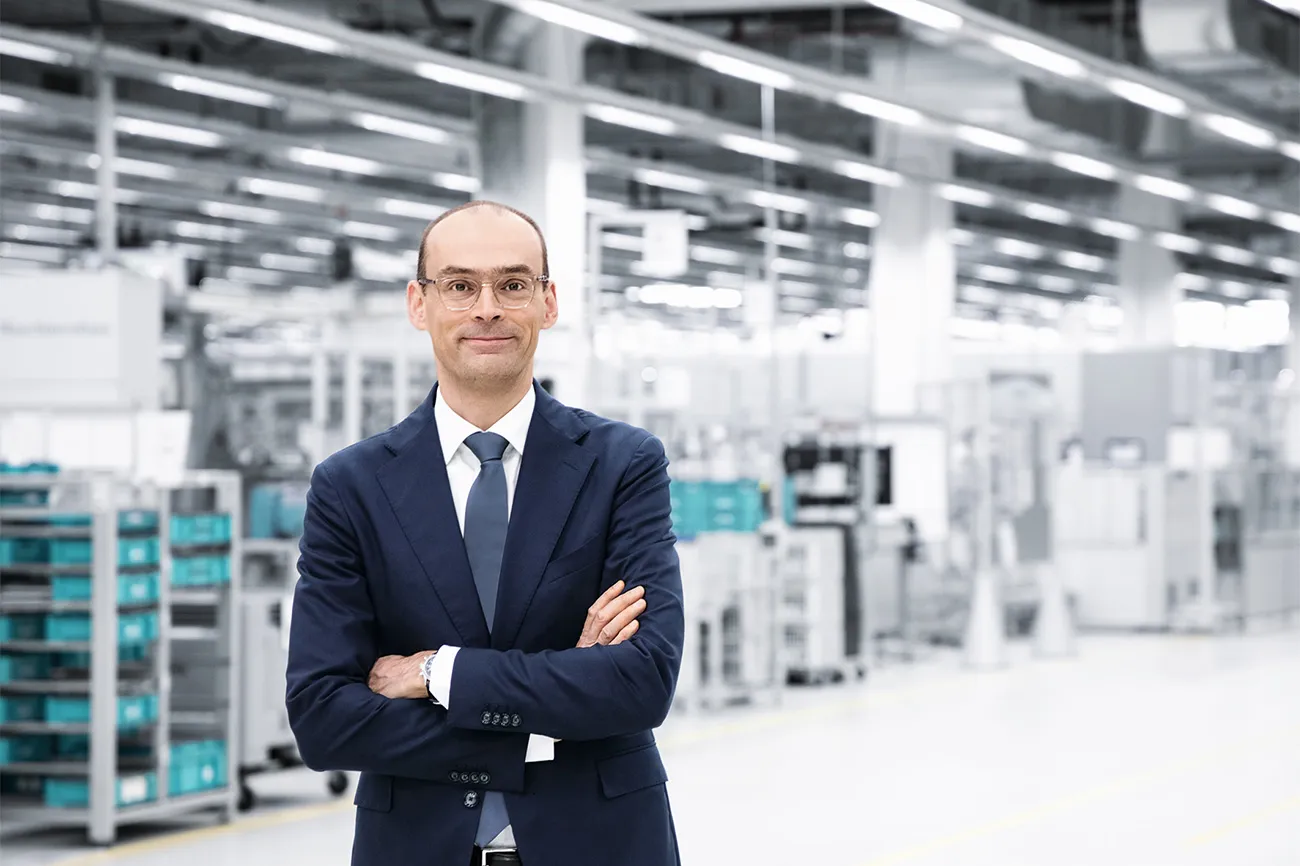
Digital twins can be used at different stages of engineering, depending on the application. “Machine builders and integrators are increasingly asking for digital twins, so that they can develop their machines and systems faster and make fewer errors in the process,” explains Gerhard Borho, Festo’s Executive Board member for Digitalisation. The ‘digital first’ principle continues to develop step by step. Components and machines are developed virtually as far as possible before the hardware is produced. This also applies to testing and system integration. Similar developments can be seen in digital factory planning.
Shorter project times
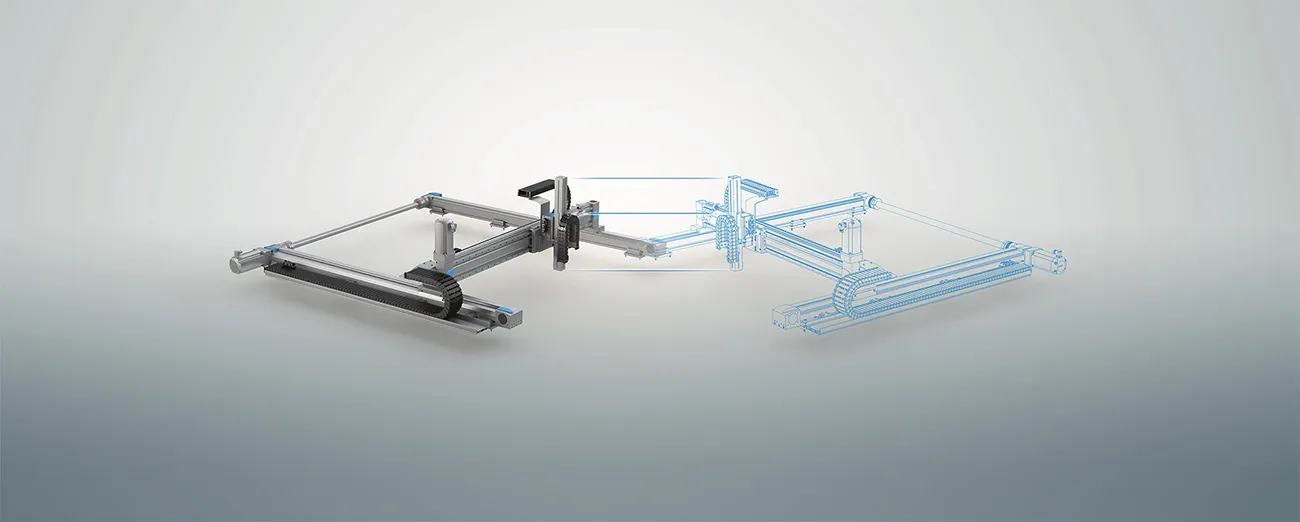
Shorter development times increasingly require machine builders to carry out engineering in parallel. Digital twins must therefore accurately replicate the capabilities of components, including their physical behaviour where necessary. This significantly shortens the duration of customer projects and increases productivity. Before a machine developer has even assembled the machine hardware, they can simulate, test and modify it. Using the virtual model, machine builders can, for example, design and programme optimal, efficient handling systems. This makes it possible to identify and correct errors at an early stage, making a significant contribution to efficient and stable operation later on.
Digital twins of automation components are much more than 3D models that move virtually. They are digital representations containing all kinds of information about the components, such as a clear description of their properties, the underlying documentation, their behaviour, for example simulations of their movements and forces, and how to communicate with them, including their function in the machine.
Focus on the entire lifecycle
Industry 4.0 machine architecture is based entirely on digital twins. Thanks to their standardised communication interfaces, they make life easier for our customers throughout almost the entire lifecycle of a machine: from virtual commissioning and machine control to data acquisition and value-added, data-driven services such as maintenance or diagnostics. Behavioural models of pneumatic functions were used for the virtual commissioning of the labelling machine demonstrated at Hannover Messe. Further time savings come from spending less time searching catalogues or support portals, and compiling machine documentation.
Until now, each automation component has had a wealth of data in different formats, such as CAD and PDF files, or even paper manuals. This made data management cumbersome and difficult to access throughout the lifecycle of an automation product. This lack of digital continuity also made it difficult to fully connect all objects to a network. Festo is therefore working with consistent communication technologies such as OPC UA, which can communicate across all networks. Ultimately, the administration shell serves as a central source of information, enabling digital twins to be used throughout a component’s service life.
Digital twins simplify processes from the planning stage and the preparation of specific design proposals. “Intelligent algorithms can be used to design and configure components that are optimal and energy-efficient at the same time,” adds Festo’s Executive Board member for Digitalisation.
Commissioning benefits
Using a virtual model, for example, the developer can test whether the slide can be moved and inspect the encoder data or the signal from the end-position sensors. If the developer wants to create control sequences for the machine, they can easily do so using the components’ functions, such as extending, rotating or gripping.
Other value-added services can also be implemented using digital twins. The condition monitoring function, for example, generates a message when operating components are nearing the end of their service life. The machine’s digital twin can then automatically order spare parts. If newer models of the parts to be replaced are available at that point, the customer can use the virtual environment to test how the new parts work before ordering them.
Condition monitoring can also be used in combination with the simulation models of digital twins to schedule predictive maintenance. In addition, customers can use digital twins to develop and test subsequent modifications, optimisations or reconfigurations on the virtual model before implementing them on the machine. This also speeds up the process.
Together with other component suppliers, Festo has included the digital twins of its electric and pneumatic automation products in a use case that gives machine builders and integrators the opportunity to experience the benefits of digital twins live in Siemens engineering tools.
For more information about Festo products and services, visit: www.festo.com
A business enquiry for Festo? Get in touch
Companies in this story

Keep following this
Get an email when a new story is published. No account needed.
- ThemeFrom design to flexible machine
- SubjectSoftware, IT, OT & cybersecurity
- CompanyFesto
- CompanyHANNOVER MESSE







