












Software, IT, OT & cybersecurity
Connecting people and machines
Text Valérie CouplezImage Aaltra
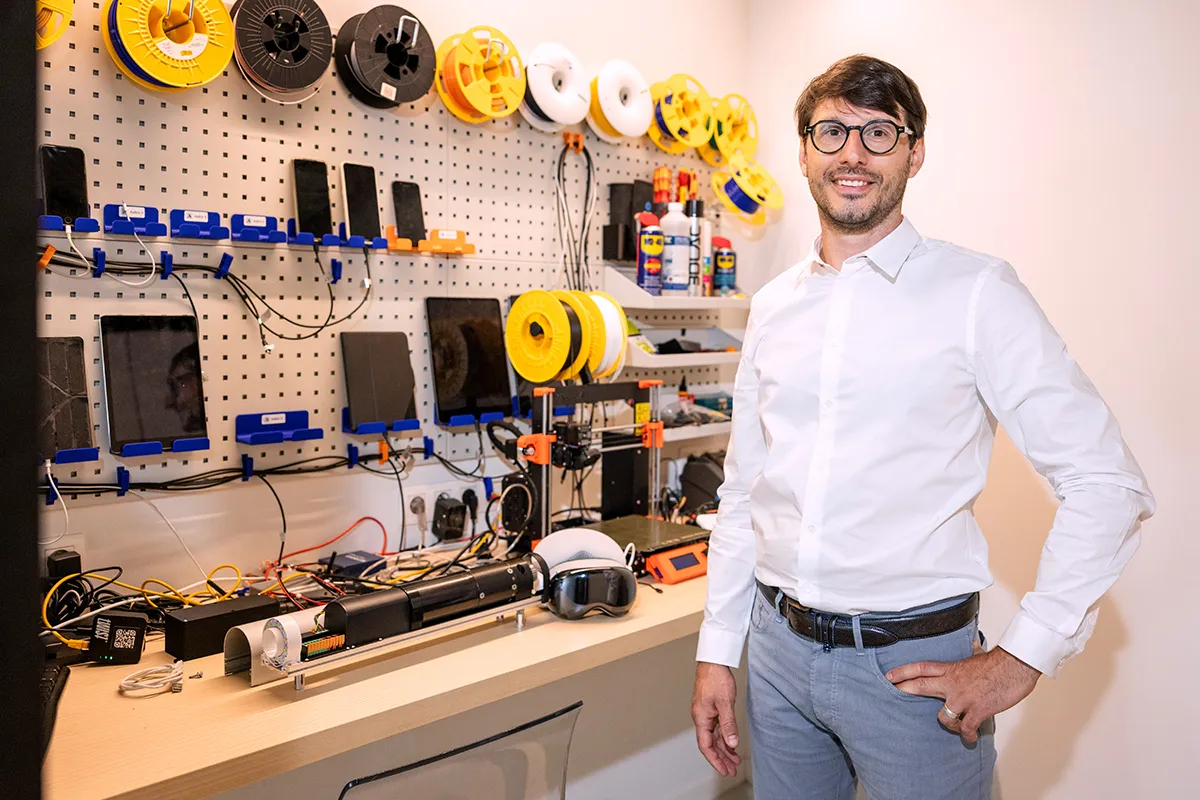
Design and technology. It may not be the first combination that comes to mind, but in the world of IoT it is an important one. The aim is, after all, to build applications that work well and are easy for a large group of end users to access. Aaltra has planted its flag at precisely this intersection, with several impressive references already to its name. A conversation with founder and CEO Pieter-Paulus Vertongen.
Entrepreneurship was always in his blood. While studying, Vertongen built websites. That was how he met his first client, Qbus, a home automation specialist. It was there that he first encountered IoT. “Love at first sight,” he laughs. “How amazing is it that entering something on your smartphone can bring about physical changes? But that takes two things: an application with real technological depth that is also incredibly user-friendly. That’s what we want to build.”
Good design as a starting point
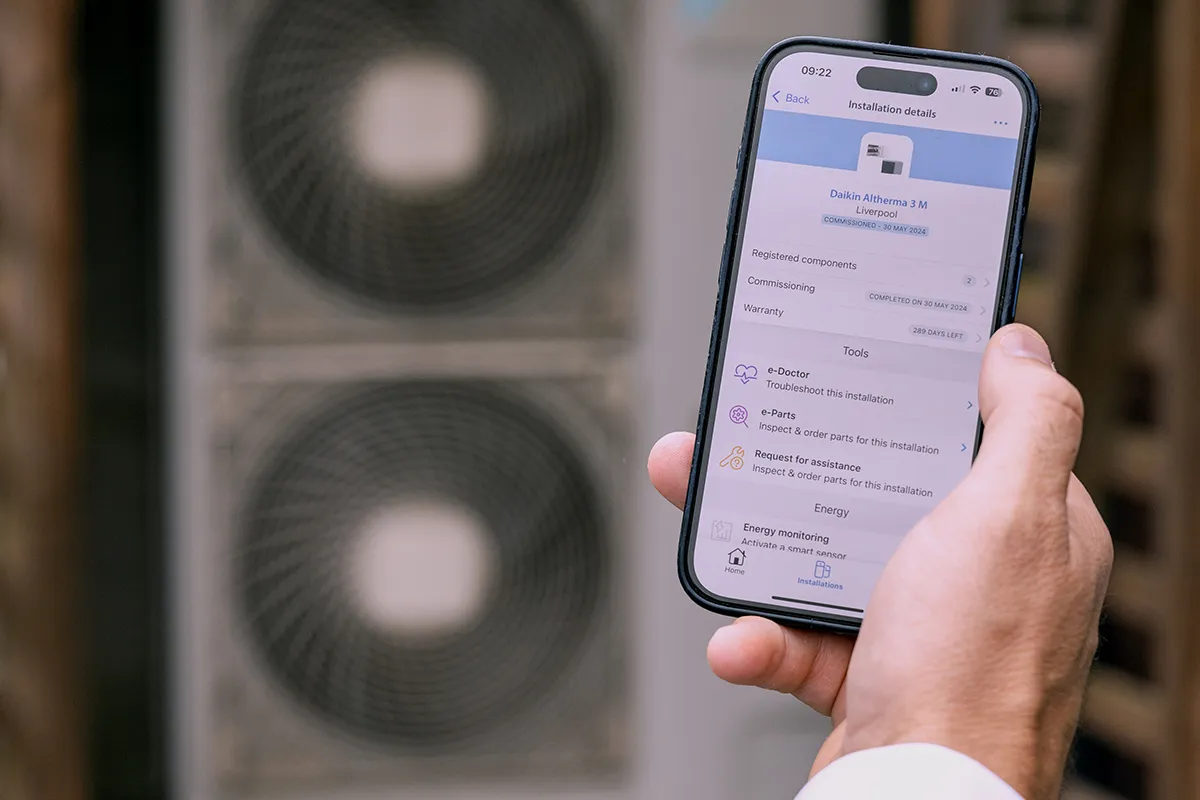
Aaltra has been doing just that since 2007. It now employs sixteen developers, which is hardly surprising. More unexpectedly, it also has four designers on the payroll. “Good design is the starting point for a smooth user experience. Everyone should be able to use your application.” Vertongen gives the example of the e-Care application it developed for Daikin, which is used by 20,000 installers across Europe. “Instead of carrying a thick folder of manuals for all the different models, they now only need to take their tablet to the customer. The application helps them commission new installations and, in the event of a fault, tells them what each error code means and how to resolve the problem. This helps installers, but also Daikin, which benefits from a stronger reputation in the market.”
Barriers to IIoT
Despite the considerable potential demonstrated by this case, IIoT is yet to gain much traction in industry. Vertongen sees two barriers. “On the one hand, you need to make the business case stack up. Five years ago, IIoT suffered the same fate as AI today: everyone jumped on the bandwagon. But in the end, the financial case has to add up. If IIoT does not solve a problem, it will not last long.” The second barrier is cybersecurity. “In the early years, this was often bypassed to build cheaper applications. That gave IIoT a bad reputation. With the Cyber Resilience Act, that is no longer an option. IIoT applications must also be secure by design. That is something we have taken care of since the very beginning.”
Unlocking value
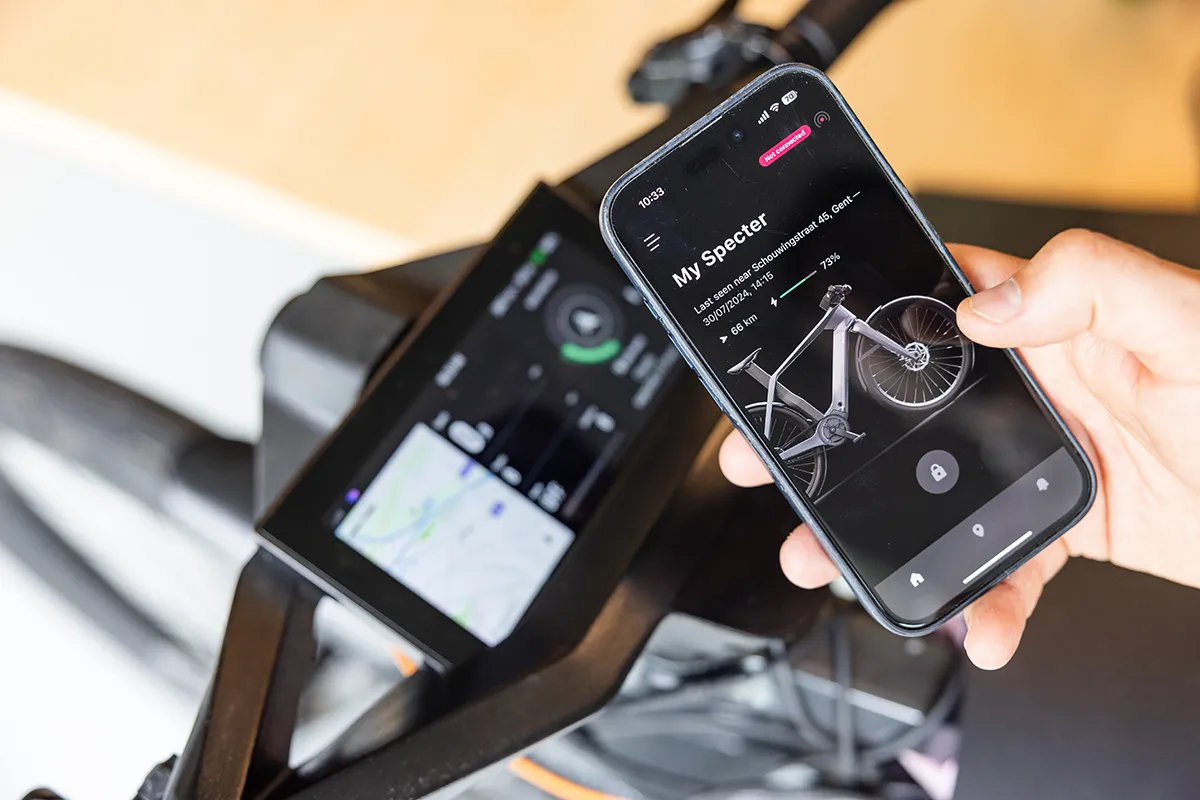
Vertongen points out that, when done right, IIoT really does deliver. “If you no longer have to walk around checking all the mousetraps, because you have IIoT monitoring them, you gain operational efficiency. If you know when a compressor is running and when it isn’t, you can save energy. It’s about unlocking value for your customer.” Bicycle manufacturer Specter wanted to give users of its speed pedelecs a unique experience. “The bikes are connected. All the sensor data from the bikes is visualised on a hub, which also connects to an app. That’s useful for the user, but also for Specter. This lets you push new updates via IIoT, so you can bring your bike to market sooner with a roadmap of features to come. Or generate revenue from updates later on.”
The future of IIoT
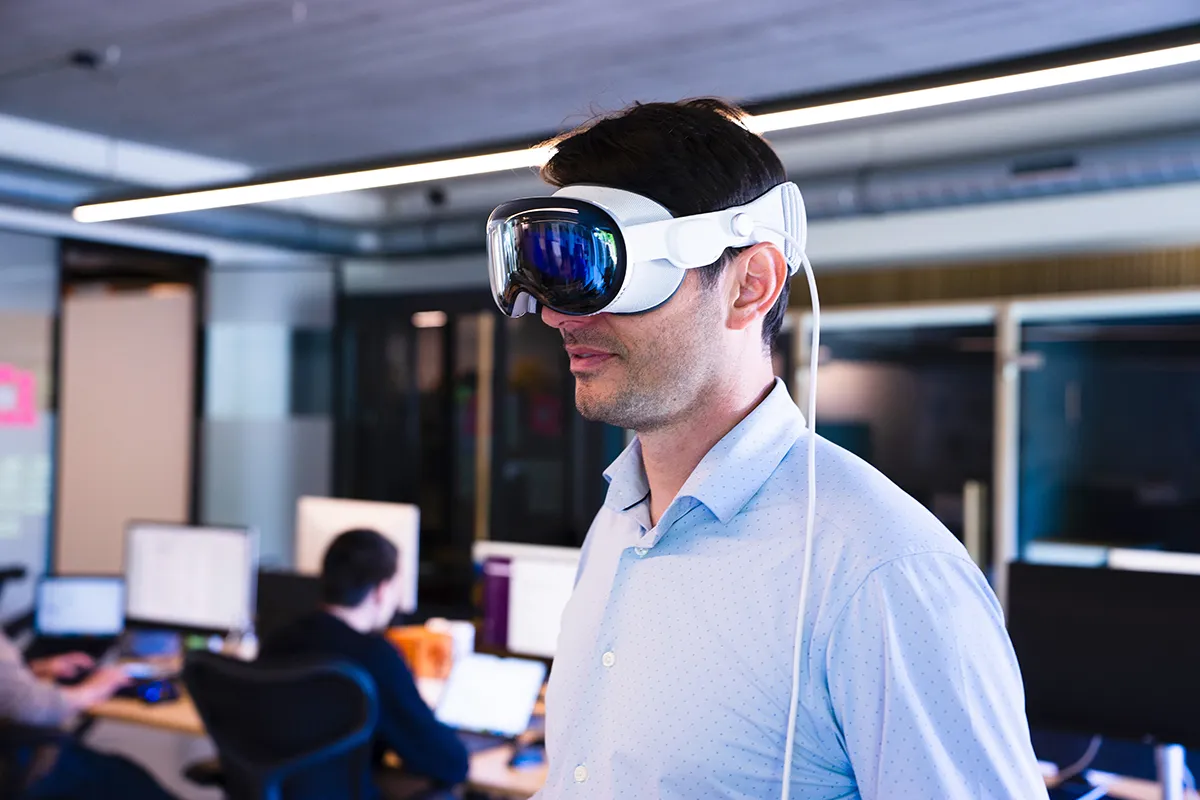
New technologies such as AI and augmented reality (AR) will only increase that value. The building blocks are already in place. Vertongen points to an application they built for Lightstream, a consultancy specialising in electrical installations in industrial environments. “With Apple Vision Pro glasses, technicians can see digital information and overlay it directly on the real world. “On paper, it took the installer ten minutes to find the right solution. With digital instructions, that fell to just two minutes. With AR, it can be done in as little as thirty seconds: you do not need to take off your gloves, and you can speak directly to the interface … In other words, you eliminate many time-consuming tasks. But ultimately, it is about empowering people. Let them do what they know and enjoy doing, rather than trying to turn them into half an IT specialist. And AR will make a real contribution to that.”
Question about this story? Ask your question
Keep following this
Get an email when a new story is published. No account needed.
- ThemeData from shop floor to decision
- SubjectSoftware, IT, OT & cybersecurity







