












Software, IT, OT & cybersecurity
Building machines more intelligently and simply
Text Valérie CouplezImage Lenze
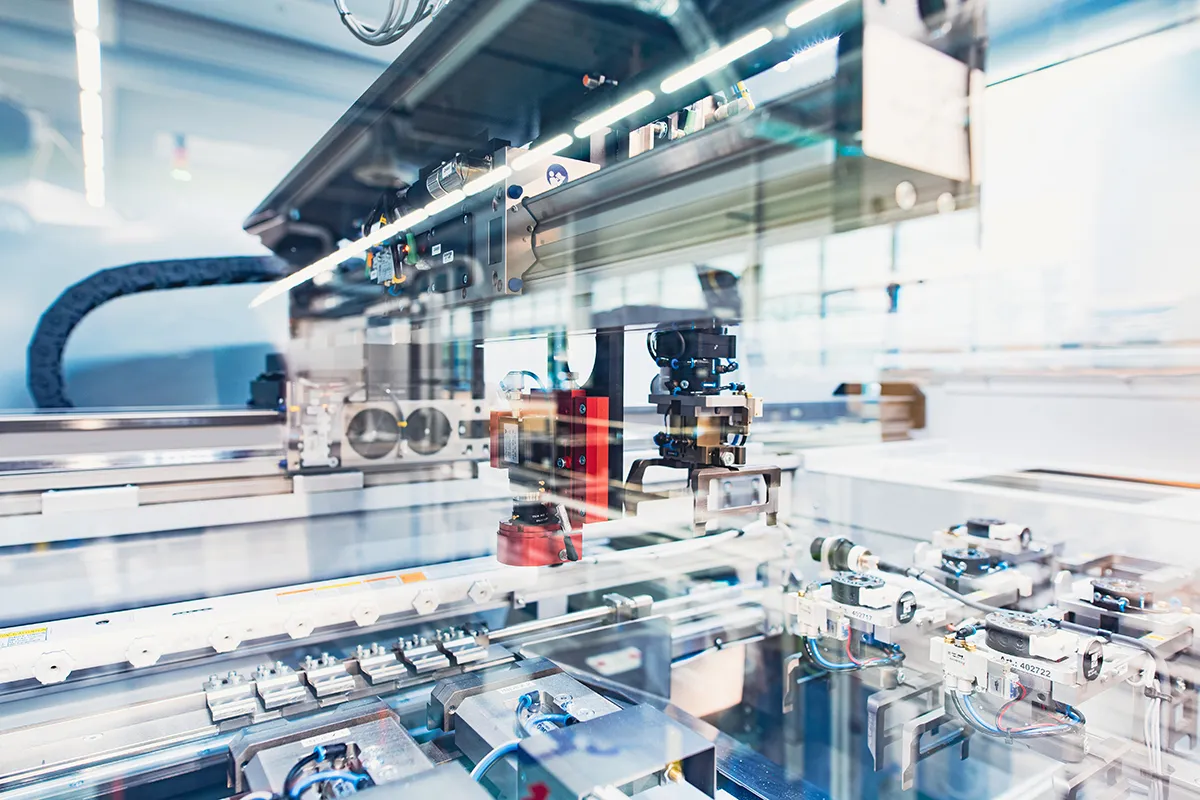
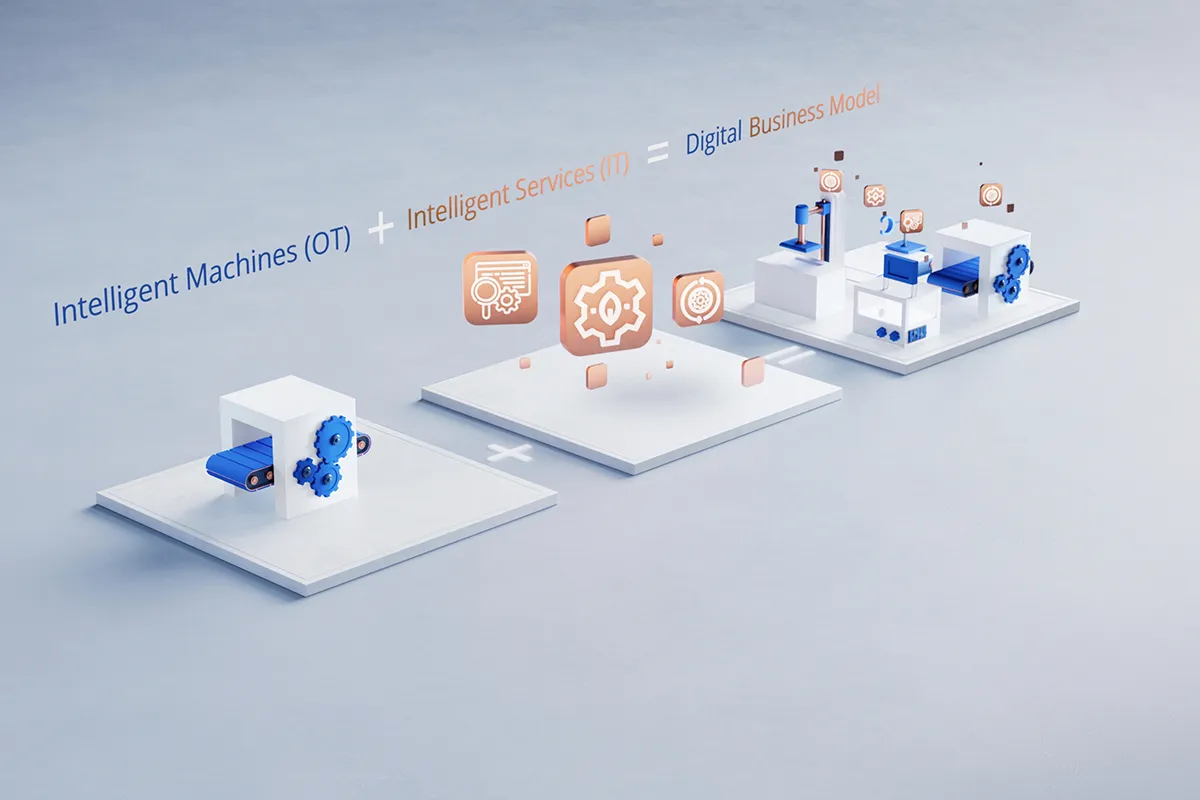
Most of us have a smartphone in our pocket or bag. Do you play games on yours? The gaming industry is increasingly targeting this platform. And why not: it is powerful, always within reach and easy to customise. The gaming industry is constantly reinventing itself by quickly adapting to changing and emerging needs. Lenze, too, is drawing inspiration from the games sector’s capacity for innovation, customer focus and speed, through its ‘platform thinking’. Lenze is bringing this concept to the world of automation with its NUPANO Suite. Because engineering can be plug-and-play, too.
Last year, the gaming industry generated worldwide revenue of 180 billion dollars, more than film and music combined. The main driver of this success is the platform strategy adopted by major game studios and console manufacturers. As gamers, we buy a console that is easy to set up thanks to the platform behind it, from screen resolution and internet connection to creating an account in the online shop and setting user roles with different access rights. Everything runs smoothly, all in one place. This allows gamers to discover new games quickly and easily, without having to read a manual. A simple plug-and-play solution. Lenze is applying this platform thinking to the machine lifecycle. This enables mechanical engineers to create a new generation of machines quickly and easily, enhanced with digital added value.
Standards as the foundation
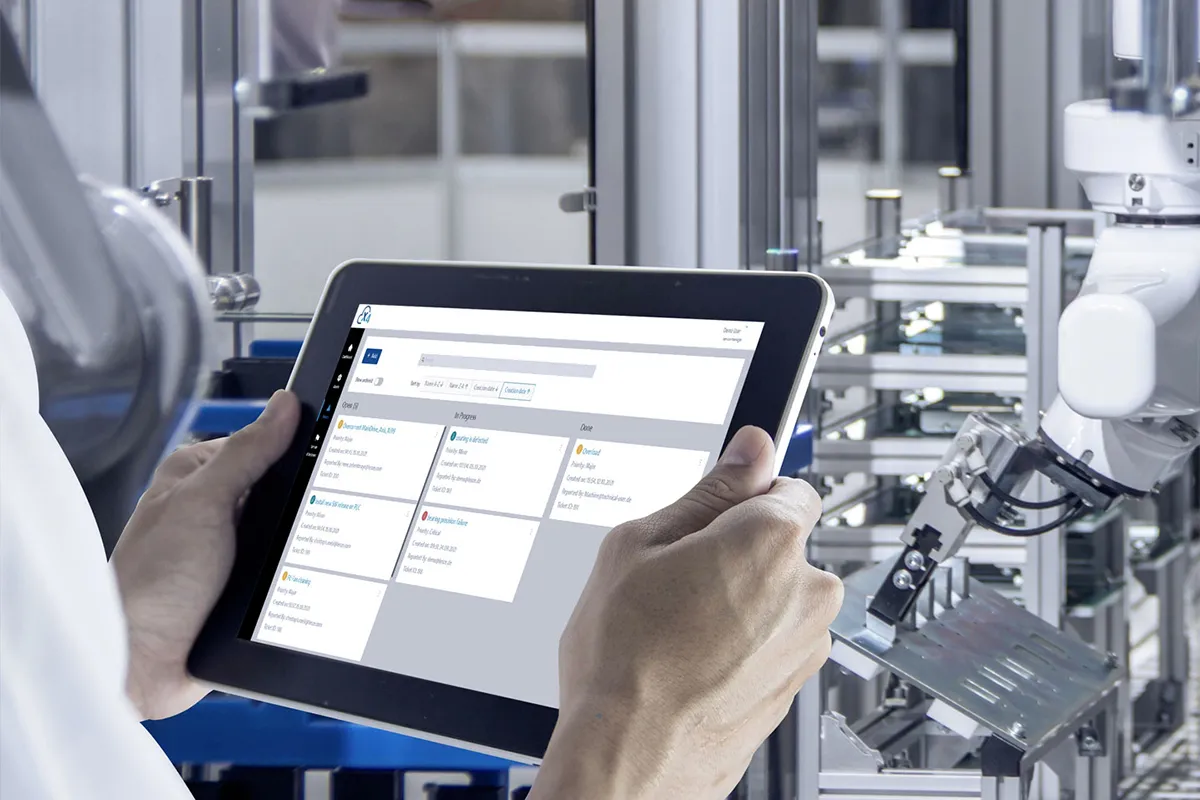
Selecting hardware, creating a straightforward set-up, activating programming and efficiently managing additional functionality, collaborating with partners … it is all possible with the NUPANO Suite. What is more, you can carry out updates for better performance and greater security. This future of mechanical engineering is made possible by using standards. These allow Lenze to deliver engineering to the highest level throughout the entire machine lifecycle. It is all about speed in development, commissioning and collaboration, and about new business models enabled by a single platform. Lenze can provide the complete chain of ‘tools’, from the first idea for a machine through to operation. The automation specialists have built the suite around a product’s lifecycle, divided into three stages.
Planning phase
During planning, users have full access to tools such as System Designer. The wizard supports users in planning applications ranging from a single axis to complex machine solutions, using Lenze products and third-party components. It draws on Lenze’s in-depth domain knowledge, while its calculation models are based on practical experience. Drive systems can also be dimensioned for energy efficiency. Everyone involved in the planning process works together. The machine process is modularised, and users can select solution elements or use wizards. Lenze provides connections to digital services such as CAD and EPLAN, and supports users in creating templates.
Build phase
The focus here is on engineering, commissioning and series production. Mechanical engineers have access to a software framework that lets them integrate, test and scale ready-to-use Lenze software modules in their machine software, for example. Commissioning is first carried out virtually, while the control cabinet and machine are being built. Developing software for mechanical and electrical systems in parallel shortens development time. Lenze offers a tool that makes it easy and efficient to install and manage software on series-produced machines. Suppliers do not need to reprogram their applications. The customer’s software simply needs to run, as IT capacity is scarce everywhere. The platform requirements are that everything must be secure, open, simple and easy for mechanical engineers to understand.
In operation
Once the machines are up and running, the machine builder supports customers in operating them. Through centralised machine management in the suite, for example, they can offer service ticketing applications or add anomaly detection. At this stage, the focus is on continually improving availability and productivity, as that is what matters today. Machine builders also benefit from transparency, with an overview of all machines, including their software versions.
An extra life
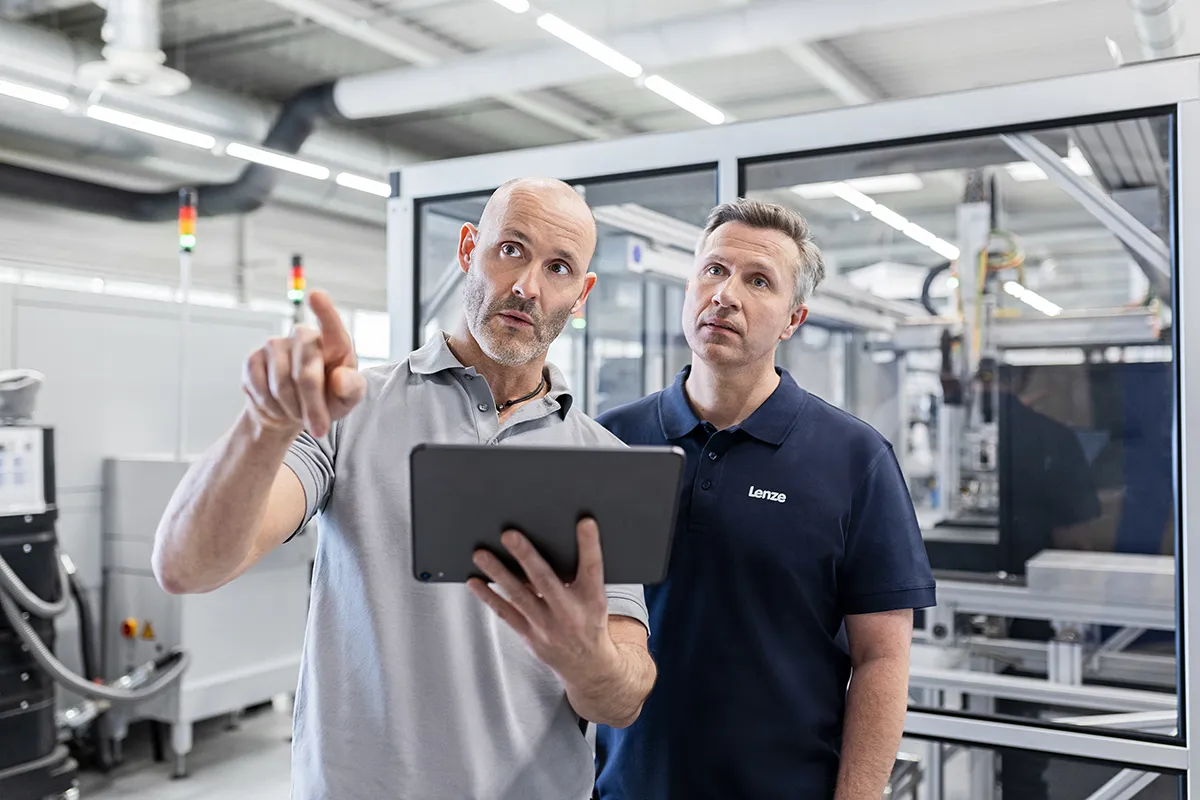
Lenze previewed a new generation of controllers at SPS. The machine controller can take on control and IT tasks, making it a perfect fit for the platform strategy. The automation specialist also presented an edge device with a pre-installed app management tool, which allows IT to be scaled outside the controllers in machines or independently of them. This enables customers to transfer out-of-the-box IT applications to the device. With the new hardware and the NUPANO Suite, machine builders can reach a new level of engineering and business, with new opportunities, from the drive to a platform for new revenue streams, greater transparency and security, and the computing power and connectivity they need. This approach is all the more compelling for customers, particularly in light of the Cyber Resilience Act and NIS2. In the gaming world, this would probably be called an extra life or an asset that keeps the player in the game, or simply an additional competitive advantage.
Een zakelijke vraag aan Lenze BV? Get in touch
Companies in this story


Keep following this
Get an email when a new story is published. No account needed.
- SubjectSoftware, IT, OT & cybersecurity
- CompanyLenze BV
- CompanyEPLAN nv







