












Software, IT, OT & cybersecurity
Bart Demaegdt on the power of industrial AI
Text and images Siemens
From data to sustainability
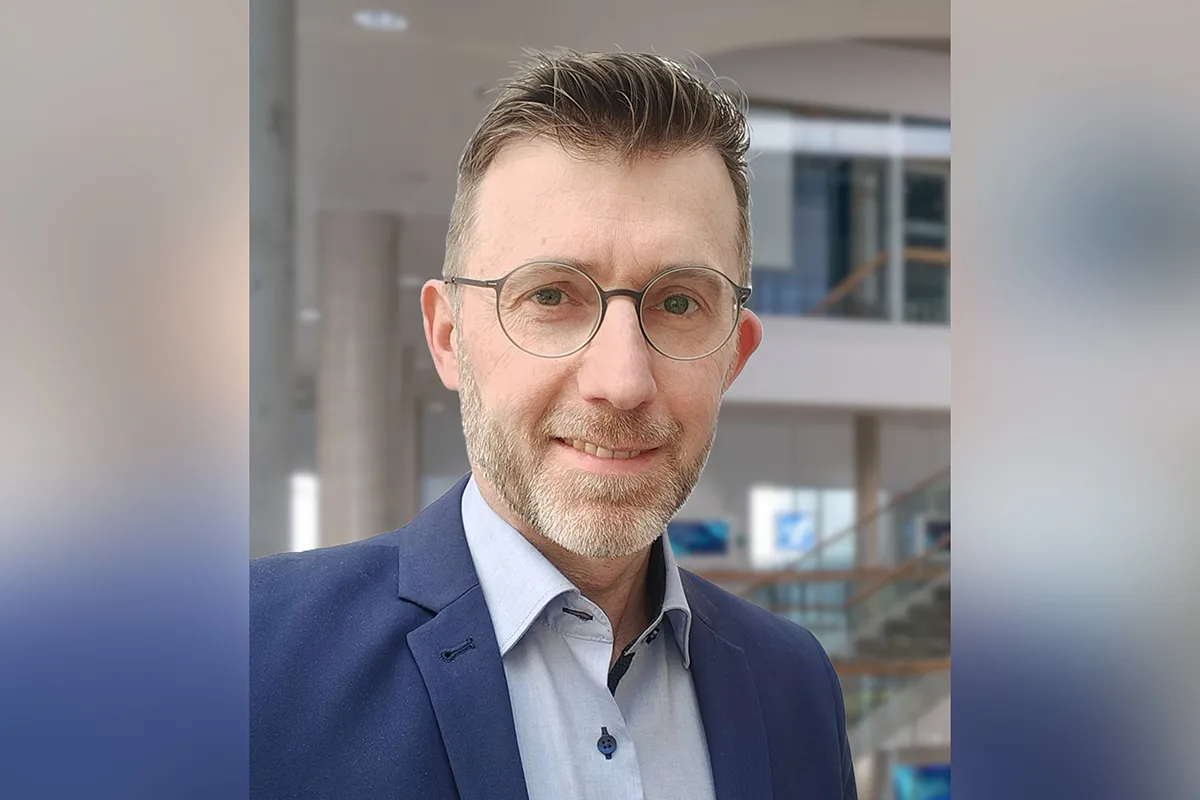
In a world where sustainability and digitalisation go hand in hand, Siemens Belux plays a crucial role in accelerating the transition to a low-carbon future. We spoke to Bart Demaegdt, Digitalisation Manager at Siemens Belux, about how innovative technologies such as industrial AI are helping to achieve climate targets and how Belgian companies are responding. This interview offers insights into the challenges, solutions and role of collaboration in this digital transformation.
Why is digitalisation so important in the context of sustainability?
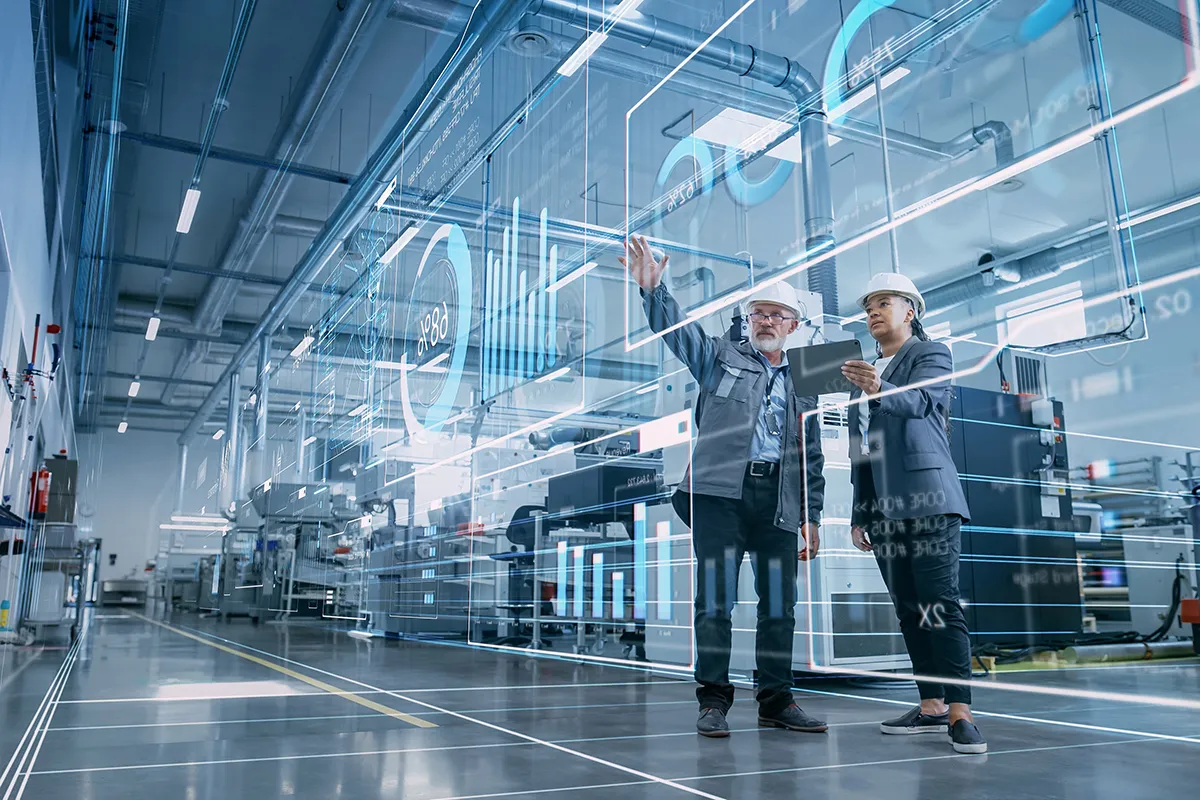
“Digitalisation is key to making processes more efficient and sustainable. By using data intelligently, we can optimise energy consumption and reduce waste. At Siemens Belux, we see companies increasingly using digital twins to simulate scenarios and calculate the impact of decisions on CO2 emissions. This gives them not only insight, but also the ability to take a proactive approach to sustainability. You create added value when you use these models throughout every stage of the lifecycle. This can be during design and engineering, but the recurring added value lies in the operations and service phases. This is what we call xDT, executable Digital Twins.”
How does industrial AI contribute to this transition?
“Industrial AI helps us automate complex processes and make predictions that were previously impossible. A good example is predictive maintenance: by using industrial foundation models that can detect abnormal patterns robustly, easily and at an early stage, we can plan maintenance before faults occur. This extends the lifespan of machines and prevents unnecessary downtime, which not only saves costs but also improves energy efficiency.”
Generative design is often described as a game-changer. What does this mean for Siemens and Belgian companies?
“Generative design is an AI-driven design method in which algorithms generate thousands of design variants based on preset parameters such as strength, weight and material use. In industry jargon, this is also known as Design Space Exploration. It significantly accelerates innovation, as engineers no longer have to come up with all the options manually. The result: lighter, stronger and more sustainable products.
A practical example is the redesign of industrial robot grippers. By applying generative design, we were able to reduce material use by more than 80%, which not only saves costs but also drastically reduces CO2 emissions. This is particularly relevant for Belgian companies in sectors such as manufacturing and logistics, where efficiency and sustainability increasingly need to go hand in hand. Generative design helps them innovate faster, remain competitive and reduce their environmental footprint at the same time.
By deploying Industrial Copilots at different stages of the lifecycle, genAI demonstrates its added value for the various disciplines within an industrial company. These are interconnected to maximise the handover between domains. We talk about an Industrial Copilot orchestrator that logically and efficiently coordinates tasks using Agentic AI (the distribution of AI agents).”
AI itself consumes a lot of energy. How can we limit its impact, for example in data centres?
“That’s right, AI is a powerful tool in the fight against climate change, but it is also energy-intensive. That is why we are working on innovations to improve efficiency, such as optimising algorithms, infrastructure architecture and hardware. Specialised, smaller AI models for the shopfloor, for example, consume significantly less energy. Data centres are an important area of focus: they are crucial to our digital economy but consume a lot of energy, particularly for cooling. At Siemens, we have used AI to tackle this problem. A good example is AI-driven cooling management at Greenergy Data Centers in Estonia. Thanks to smart algorithms, efficiency there has improved by around 30%, at the touch of a button. This shows how AI not only creates challenges, but also offers solutions that support sustainability.”
What challenges do you see for Belgian companies?
“Many companies want to become more sustainable but do not know where to start. The biggest challenge is often integrating new technologies into existing processes. That is why at Siemens Belux we offer not only solutions but also guidance. We help companies digitalise step by step, so they can achieve their sustainability goals without putting operational continuity at risk.”
How important is collaboration in this story?
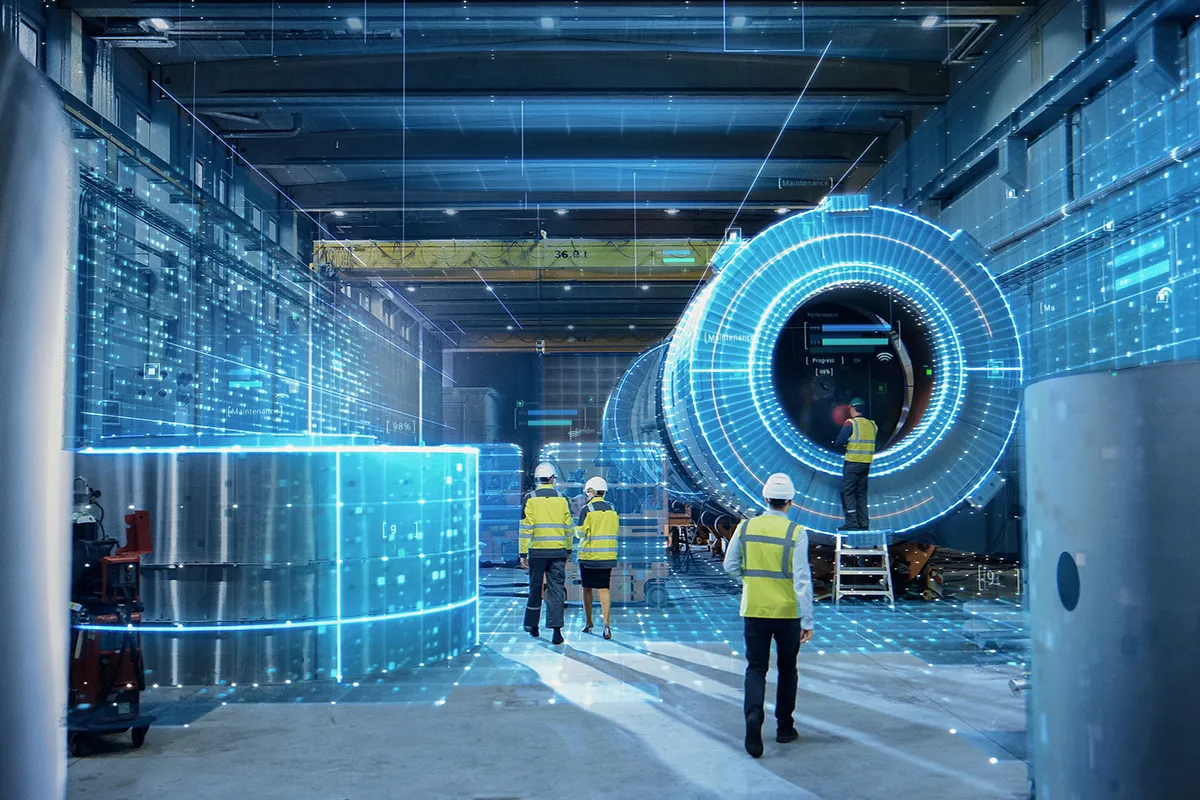
“Collaboration is crucial. No company can achieve this transition alone. Through our Siemens Xcelerator platform, we bring partners, customers and technology together in a single ecosystem. This accelerates innovation and makes it possible to develop tailored solutions. By sharing knowledge and resources, we can increase our impact together.”
A business enquiry for Siemens NV/SA? Get in touch
Companies in this story
Keep following this
Get an email when a new story is published. No account needed.
- ThemeData from shop floor to decision
- SubjectSoftware, IT, OT & cybersecurity
- CompanySiemens NV/SA







