Why services are the future for every business
Text Valérie CouplezImage Lenze
There’s a neat English word for it, ‘servitization’, so it must be interesting. This became clear at Lenze’s The Pace of Automation event, where many visitors were keen to learn about the benefits of new business models. “In the future, this will be the way to stand out from the crowd,” predicts Klaas Nebuhr of Lenze.
Digitalisation is like the apps on your smartphone. You don’t use them because their icons look nice, but because they add value. The same applies to digitalisation for machine builders. “In a few years’ time, the quality of your machine will no longer set you apart,” warns Klaas Nebuhr, Head of Digital Portfolio at Lenze. “Think of PCs. I used to buy a new model every year because it offered so many more features. That’s no longer the case today; everything comes down to price. And with our cost structure, we can’t win that competitive battle in Western Europe. We need to do things differently.”
Digitalisation: the route to added value and productivity
Digitalisation offers a response to falling margins and the war for talent. “Machine operators don’t have the same level of knowledge as they used to. This has implications for machine design. Ease of use is now a top priority,” explains Nebuhr. It also comes down to how companies organise themselves. By delivering better service, they can stand out from the crowd. Servitization models go a step further: instead of simply supplying machines, machine builders can also deliver productivity. They already have the necessary knowledge and data in-house. “We’re happy to help them make strategic use of that potential,” says Nebuhr.

A few simple steps towards greater servitization
Implementing servitization need not be complex. Nebuhr sums up the process in a few simple steps: “The future of service is digital. It all starts with connecting your machines. This delivers an immediate benefit, as it allows you to provide remote service. That means faster support, without travel time or the associated costs.”
The next step is to use the data to create transparency. “If you can see how a machine is performing and compare that data with its past performance, you can turn data into valuable information. At present, that knowledge still resides in the minds of your team. But once you capture it in software, the machine evolves into a genuine service employee. It then generates tickets itself and predicts problems, significantly improving your customer’s OEE (Overall Equipment Effectiveness).” This provides the basis for reducing downtime, energy consumption and production losses. “Ultimately, all that remains is the machine productivity KPI, and you can improve it continuously.”
An experienced partner for the long term
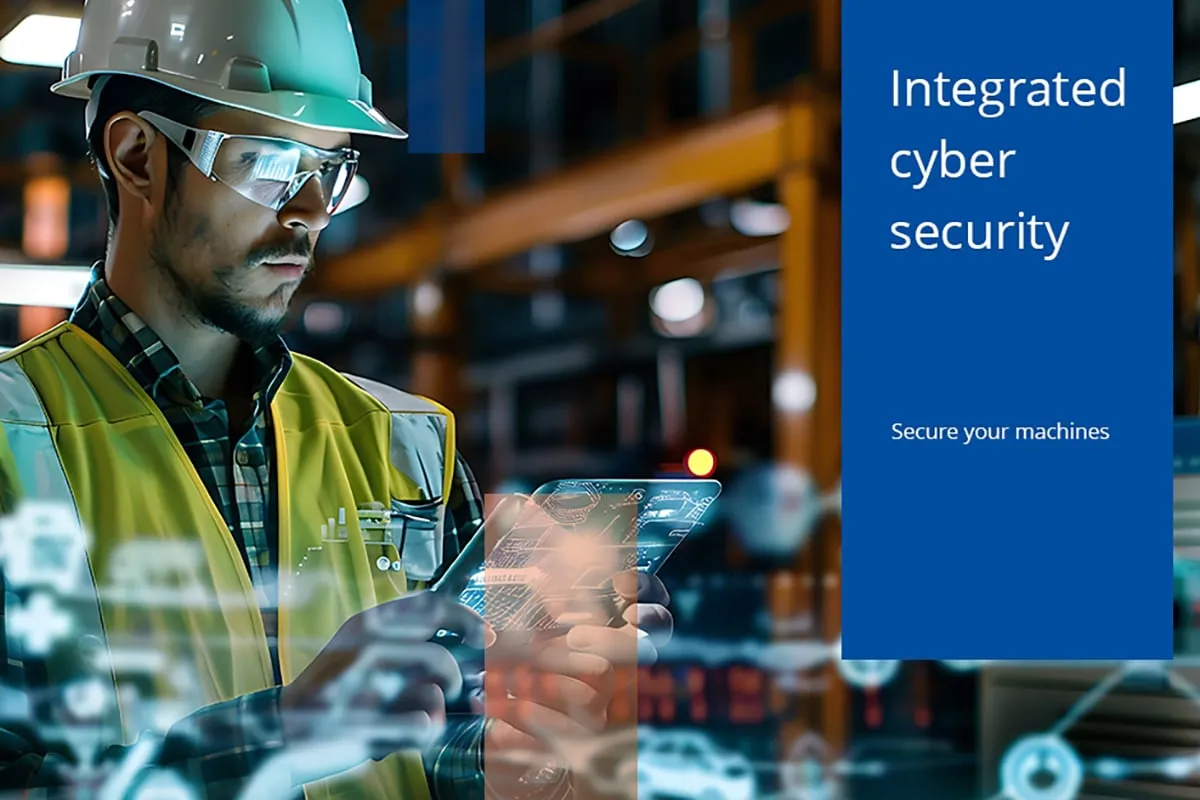
What makes Lenze an ideal partner on this journey? “Knowledge management will become companies’ biggest challenge, as many experts are retiring,” explains Nebuhr. “You need to transfer your employees’ knowledge to your machines. With Nupano, we’ve developed a vendor-independent platform that uses standard protocols. This enables machine builders to manage their apps and software more effectively, locally and independently of the corporate network, in line with the highest cybersecurity standards. The platform’s openness is crucial, as it makes it easy to integrate with other applications. Our advice: choose open standards and solutions. And just get started; digitalisation is moving so fast that you’ll miss the boat if you wait too long. Start learning and experimenting today, with Lenze as your long-term partner,” Nebuhr concludes.
Een zakelijke vraag aan Lenze BV? Get in touch
Companies in this story

Keep following this
Get an email when a new story is published. No account needed.
- SubjectServices & solutions
- CompanyLenze BV