Sustainability is a team effort
Text Valérie CouplezImage Siemens
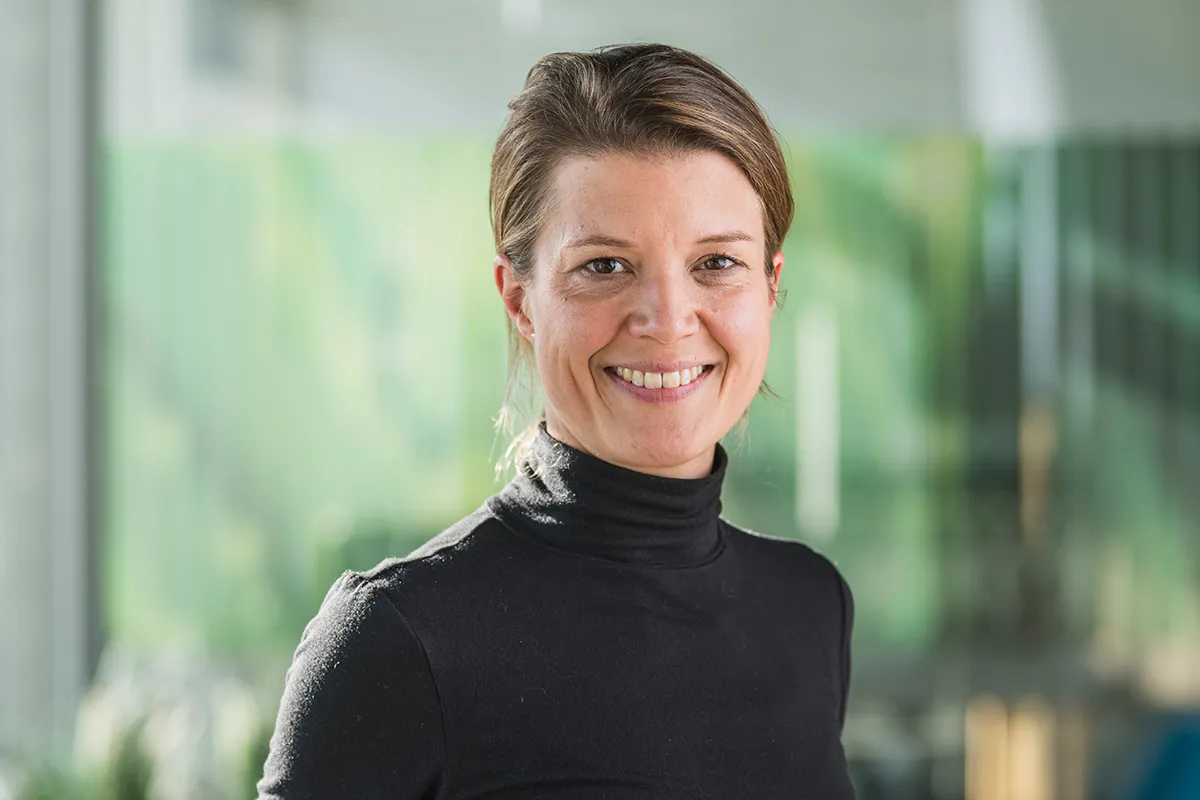
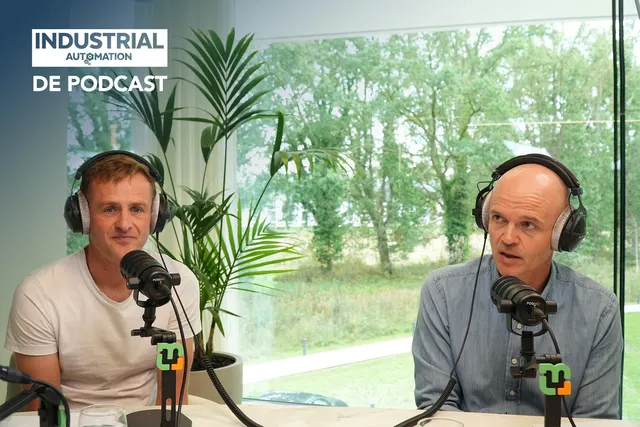
Siemens is one of the world’s largest technology companies and is now drawing on its innovative spirit to put sustainability at the heart of its products, services and business model. But how does Siemens achieve this? How does it integrate technology and sustainability in practice? Katrien Valkiers, sustainability manager Belux, has the answers.
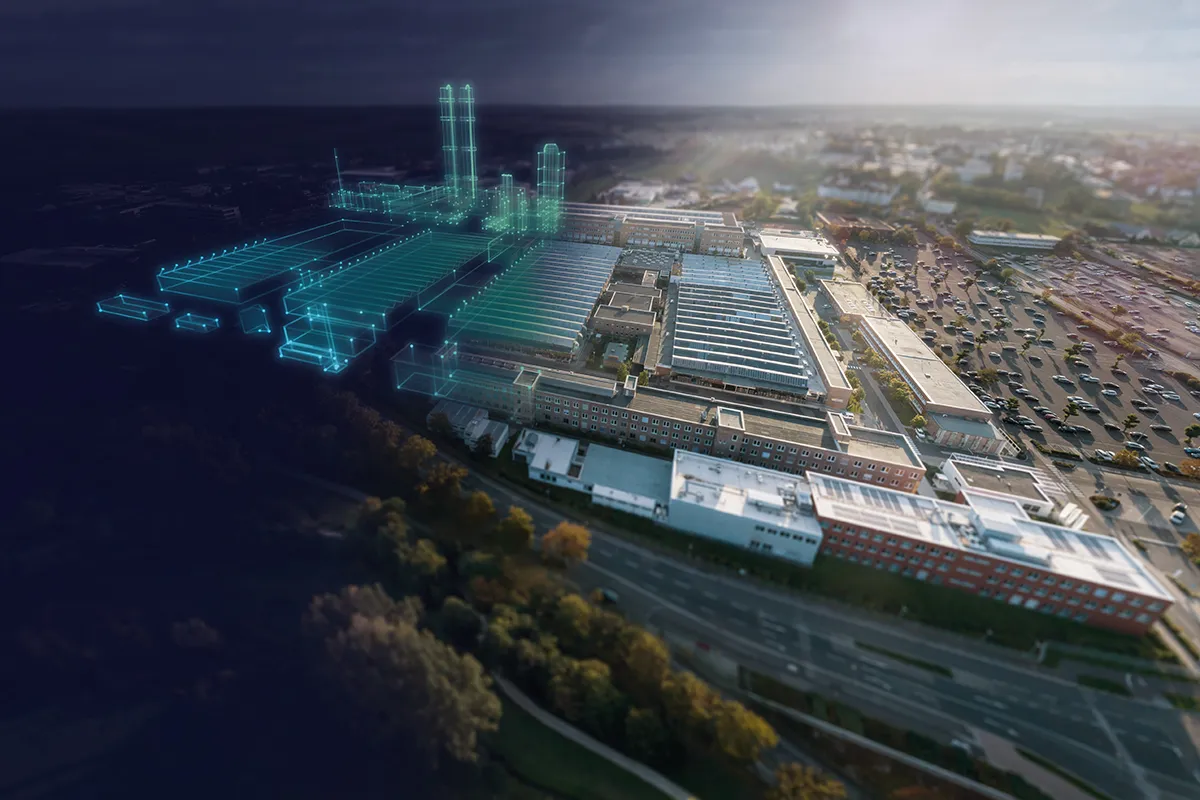
Siemens has a particularly broad portfolio in industry. How do you make sustainability a core value across all those products?
“Ninety per cent of what we do enables our customers to have a positive impact on sustainability. But it’s not just what you do that matters, it’s how you do it. You owe it to your customers to take this journey together with them, don’t you? You can tell customers to use our portfolio to reduce their carbon emissions, but if we don’t do that ourselves, it doesn’t ring true. The main targets we set ourselves are outlined in our Degree framework. For example, we have committed to reducing our CO2 emissions by 90% by 2030. Another goal is to send no waste to landfill by 2030. And, of course, we also have very ambitious people-related goals: giving people what they need to develop their creativity and innovative potential.”
How do your colleagues experience Siemens’ sustainability efforts?
“At our core, we are still an engineering company. Our people don’t see a problem, but a challenge to find a solution to. And that applies to everyone, from the shop floor to the boardroom. Let me give you an example. At our factory in Frankfurt, a few workers built a shredder in their spare time. It turns cardboard boxes into exactly the right kind of chips for packaging our own products. No more waste, and no need for the foam machine that used to do the job but wasn’t sustainable. This is the kind of culture that prevails in our company, and that we cherish. People understand why sustainability is essential in this ever-changing world.”
Looking ahead, which emerging sustainability trends or technologies do you think will be most critical?
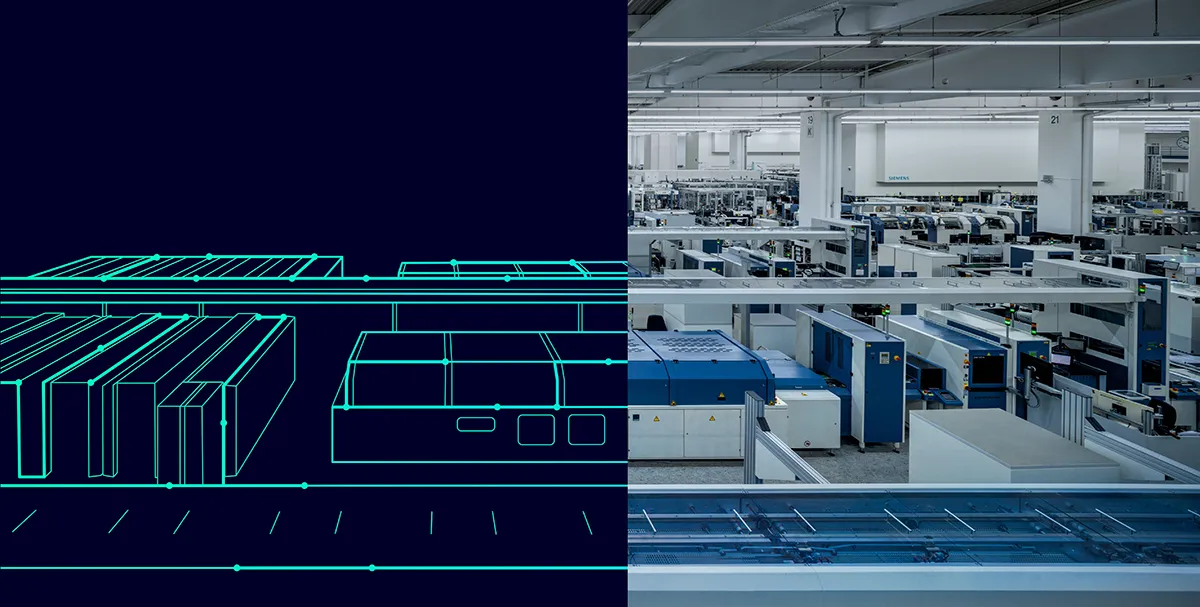
“Circularity will be crucial. It’s about reverse logistics: how do we get products back, and what do we do with them? We refurbish, retrofit, upgrade and update them. Let me be clear: Siemens is not going to become a recycling company. But we work with partners in our ecosystem who excel at that. Together, we can take on this challenge and build a system in which products have an endless life. We avoid downcycling, and who knows, perhaps we can even upcycle. Maybe we’ll sell a product not just once, but several times. Or perhaps we’ll even rent it out in the future. This transition is complex, but I believe it’s possible. Why? Because today we have virtualisation software and AI that enable us to analyse extremely complex data. This means we can make truly meaningful choices, something that simply wasn’t possible until recently. The data is there, the technology is there, so now we can take action. It will take time, but it’s crucial that the whole industry gets on board.”
Some regulations are being rolled back rather than strengthened. How do you persuade suppliers in your ecosystem to stay on that path?
“We don’t impose any obligations on our suppliers, but we do give Siemens buyers transparency about the CO2 impact of their purchasing decisions. As well as the supplier’s price and offering, we also calculate the environmental footprint of each choice. We then make an informed decision on that basis. So this isn’t about applying pressure or saying, ‘You have to do this, or we’ll stop buying from you.’ It’s about empowering our own people, the ones who need the materials, to make the right choices, depending on their goals and priorities.”
So can sustainability and competitiveness go hand in hand?
“The geopolitical tensions around the world mean that this debate is taking place today. But we can’t view all the challenges of our time in isolation. Everything affects everything else. So we can’t put sustainability on hold until other, more urgent issues have been resolved. Unfortunately, that’s not how the world works, and our planet doesn’t have that kind of time left. It makes far more sense to keep moving in the direction we’ve set out on, and to stand by our values. Sustainability is not a cost, it’s an investment.”
A business enquiry for Siemens NV/SA? Get in touch
Companies in this story
Keep following this
Get an email when a new story is published. No account needed.
- SubjectServices & solutions
- CompanySiemens NV/SA