Successful asset management through APM
Text Kris VandekerckhoveImage Kurt Desplenter / Kris Vandekerckhove
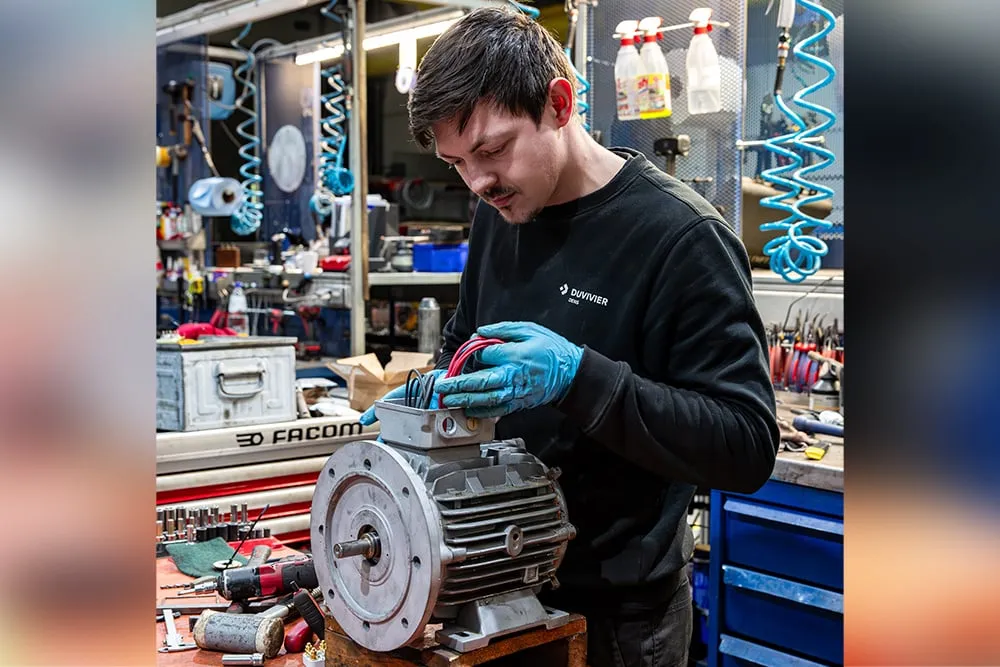
Maximum efficiency and minimum costs are high on the agenda in almost every sector. Asset performance management (APM) often emerges as a crucial strategy for managing and optimising assets. APM enables organisations to gain a thorough understanding of their maintenance strategies and assets, with the aim of keeping them operating at their optimum level of performance and reliability while minimising operational risks and maintenance costs. A key tool in this strategy is the DIPF curve, which visualises and guides the asset lifecycle.
Jonas Vancauwenberghe, business expert asset performance management REPM Dexis: “In our view, asset performance management is the ideal strategy for almost any company. It brings together all maintenance approaches and strategies, preventive, predictive or no maintenance, so our customers do not have to choose between the various trends that come and go. On the contrary, we can apply whichever approach best fits the strategy, entirely independently of brand.”
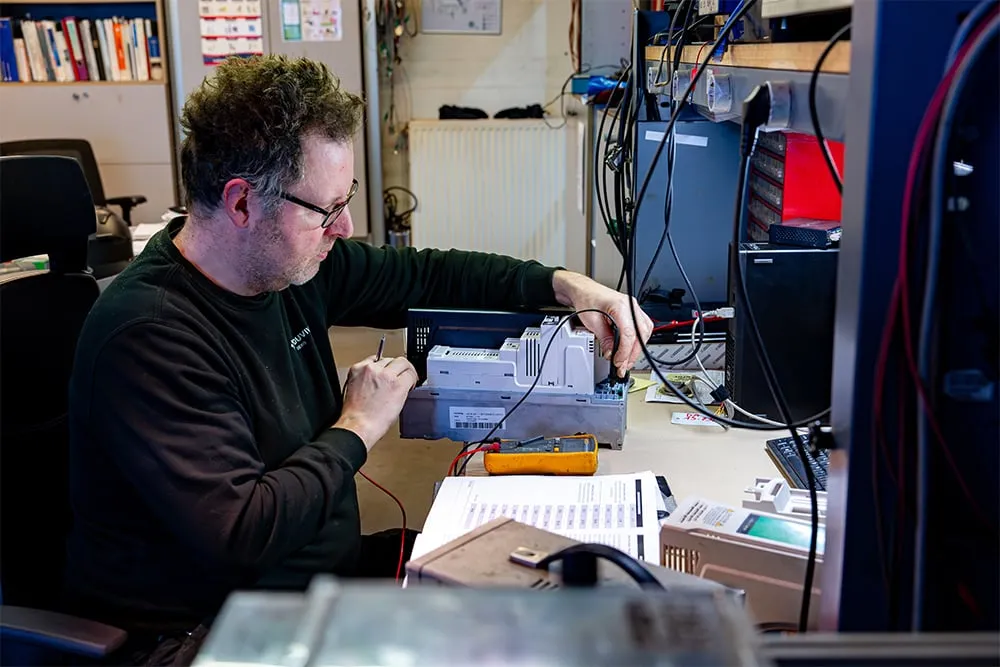
Insights from the DIPF curve
Organisations face a range of challenges, including quantifying risks, extending asset lifespans and deploying technicians efficiently. APM, supported by insights from the DIPF curve, provides solutions through better decision-making and insights, leading to improved asset performance and lifespan, as well as a safer working environment.
Jonas Vancauwenberghe: “The DIPF curve, a core component of APM, illustrates the different stages in an asset’s lifecycle: Degradation, Incident, Prevention and Failure. This curve helps identify the optimum time for maintenance activities, before breakdowns occur, and helps extend asset lifespans. By using the DIPF curve as a guide, companies can plan their maintenance strategies and the deployment of technicians more effectively, resulting in a significant improvement in asset performance and reliability.”
Benefits of APM
· Higher productivity: improving machine efficiency through proactive maintenance, resulting in greater reliability and smoother-running production lines.
· Lower costs: APM helps minimise downtime, extend asset lifespans and optimise maintenance schedules, resulting in significant cost savings.
· A safer working environment: by identifying and reducing risks, APM improves workplace safety.
· Greater sustainability: more efficient equipment means lower energy consumption and reduced operating costs.
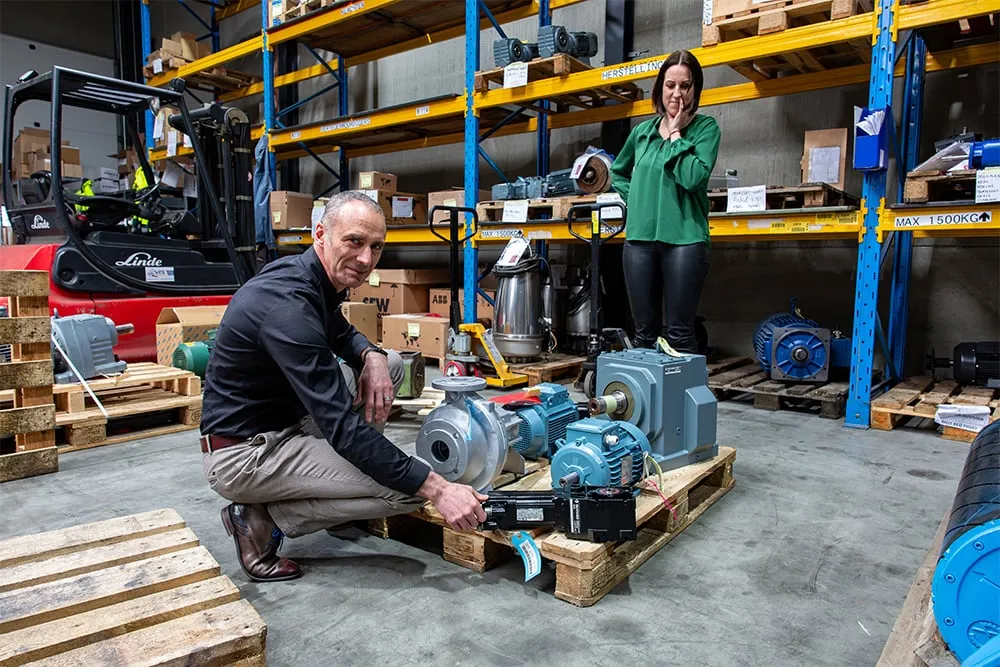
Advanced asset management
APM integrates key activities such as maintenance strategies and asset management, which were often handled separately in the past. This is achieved through an in-depth analysis of current maintenance strategies, technician behaviour, maintenance planning and purchasing strategies for new parts. REPM’s APM approach offers different levels of service, from product solutions to full support for reliable production sites, all without the need to replace existing processes and technologies.
Marc Cools, director REPM Dexis: “We are convinced that machines are the key to continuous progress. What’s more, we believe that even the most advanced machines always have scope for improvement, whether in terms of performance, efficiency, safety or sustainability.”
Asset performance management: from analysis to action
“The first step towards implementing APM is to gain a clear picture of the current situation and the potential benefits for your company. REPM offers an APM assessment that enables companies to conduct a baseline analysis and estimate the impact of APM on their operations. Naturally, we use the DIPF curve as our guide. APM is not just about preserving what works well, ‘never change a winning team’, but also about transforming what could work better. It is a path to optimised performance, increased reliability and, ultimately, improved business results,” concludes Jonas Vancauwenberghe.
Question about this story? Ask your question
Keep following this
Get an email when a new story is published. No account needed.
- ThemeLess downtime through maintenance
- SubjectServices & solutions