












Safety as the foundation of machine design and operation
Text Evi HussonImage EUCHNER
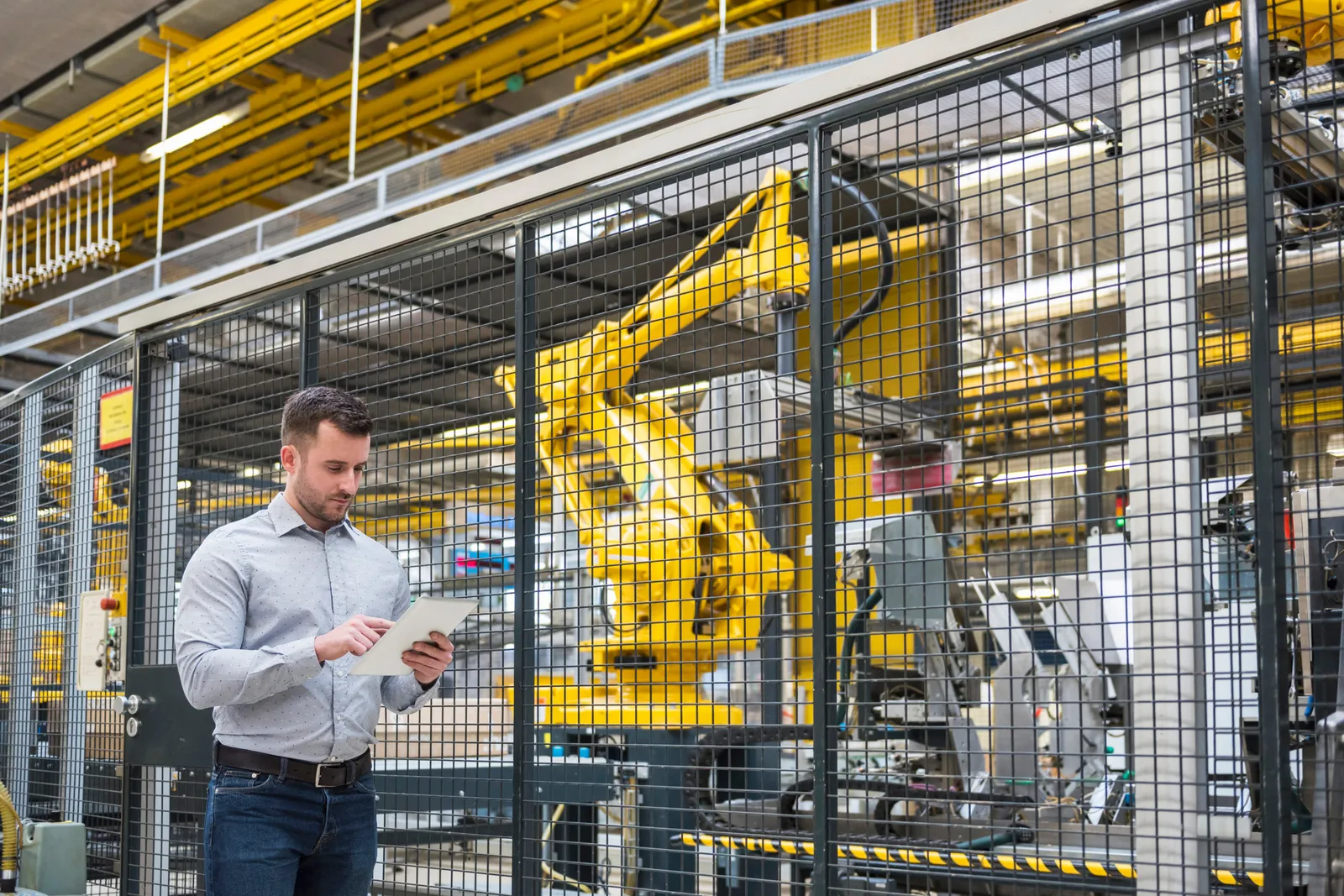
Machine manufacturers and operators must comply with European directives and national and international standards, but they do not have to do so alone. EUCHNER Safety Services supports companies in meeting statutory safety requirements at every stage of a machine or installation’s life cycle, from design through to operation.
On 20 January 2027, Machinery Directive 2006/42/EC will be replaced by the European Machinery Regulation (EU 2023/1230). “The fundamentals remain the same. Manufacturers must build safe machines that comply with the applicable safety requirements. There is little fundamental change, but a number of things have been added, such as cybersecurity and artificial intelligence,” says Adriaan Legius, Safety Services Engineer at EUCHNER Safety Services. This department of the safety component manufacturer provides machine manufacturers and operators with professional support in complying with statutory regulations throughout the entire life cycle of machinery.
Growing demand for expertise
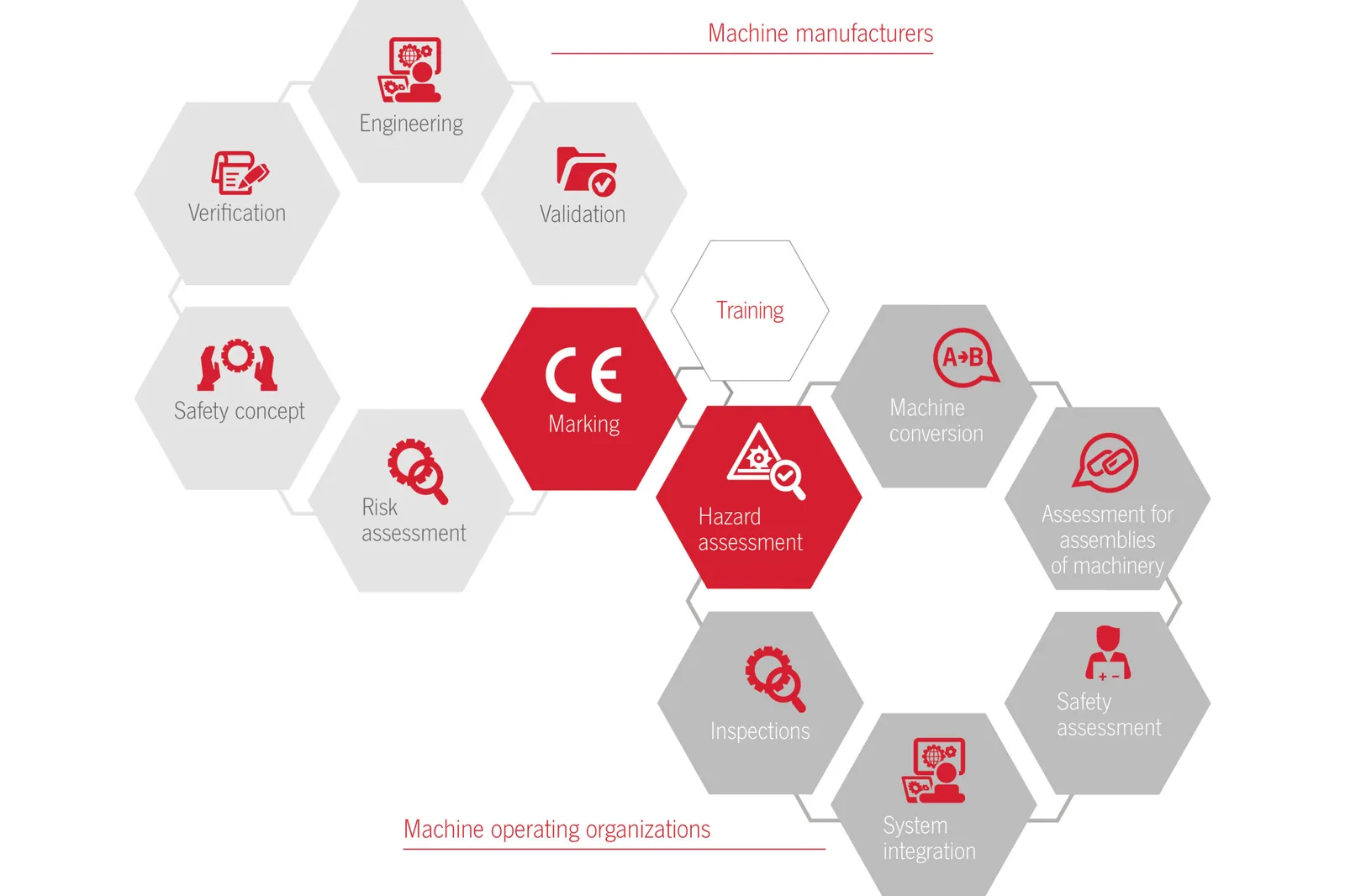
“We are seeing growing demand in the market for external support with safety. That is why we regularly organise meetings to explain new aspects of the Machinery Regulation. Companies want more information to raise their level of machine safety,” Legius continues. This applies to both end users and manufacturers. “We can support manufacturers from the development phase onwards with every step needed, for example, to affix the CE marking to their machine. This starts with a risk analysis. We analyse and assess potential hazards and propose measures to reduce the risks. Risk assessments are always carried out in accordance with the latest state of the art and harmonised standards.”
The next step after the risk assessment is to design the machine so that it is safe. “If required, we develop a detailed machine safety concept and propose risk-reduction measures and safety components. Using the safety concept as a basis, we can also specify, verify and validate the machine’s individual safety functions. We use SISTEMA software to verify the safety functions.”

CE marking
Validation can also be entrusted to Safety Services. “This involves checking the effectiveness of the measures implemented, compiling the required documentation of the results and verifying it.”
Affixing a CE marking requires some additional work. “The CE certification process consists of many individual steps: from preparing a risk analysis, operating instructions and declaration of conformity to documenting the measures taken as a result of the risk analysis, including the supporting evidence … We support machine manufacturers throughout the entire process, until the manufacturer can affix the CE marking to its machines. Many machine builders are perfectly capable of carrying out this process themselves, but would still appreciate neutral advice from an external party or, for example, an additional review of a technical file.”
Safety first
Safety Services also supports end users of machinery. “It is important for end users to ensure machine safety once they have acquired machinery. They often turn to us because they want to know whether a machine is safe. They also want a safety expert to review the assembly of a machine or a modification to a machine. If the modification to the machine and its protective measures are substantial, the legislation requires the conformity assessment process to be repeated for the modified overall system. Machine operators must ensure their employees are adequately protected against potential hazards at all times. Drawing on our many years of experience, we are happy to help companies make the right decisions and ensure safety is maintained.”
Een zakelijke vraag aan EUCHNER? Get in touch
Companies in this story
Keep following this
Get an email when a new story is published. No account needed.
- ThemeFrom design to flexible machine
- SubjectServices & solutions
- CompanyEUCHNER







