












New standard focuses on human behaviour when interacting with machines
Text Valérie CouplezImage Euchner
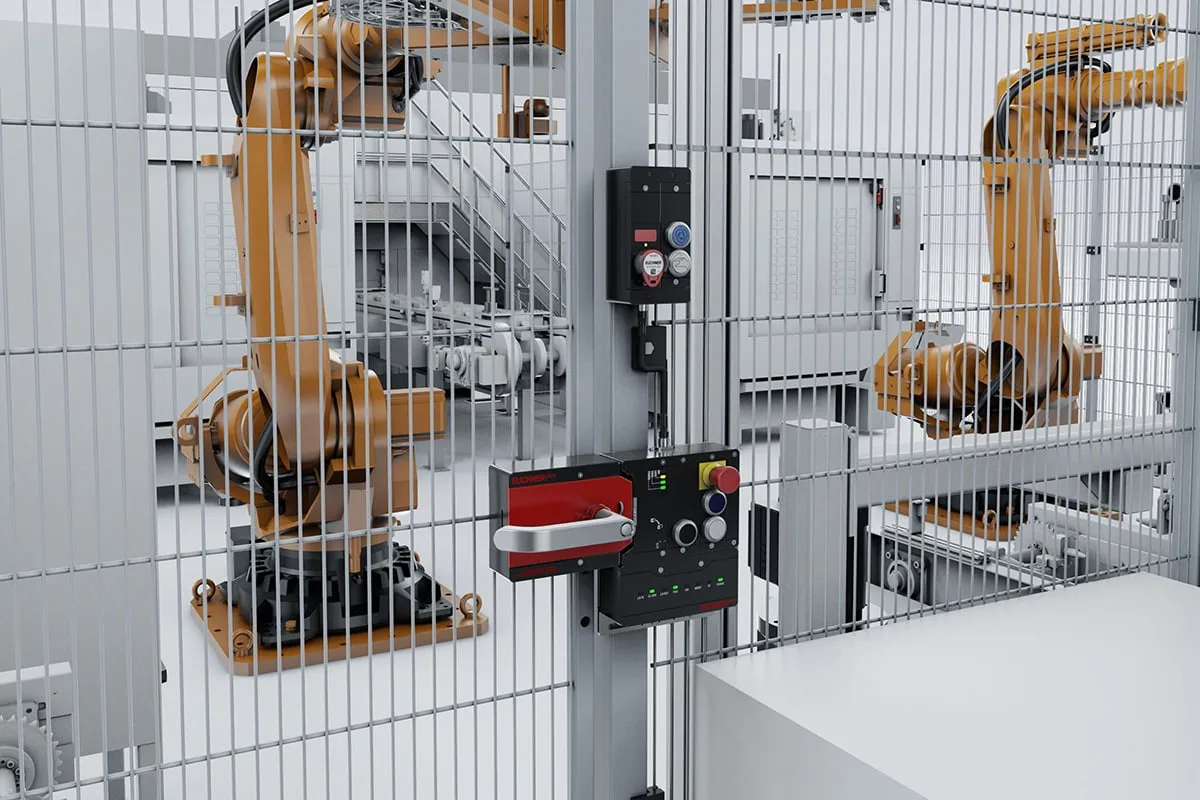
The international ISO 14119 standard covers ‘Interlocking devices associated with guards, Principles for design and selection’. In other words, it sets out how to design and select safety switches fitted to doors. A revised version has been available since October, fresh off the press. Vladimir Dragosavic, International Training Manager at Euchner, talks us through the key points of the new standard. Surprisingly, the main focus is not on technology, but on human behaviour.
ISO 14119 covers interlocking devices used on machinery to ensure safety and applies to every machine that is built. “The first important point is that the lock must be appropriate for the application,” says Dragosavic. “A heavy door needs more than a small plastic safety switch. The components must be suited to the machine’s mechanics and the environment in which it operates. If there is dust or temperatures can rise significantly, the interlocking device must be able to cope. Once the right equipment has been selected, it must also be installed and used correctly. This ensures that the interlocking device fits neatly into the lock mechanically, while also being controlled correctly in electrical terms, in line with the risks.”
A focus on behaviour
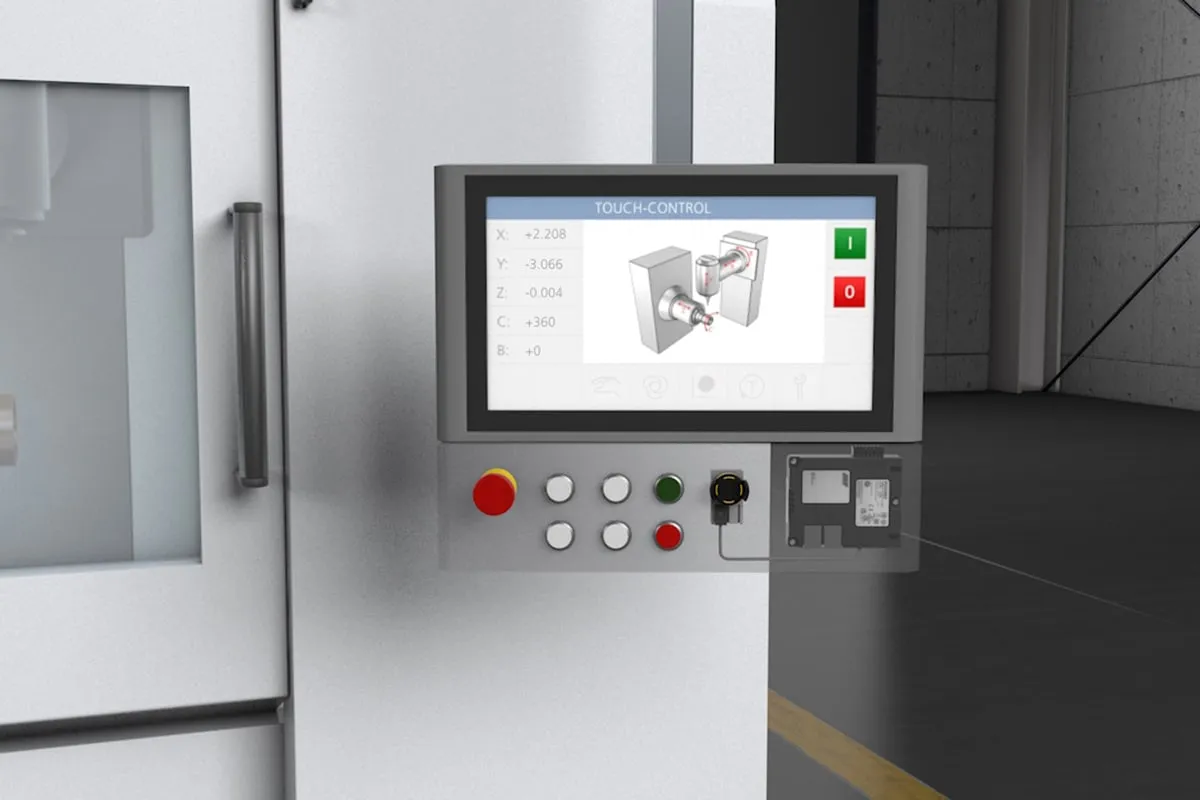
According to Dragosavic, the strength of ISO 14119 is that it combines technical solutions with human behaviour. “A machine is as predictable as it gets. People are not. However safe you make a machine, people will always find a way to bypass its built-in safety features. So you have to make sure they have no reason to take a less safe approach, because ultimately all these measures are there to protect them. Machine builders therefore need to think about how to avoid frustrating operators. For example, make sure they do not have to wait unnecessarily. It takes time to reach for the door handle and walk towards the machine. Factor these things into your calculations when timing when the machine stops and the door opens.” He offers a second tip, too. “Make sure the actuator is permanently attached. That can prevent a great deal of tampering.”
Plausibility checks
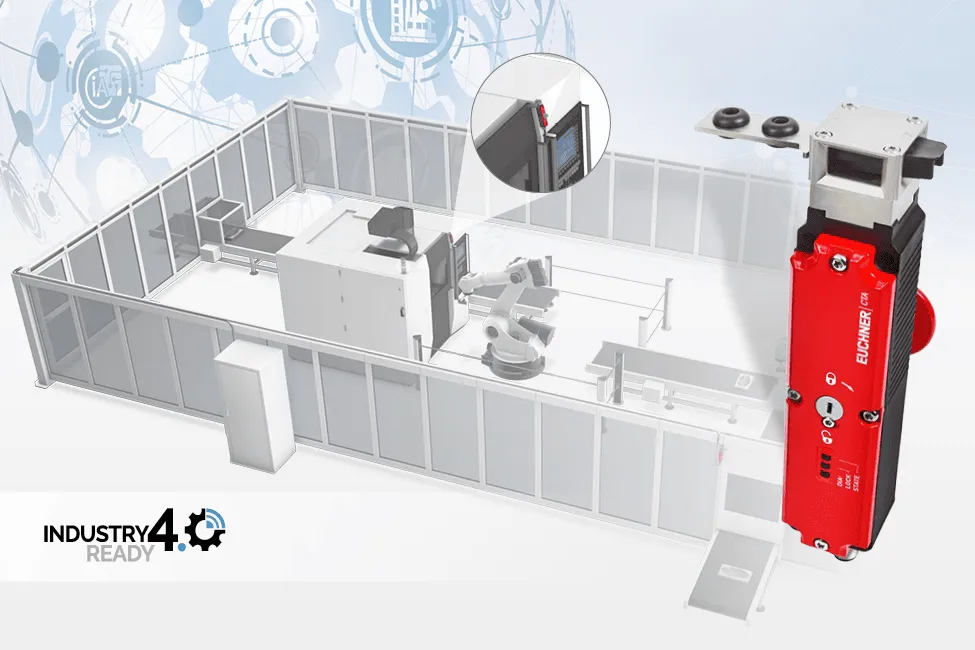
Like the Machinery Directive, this standard is based on a risk assessment. “To carry this out, we look at the hazards that machine operation can pose, together with how often the door needs to be opened. The lock you choose must therefore meet the Performance Level identified by the analysis.” These performance requirements continue to apply. The test procedures already included in the standard are now described in greater detail. “Is the door still working as it should? Are the correct signals coming through? Anything that meets PL d or lower must be checked annually, while PL e requires monthly checks. In practice, this is difficult to monitor manually. Plausibility checks are now possible, so the control system can check whether everything remains within the specified time tolerances. If not, a message will appear on the HMI prompting the maintenance team to get in touch.”

Updated to reflect the latest state of the art
The 2024 edition of the standard has brought few changes for users compared with the previous version from 2016. “The changes are mainly related to technological developments. The characteristics that the four types of safety sensors and switches must meet have been updated to reflect the current state of the art. The addition of trapped key systems is also new. With these systems, the key cannot be removed from the lock unless certain conditions are met. This does take more time, but these systems do not require electrical wiring and help improve safety. A third new feature concerns fault masking, which can occur when switches are connected in series. A calculation method has now been introduced to determine exactly how many switches can be connected in series and what the implications are for your Performance Level. This allows you to make your own assessment.”
Een zakelijke vraag aan EUCHNER? Get in touch
Companies in this story

Keep following this
Get an email when a new story is published. No account needed.
- SubjectServices & solutions
- CompanyEUCHNER







