












Maximise your revenue with a smart consumables business model
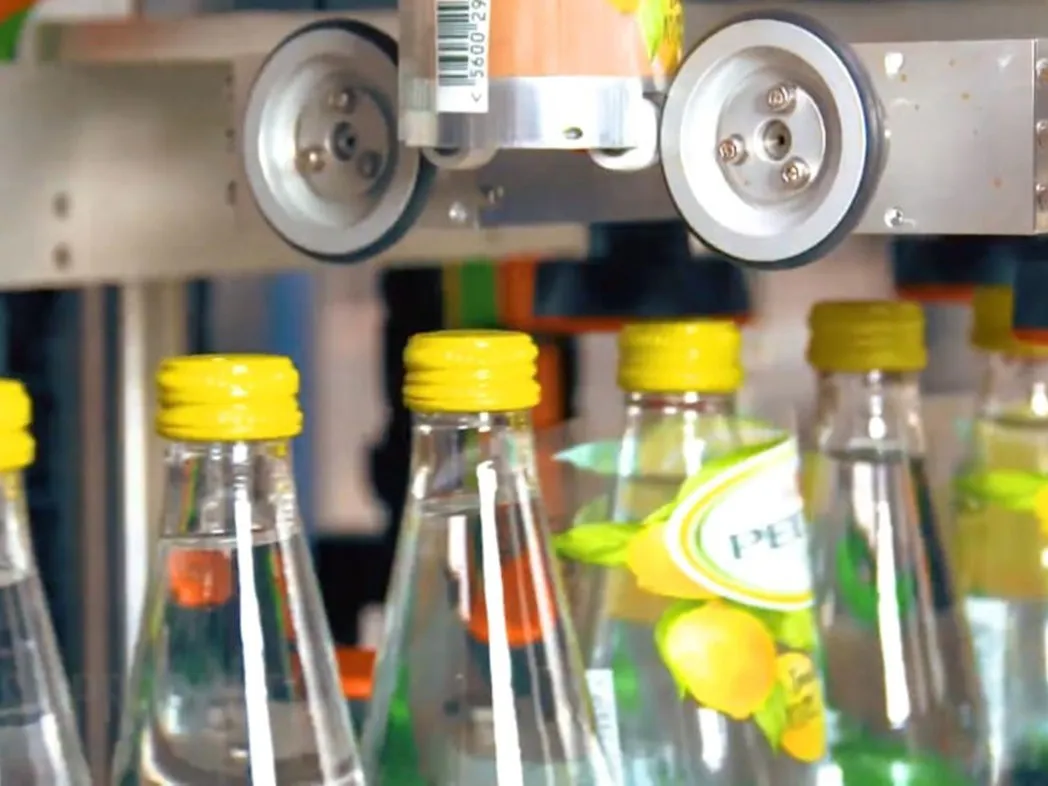
Digital services are expected to account for 20% of machine builders’ revenue within 5 years. Looking for a strategy to expand into new markets and maximise revenue streams? Consider a new business model in which you supply your own consumables.
If your machines rely on consumables, it may be worth considering offering your customers a smart consumables business model. By supplying your own consumables, or better still, selling machines to sell consumables, you can minimise machine downtime and generate additional product revenue.
Proactive maintenance with smart consumables
What are smart consumables? Smart consumables are non-durable goods and products that are used up while your equipment is operating and use cloud technology to monitor stock levels and report when supplies are running low. Smart consumables are most widely used in the print and packaging industries. Examples include cartridges and plastic bags or bubble wrap used in boxes to protect goods. When these consumables are out of stock or fail to meet specifications, this can cause unnecessary machine downtime, resulting in lost productivity and high costs for your customers.
Admittedly, not all machines offer this opportunity to machine builders. Selling consumables is probably not an option for standard machine tools such as CNC lathes or milling machines. But there may be opportunities here too, for example with tooling, lubricants and so on.
Have you ever considered a shift from reactive to proactive maintenance with smart consumables services? Produce your own consumables and optimise them for your machines, so you can take the hassle out of managing supplies for your customers by replenishing their consumables before they run out. This means they no longer need to hold large stocks or worry about running out.
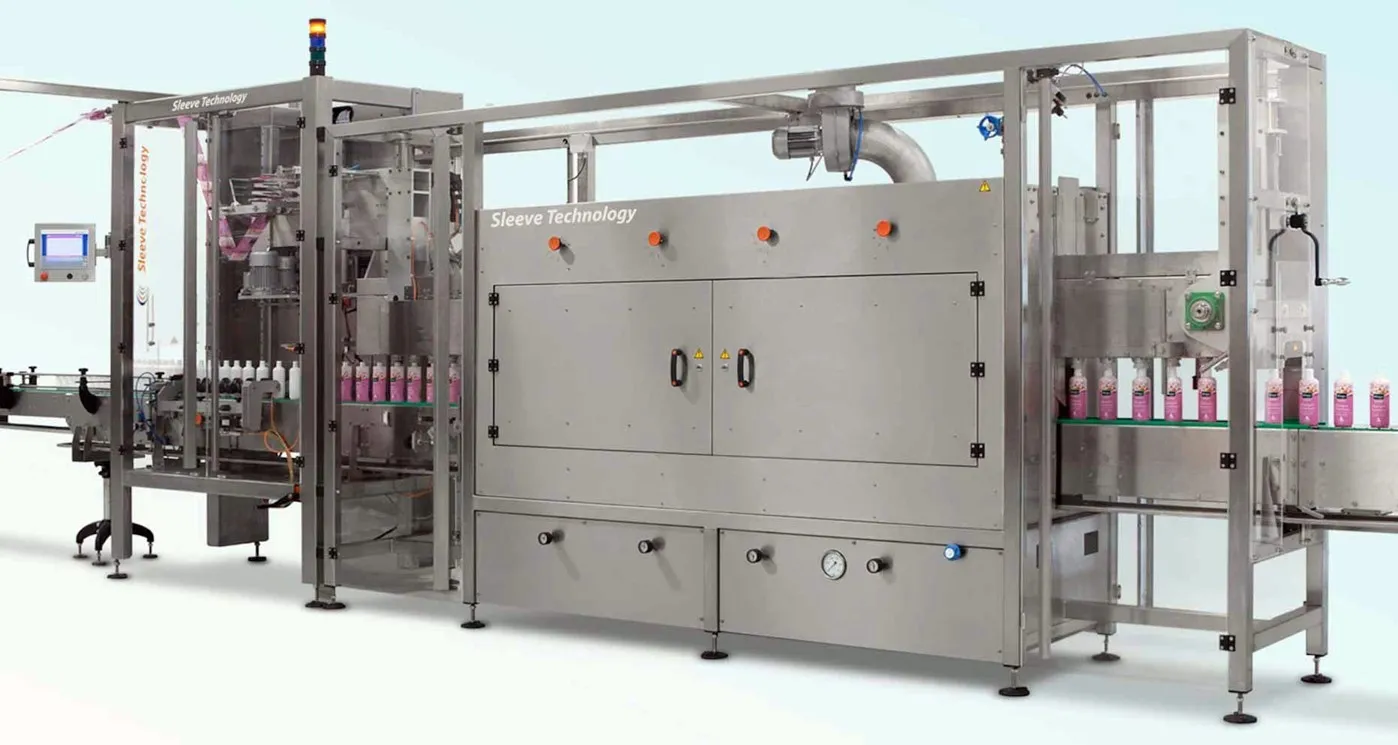
Boost your profits with this new business model
Producing your own smart consumables benefits not only your customers, but can also bring significant advantages to you as a machine builder, making it well worth considering.
Produce consumables optimised for your own machines and tailored to your customers’ quality requirements, or better still, sell machines to sell consumables. This minimises wear, extends equipment life and reduces downtime. This can lower costs for your customers and increase their production efficiency.
By offering fulfilment of your own smart, predictive consumables as a digital service, you provide a unique competitive service with high margins and recurring revenue streams. Customers no longer buy their consumables from an external supplier, but from you. That is because you provide a complete solution, with optimised consumables for the machines they use.
Use case: smart consumables in the packaging industry
Imagine how you could help your customers replenish their consumables by supplying your own. For example, you could produce plastic bags to protect goods in packaging and monitor when stocks are running low.
Use cloud technology to move from reactive to proactive services. Receive an alert when a customer has used 80% of their consumables and make sure they receive more through automatic delivery. This takes the hassle out of consumables management for them.
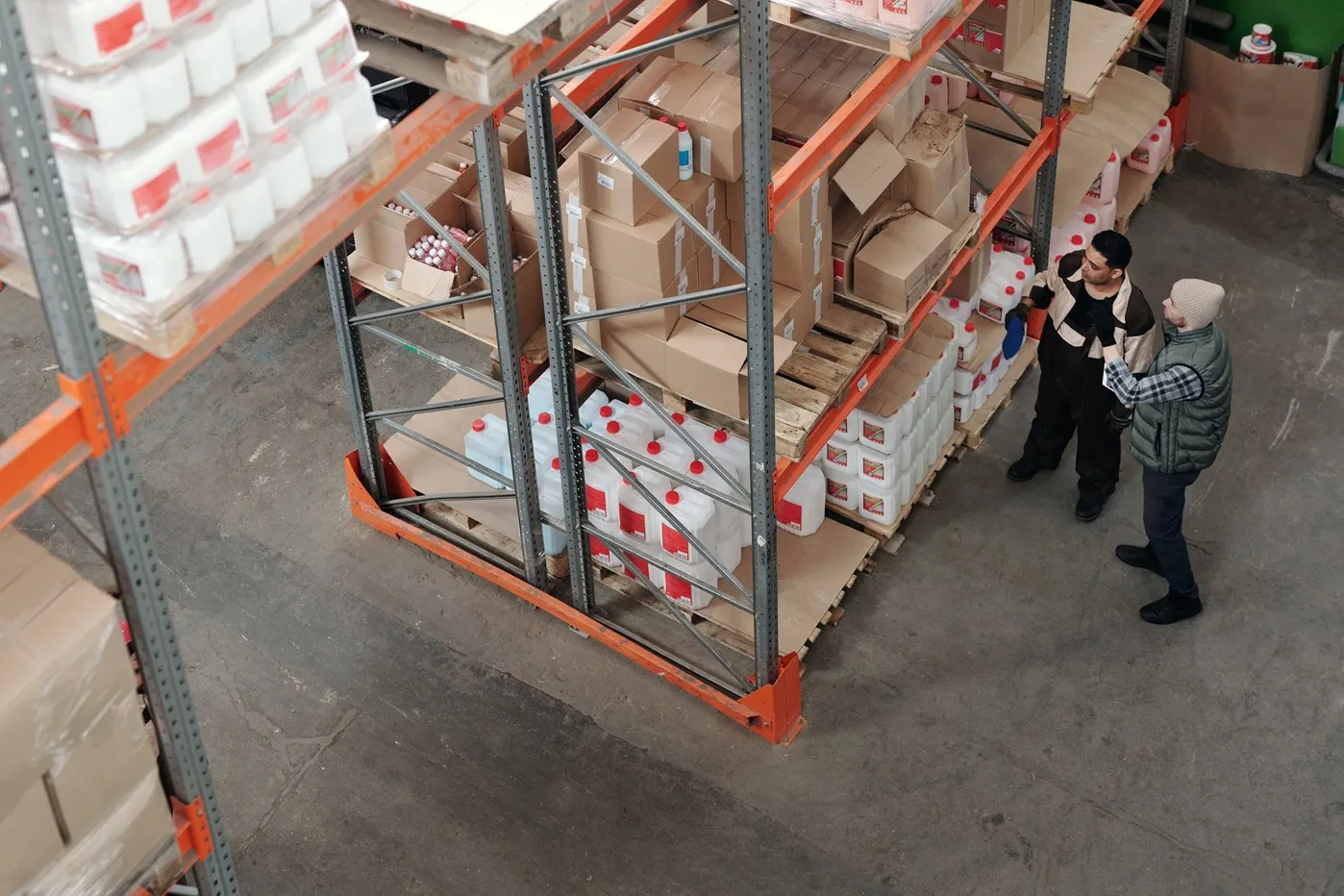
Would your customers be interested in a service that monitors their consumables and delivers them just in time?
Developing a smart consumables strategy
Are you considering selling consumables for your own machines? If so, it is time to develop a strategy for this new business opportunity. The list below may give you some inspiration:
1) Starting point: current consumables usage and data requirements
The first step is to analyse current consumables usage, identify which consumables cause machine downtime and determine what data needs to be recorded. Analyse the correlation and causality between consumables quality and stock levels. Some data will show a clear correlation and causal relationship between standard PLC variables and external ERP systems.
2) Prototyping and testing
Carry out internal tests on pilot setups using the consumables in question to support or refute the hypothesis. The next step is to plan strategically when data should be captured using sensors or PLC parameters. This data can be collected via an edge gateway and stored in the cloud for analysis and proactive alerts. Field data and analysis can then be used to validate confidence in the model and the potential business model.
3) Rolling out the business model
Determine how to deliver the increased value to customers as efficiently as possible to increase satisfaction and revenue. Ask yourself whether this is simply a way to increase revenue and add to your after-sales service offering, or whether it could also help differentiate your machines and services from the competition. What value does it offer end users? Can you apply value-based selling and achieve an attractive price point for this service?
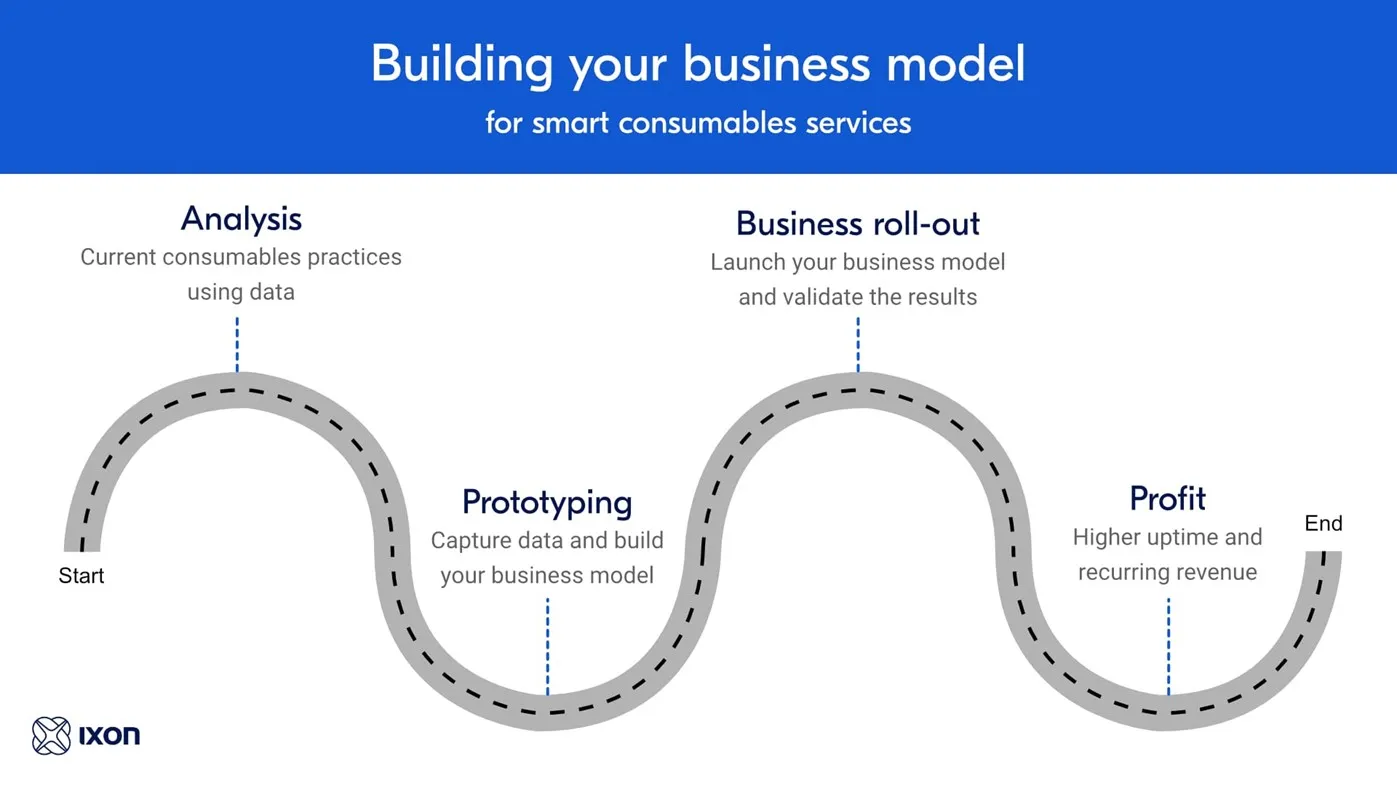
Consumables service: higher uptime and recurring revenue
Would you like more satisfied, profitable customers? High-quality consumables and a replenishment service can help you guarantee higher uptime for your customers while benefiting from recurring revenue streams. A win-win for both of you!
If you need help deciding whether and how a consumables strategy could work for your business, feel free to contact one of our industry experts for a no-obligation chat.
Question about this story? Ask your question
Keep following this
Get an email when a new story is published. No account needed.
- ThemeFrom design to flexible machine
- SubjectServices & solutions







