












Machine safety: prevention is better than cure
Text Valérie CouplezImage iStock
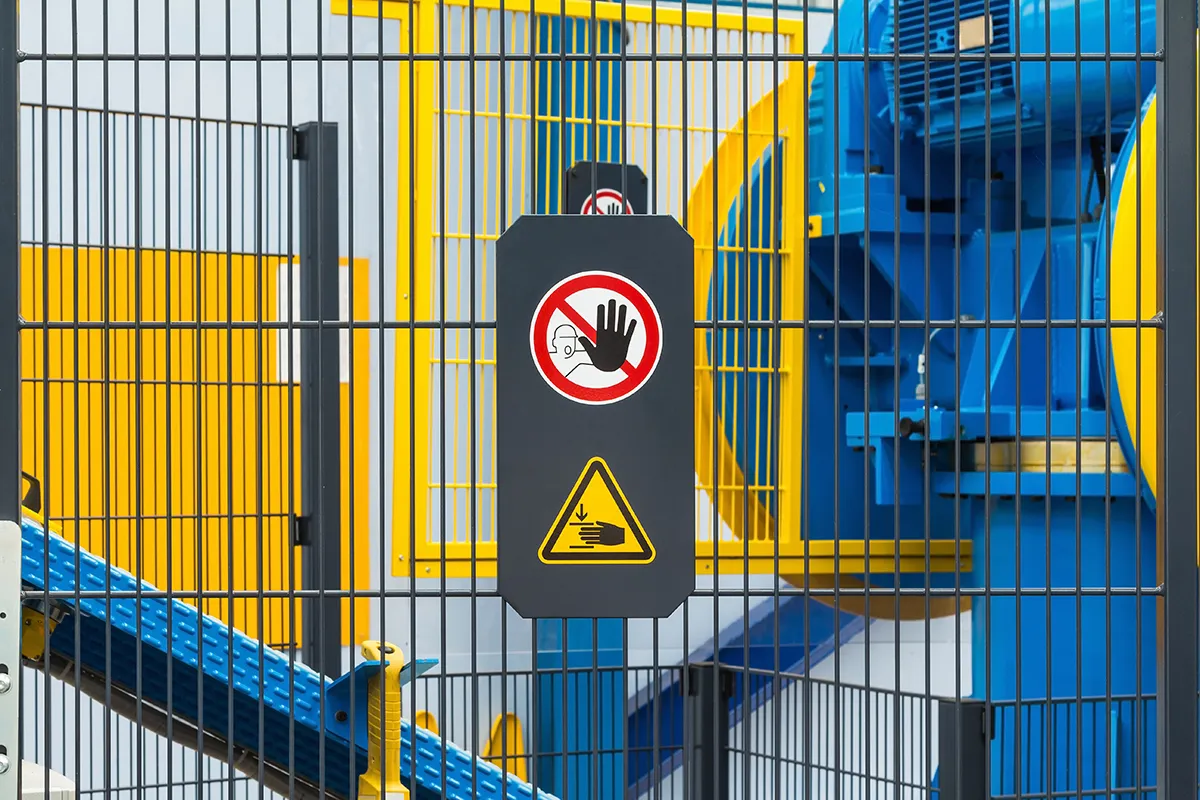
Effective machine guarding is central to protecting workers in manufacturing. Combined with other safety practices, it offers benefits beyond simply preventing accidents. It also helps create a safer, more productive workplace, reduces the risk of legal liability and ensures compliance with safety standards. By prioritising machine guarding and worker safety, manufacturers can protect their most valuable asset: their employees.
Machine safety starts with a thorough risk assessment, before any machine guards are installed. This involves identifying the hazards posed by each component, such as heat, electrical hazards and mechanical risks. The assessment should also take the machine's proximity into account to determine which hazards workers may encounter when operating it. Factors such as speed, the products being processed and any additional hazards arising from workers' interaction with the machine should be considered during the assessment. Once the hazards have been identified, the most suitable type of machine guarding can be selected.
Installing the right guards
Safety guards come in various types and should be selected according to the machine and the specific hazards associated with it. Some of the most common types are:
- Fixed guards: these are permanent barriers or covers that fully enclose a hazardous area and prevent access to moving parts. A circular saw, for example, often has a fixed guard around the blade to prevent workers from coming into contact with the cutting edge.
- Interlocked guards: these have a mechanism that automatically shuts down the machine when the guard is opened or removed. This prevents workers from accidentally coming into contact with moving parts. Press brakes, for instance, have interlocked guards to prevent people from entering the pinch point while the equipment is operating. If the guard is opened, the machine stops automatically.
- Adjustable guards: these can be adapted to accommodate materials or parts of different sizes. Sheet metalworking machines such as shears or punching machines may have adjustable guards that suit metal sheets of different sizes and provide coverage around cutting edges or press areas.
- Self-adjusting guards: these automatically adjust to the size of the material being processed. A surface grinder, for example, may have a self-adjusting guard that moves automatically with the grinding wheel as it is raised or lowered, keeping it between the worker and the wheel regardless of its position.
Use safety devices and automation technology
Other safety devices complement physical guards to provide workers with further protection. Around 70% to 90% of workplace accidents are caused by human error. Many high-tech automated systems enhance safety, including:
Presence sensors: these sensors detect when a worker is too close to a machine or its hazardous areas and can trigger an automatic shutdown or an alarm to warn of danger. A presence detector, for example, can alert the operator that their hands are too close to the blades.
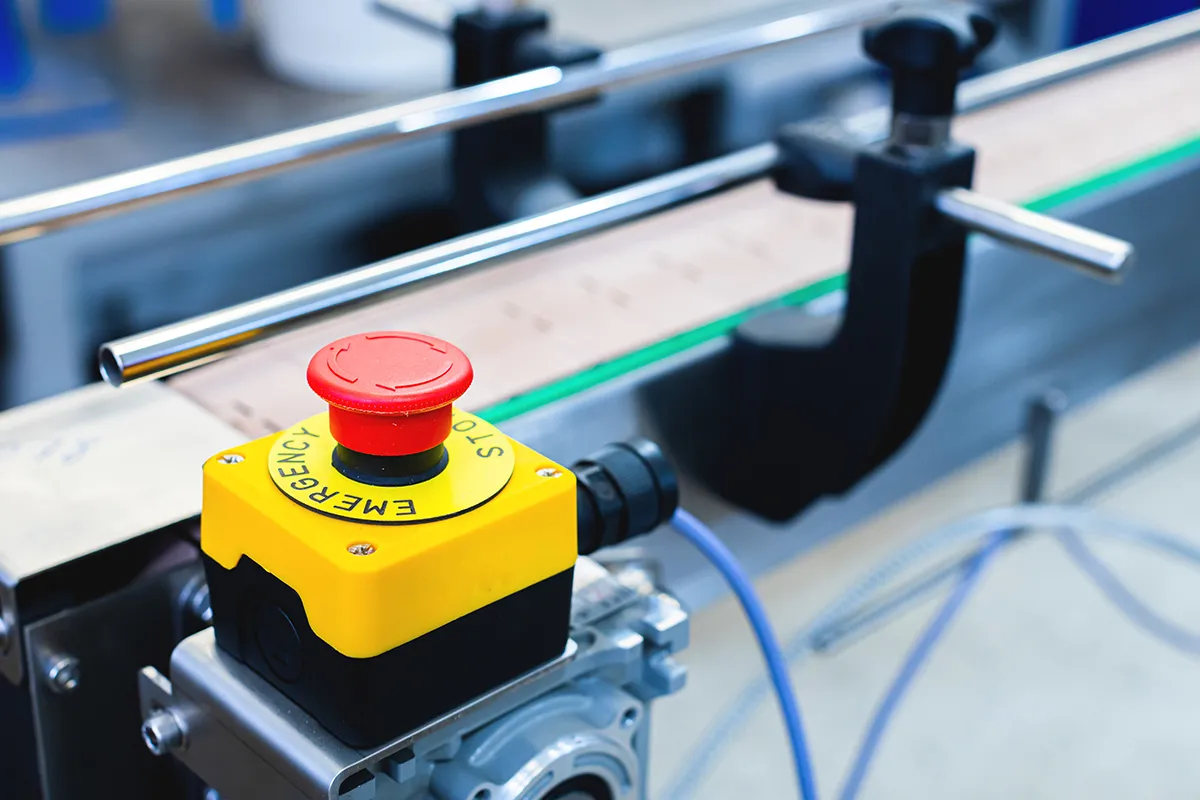
Emergency stop buttons: these should be easily accessible and visible in areas with high-risk machinery. Workers must know how and when to use them to stop the machine immediately in an emergency. In a factory with large stamping presses, for example, these buttons allow workers to pause the equipment if a hand or another part of the body is at risk of being trapped.
Machine control systems: automated systems can restrict machine operation under specific conditions, reducing the risk of injury to workers. These systems can be programmed to stop or slow down equipment when specific safety conditions are not met. A CNC machine, for example, can be programmed with sensors that slow it down if a guard is not properly in place or if there is an obstruction in the work area.
Provide the right training and instruction
Even the best machine guards and safety devices cannot replace the importance of training workers. All workers, especially those who work directly with the equipment, should receive comprehensive training in machine guarding practices and procedures. Training should cover:
- The types of hazards they may encounter.
- The importance of safety guards and how they work.
- The correct use of safety devices and emergency stop buttons.
- How to recognise signs of wear or malfunction in machine guards.
- The importance of reporting damaged or malfunctioning guards immediately.
Safety officers must ensure that workers know the safety protocols and understand how to keep a safe distance from dangerous machinery. Regular safety drills and refresher sessions can help keep workers up to date with the latest safety practices and ensure they remain alert while at work.
Question about this story? Ask your question
Keep following this
Get an email when a new story is published. No account needed.
- ThemeSafe and resilient installations
- SubjectServices & solutions







