Machine safety, more important than ever
Text Valérie CouplezImage iStock
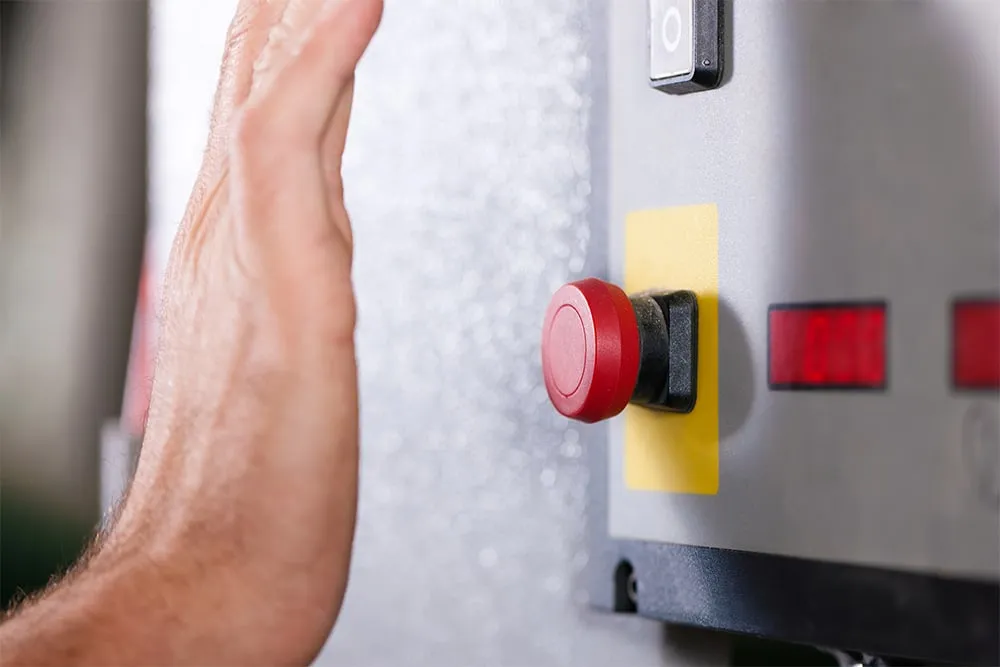
The European Agency for Safety and Health at Work (EU-OSHA) reported that machinery accidents are the second most common cause of fatal accidents in the European Union, accounting for 19% of fatal accidents. That is reason enough to make our machines and production lines even safer.
Developing a machinery safety strategy is essential in industrial workplaces to prevent accidents, injuries and fatalities. This strategy involves identifying hazards and implementing effective risk control measures. By adhering to machinery safety protocols, industries ensure regulatory compliance and create a safe working environment. The key elements of a comprehensive strategy include conducting risk assessments, installing safeguards, implementing safe working procedures, and planning regular maintenance and inspections. Prioritising machinery safety not only protects workers but also improves the overall effectiveness of equipment.
Standards and regulations
Key standards include ISO 12100 and ANSI B11.0, which provide guidance on machine design, risk assessment, protective measures, operator training and maintenance procedures. In addition, different industries and regions have their own safety regulations, such as the Machinery Directive in the European Union and OSHA regulations in the United States. Failure to comply with safety regulations can have serious consequences, including legal penalties, financial losses, reputational damage and, most importantly, an increased risk of accidents and injuries. To keep up to date with changing safety standards and regulations, it is important to read industry publications, attend safety conferences and seek advice from experts. By taking a proactive approach, organisations can align their machinery safety strategies with the latest best practices and legal requirements.
Risk assessment as a foundation
Hazard identification and risk assessment involve systematically identifying potential hazards associated with machinery and equipment, and evaluating their severity and likelihood. Thorough hazard identification and risk assessment enable the development and implementation of effective control measures to reduce risks. To begin, gather information about the machine, including its design, operation and maintenance procedures. Conduct a comprehensive hazard analysis to identify all potential hazards. Assess each hazard based on factors such as the severity of injury, frequency of exposure and likelihood of occurrence. Develop and implement control measures. It is advisable to review and update the hazard identification and risk assessment regularly, particularly when changes are made to machinery, the environment or procedures. Document the process, findings and control measures implemented.
Safe working procedures
Clear and comprehensive procedures ensure the safe and efficient operation and maintenance of machinery. Here is how to develop and implement them:
- Create clear and concise procedures that document all steps, hazards and safety measures. Use visual aids, such as diagrams and flowcharts, to improve clarity.
- Train employees on their responsibilities by providing practical demonstrations and encouraging questions.
- Review and update procedures regularly to keep them effective and ensure they remain compliant. Encourage employees to provide feedback and suggestions for improving procedures.
- Enforce procedures consistently, hold employees accountable for breaches and provide positive reinforcement when they follow them.
- Monitor and evaluate the effectiveness of procedures through observations, audits and incident analysis. Refine procedures continuously based on evaluations.
Regular maintenance
Well-maintained machinery is less likely to malfunction or break down in ways that could lead to accidents. Maintenance also helps identify potential problems at an early stage. Common maintenance tasks include:
- Visual inspections: identify visible damage or wear to the machine.
- Functional tests: carry out tests to ensure that the machine is working properly.
- Lubrication: apply oil or grease to the moving parts of the machine to reduce friction and wear.
- Adjustments: adjust the machine as necessary to ensure that it operates in accordance with the manufacturer’s specifications.
- Repairs: repair any damage or wear to the machine.
The frequency of these tasks varies depending on the type of machine and the manufacturer’s recommendations. It is also important to have a system for reporting and investigating accidents and injuries. This helps identify hazards and develop measures to prevent future incidents.
Question about this story? Ask your question
Keep following this
Get an email when a new story is published. No account needed.
- ThemeSafe and resilient installations
- SubjectServices & solutions