Key considerations when retrofitting machines
Text Valérie CouplezImage iStock
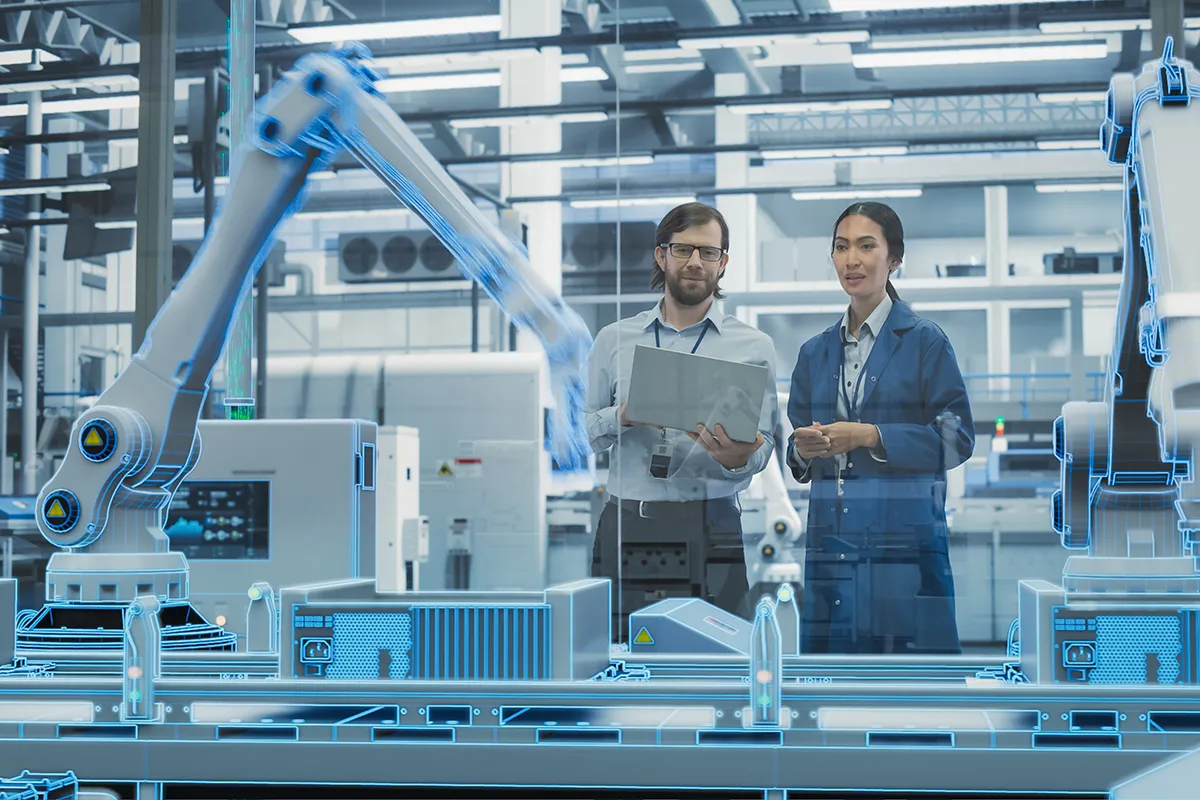
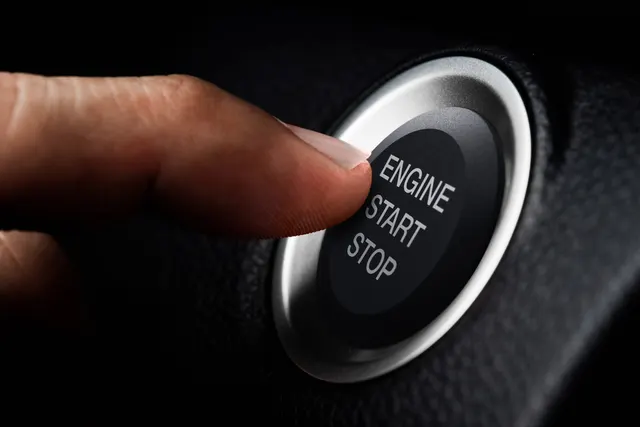
A new machine on the shop floor … for engineers, it is a little like getting behind the wheel of a new car and enjoying that distinctive smell. But new is not always better. Sometimes it simply makes more sense, financially and operationally, to upgrade an existing machine and bring it back up to the latest state of the art. In other words, retrofit it. This article outlines some of the considerations when choosing between a new machine and retrofitting an existing installation.
Where did industry get the idea of retrofitting from? The comparison in the introduction was no coincidence, as car manufacturers have been doing this for years. They keep the foundations of a particular model but equip the new vehicle with the latest technology to improve performance, fuel efficiency and safety. Industry takes much the same approach. And there is a lot to be said for it, not least because the investment is usually lower. We would certainly not go so far as to say that everything was better in the past. But the mechanical foundations of machines are often built to last. It is the control system that tends to become outdated first. Sometimes an upgrade is simply needed when a product is phased out. A retrofit can also leave the machine’s footprint unchanged. There is no need to find extra space on the production floor, and everything around it, such as cabling and control cabinets, can stay where it is.
Think beyond today
What it delivers depends on what you want to achieve. In principle, the sky is the limit when it comes to boosting efficiency, integrating new functionality or optimising operation in terms of energy consumption, ergonomics and safety. The key is to make a strong business case. At the end of the day, the investment has to pay off, even if it costs less than a new machine. So think long term. It will take some engineering to bring your machine back up to the state of the art. There is usually more to it than replacing the motor with a more energy-efficient model. The drive train may already be more efficient, but have you also considered what a variable frequency drive could deliver? And how you could easily extract data for monitoring? Make sure the changes stand the test of time for at least a decade, that spare parts remain readily available, and that staff can operate the machine just as easily, or even more easily, once the retrofit is complete.
Technical challenges
Unfortunately, nothing in life happens by itself. Retrofitting also brings its share of technical challenges. Will all the new components fit? Can the legacy technology being retained be connected more easily to today’s technology? For some machines, it may only be possible to integrate more intelligence to a limited extent. Alternatively, it may require additional modifications, sensors and interfaces, and above all, more time. The engineers taking on your retrofit project are unlikely to be the people who originally built the machine. They will first need to familiarise themselves with its more complex internal mechanisms before they can make the improvements you have in mind.
Production conversion = production downtime
But if you think it through carefully, a successful retrofit can bring your machine right into the 21st century and tailor it precisely to your production process, both today and tomorrow. Bear in mind that every conversion will involve some downtime. The machine or line being upgraded will therefore be temporarily unable to run production. A second limiting factor is the machine’s mechanical condition. If it is too worn, a new machine will often be the better choice.
Question about this story? Ask your question
Keep following this
Get an email when a new story is published. No account needed.
- SubjectServices & solutions