Humidification and dehumidification vital in the food sector

Air humidity plays an important role in the food sector, for example in the preservation and maturation of foodstuffs. In bakeries, too, humidity affects product quality and the efficiency of the baking process. Condair, which specialises in commercial and industrial humidification, advises companies on making the right choice.
When a (production) space is heated above the temperature of the outside air, the relative humidity indoors drops immediately. This effect occurs because cold air can hold less moisture than warm air. Opening windows or doors or increasing ventilation has no effect on the indoor relative humidity as long as the indoor temperature is higher than the outdoor temperature. The dry air will then draw moisture from all foodstuffs, materials, packaging, people and machines in the (storage) space, causing them to dry out further. The result is loss of production and quality.

Cooling
When moisture-containing foodstuffs are cooled, moisture is also drawn out of the product. This can lead to loss of quality and weight, which is highly undesirable. To prevent this, humidification is needed to add moisture back to the foodstuffs. From an energy point of view, it is better to humidify when the cooling is not active. The humidifier then creates a mist in the space, allowing the foodstuffs to absorb moisture from the air while leaving enough moisture in the air to prevent moisture loss during the cooling process.
Cold stores
In cold rooms and freezer rooms, on the other hand, heavy ice formation can occur because the (outside) air that enters when doors are opened condenses in the space. Dehumidification makes it possible to prevent this ice formation in cold rooms and freezer rooms, so that the space has to be defrosted less often. By combining humidification and dehumidification, companies can avoid many problems.
Storage rooms and production halls
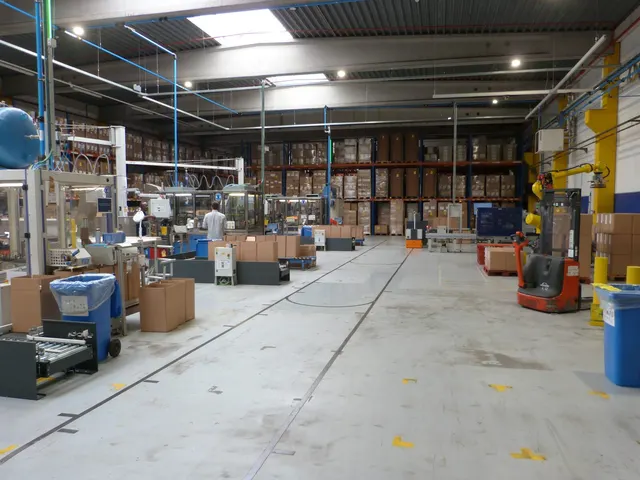
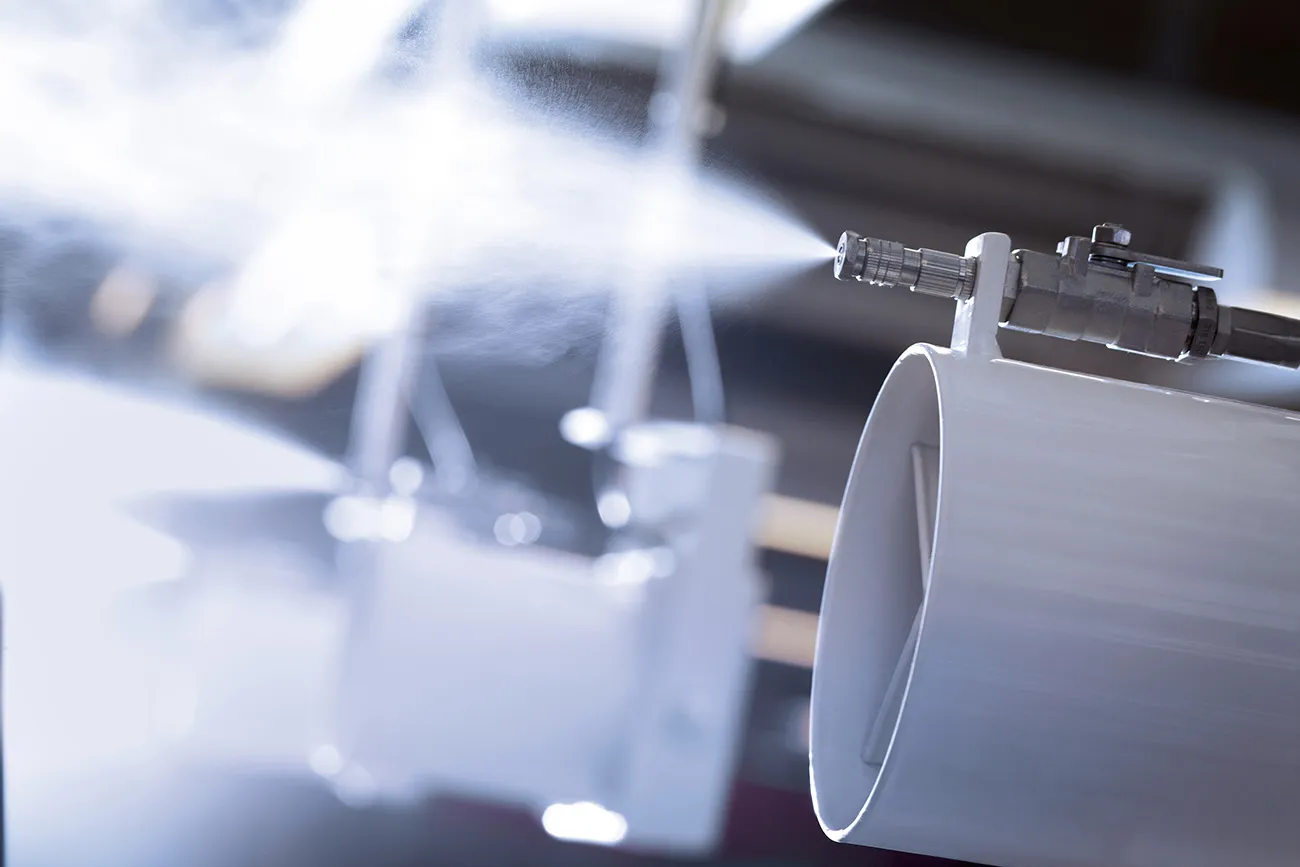
Air that is too dry also occurs in heated storage rooms and production halls. As a result, foodstuffs dry out and lose quality and weight. Humidification reduces material loss. The investment therefore pays for itself quickly. In storage rooms and production halls that are not heated, there may be too much moisture, which can lead to mould, bacterial growth or problems when packaging the foodstuffs. Dehumidifiers or humidifiers can then keep the humidity in these spaces within acceptable conditions.
A uniform temperature and constant relative humidity are essential to guarantee the high quality of the end products.
Bakeries
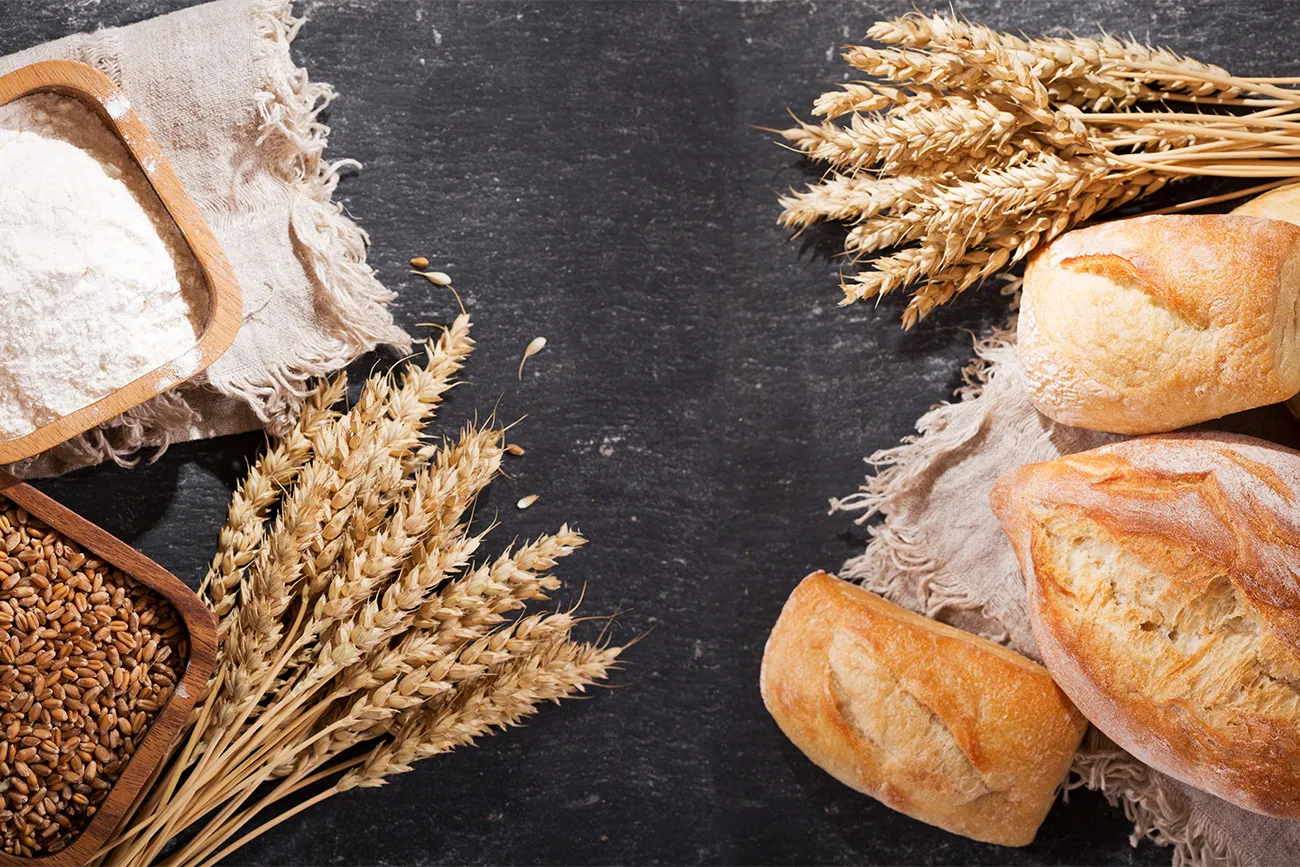
In bakeries, too, the right humidity is important, to improve presentation, quality and production speed. Bakeries need to maintain a high throughput, because bread and other baked products generally have a short shelf life. Humidification speeds up the baking process, raises quality,
extends shelf life
and improves the appearance of finishes and decorations. With adiabatic humidification, working comfort is also considerably better thanks to the cooling effect and the reduction of airborne dust. To prevent the air from becoming too humid at the end of the production day, which could lead to mould formation, dehumidifiers can be used.
Condair can advise companies on the right choice, based on the company's requirements in terms of energy consumption, hygiene, and investment and maintenance costs. Whether a company is large or small, there is a suitable solution for every production environment.
Question about this story? Ask your question
Keep following this
Get an email when a new story is published. No account needed.
- SubjectServices & solutions