












How to build smart machines
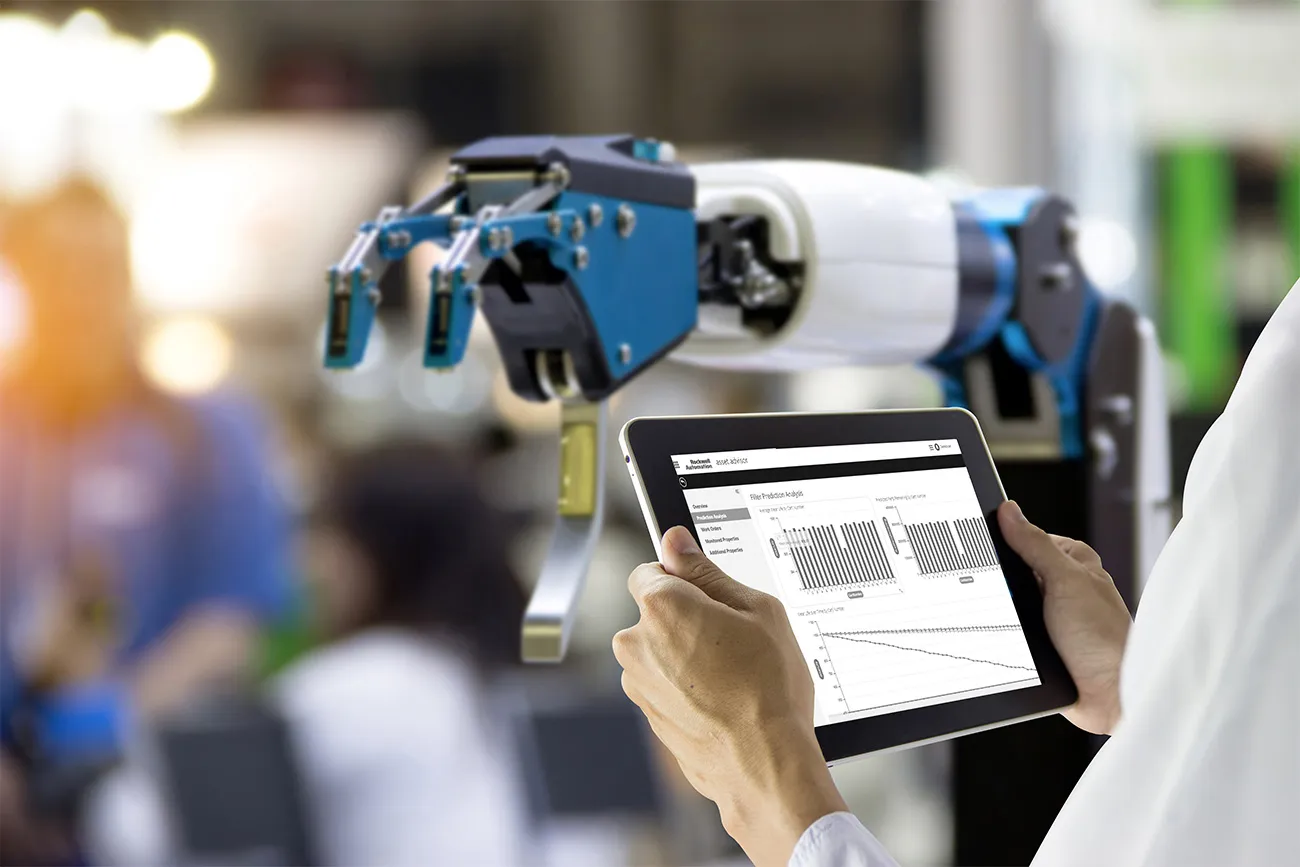
Bringing connected enterprises to life. That is Rockwell Automation’s aim as it helps customers with their digital transformation. For the automation and digitalisation specialist, that starts with smart machines. Reliable connections between OT and IT require data. Lots of data. Rockwell helps companies map out a digitalisation roadmap for what they can do with that data. As the local partner, Routeco provides end-to-end support throughout the process.
Industry 4.0 is about integrating control and information technology, which makes communication crucial. “That’s a trump card for Rockwell Automation,” says Patrick Blommaert. “We’ve always been strong in networking, because we recognised very early on the value of a universal communications standard for industrial environments. By embracing Ethernet connectivity, we can help bridge the gap between OT and IT.” Although the questions in automation projects remain the same, namely how to make the products customers ask for as well and efficiently as possible, the answers have invariably become at least partly digital. “Digitalisation is how you achieve the gains in efficiency, flexibility and quality that matter today,” Blommaert concludes.
Smart machines are flexible machines
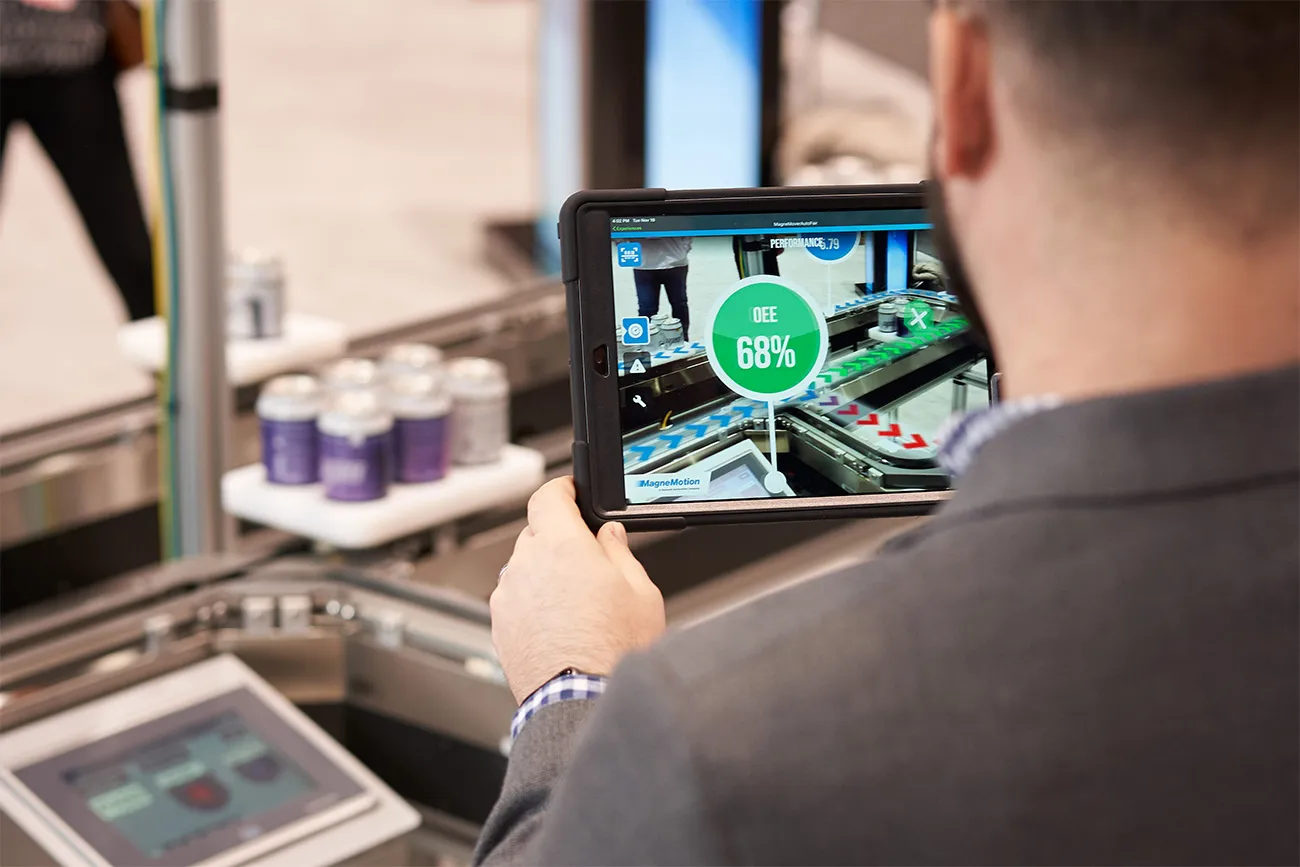
But how do you get started with digital transformation? For Rockwell Automation, the starting point is a smart machine. The data already available in machines provides the basis for making them better and faster, while also opening the door to new business models. “Today’s manufacturing industry needs to respond far more flexibly to consumer demands. The days when the same product could run down the production line for a whole week are over. Now, the product composition or packaging needs to be changed several times. By using data and exchanging it bidirectionally, mechanical changes will eventually no longer be necessary. Everything can be configured and adjusted on the fly in software, with all kinds of diagnostic information added as well. Digital technologies put that data into the right context, while artificial intelligence processes it to minimise downtime and predict quality deviations. That’s where digitalisation pays off,” says Blommaert.
Digitalise at your own pace
Rockwell Automation has brought together its expertise on this subject in the ‘Smart Machines’ white paper. “What makes us a good partner for digital transformation is that our core business is PLCs. We know them, and we know how to use them to extract the right data from processes and make it available in the right way to all the processes integrated around them. Step by step, of course. Digitalisation is certainly not a big bang. We make sure that all the technology needed for connectivity and digitalisation is already built into our hardware. Customers can then progress at their own pace.” To provide close support, Rockwell Automation works with Routeco as its local partner. Blommaert explains: “Our range covers virtually the entire toolbox companies need to work smarter and more efficiently. We rely on Routeco to translate that into the specific needs of users.”
Data aligned with objectives
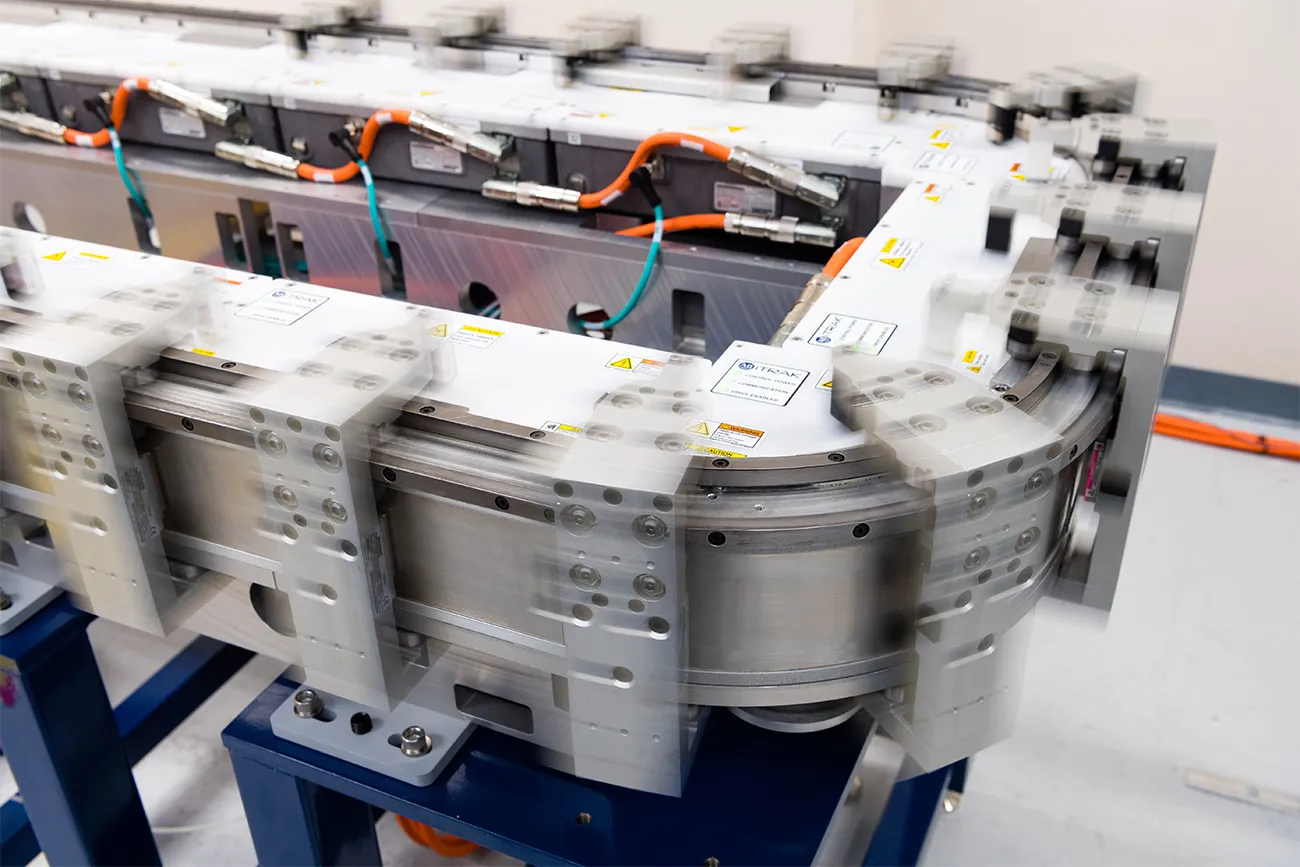
“Digitalisation is progressing at different speeds across industry. We therefore try to connect where companies are in their transformation with where they want to go, and how we can support them with hardware, software and services,” explains Routeco sales manager Johny Vangeel. “Are they aiming for higher quality? Do they want to work more energy-efficiently? Do they want to reduce production downtime? We work with them to identify the data they need and how it can be used. We also try to look beyond tomorrow, at how smart machines could lay the foundations for new business models, for example. Working digitally and in an integrated way creates real opportunities to differentiate yourself from competitors and get more out of your machines. Rockwell’s strength as a partner is that it has everything in-house, from the smallest sensor to the PLC and all the software above it. At the same time, it offers a very open architecture that lets you connect other components and services to create one integrated system. This makes it possible to have a complete, detailed overview of your entire factory and control it effectively,” Vangeel concludes.
Question about this story? Ask your question
Companies in this story
Keep following this
Get an email when a new story is published. No account needed.
- ThemeData from shop floor to decision
- SubjectServices & solutions
- CompanyRouteco B.V.







