Functional safety in mechanical engineering
Text and images Lenze
A strategic success factor
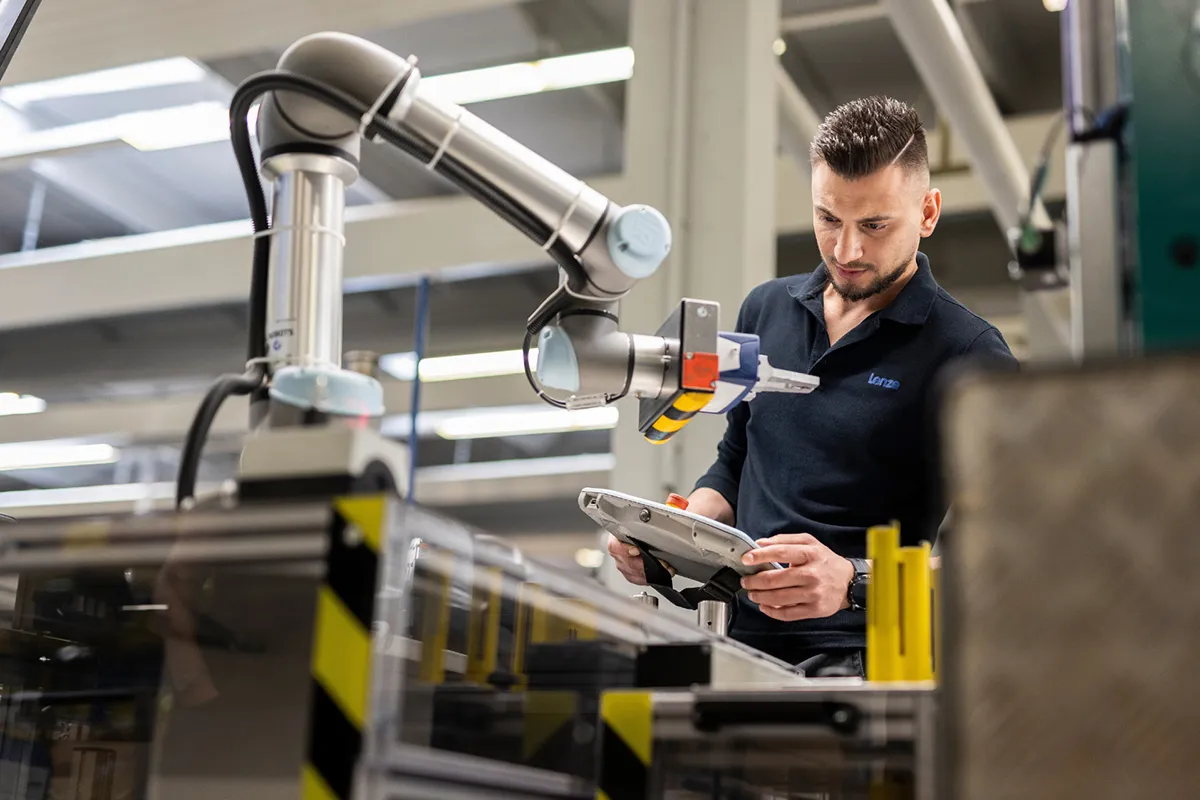
Functional safety ensures that machines respond safely when a fault occurs and minimises risks to people and the environment. It is therefore important to develop preventive strategies to identify potential hazards at an early stage. Functional safety in drives is crucial because it directly affects the performance and efficiency of drive systems. By intelligently implementing comprehensive safety concepts, you can protect employees while also boosting your competitiveness through increased reliability and reduced downtime. Functional safety is therefore a strategic success factor, and Lenze is the ideal partner to support companies in this area.
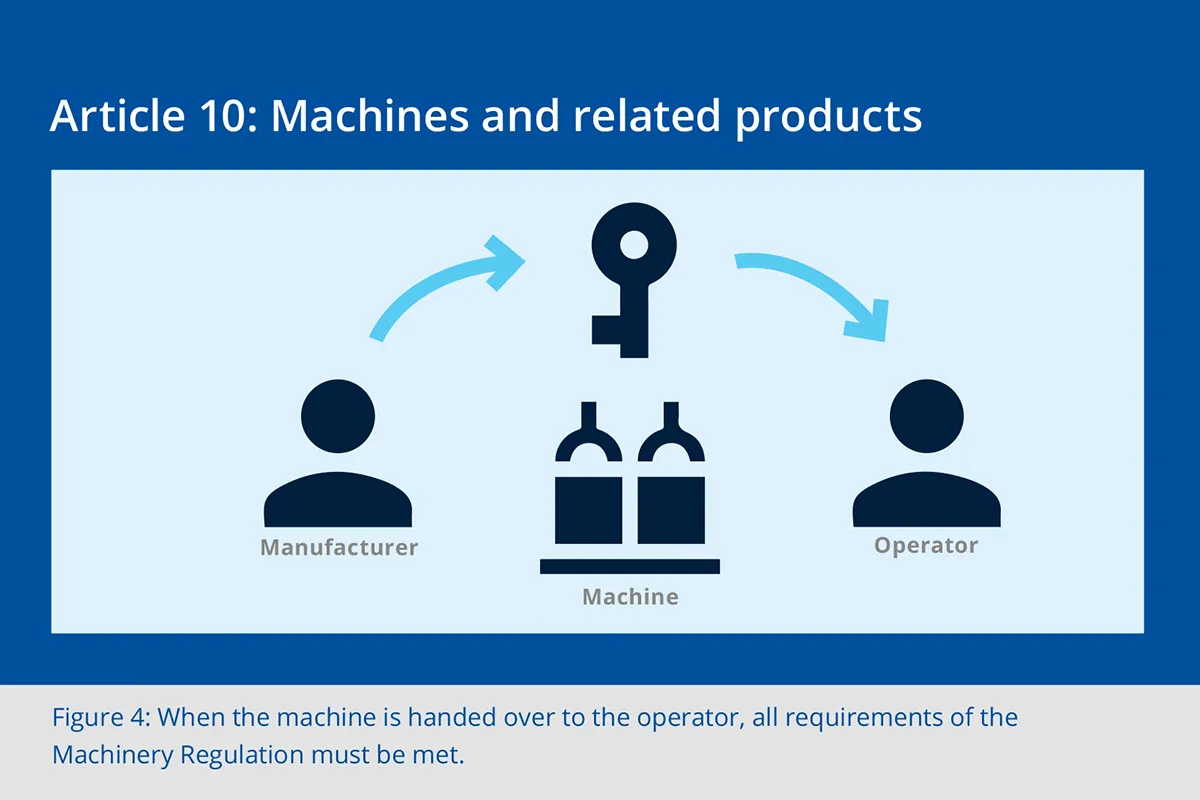
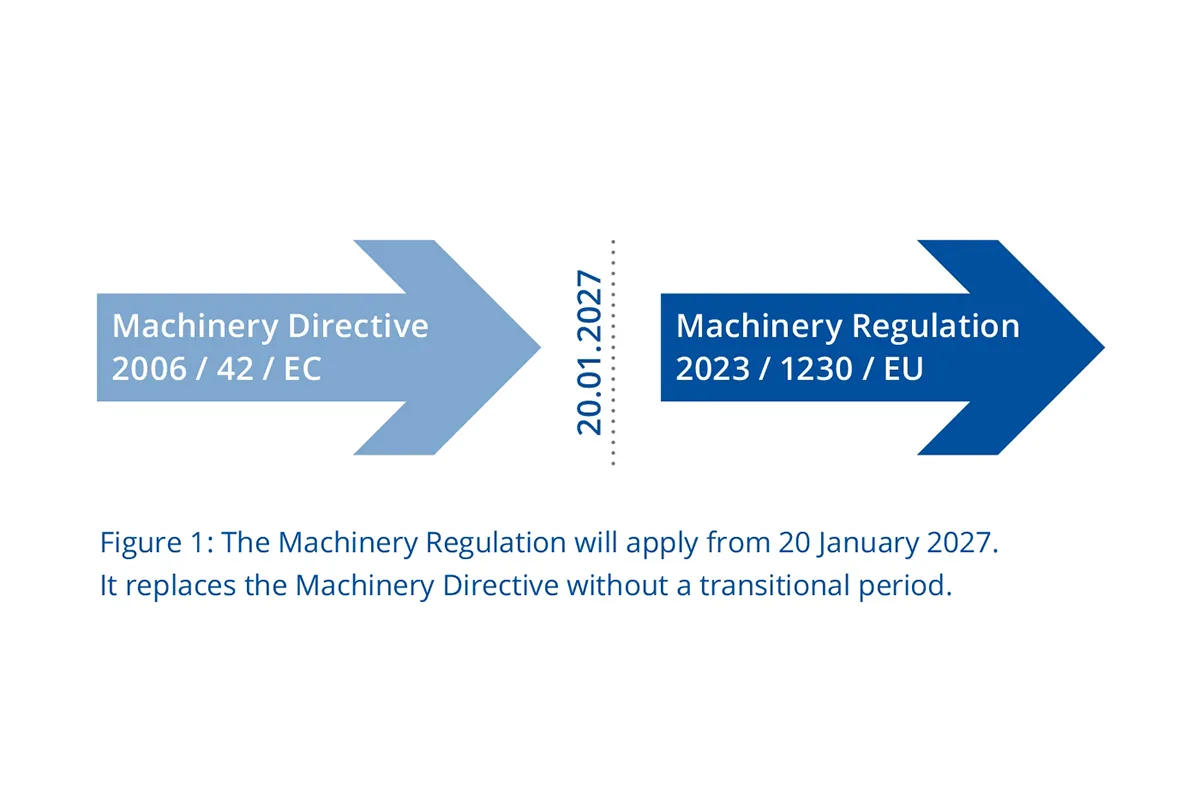
Functional safety is not optional. The European Machinery Directive, and the Machinery Regulation that will replace it from 2027, lay the foundations for safe machinery and therefore for functional safety. The legislation defines the requirements for the design, supply and CE marking of machinery. Articles 5 (placing on the market), 7 (presumption of conformity), 12 to 14 (conformity assessment, CE marking, notified bodies) and 16 (CE marking) are particularly relevant. Machinery manufacturers bear the responsibility, from the personal liability of management to the criminal implications of infringements. The so-called ‘manufacturer’s liability in the event of an accident’ is also relevant: anyone who substantially modifies machinery may legally be regarded as its manufacturer.
Inherently safe design
But what does functional safety mean in practice? It all starts with an inherently safe design, which is the highest priority for minimising risks. Machines should first and foremost be designed so that risks do not arise in the first place. For example, if heat is generated during a process, choose suitable components and materials to prevent operators from suffering burns. Alternatively, consider a different design to eliminate potential crushing hazards.
Technical protective measures
If certain risks cannot be addressed through improved design, the law requires technical protective measures. These include protective devices such as light curtains, safety fences or guard monitoring switches that automatically shut down the machine in the event of danger. Limiting the maximum speed is another typical measure. These safety systems must be designed to operate reliably and be difficult to bypass.
Documenting residual risks
In many cases, however, it is not possible to eliminate all risks entirely. The hazards that remain after an inherently safe design has been created and technical protective measures have been implemented are known as residual risks. The law requires these to be clearly documented, usually in the machine’s manual. Many scenarios can arise, particularly during transport, installation and commissioning, and these can only be adequately addressed with accurate documentation. Give clear and complete documentation the attention it deserves: not only to inform the installer or user, but also to protect the machinery manufacturer legally.
Practical examples
Lenze’s white paper on functional safety also provides practical examples of how it works. The first concerns a safe drive with an adjustable maximum speed. The machinery manufacturer specifies the maximum speed, which is set precisely by the drive manufacturer’s service technician. An acceptance report documents the process. The same applies to the control cabinet. The machinery manufacturer defines the safety functions and their quality requirements. The control cabinet manufacturer must implement these requirements correctly through its own quality assurance system. Clearly defining responsibilities is essential. Even when an external consultant is brought in, responsibility remains with the machinery manufacturer. The results of the risk assessment must be taken into account and, where necessary, implemented in addition to the requirements of the C-type standards.
Why act now?
The introduction of the new Machinery Regulation, which will replace the previous Machinery Directive, will bring further detailed requirements for functional safety. Companies that meet these requirements at an early stage will benefit not only from legal protection. They will also position themselves in the market as responsible, forward-looking partners.
Een zakelijke vraag aan Lenze BV? Get in touch
Companies in this story

Keep following this
Get an email when a new story is published. No account needed.
- ThemeFrom design to flexible machine
- SubjectServices & solutions
- CompanyLenze BV