












Case study: Guaranteed product quality and cost savings through inline refractometry and pH measurement
Bayer Agriculture, a global leader in crop protection products and seeds
Bayer is an international company committed to innovation in healthcare and agriculture. The organisation has 3 divisions: Pharmaceuticals, Consumer Health & Crop Science.
Bayer Agriculture, based in the Port of Antwerp, is part of the Crop Science division. By intelligently combining biology, chemistry and digital tools, it drives innovation in agriculture.
Chemicals have been produced at this site since 1966, including crop protection products for the European, African and Asian markets. With its innovative products, the company aims to support farmers as sustainably as possible.
What is it about?
Glyphosate is produced at the Antwerp site. Before it becomes a usable product, the glyphosate must be further concentrated. This takes place in a key first step using a conventional crystallisation process. The end result is a pure glyphosate crystal. The target solids concentration in the crystalliser is typically 20 to 25%. This is precisely the parameter that process operators want to control as accurately as possible.
Refractometry for reliable process control and cost savings
If the solids concentration is too high, the crystallisers and heat exchangers will become fouled. This prevents steam from being used optimally, with significant cost implications in terms of natural gas and CO2. Keeping the solids concentration on target delivers clear cost savings, making this a sustainability project for Bayer.
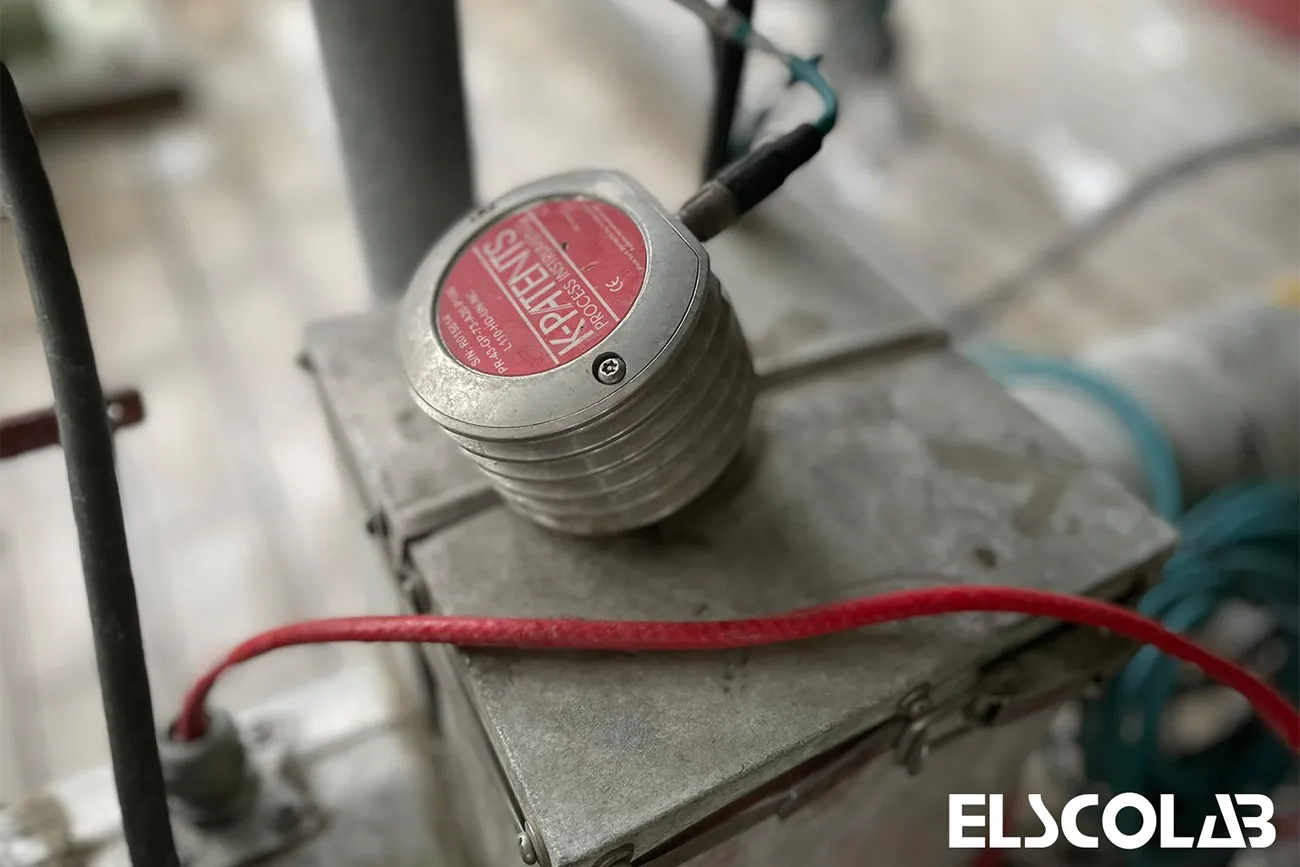
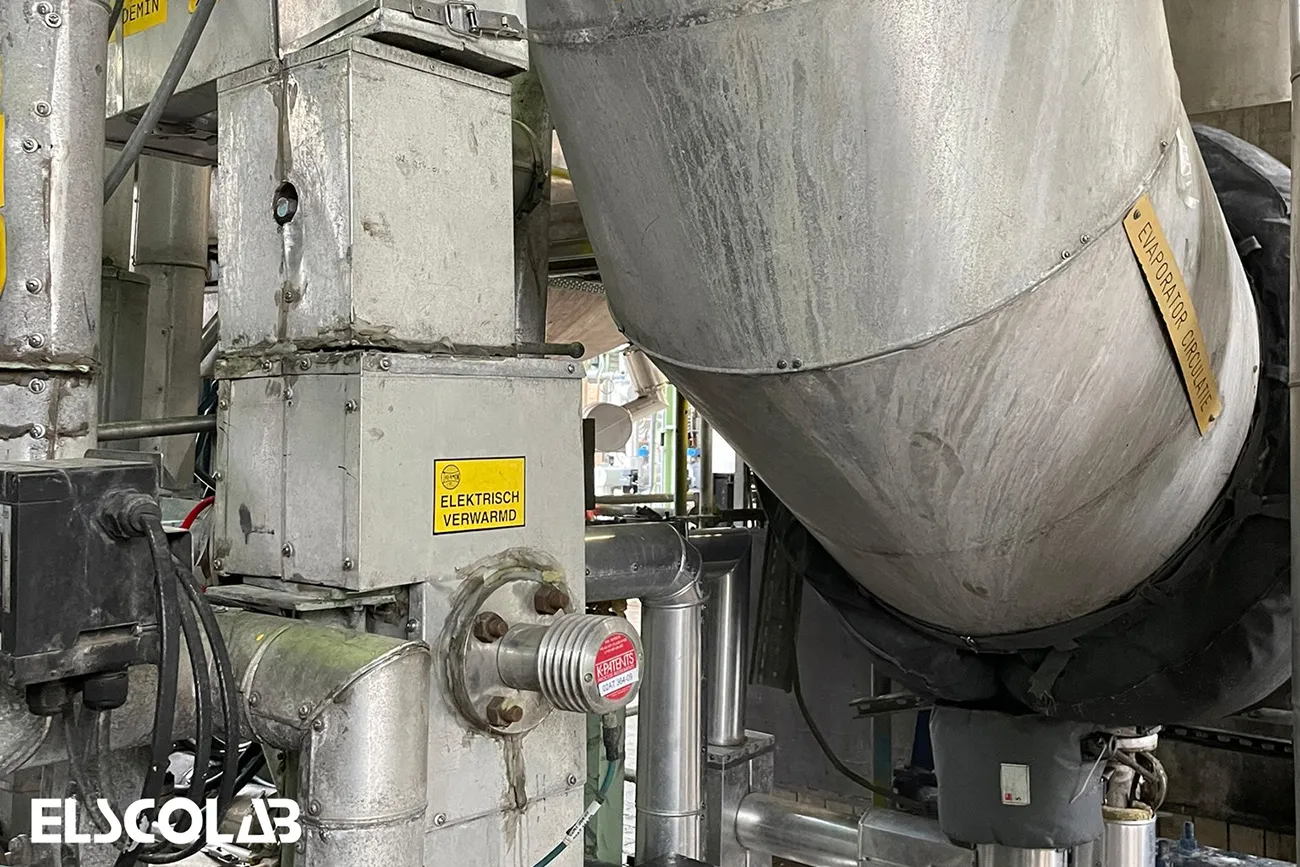
Historically, solids concentration was monitored using online density measurements. However, this method had its limitations. The concentration calculated from the density measurement was affected by impurities in the liquid, for example. Bayer looked for a measurement technique that could measure the total amount of impurities in the liquid phase. Refractometry is precisely the technique used to measure total dissolved solids in a liquid, without being affected by particles, colour or gas bubbles. Inline refractometry is used to correct the density measurement for impurities. This means the correct solids concentration is now measured inline in real time.
When implementing the Vaisala K-Patents refractometers, the team established a correlation. Sampling the three crystallisers at different times over a one-month period revealed clear variations in solids concentration. This made it possible to link the solids concentration to the density and RI (Refractive Index) measurements. A relationship was then established using statistical tools, producing an equation that was entered into the DCS systems.
When the measurements were introduced, a control system was implemented at the same time, resulting in a dramatic reduction in variation in solids concentration. Steam use also became 3 to 4% more efficient, ultimately reducing heat exchanger maintenance. Overall, this delivered significant cost savings!
A business enquiry for ELSCOLAB? Get in touch
Companies in this story
Keep following this
Get an email when a new story is published. No account needed.
- ThemeProcess measurement and control
- SubjectServices & solutions
- CompanyELSCOLAB







