Calibration and adjustment as a service partner
Text Marjolein de Wit-BlokImage CaTec
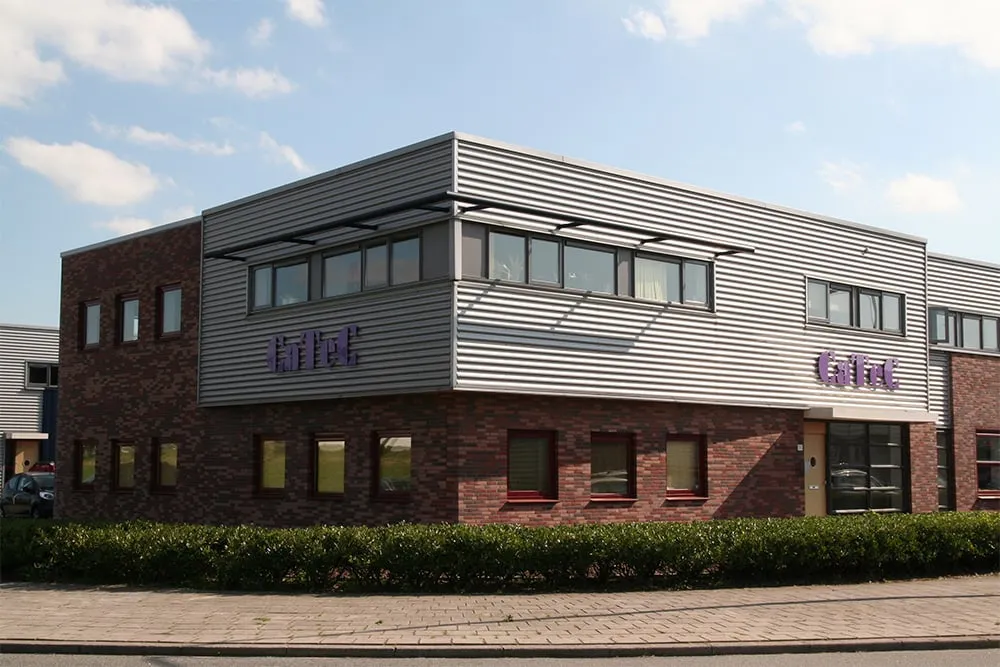
Accuracy can mean the difference between success and failure in business processes. That is why CaTeC has invested in expanding its calibration and adjustment department in recent years. Combining advanced calibration and adjustment technologies with extensive experience and expertise, CaTeC gives its customers maximum confidence. Whether the aim is to ensure product quality, meet stringent safety standards or optimise business operations.
CaTeC has traditionally focused on climate sensors, but over the years the company has broadened its focus with new products and services. Helping customers select the right product and implement the solution remains its core business. However, the Service department’s role in calibration and adjustment is growing rapidly for several reasons.
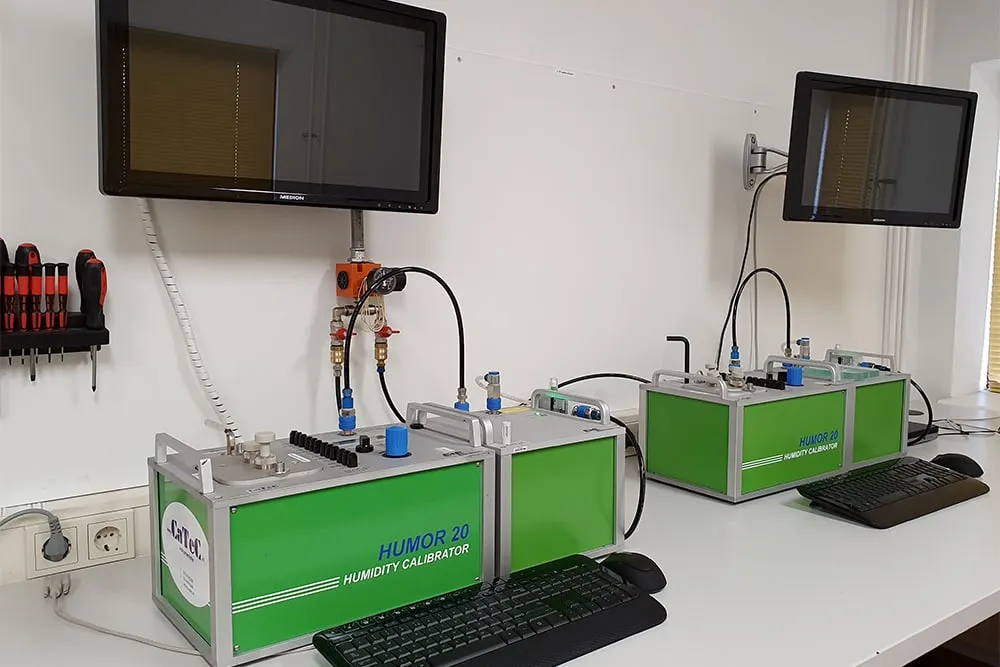
The difference between calibration and adjustment
In brief, calibration means comparing the value measured by an instrument with the actual value, as measured using a reference instrument. These results show whether a measuring instrument is inaccurate and, if so, by how much. Hans Oosterling, managing director of CaTeC, explains: “If the deviation is too great, CaTeC can adjust the measuring instrument, essentially resetting it until its deviation is back within tolerance. This makes it clear that calibrating instruments alone is not enough to maintain quality: if there are deviations, you also need to take steps to bring them back within tolerance. We are seeing growing demand for this. Companies want to be sure they are measuring the right value, both for their own product quality and for safety, or to meet requirements imposed by insurers or legislation and regulations, for example.”
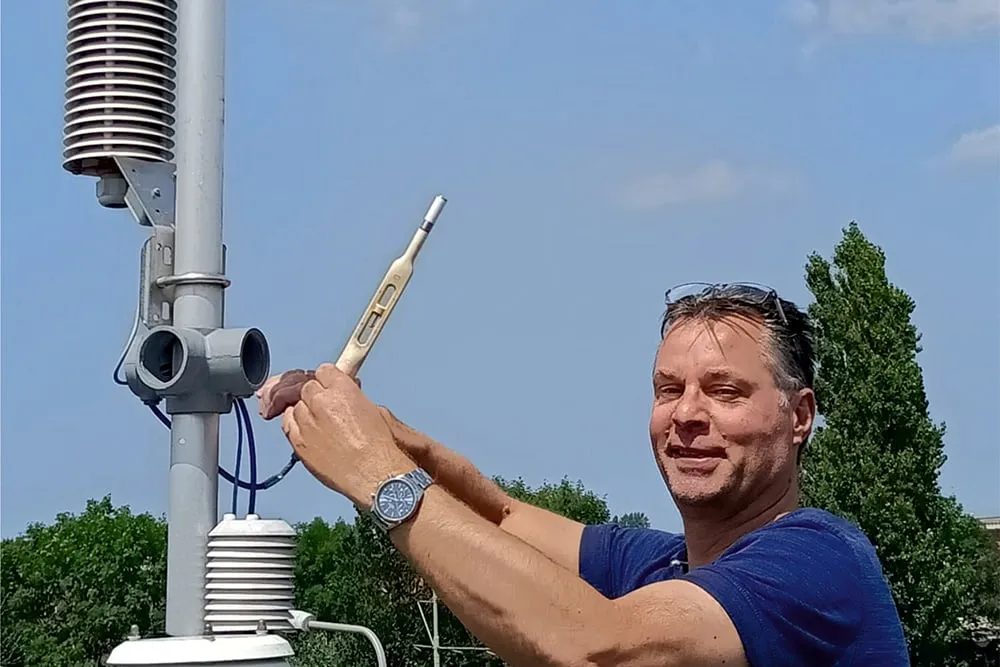
From one extreme to the other
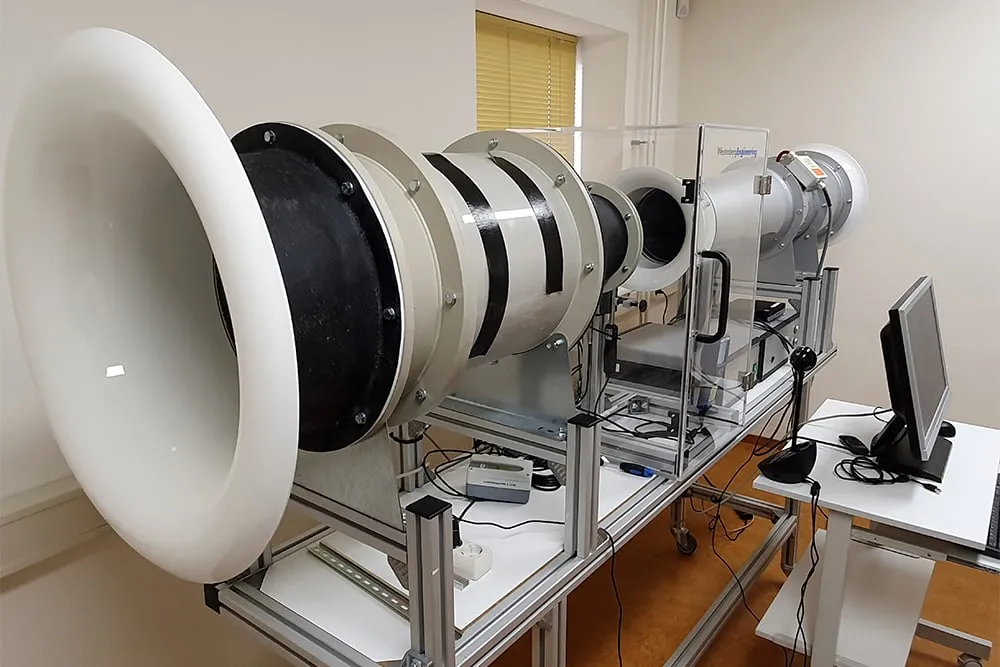
CaTeC uses controlled reference instruments and calibrates around 4,000 measuring instruments a year in accordance with ISO standards. These range from humidity and temperature sensors to CO2 sensors, light sensors and air velocity meters. The company has every type of test rig at its disposal, including its own wind tunnel. Oosterling says: “Light sensors may seem out of place here, but the PAR lamps our customers use in greenhouses, for example, emit what is known as ‘growth light’. This light has a very specific wavelength, typically between 400 and 700 nm, so it is obviously important to be sure that the lamp really does emit this light.”
CaTeC prefers to carry out calibrations in its own laboratory, under controlled conditions. But calibrating on site is also possible if a customer insists or if there is simply no alternative, for example in hospital operating theatres or dedicated rooms in museums. It is essential to understand all the factors that can affect a calibration. Oosterling explains: “If you are not working under laboratory conditions, you need to know, for example, whether atmospheric conditions affect the measurement. Sensors that use polymers are sensitive to humidity, for instance: this affects their capacitance and, in turn, their calibration. Temperature, meanwhile, affects relative humidity, so you need to make sure that heat sources such as infrared light cannot interfere with the measurement.”
Service delivered on a silver platter
The necessary, and sometimes mandatory, calibration and adjustment processes can also be included in service contracts. CaTeC keeps track of when a new measurement is required and arranges it for its customers. Oosterling concludes: “We are constantly working on improvements, often in collaboration with sensor manufacturers. This only strengthens the benefits of accuracy. It enables us to take the worry out of our customers’ hands and support them in maintaining a smooth-running, accurate and safe process.”
Een zakelijke vraag aan CaTeC bv? Get in touch
Companies in this story
Keep following this
Get an email when a new story is published. No account needed.
- SubjectServices & solutions
- CompanyCaTeC bv