Bespoke mobile lifting system supports STIB in metro train maintenance and repair
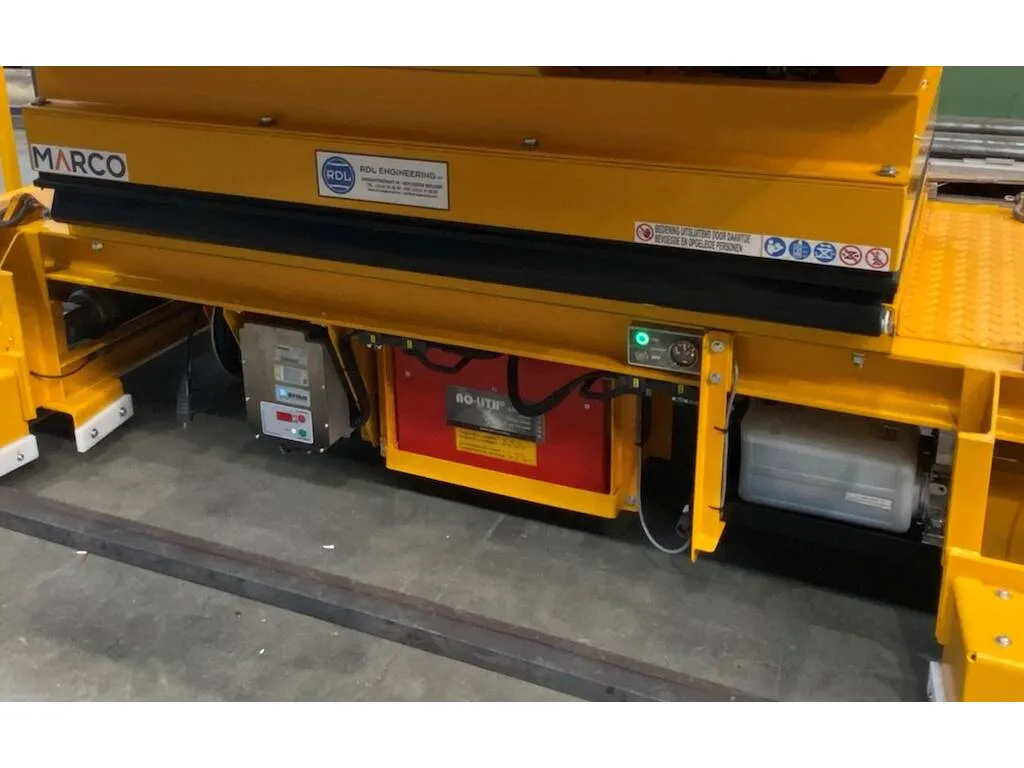
Maintaining and repairing metro trains often involves removing or installing heavy components. Doing this manually is virtually impossible, and certainly inefficient. That is why the Brussels Intercommunal Transport Company (STIB) contacted RDL Engineering more than ten years ago to design a bespoke solution for its Delta depot that would significantly improve working conditions for its operators. The Izegem-based specialist developed and manufactured a mobile lifting system with rotation and lateral shifting functions, which can be driven underneath a metro train. Last year, the transport company invested in two additional units, while its first system is being retrofitted.
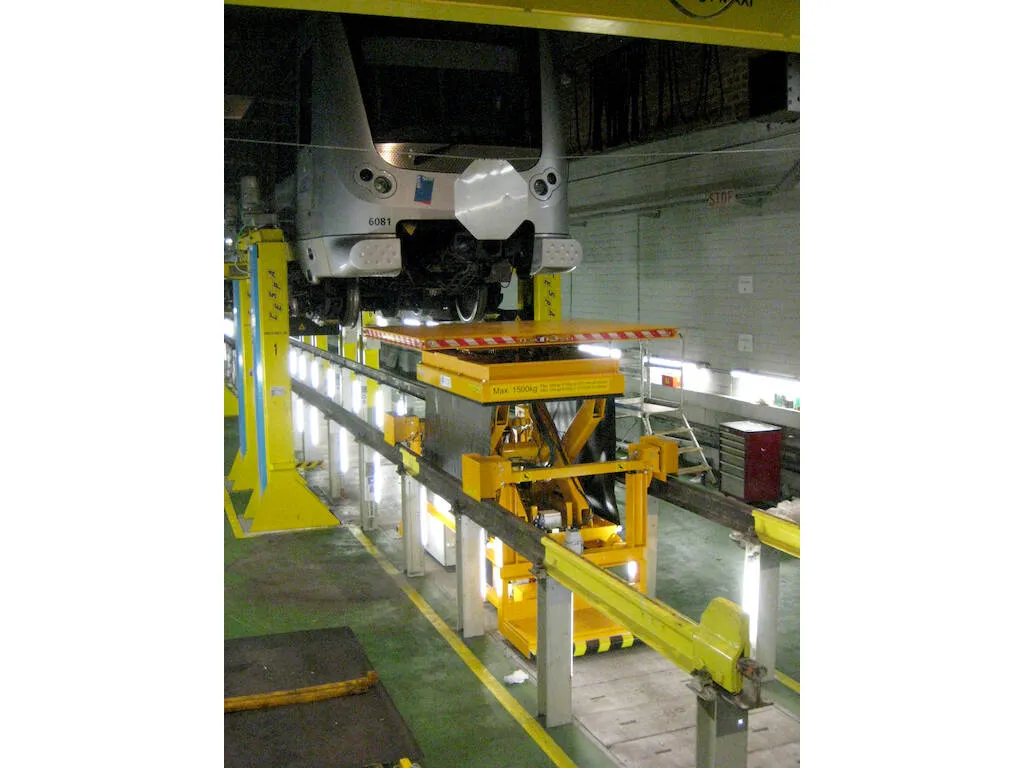
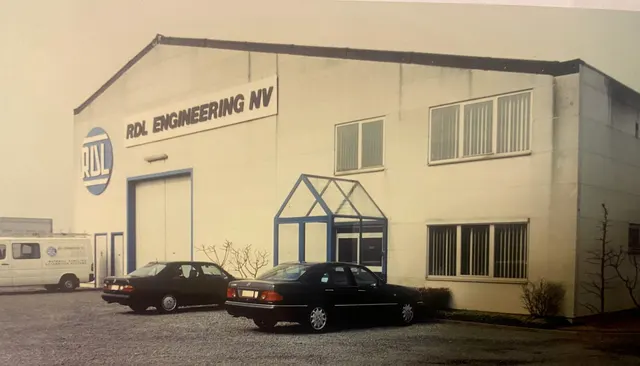
STIB metro trains carry thousands of people every day. A fault can therefore have a serious impact on traffic in the capital. The transport company’s technical operators carry out maintenance, overhauls and repairs every day, regularly removing and installing heavier components. “We have many years of experience in developing and manufacturing automation projects, productive in-house transport systems, lifting tables and platforms, and goods and car lifts,” says Dominiek De Leersnijder, managing director of RDL Engineering. “In 2010, STIB’s technical department challenged us to design a system to help its operators remove or install components underneath metro trains more easily and efficiently. We listened to their needs and began developing a bespoke system.”
Moving, lifting, rotating and shifting: a multifunctional solution
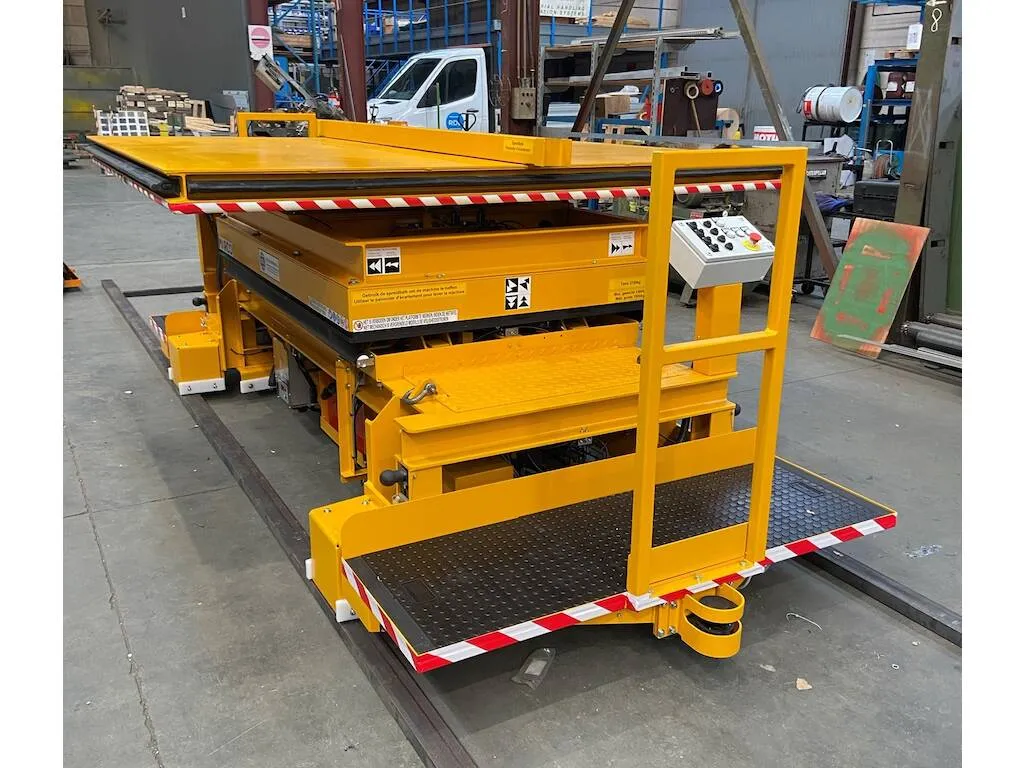
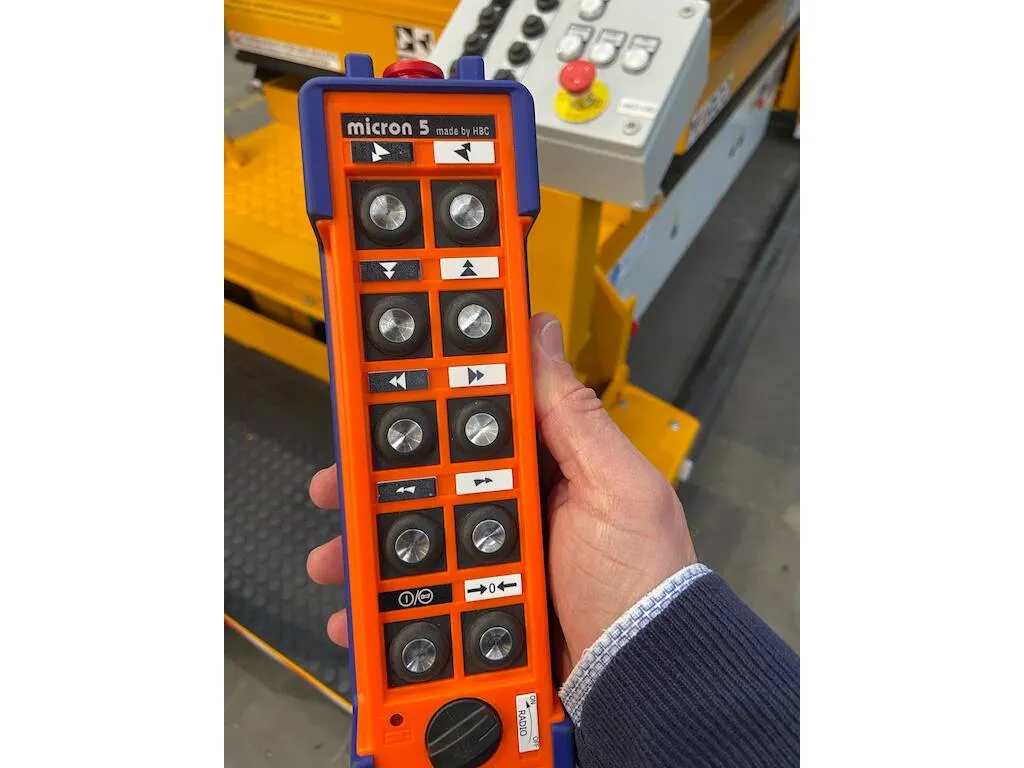
Working closely with the client, RDL Engineering developed and manufactured an ingenious mobile lifting system that runs on rails and can handle components up to 2,500 mm long, 1,500 mm wide and 1,000 mm high, weighing up to 1,500 kg. “This bespoke solution can move forwards and backwards at speeds of up to 2.7 km/h. A hydraulic scissor lift table allows the operator to lower and raise components. It also has a rotation function, and the load platform can shift 30 cm sideways,” explains De Leersnijder. “A fixed control station is installed at both the front and rear, allowing the operator to control all movements, although they usually use the portable radio remote control. There are two speed settings, but operator safety is always paramount. Laser scanners at the front and rear prevent the system from colliding with objects or people. A safety edge surrounds the rotating platform, and roller shutters shield the sides of the scissor lift. Operators can ride on a platform, while a special safety mat prevents the system from carrying out certain movements, or from doing so at full speed, while they are on board. The mobile unit is powered by a lightweight, yet powerful and low-maintenance lithium-ion battery with an 8-hour operating time. Thanks to opportunity charging, there is no need to wait until the battery is completely empty before recharging it. Whenever the system is not in use, it can be charged using the 20 m cable reel.”
A basis for additional systems
The mobile lifting system is available in two models: one runs on and between raised rails, while the other has rails laid on the floor. In both cases, lifting columns raise the metro train so that the vehicle can move underneath it. “Depending on the complexity, a project from design and manufacture through to installation and commissioning takes sixteen to twenty weeks. We also carry out the commissioning inspection. For maintenance, the system can be removed from the rails and placed on specially integrated supports,” concludes De Leersnijder. “Last year, STIB invested in two new systems for its Delta and Erasmus depots. They are based on the first mobile lifting system, but each has its own specific features. The transport company has also asked us to retrofit the first unit, bringing it back into compliance with current requirements and standards. The same solution could also be used in future for trains and trams, buses or lorries.”
Question about this story? Ask your question
Companies in this story
Keep following this
Get an email when a new story is published. No account needed.
- ThemeLess downtime through maintenance
- SubjectServices & solutions
- CompanyRDL ENGINEERING