What modern sensors can do to IMPROVE process control
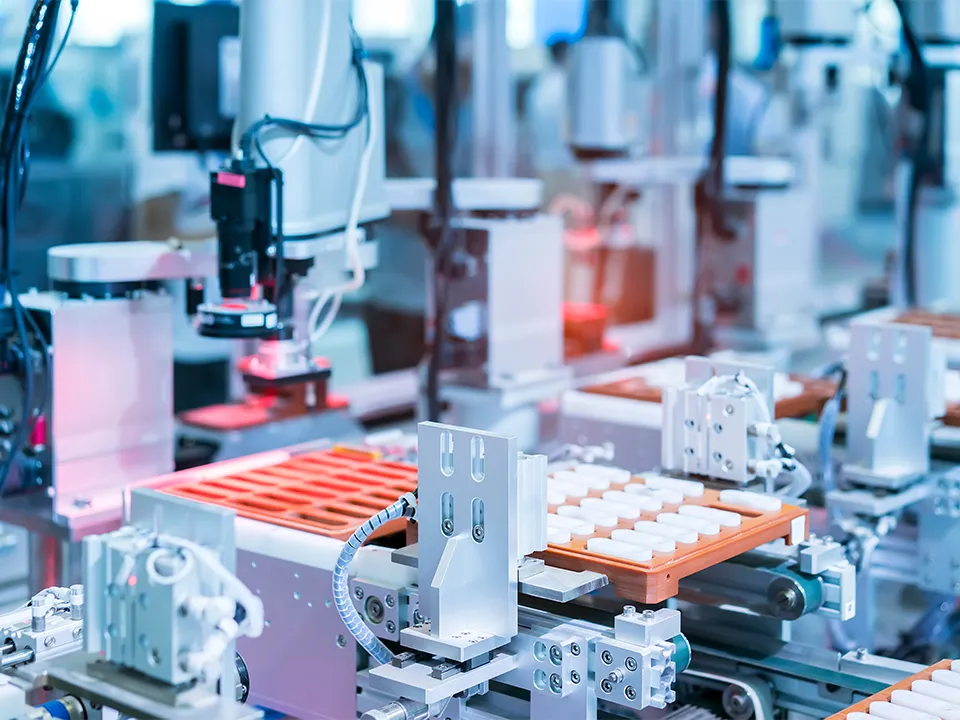
When you think of process instrumentation, sensors immediately come to mind. Whatever variable you want to monitor, whether temperature, pressure, level, flow rate or something else, there is always a sensor that can measure it continuously in-line for you.
Industry is not always kind to these components. In production, they can be exposed to harsh conditions: high and low temperatures, high pressure, dust, ATEX environments, intensive cleaning processes and more. But the sensors that really make a difference today do more than adapt seamlessly to their surroundings. They stand out for extra functionality that delivers much more added value. Here is an introduction.
Sensors are essential for keeping industrial production processes on track through automation. Manufacturers and machine builders understood this years ago. Sensors are therefore found in large numbers in and around machines and installations, throughout every stage of production. However, the technology has continued to advance in recent years. Yesterday’s sensors are not the sensors of today. Today’s models come with a host of additional features that can make your life much easier.
From analogue to digital communication
One notable feature of modern sensors is the way they communicate digitally. This is increasingly done via IO-Link, although that is not necessarily the case. Nor does the familiar 4 … 20 mA analogue standard, which has served reliably for years, have to disappear. The digital signal can simply be added on top. Why? Digital communication brings several valuable benefits in a modern production environment. First, cable interference no longer affects the transmission of process values. That means the value is always accurate and reliable. In this way, sensors make a major contribution to product quality.
Communication from the field to the cloud
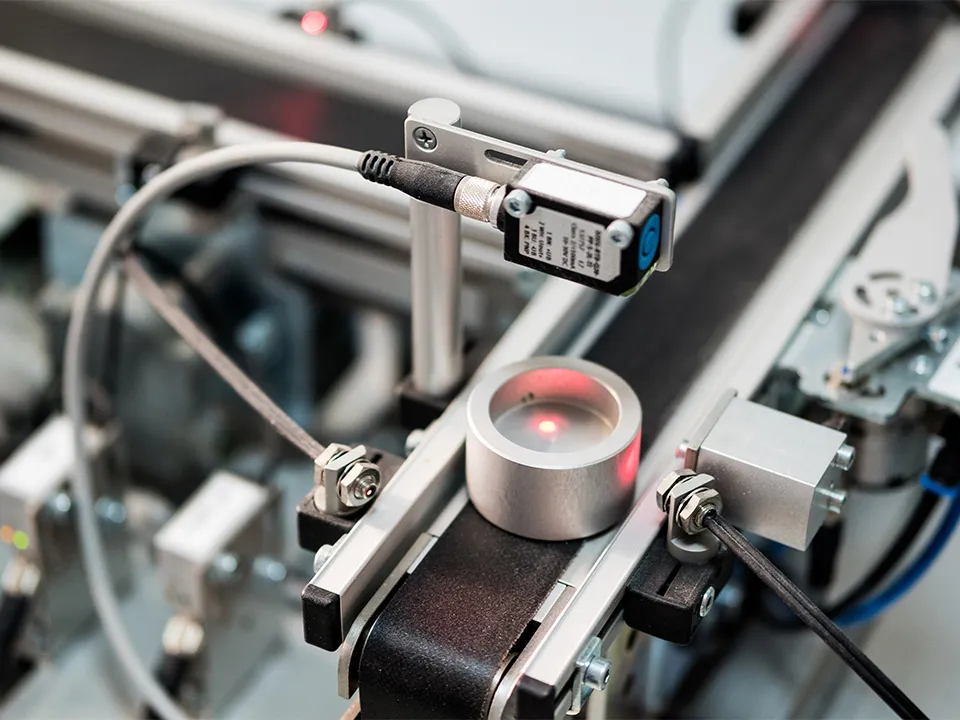
Digital communication also offers another advantage. Secondly, it makes it much easier to communicate with higher-level software and systems, such as ERP or the cloud. Digital is the language they have always spoken. Sensors can now join the conversation. Communication runs all the way up, and back down again. The days when sensors were limited to one-way communication are behind us, and that is important. If you want to create flexibility and transparency in your production environment, you need sensors to ensure the right settings are maintained for every product.
Easier to keep machines and installations in good health
Thirdly, the ease of use that comes with sensor digitalisation should not be overlooked. Sensors can be commissioned, parameterised and calibrated digitally, and therefore remotely. They have become fully plug-and-play. Is a sensor due for replacement? Its configuration can be transferred straight to the new sensor at the touch of a button. Digital simplicity.
More diagnostics on board
Another feature that makes a difference is the addition of diagnostic functions to sensors. The less downtime your production experiences, the higher your output will be.
Sensors ensure that machines and installations operate within their specified limits. If components such as sensors can also indicate when they are no longer working properly, for example because of a fault or excessive build-up, you can rest easy. You no longer have to search through an entire network of sensors to find the source of the fault, like a needle in a haystack. You know immediately which sensor to inspect and, if necessary, clean or replace.
Multiple process values
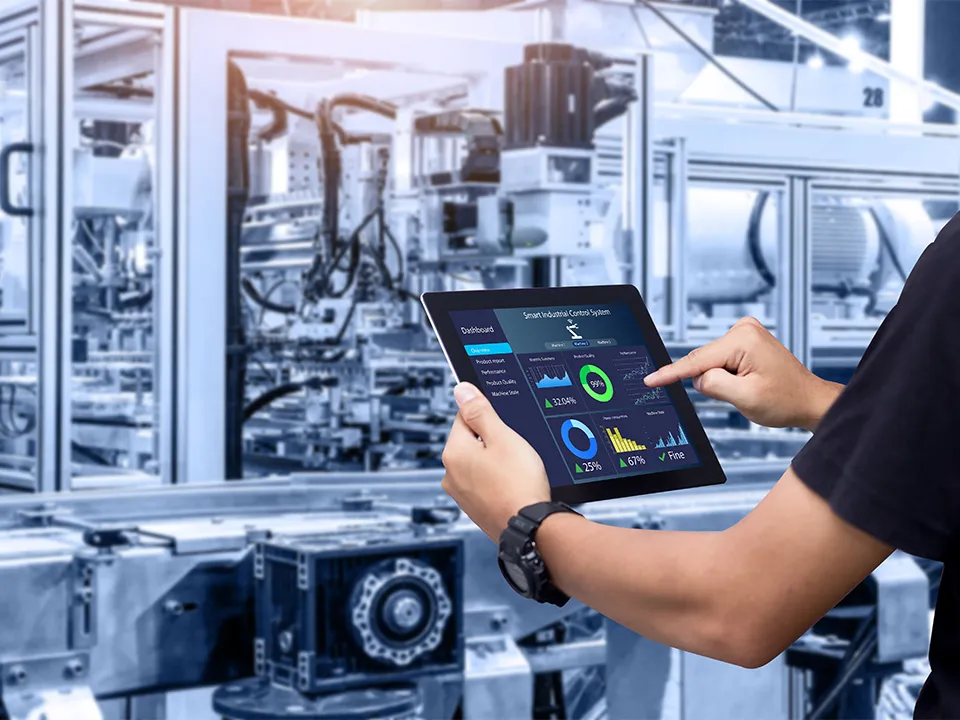
Do more sensors mean more data? That no longer has to be the case. Sensors are no longer the one-trick ponies they once were. Today, they can perform several functions at once. A pressure sensor that also measures temperature automatically can compensate for and correct the impact temperature may have on the pressure measurement. This improves measurement reliability without the need to install a second sensor. Or consider a temperature sensor that can use two different measurement principles in the same housing, such as PT1000 and NTC Thermistor, operating independently of each other. This allows both signals to be evaluated. Miniaturisation trends have made this perfectly possible. In future, you will be able to manage with fewer components and therefore less cabling, while also saving on the cost of external calibration.
Pushing the boundaries
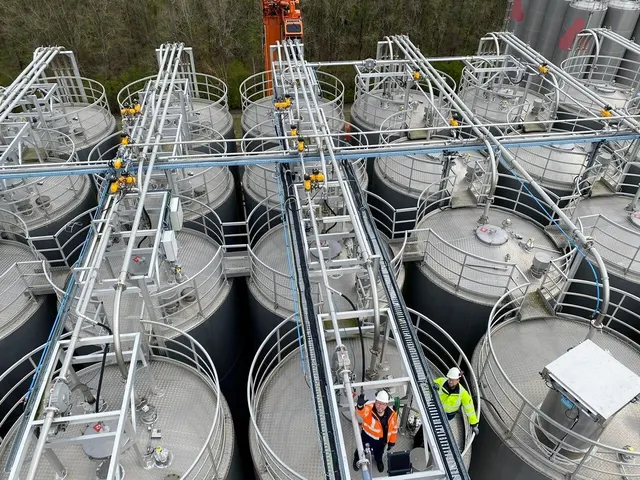
Finally, although the measurement principles used by sensors have remained largely the same, the technology continues to improve. Many sensors can now provide the exact process value instead of simply an on or off signal, giving you a clearer picture of your production. Work is also ongoing to reduce the impact of environmental conditions, such as dust, temperature and cleaning processes, so that you can always obtain a reliable value, wherever you are. And thanks to enhanced communication capabilities, even remote silos can transmit their values to your company network or the cloud.
Question about this story? Ask your question
Keep following this
Get an email when a new story is published. No account needed.
- ThemeProcess measurement and control
- SubjectSensors & vision