The key to accurate measurements: a clean sensor
Text Evi HussonImage Elscolab
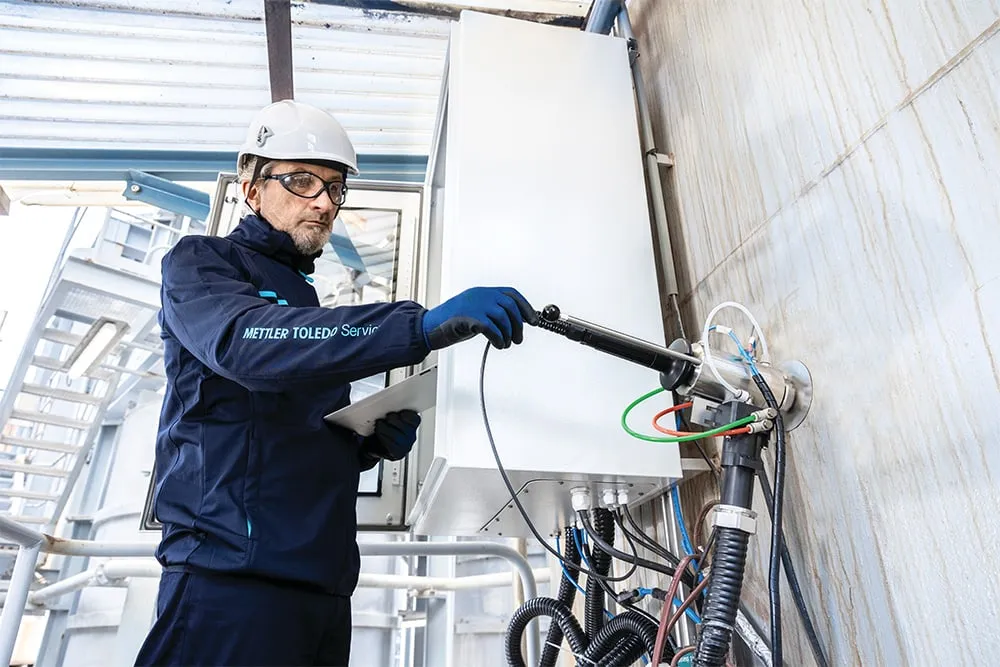
Reliable measurements are crucial in industrial processes, whether they involve pH, oxygen, Brix, conductivity, optical or spectrometric analyses. To ensure accurate results, several key conditions must be met: choose and install the right sensor, ensure it remains accessible at all times, and keep it clean. Martin Hoogedoorn and Dirk Vleminckx of Elscolab explain why the last point is so important.
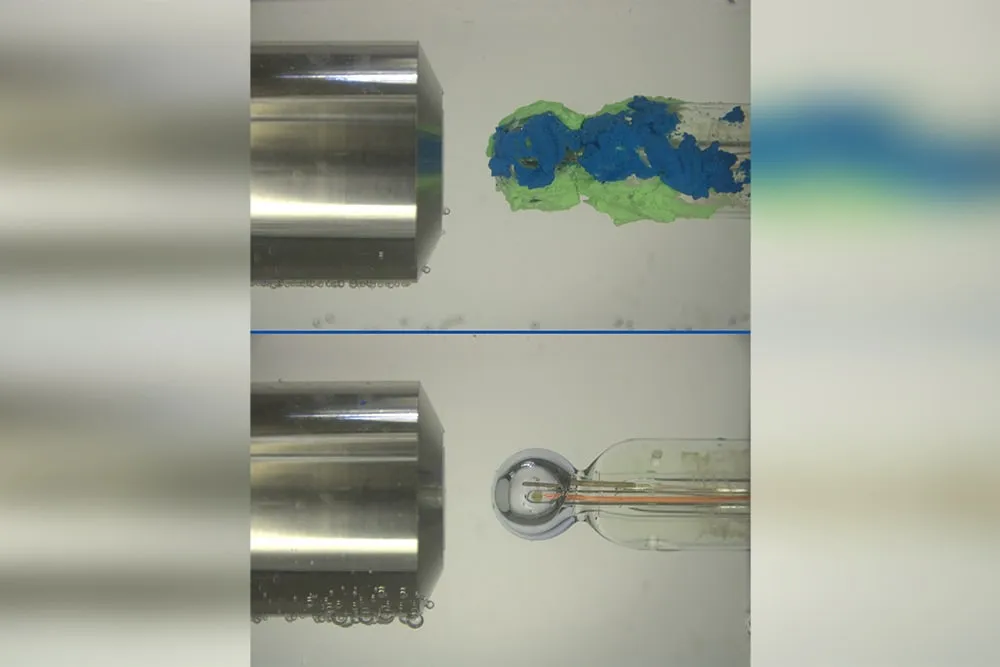
“Sensors need to be clean to ensure accurate measurement results. In many processes, precipitation reactions cause a layer of contamination to build up on the sensor. This can lead to incorrect readings,” says Martin Hoogedoorn, Business Unit Manager Process at Elscolab. “Using a cloth is often not the best solution. There are better products and solvents for cleaning measuring electrodes,” adds Application Specialist Dirk Vleminckx. “Some processes require frequent cleaning, even several times a day. Automation can play an important role in these cases.”
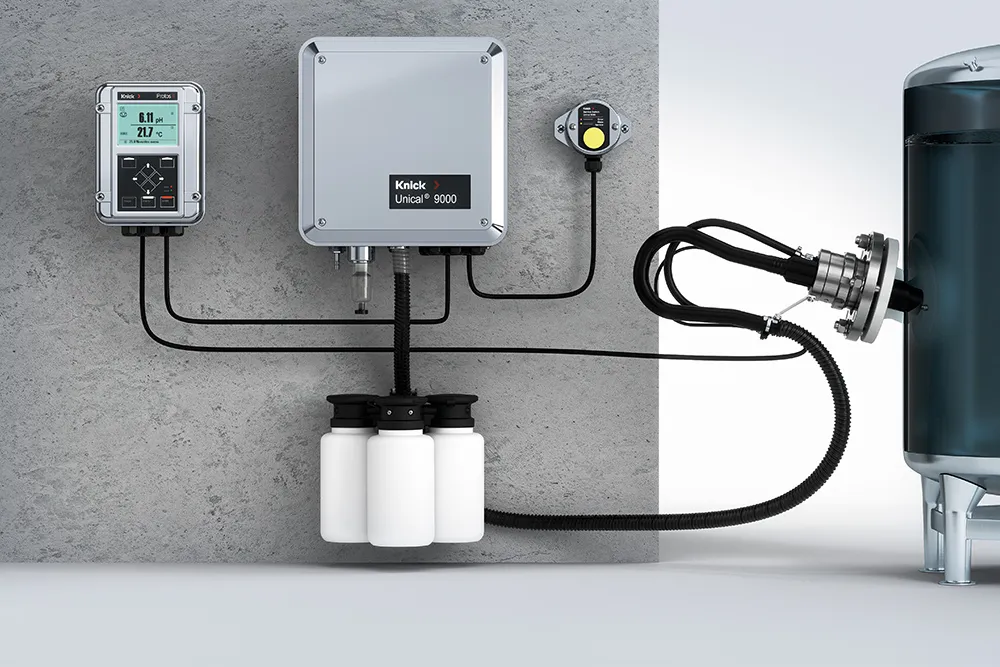
In situ cleaning systems
Automation can be implemented in several ways. Hoogedoorn explains: “With in situ cleaning systems, the sensor remains in its measuring position and is cleaned there. One example is ultrasonic cleaning, which removes the layer that has formed on the electrode. You can automate this process by adding intelligence, so that cleaning takes place in situ at fixed intervals or according to a weekly schedule.”
Retractables
Another option is to use retractables. “The sensor is housed in a holder with a measuring position and a maintenance position. When the sensor needs cleaning, it is automatically withdrawn from the measuring position and placed in a rinsing chamber. There, it is treated with a solvent or warm/hot water,” Hoogedoorn explains.
Automated calibration is also possible, in addition to cleaning. “For example, when using an oxygen sensor in the process, you can use nitrogen to check and validate whether the measurement still responds correctly to changes,” adds Vleminckx.
Benefits
“One major benefit of automated cleaning and calibration is that the process does not need to be shut down, because there are separate measuring and maintenance positions,” says Vleminckx. “The output signals to the process are temporarily held, so the process control system is not affected.”
Automatic cleaning offers further benefits. Hoogedoorn says: “Automatic cleaning is already common practice in the chemical industry. We recently completed an installation at a phosgene plant, for example, where this system was chosen to protect employees from exposure to hazardous substances. It also saves a great deal of time, particularly in processes that require cleaning several times a day. Manual cleaning is time-consuming, while many companies are already facing staff shortages.”
“Experience shows that more frequent preventive cleaning improves measurement quality and extends sensor life,” adds Vleminckx. “It is often more efficient to clean briefly every hour than to carry out a thorough clean once a day. We are also seeing growing interest in the pharmaceutical industry in combining cleaning and validation to eliminate manual errors. By ensuring that this process always follows the same protocol, you become less dependent on staff and gain a reliable method that allows you to move on to the next process step more quickly.”
Tailored advice
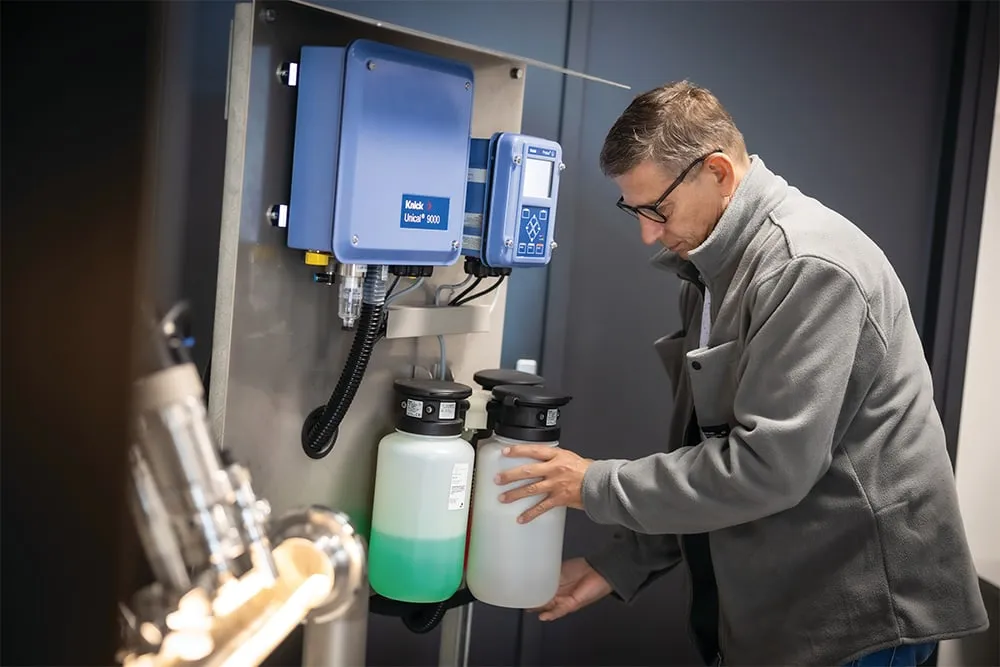
Automatic cleaning can be simple or highly advanced. “At Elscolab, we offer companies tailored advice, from sensor selection to process implementation and the choice of cleaning and calibration methods. We always take into account the application, the desired result and the available budget,” concludes Hoogedoorn.
A business enquiry for ELSCOLAB? Get in touch
Companies in this story

Keep following this
Get an email when a new story is published. No account needed.
- ThemeProcess measurement and control
- SubjectSensors & vision
- CompanyELSCOLAB