Smart concentration measurement in the chemical industry: lower consumption, greater reliability
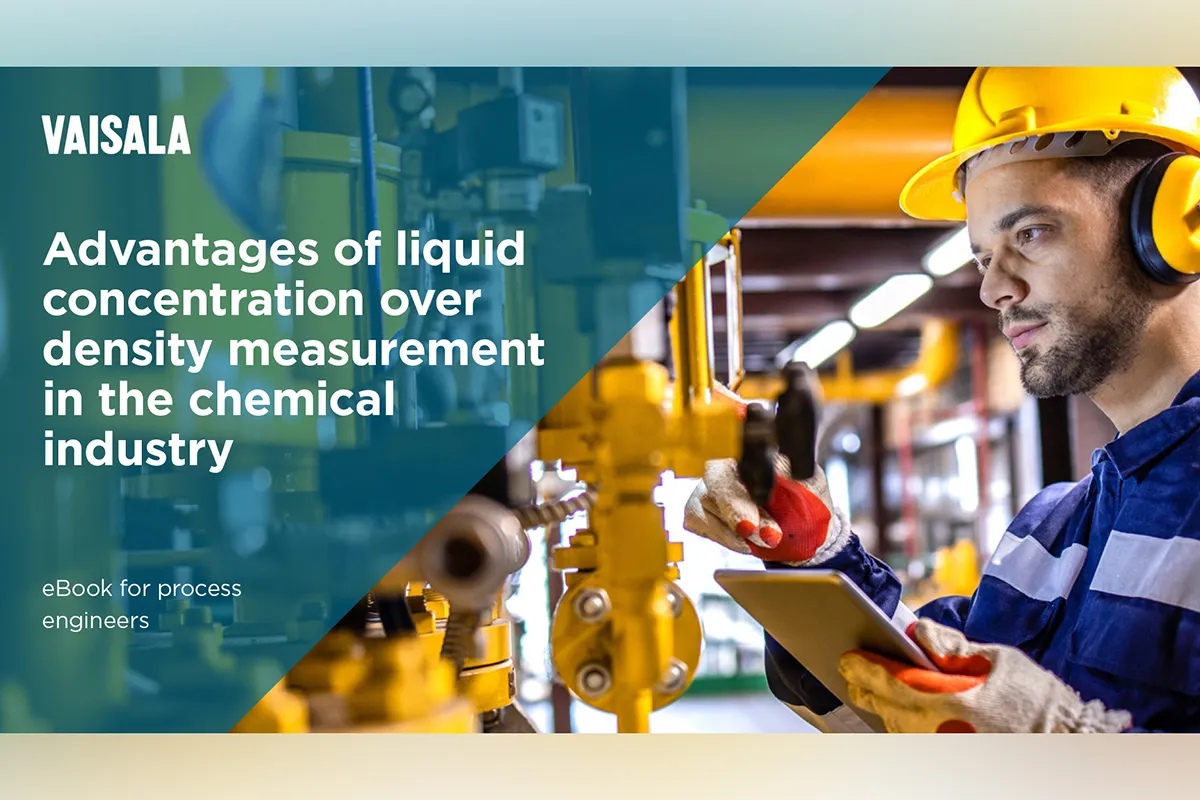
Refractometry is an advanced technique used in the chemical industry to accurately measure the concentration of dissolved substances in liquids. By determining a liquid’s refractive index, inline refractometers can provide real-time data that is crucial for ensuring product quality, improving energy efficiency and enhancing process safety.
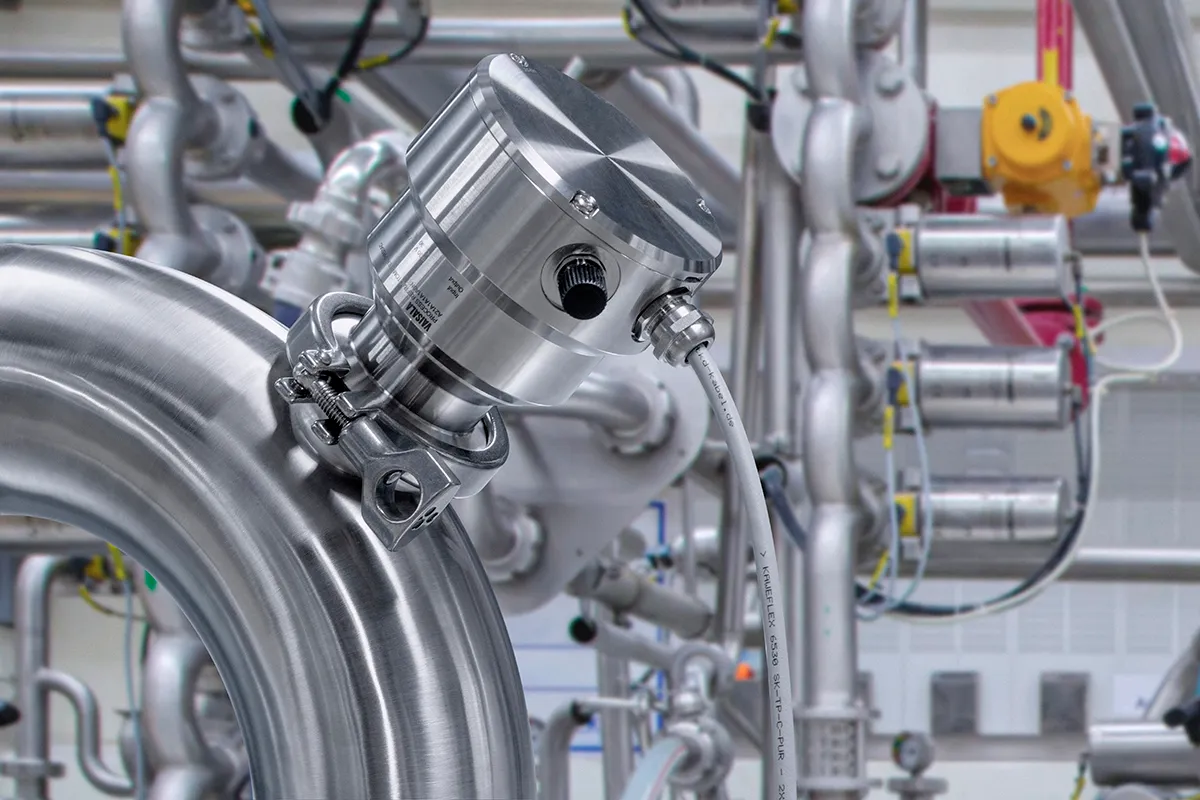
Benefits of inline refractometry:
- Accuracy and reliability: Inline refractometers provide consistent, precise measurements, even under challenging process conditions.
- Flexible installation: These sensors can be integrated directly into the process, for example in reactors or main pipelines, or installed in bypass or sampling lines, depending on the specific process requirements.
- Low maintenance costs: Thanks to their robust design and lack of moving parts, inline refractometers require minimal maintenance, resulting in a lower total cost of ownership.
By choosing inline refractometry, chemical companies can not only improve product quality, but also reduce operating costs and enhance overall process safety. This technology offers a reliable solution for continuous concentration measurement, which is essential in modern chemical processes.
Read the full blog post to find out why inline refractometry is a good choice for chemical processes. You can also download a free eBook to learn more about the comparison between refractometry and density, as well as the operation and applications of refractometers in chemical processes. Discover how manufacturers monitor critical quality parameters and ensure high-quality products.
A business enquiry for ELSCOLAB? Get in touch
Companies in this story
Keep following this
Get an email when a new story is published. No account needed.
- ThemeProcess measurement and control
- SubjectSensors & vision
- CompanyELSCOLAB