Sensor fusion for more compact, smarter applications
Text Valérie CouplezImage iStock
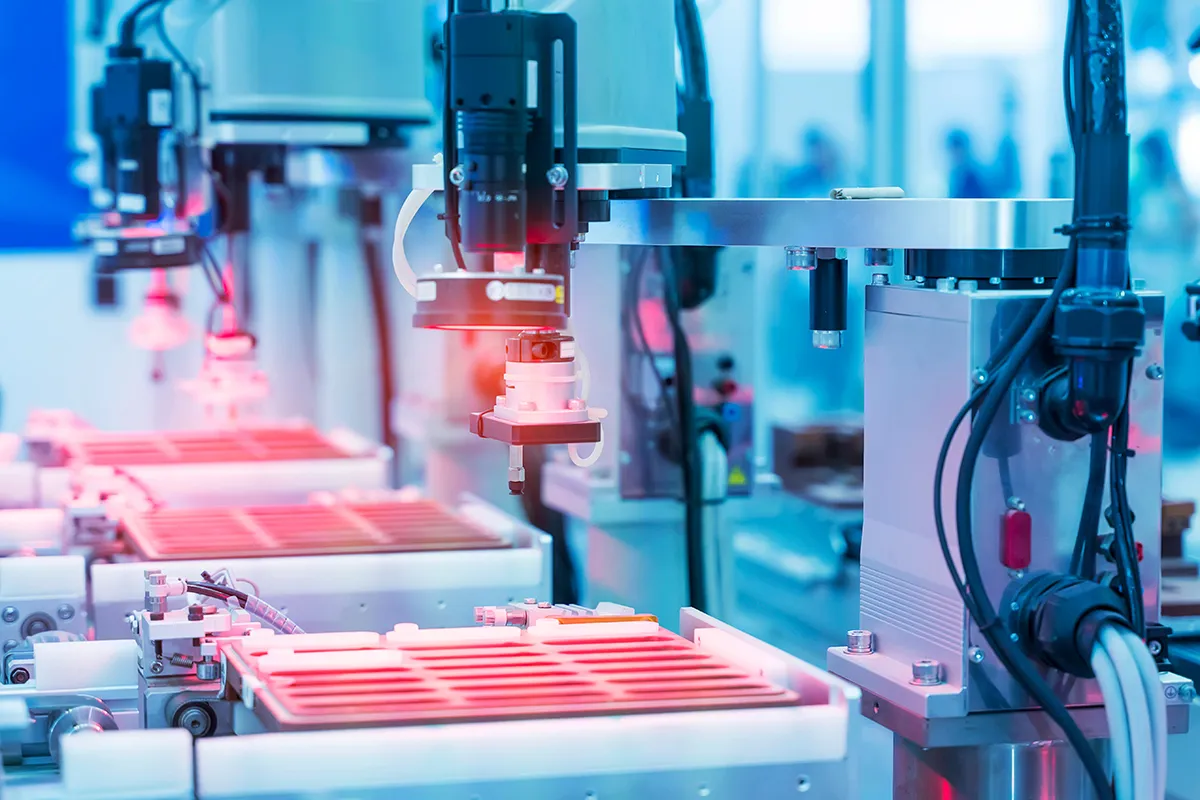
Sensors are the workhorses of Industry 4.0. Without reliable measurements, mapping processes and then optimising them is a non-starter. They also enable the greater efficiency and productivity we are all striving for. But sensor technology is, of course, constantly evolving. One notable trend is sensor fusion: a sensor that combines different sensing technologies to deliver better insights in less space.
A sensor captures information from its surroundings. Depending on the type, this might be pressure, temperature or flow rate, but sensors can also measure the conductivity of liquids, determine their pH level or map the world around them. This is a major asset in production, helping to automate processes. The values captured can then be used to fine-tune other parameters. Great, but this technology is already well established in many companies. Looking ahead, sensor fusion stands out as a next step, a technique made possible in part by advances in chip technology.
Combined data
Sensor fusion is the term used when different sensors are brought together in a single, compact sensor application. Compactness matters because machines are getting smaller, and this is precisely where more efficient chip technology is needed. You could compare it to the way the human brain works. Information picked up by our senses comes together in the brain. Only by combining data from different sources and comparing it with the intelligence built up through experience can we anticipate what is coming and respond appropriately and efficiently. Sensors that work together autonomously in the same way are becoming increasingly common in industry. Sometimes they come in a single off-the-shelf product that combines several measurements, while in other cases they are assembled into an integrated sensor module for specific applications that require combined data.
More connections and insights
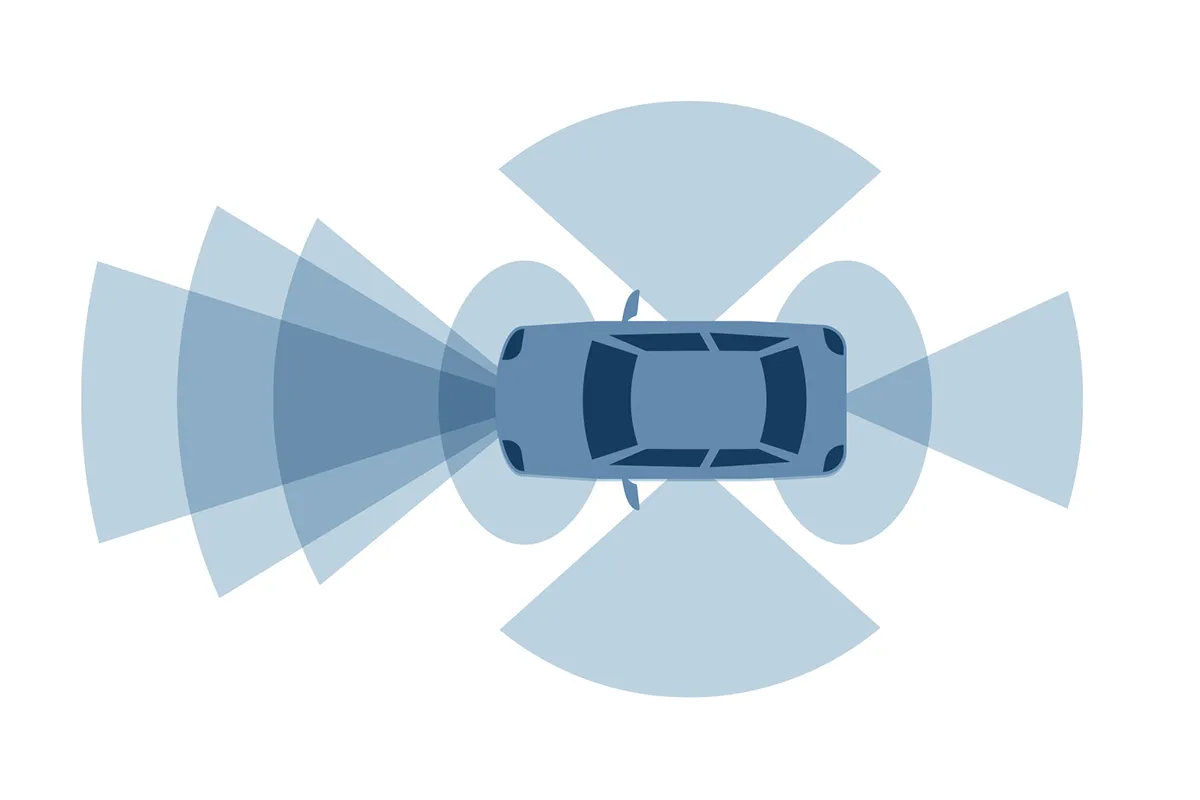
The larger volumes of data and use of different sources offer advantages, helping to uncover more connections and insights. Every sensor type has inherent strengths and weaknesses. Together, they can see more. Consider traffic and the technology fitted in new cars today. Radar is very good at accurately determining distance and speed, even in difficult conditions, but cannot read road signs or ‘see’ the colour of a traffic light. Cameras, on the other hand, are very good at reading road signs and classifying objects such as pedestrians, cyclists and other vehicles. However, they can easily be blinded by dirt, sunlight, rain, snow or darkness. Finally, lidar can detect objects accurately, but does not have the range or affordability of cameras or radar.
Enriching the data
Combining these three technologies enriches the data. It enables more complex detection tasks involving multiple variables and even lays the foundations for autonomous driving, an area that is currently receiving a great deal of attention. In an industrial environment, sensor fusion brings separate data streams together to provide a complete picture of the surroundings or the system being monitored. There is one essential requirement: sufficient intelligence must be available on board to process the data quickly enough. It also means users do not have to control their applications from a central data centre, but can work with edge devices. Low-level data fusion on smart devices or gateways collects and processes sensor inputs. Mid-level data fusion supports intensive analysis, while high-level data fusion takes place in data centres or the cloud to provide a broader perspective. The benefits of this approach include:
- Improved application resilience, because fewer error margins are needed and redundancy is ensured;
- Lower costs, because more functionality can be added to devices;
- Greater resistance to cyberattacks that attempt to send false signals.
Question about this story? Ask your question
Keep following this
Get an email when a new story is published. No account needed.
- ThemeProcess measurement and control
- SubjectSensors & vision