Keeping inline sensors clean and free from deposits with ultrasonic technology
Text Evi HussonImage Elscolab
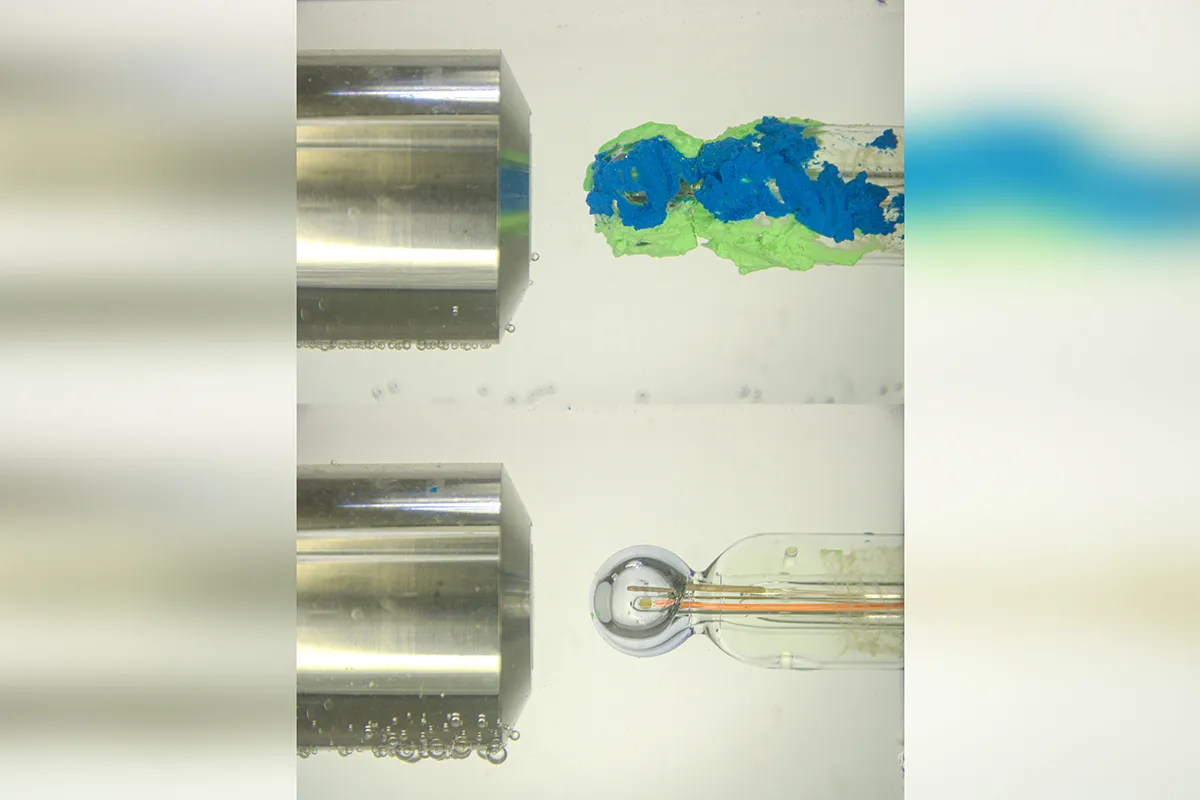
Inline measurements deliver immediate results, enabling companies to improve their product straight away.
This saves a great deal of time. It is important that measurements are reliable at all times. Clean sensors are essential, as deposits on sensors lead to inaccurate readings. Elscolab supports its customers with a range of cleaning techniques. The latest addition to its range is ultrasonic technology. Martin Hoogedoorn, Business Unit Manager Process, and Kevin Boels, Sales Support Manager Process at Elscolab, explain the technology in more detail.
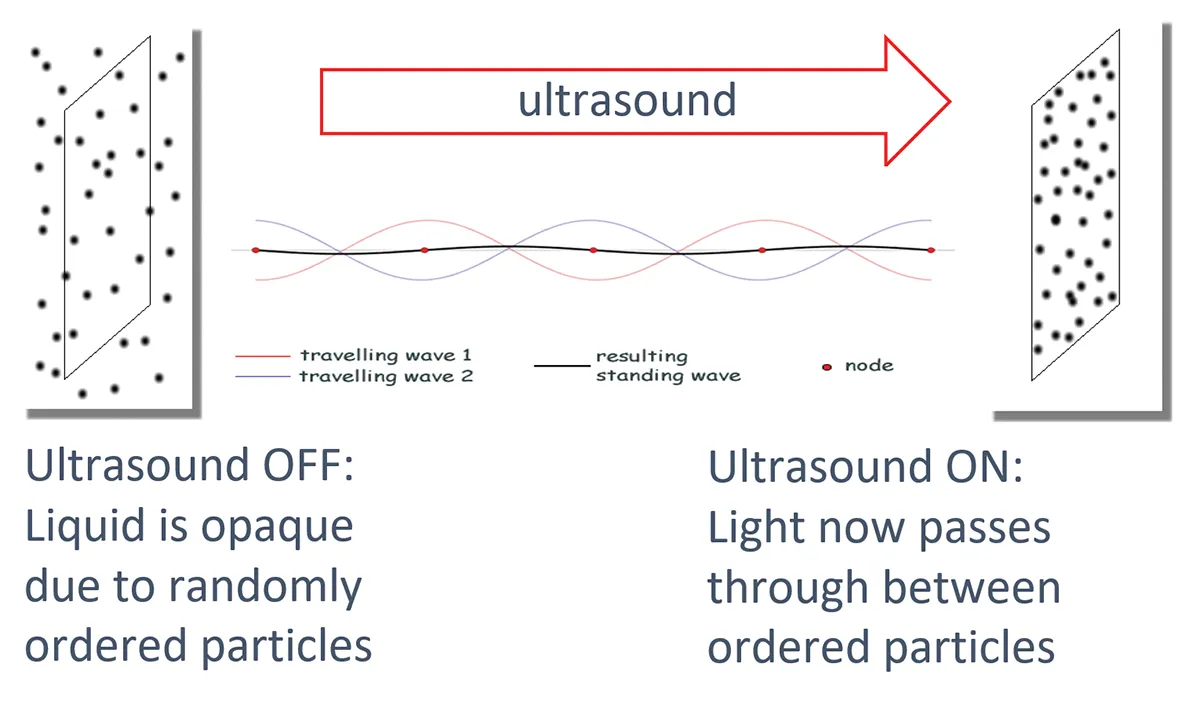
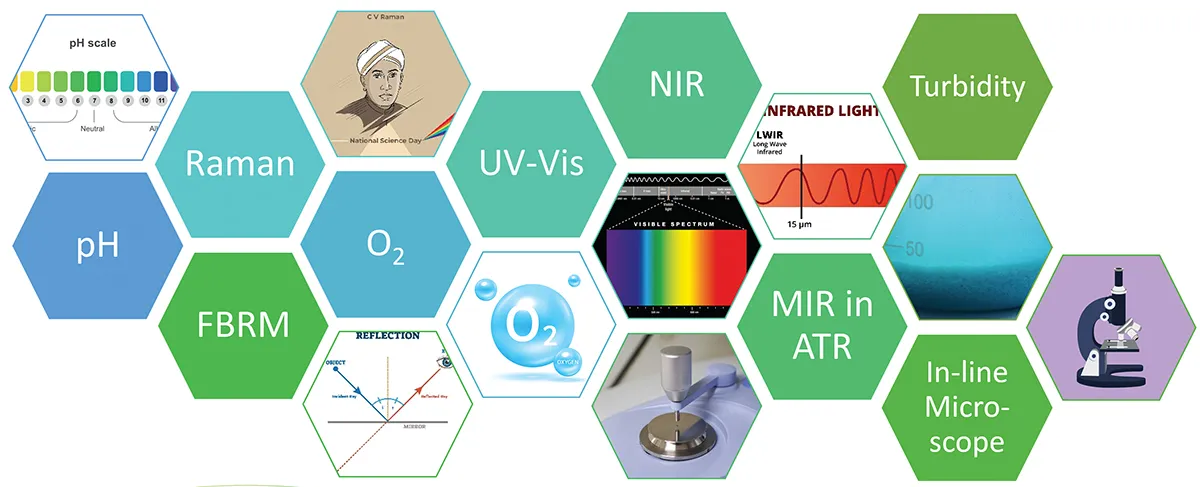
“In many applications, chemical cleaning with an acid, alkali or soap solution is suitable for keeping sensors clean,” Hoogedoorn begins. “In many cases, mechanical cleaning using ultrasound is also an interesting option. Ultrasonic cleaning was already being used in the 1980s, but the frequencies selected sometimes put a strain on the sensors themselves. The technology has since improved to the point where ultrasonic cleaning is an interesting solution for ensuring accurate measurements. The analytical techniques that can benefit from this cleaning method include pH and oxygen measurements, RAMAN, FBRM, UV-VIS, NIR, turbidity and MIR in ATR probes.”
Benefits
Boels explains the benefits in more detail. “Depending on the medium in which a probe is located, a coating, film or layer of limescale will form over time, gradually reducing the reliability of the readings. Ultrasound makes the liquid medium oscillate at a specific megahertz frequency, causing the particles in the medium to move with the waves rather than adhering to the probe. This results in high measurement accuracy, low maintenance costs and no need for chemicals that could affect the process.”
Megahertz frequency
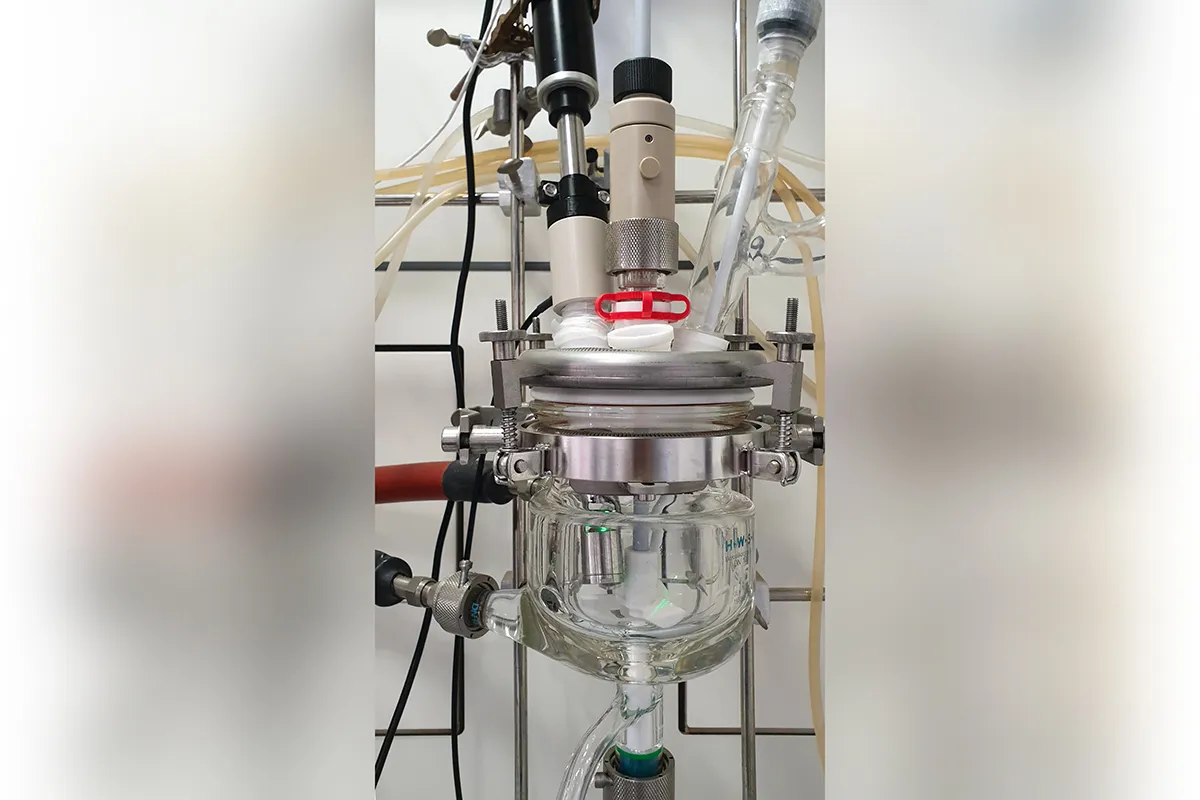
“The frequency used by our partner usePAT in its cleaning technology (sonicclean) is comparable to the frequencies commonly used in medicine,” Boels continues. “This high frequency means the sensors themselves are not affected. The cleaning process can also be monitored in real time via the plant’s own process control system, while individual cleaning cycles can easily be tailored to the application.”
From pharmaceuticals to the food industry
The technology has applications in a range of sectors. “UsePAT investigated which sensors need cleaning and then assessed the applications for which its technology is suitable. The technology has proved interesting for the chemical, food and pharmaceutical industries, and can also be used without issue in ATEX environments.” The technology is also widely used in water treatment plants. “In this sector, it is important to maintain the correct pH value and aeration. Measurements from a sensor in a water treatment plant are often less reliable, as a biological film quickly forms on the probe and affects the readings. Ultrasonic measurement is very easy to implement here.”
A solution for every application
The technology is still relatively new. Hoogedoorn says: “We believe it is important for our customers to choose the right cleaning method for their application. Ultrasonic cleaning is therefore a valuable addition to the other cleaning techniques we offer. Once a method has been selected, we carry out a feasibility study and work with the customer and supplier to determine whether the chosen solution delivers the reliable results required in practice.”
A business enquiry for ELSCOLAB? Get in touch
Companies in this story
Keep following this
Get an email when a new story is published. No account needed.
- ThemeProcess measurement and control
- SubjectSensors & vision
- CompanyELSCOLAB