From demo to robust industrial vision solution in under half an hour
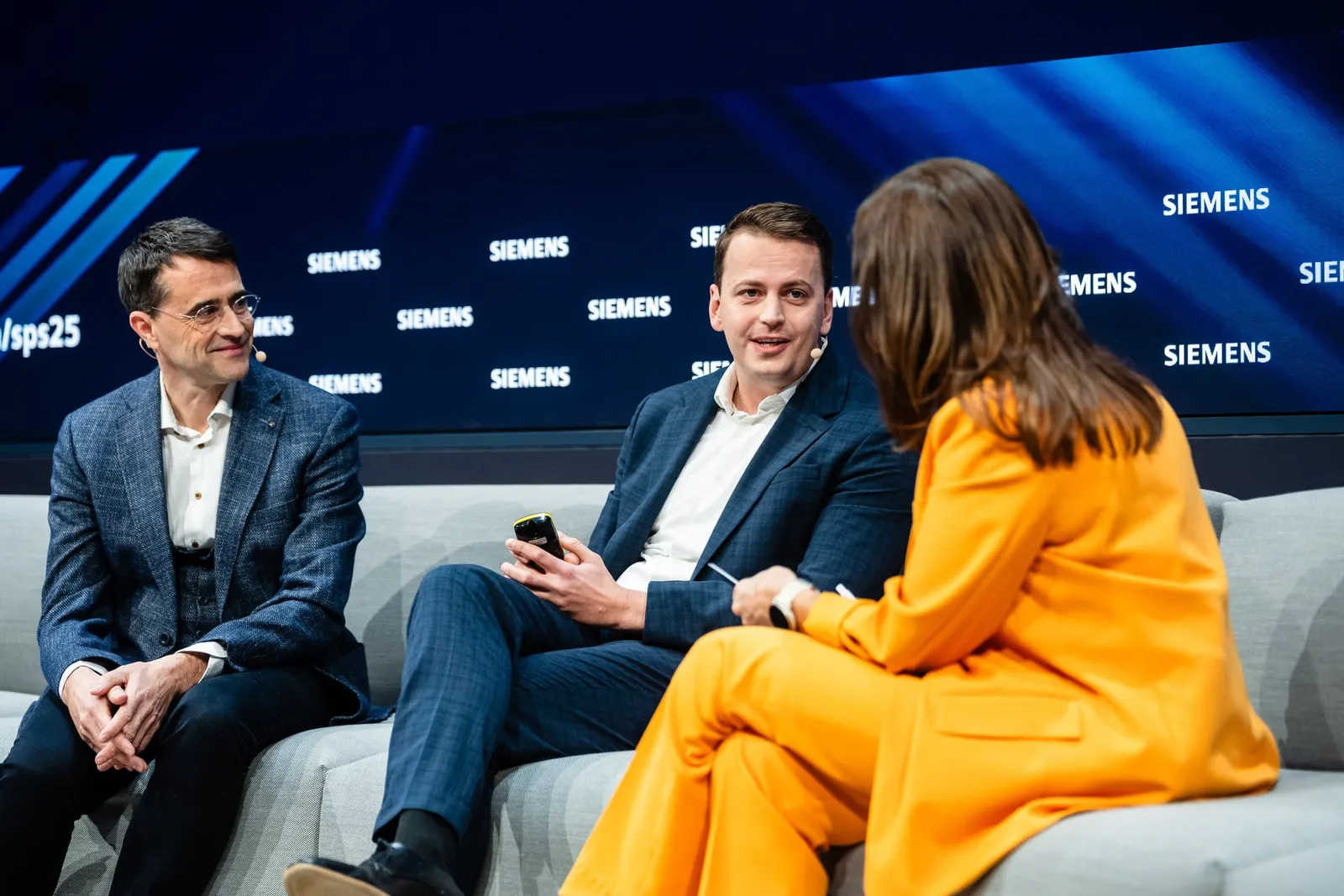
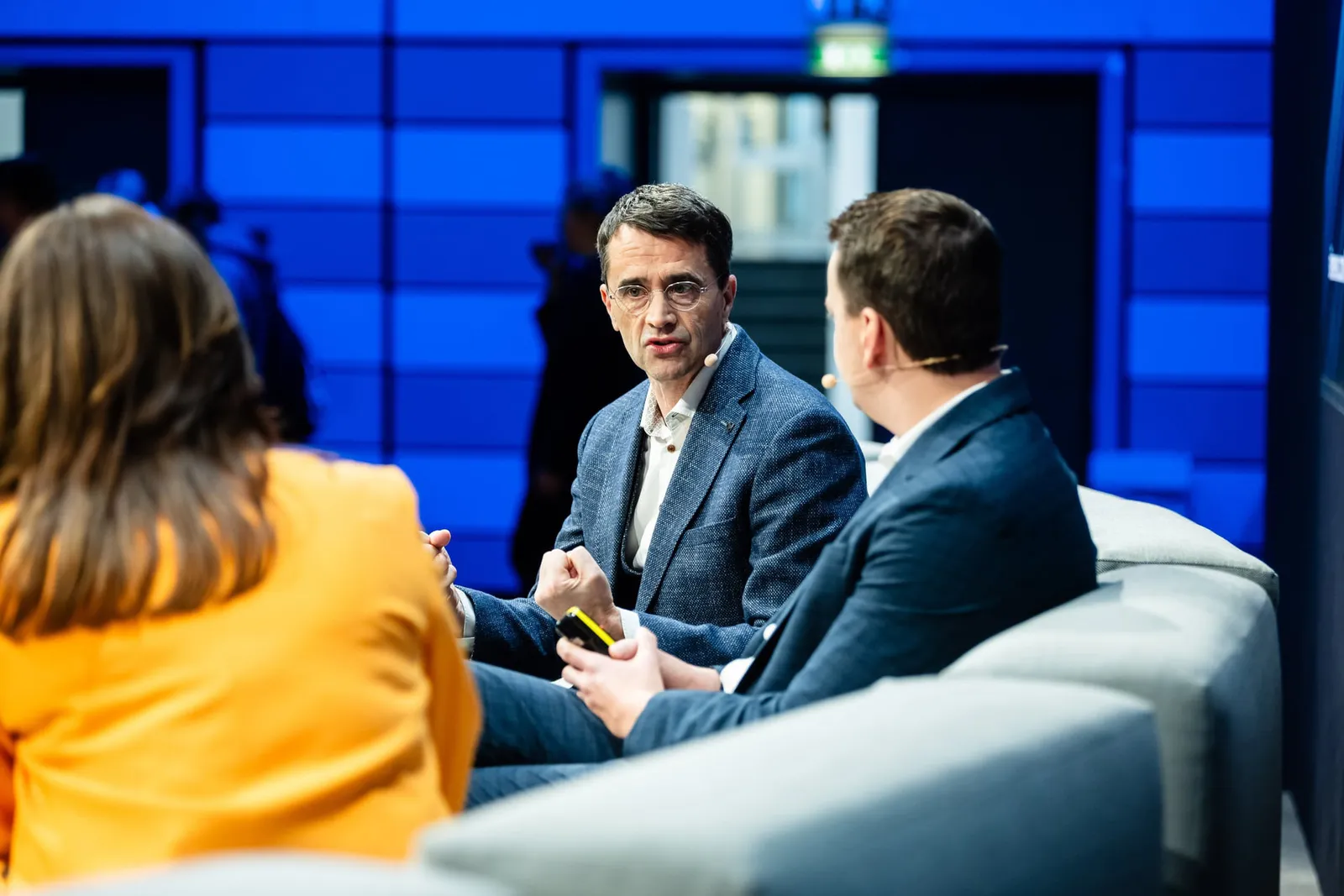
Printing International specialises in pad printing solutions, a method used in industries including pharmaceuticals and medical devices to print on 3D objects and uneven surfaces such as pills, capsules, syringes and medical instruments. In a sector where any deviation can be fatal, Printing International went looking for a revolutionary approach to visual quality control. It found the answer in Siemens Inspekto technology and presented it on stage at SPS.
Headquartered in Aalter, Printing International does more than simply keep pace. It can call itself a world leader in the production of advanced pad printing machines. “The only downside of being out in front is that you have to keep innovating to maintain your position,” laughs CEO Filip Feyaerts. “We are always striving for something newer and better. That is why we also try to embrace new, innovative technology. On one condition: it has to work reliably and consistently. And that starts with reliable partners. Our OEM partnership with Siemens fits that philosophy perfectly.”
A zero-defects mindset
When Thomas Vermeir, Siemens OEM Account Manager, introduced the new Inspekto vision technology, Printing International was all ears. “Quality is non-negotiable in pharmaceutical production. The slightest smudge, even one that cannot be seen with the naked eye, means rejection. High-quality printing is the combined result of a whole series of design choices, such as detecting whether a product is present or, conversely, absent when it should be. Capacitive or inductive sensors can detect presence, but they require too much manual configuration and specific expertise, just like traditional cameras. A more intuitive solution that was less sensitive to mechanical changes would enable us to offer our customers a more stable system,” explains Feyaerts.
Intuitive operation
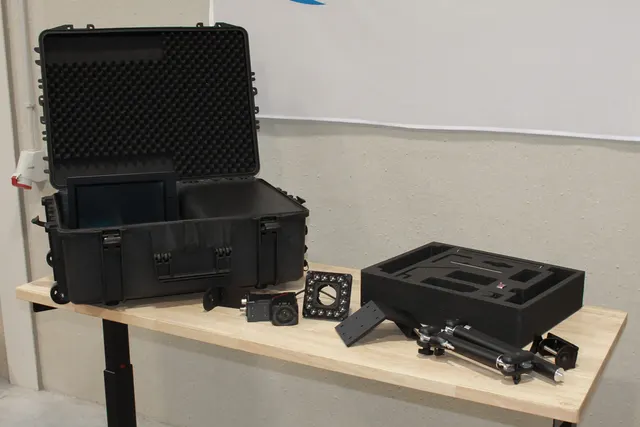
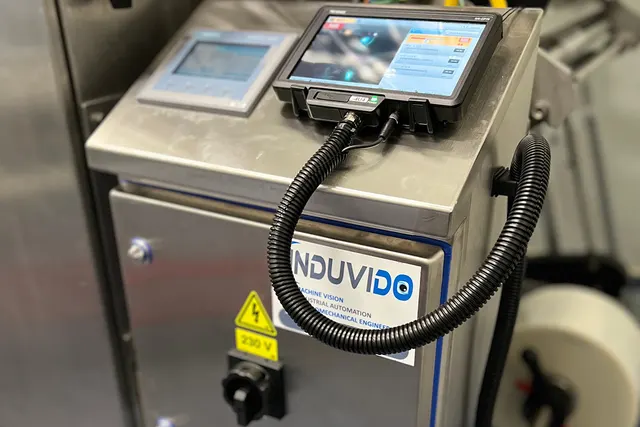
And that is exactly where the Inspekto AI-based vision system excels. The hardware consists of a camera with integrated lighting control and an industrial PC. But the software is the real star. How long did it take to go from demo to a well-functioning system? “We were up and running in under half an hour. With a conventional vision solution, it would have taken days to train the AI,” says Vermeir. He says this speed is a logical consequence of Inspekto’s intuitive approach. “You specify where you want to look, teach the system what is ‘good’ and ‘bad’, and that’s it. The software focuses automatically, adjusts the lighting and optimises the images. There is no need for any manual configuration.”
Three inspection points
Inspekto now monitors three critical points to ensure the impeccable quality delivered by Printing International’s Cheiron LinoSystem production lines. “At the start of the machine cycle, we check whether the carrier is empty,” explains Feyaerts. “This is important to prevent damage to the products or the machine. A second unit checks whether the product is present and correctly oriented. We couldn’t do the latter in the past, which could lead to unplanned downtime. A third inspection takes place at the end of the machine cycle. Here, we verify that it is the right tray, with the correct orientation and fill level.”
OEE rises to 89%
And what does that deliver? Feyaerts says: “We now achieve an OEE of 89% (previously 85%) and a scrap rate of less than 1%. The figures may not seem like a particularly impressive improvement, but believe me, they are. When you consider that machines like these are typically in production for 20 years, you realise how important simple, stable operation is. The customer also benefits from much shorter engineering times and no longer needing to make manual adjustments. We are already keen to see what additional opportunities future Inspekto developments will bring, and are exploring whether it could add value elsewhere in our machines too.” The first Cheiron LinoSystem featuring the three Inspekto units has now been delivered to the customer. “The addition of AI was, incidentally, carried out in close consultation. There is some scepticism about AI, as exactly how it works is not always easy to grasp. But here, the results spoke for themselves and inspired a great deal of confidence.”
AI works and delivers returns
Vermeir is also proud of the collaboration and its results. “We are doing some great pioneering here in Belgium with a very practical AI application that delivers added value. The manufacturing industry is under pressure, and we need to protect our technological lead by investing in new technology. I believe industrial AI will transform our industry, just as the advent of electricity once did. But you always need early adopters to get that transformation under way. We are grateful to Printing International for being one of them,” he concludes.
A business enquiry for Siemens NV/SA? Get in touch
Companies in this story
Keep following this
Get an email when a new story is published. No account needed.
- SubjectSensors & vision
- CompanySiemens NV/SA